Texas Becomes America’s Cold Logistics Technology Hub
Estimated reading time: 7 minutes
Texas has recently emerged as a pivotal hub for cold chain logistics in the United States. Driven by significant investments and rapid technological advancements, the state is responding to the surging demand for temperature-sensitive products. As consumer preferences increasingly shift towards fresh and organic offerings, understanding Texas’s rise in cold chain logistics is essential for logistics managers, business leaders, and supply chain experts looking to optimize their operations.
This article will explore the key trends, challenges, and opportunities shaping Texas’s role in cold chain logistics. From advanced technologies driving efficiency to the strategic advantages of its geographic location, Texas is on track to become a leader in this essential sector of the logistics industry.
Table of Contents
- Background and context
- Key trends and data
- Impacts on logistics operations
- Practical lessons
- How Scanwell Logistics Vietnam can help
- Conclusion
- FAQ
Understanding Texas’s Rise as a Cold Chain Logistics Hub
The cold chain logistics sector refers to the transportation and storage of perishable goods that must be kept at controlled temperatures to ensure their quality and safety. This includes essential items such as food products, pharmaceuticals, and vaccines. The recent shift in consumer preferences towards healthier, fresh, and organic options has catalyzed a significant increase in demand for reliable cold chain solutions.
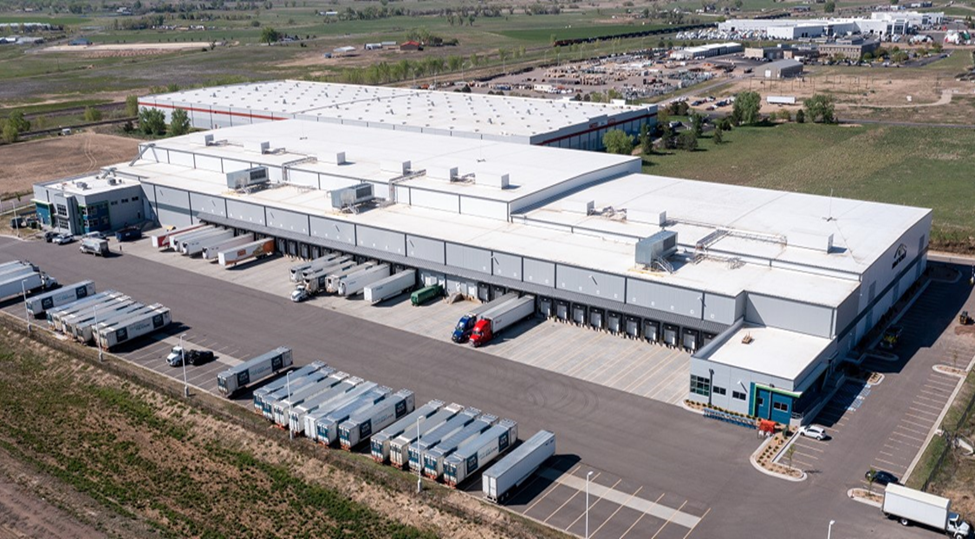
Texas’s emergence as a key player in this space can be attributed to its extensive distribution center network, robust transportation infrastructure, and favorable regulatory environment. These factors make Texas particularly appealing for cold chain operations, setting the stage for the state to become a leader in cold chain logistics.
Key Trends and Data Shaping Cold Chain Logistics in Texas
Several crucial trends and developments are reshaping the cold chain logistics landscape in Texas:
- The cold chain logistics market in Texas is projected to grow significantly, with an estimated compound annual growth rate (CAGR) of about 12% over the next several years.
- Investment in cutting-edge technologies such as the Internet of Things (IoT) and artificial intelligence (AI) is increasing, allowing for real-time monitoring of temperature-sensitive shipments.
- Automation is becoming a game-changer in enhancing operational efficiency, enabling companies to ensure their cold chain operations are robust and scalable.
Operational Impacts on Logistics and Supply Chains
The impacts of Texas’s rise as a cold chain logistics hub on logistics operations are significant. Companies can expect:
- Improved inventory management and supply chain reliability due to advanced monitoring systems that help prevent spoilage and loss of perishable goods.
- Enhanced responsiveness to consumer demands, as innovative technologies allow for quick adjustments to inventory and delivery schedules.
- Increased accuracy in forecasting, leading to optimization of warehousing and reduced excess inventory costs.
Practical Lessons for Logistics Professionals
Logistics professionals can gain valuable insights from Texas’s developments in cold chain logistics:
- Embrace technological advancements to enhance tracking, monitoring, and operational efficiencies within cold chain processes.
- Invest in suitable temperature-controlled facilities and transportation to mitigate risks associated with spoilage.
- Focus on employee training and development to ensure your team is equipped to manage sophisticated technologies efficiently.
- Maintain clear communication with stakeholders and customers regarding cold chain operations and policies to build trust and transparency.
How Scanwell Logistics Vietnam Can Help
At Scanwell Logistics Vietnam, we recognize the growing importance of cold chain logistics and are well-equipped to support businesses navigating this sector. Our extensive services include air and ocean freight solutions tailored for temperature-sensitive cargo, state-of-the-art warehousing facilities designed for cold chain operations, and customs brokerage that assures compliance.
- Ocean freight (FCL/LCL on key trade lanes).
- Air freight solutions for time-sensitive cargo.
- Warehousing, distribution, and value-added services.
- Domestic and cross-border trucking.
- Customs brokerage and trade compliance support.
Conclusion
Texas is indeed establishing itself as a pivotal center for cold chain logistics in the United States. Backed by strategic investments in technology, a favorable geographic position, and a growing demand for cold chain capabilities, the state is poised for significant growth. While challenges exist—such as regulatory compliance and the need for skilled labor—the opportunities presented through ongoing innovation and strategic planning could provide extensive benefits for logistics leaders looking to thrive in this evolving landscape.
Call to Action
Ready to turn these logistics insights into real competitive advantages?
Explore Scanwell Logistics Vietnam
Contact our experts for tailored support
FAQ
What are the main components of cold chain logistics?
Cold chain logistics encompass the transportation, storage, and handling of temperature-sensitive goods such as food, pharmaceuticals, and chemicals that require constant temperature control to maintain their integrity.
How significant is technology in cold chain logistics?
Technology plays a crucial role in cold chain logistics by facilitating real-time monitoring of temperature and humidity levels, ensuring compliance with safety regulations, and enhancing operational efficiency through automation.
What challenges do companies face in cold chain logistics?
Companies often encounter challenges such as regulatory discrepancies across states, the need for skilled personnel, susceptibility to supply chain disruptions due to environmental changes, and ensuring reliable temperature control throughout the logistics process.