5 Peak Logistics Periods to Prepare for in 2026
Estimated reading time: 7 minutes
As we move closer to 2026, the logistics industry is gearing up for a year of both challenges and opportunities. Understanding the top peak logistics periods is critical for companies looking to stay competitive and efficient. In this article, we will highlight the five key peak periods for logistics in 2026, along with the trends, challenges, and strategies that can help businesses navigate through them successfully.
With various factors influencing supply chains, from consumer behavior to geopolitical issues, it is crucial for logistics and supply chain managers to prepare effectively. The upcoming year will bring significant opportunities for those who can adapt to changing demands, particularly during peak times.
Table of Contents
- Key Logistics Periods in 2026
- Trends and Data Influencing Logistics
- Challenges in the Logistics Industry
- Practical Lessons for Logistics Professionals
- How Scanwell Logistics Vietnam Can Help
- Conclusion
- FAQ
Key Logistics Periods in 2026
2026 will witness several crucial periods that logistics professionals must prepare for. Here are the five peak logistics periods to watch out for:
- Chinese New Year (February 17 – 23, 2026): This period will see increased demand for goods and potential delays, necessitating advance inventory and shipping schedules.
- Summer Holiday and Back to School (July – September 2026): A peak time for retail activity, requiring efficient distribution strategies to meet consumer demands.
- Black Friday/Cyber Monday (Late November 2026): One of the busiest e-commerce periods, requiring logistics providers to optimize networks for high volumes of shipments and returns.
- Winter Holidays (Mid-December 2026): Significant shipping volume and increased returns necessitate preparation and capacity planning.
- Post-Holiday Sales (January 2026): Companies must manage the influx of returns and exchanges effectively to maintain customer satisfaction.
Trends and Data Influencing Logistics
The logistics industry in 2026 is expected to be influenced by several emerging trends, which include:
- Artificial Intelligence (AI) Optimization: Increased adoption of AI for route optimization and inventory management to improve efficiency and reduce costs.
- Sustainable Logistics: A growing focus on eco-friendly practices, including the use of electric vehicles and alternative fuels to lessen environmental impact.
- Resilient Supply Chains: Companies are diversifying suppliers and using advanced analytics to prepare for potential disruptions, stemming from lessons learned during the COVID-19 pandemic.
- Rerouting Shipments: Increased importance of dynamic routing based on real-time data for improved service levels and timely deliveries.
- Consumer-Centric Fulfillment: Logistics providers focus on enhancing customer experiences through fast deliveries and real-time tracking.
Challenges in the Logistics Industry
Despite the promising trends, several challenges loom on the horizon:
- Labor Shortages: The ongoing struggle to find skilled labor amidst rising demand will put strain on operations.
- Regulatory Changes: Meeting evolving regulations regarding environmental impact and labor law compliance will require careful management.
- Global Trade Tensions: Geopolitical factors may disrupt shipping routes and increase costs, demanding agility from logistics providers.
- Infrastructure Issues: Aging infrastructure can impede logistics efficiency, making improvements necessary to cope with demand.
- Cybersecurity Threats: With increased digitization comes heightened risk from cyber threats, necessitating robust protective measures.
Practical Lessons for Logistics Professionals
In preparation for the logistics landscape of 2026, consider the following practical recommendations:
- Invest in AI technologies to streamline operations and improve data accuracy.
- Enhance warehousing capabilities to handle increases in inventory demands during peak periods.
- Develop flexible transportation strategies to adapt quickly to changing demand patterns.
- Foster strong relationships with suppliers and logistics partners for cooperative problem-solving.
How Scanwell Logistics Vietnam Can Help
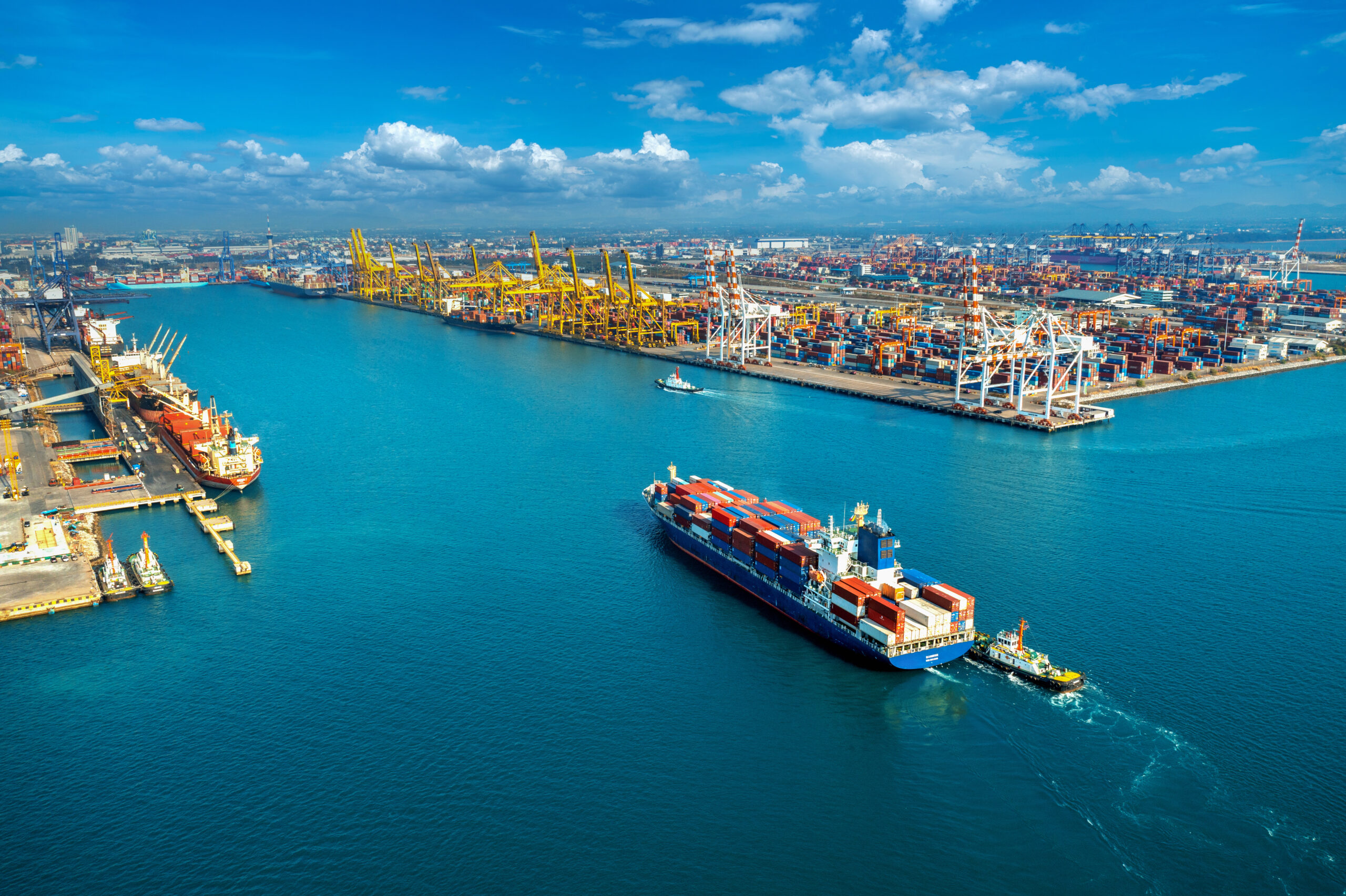
At Scanwell Logistics Vietnam, we are committed to supporting your logistics needs as we move into 2026. With our expertise in ocean freight, air freight, and distribution, we can help your business effectively manage peak periods and streamline operations. Our services are designed to optimize logistics processes and enhance fulfillment capabilities to meet evolving customer expectations.
- Ocean freight (FCL/LCL on key trade lanes).
- Air freight solutions for time-sensitive cargo.
- Warehousing, distribution, and value-added services.
- Domestic and cross-border trucking.
- Customs brokerage and trade compliance support.
Conclusion
In conclusion, 2026 presents significant opportunities and challenges for the logistics sector. By preparing for the identified peak periods and embracing emerging trends, logistics professionals can position their operations for success. Addressing the obstacles ahead—such as labor shortages and regulatory changes—will be crucial in maintaining efficiency and customer satisfaction.
Call to Action
Ready to turn these logistics insights into real competitive advantages?
Explore Scanwell Logistics Vietnam
Contact our experts for tailored support
FAQ
What are the main factors driving logistics demand during peak times?
Seasonal changes, holidays, and increased consumer spending often lead to significant spikes in logistics demand.
How can companies prepare their logistics for peak periods?
Companies should invest in advanced technologies, optimize inventory, and enhance communication with suppliers and partners.
What resources are available to help navigate logistics challenges?
Collaborating with experienced logistics providers and utilizing technology solutions can provide vital support in navigating industry challenges.