Temu Strengthens Logistics in Europe
Estimated reading time: 7 minutes
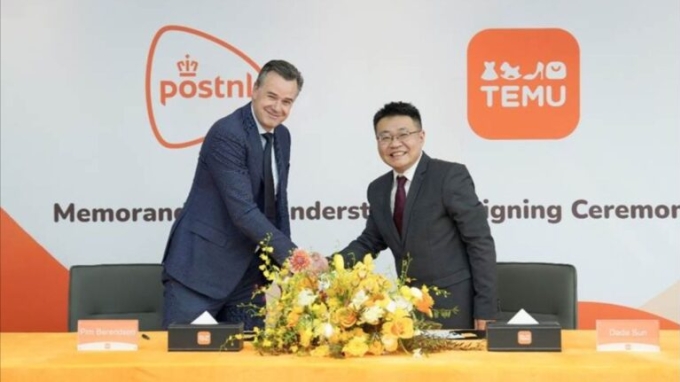
As Temu, a rapidly expanding e-commerce platform, fortifies its logistics capabilities across Europe, it highlights the crucial role of effective logistics in today’s dynamic market. By establishing partnerships with leading logistics service providers, Temu aims to enhance delivery efficiency and product availability, catering to the increasing demand in the European e-commerce landscape. This timely move could significantly impact logistics operations within the industry.
Given that Europe’s e-commerce market is expected to surpass €800 billion by 2024, Temu’s logistics enhancements signal a strategic positioning to capture a substantial market share. This article explores the key trends, challenges, and opportunities in logistics, particularly in the context of Temu’s initiatives.
Table of Contents
- Background and Context
- Key Trends and Data
- Impacts on Logistics Operations
- Practical Lessons for Logistics Professionals
- How Scanwell Logistics Vietnam Can Help
- Conclusion
- FAQ
Understanding Temu’s Strengthening of Logistics in the European Context
Temu’s expansion within Europe’s logistics landscape comes at a time when e-commerce is more critical than ever. The company’s strategic partnerships with logistics service providers form the foundation of its logistics capabilities, aiming to address various challenges that arise from cross-border e-commerce. Effective logistics operations are essential for Temu to ensure timely deliveries while managing the complexities of customs clearance and last-mile delivery.
Recognizing that Europe’s e-commerce market is one of the largest globally, Temu’s proactive approach reflects its commitment to meet the diverse needs of European consumers. By enhancing its logistics, the platform not only aims to boost delivery efficiency but also strives to improve customer satisfaction and product availability, allowing it to compete effectively against established players in the market.
Key Trends and Data Shaping Logistics
The evolving logistics landscape in Europe is influenced by several trends that shape how e-commerce companies operate. The following key points summarize the main trends impacting logistics:
- Increased adoption of technology, such as automation and data analytics, enhances operational efficiency.
- Advanced technologies like real-time tracking and inventory management systems are becoming standard tools for logistics providers.
- The demand for sustainable logistics solutions is rising, with companies exploring greener transport options and eco-friendly packaging materials.
These trends indicate a market shift towards leveraging technology to keep pace with consumer demands. Temu’s proactive approach in strengthening its logistics capabilities aligns perfectly with these trends, paving the way for innovative solutions that can respond to the ever-changing demands of e-commerce.
Operational Impacts on Logistics and Supply Chains
Temu’s expansion of logistics operations will undoubtedly influence various aspects of the supply chain. With improved logistics capabilities, it can:
- Enhance inventory management, ensuring product availability aligns with demand.
- Streamline last-mile delivery, reducing delivery times and costs.
- Optimize supply chain transparency, facilitating better communication and efficiency across partners.
However, Temu must also address several pressing challenges within the European logistics sector, such as rising fuel costs, regional political tensions, and heightened regulations. By facing these challenges head-on, Temu can not only solidify its market presence but also set an industry standard for innovative logistics solutions.
Practical Lessons for Logistics Professionals
As logistics professionals navigate a rapidly evolving landscape, several best practices can emerge from Temu’s initiatives:
- Emphasize flexibility in logistics solutions to adapt quickly to consumer demand changes.
- Invest in technology that enables real-time data analysis to enhance decision-making.
- Explore partnerships with logistics providers to improve operational capabilities and address challenges more effectively.
- Focus on customer service to create positive experiences that distinguish your offerings in a competitive market.
How Scanwell Logistics Vietnam Can Help
As logistics needs evolve, Scanwell Logistics Vietnam is uniquely positioned to support businesses like Temu in enhancing their logistics operations. With our comprehensive suite of services, we help navigate the complexities of supply chain management, ensuring that companies can focus on growth.
- Ocean freight (FCL/LCL on key trade lanes).
- Air freight solutions for time-sensitive cargo.
- Warehousing, distribution, and value-added services.
- Domestic and cross-border trucking.
- Customs brokerage and trade compliance support.
Conclusion
Temu’s ongoing efforts to strengthen its logistics capabilities in Europe symbolize a strategic response to an expanding e-commerce market. As the demand for efficient, reliable logistics grows, the company stands poised to leverage both emerging trends and potential challenges. By focusing on advanced logistics practices, Temu aims to ensure timely deliveries and enhanced customer satisfaction, ultimately setting new standards in the sector.
Call to Action
Ready to turn these logistics insights into real competitive advantages?
Explore Scanwell Logistics Vietnam
Contact our experts for tailored support
FAQ
What specific logistics challenges is Temu addressing in Europe?
Temu is focusing on challenges such as customs clearance, last-mile delivery, and the need for timely deliveries to meet rising consumer demands.
How is technology influencing logistics practices in e-commerce?
Technology is driving efficiencies through automation, route optimization, and real-time tracking, which are essential for modern logistics operations.
What are the potential risks for logistics companies in Europe?
Logistics companies face risks from rising fuel costs, geopolitical tensions, and increased regulatory scrutiny that may affect operational stability.
How can logistics companies enhance their flexibility?
By investing in technology and forming partnerships with logistics providers, companies can develop adaptable solutions that respond to shifting market demands.