
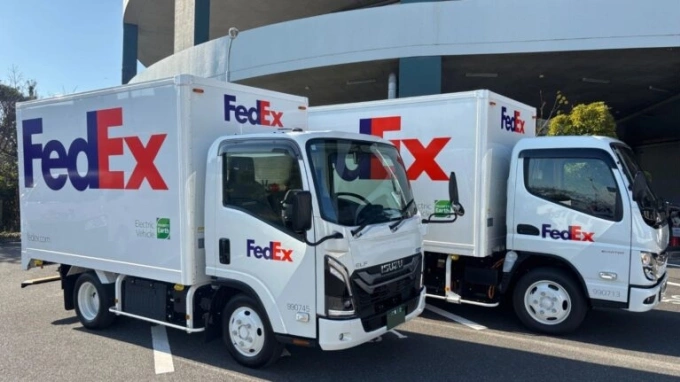
FedEx Expands Electric Truck Fleet in Japan
Estimated reading time: 7 minutes
FedEx has recently made a significant stride towards greener logistics by expanding its electric truck fleet in Japan. This initiative reflects the company’s commitment to sustainability while enhancing its delivery capabilities. As logistics leaders grapple with the increasing demands for environmentally friendly solutions, FedEx’s fleet expansion serves as a notable example of adapting to market needs while also reducing carbon footprints. In the following sections, we will discuss key trends, challenges, and opportunities associated with this pivotal move in the logistics industry.
Table of Contents
- Background and context
- Key trends and data
- Impacts on logistics operations
- Practical lessons
- How Scanwell Logistics Vietnam can help
- Conclusion
- FAQ
Understanding FedEx’s Electric Truck Fleet Expansion
FedEx’s decision to expand its electric truck fleet in Japan is driven by various factors related to urban logistics and environmental stewardship. The introduction of Mitsubishi Fuso eCanter and Isuzu ELF electric vehicles (EVs) forms the backbone of this initiative. These vehicles are tailored for urban parcel delivery, boasting a payload capacity of 1.5 tons, making them well-suited for navigating densely populated areas such as Tokyo and Osaka.
The operational dynamics of urban logistics often face challenges from emissions regulations and traffic congestion. By implementing electric trucks, FedEx not only aligns with regulatory requirements but also meets the growing consumer demand for sustainable logistics solutions. Furthermore, the deployment in major metropolitan areas underscores a strategic focus on areas where eco-friendly practices can yield significant benefits.
Key Trends and Data Shaping Electric Fleet Expansion
The logistics industry is witnessing a profound shift towards sustainable transportation methods, a trend that FedEx is actively participating in through its expansion of electric vehicles. This change mirrors a broader global movement where companies are making substantial investments in electric commercial vehicles, driven by regulatory standards and customer preferences.
- Increasing demand for eco-friendly solutions in urban settings is influencing logistics strategies across the globe.
- Investment in advanced battery technology is essential for improving performance and range of electric trucks, supporting the expansion of their use.
- Reports forecast considerable growth in electric vehicle adoption among logistics providers in response to market needs.
Operational Impacts on Logistics and Supply Chains
The integration of electric trucks into FedEx’s logistics operations marks a transformative moment in how goods are delivered, particularly in urban areas. It raises several operational implications:
- Enhanced delivery efficiency due to the suitability of electric vehicles for short, frequent trips typical in urban logistics.
- Contribution to cleaner air and reduced greenhouse gas emissions, promoting a healthier urban environment.
- Increased investment in charging infrastructure will be necessary, presenting opportunities for collaboration in the development of sustainable energy solutions.
Practical Lessons for Logistics Professionals
FedEx’s electric truck fleet expansion provides valuable lessons for other logistics professionals looking to adopt similar strategies:
- Assess vehicle suitability for urban logistics and consider models that meet both payload and environmental standards.
- Keep abreast of technological advancements in battery technology to ensure optimal vehicle performance and reduce operational costs.
- Engage with local governments and stakeholders to develop charging infrastructure that supports fleet operations.
- Communicate sustainability efforts with customers to enhance brand reputation and foster loyalty.
How Scanwell Logistics Vietnam Can Help
As logistics companies pivot towards sustainable practices, Scanwell Logistics Vietnam offers innovative solutions to support this transition. Our extensive services in ocean freight, air freight, warehousing, and customs brokerage are complemented by cutting-edge technology, enabling greater visibility and efficiency across the supply chain.
- Ocean freight (FCL/LCL on key trade lanes).
- Air freight solutions for time-sensitive cargo.
- Warehousing, distribution and value-added services.
- Domestic and cross-border trucking.
- Customs brokerage and trade compliance support.
Conclusion
FedEx’s expansion of its electric truck fleet in Japan represents a decisive step towards fostering sustainable logistics. This initiative highlights how industry leaders can address environmental challenges while improving operational efficiency. As the logistics landscape continues to evolve, stakeholders must remain vigilant to both risks and opportunities linked to the transition to electric fleets and other sustainable practices.
Call to Action
Ready to turn these logistics insights into real competitive advantages?
Explore Scanwell Logistics Vietnam
Contact our experts for tailored support
FAQ
How does FedEx’s initiative impact urban logistics?
This initiative provides a model for urban logistics, balancing efficiency with environmental responsibility, effectively reducing emissions in densely populated areas.
What are the main challenges of adopting electric trucks?
Major challenges include the need for a robust charging infrastructure, higher upfront costs, and ongoing advancements in battery technology.
How can logistics teams adapt to this trend?
Logistics teams should assess the suitability of electric vehicles for their operations, explore collaboration opportunities for infrastructure, and keep up with technological advancements to maximize benefits.