
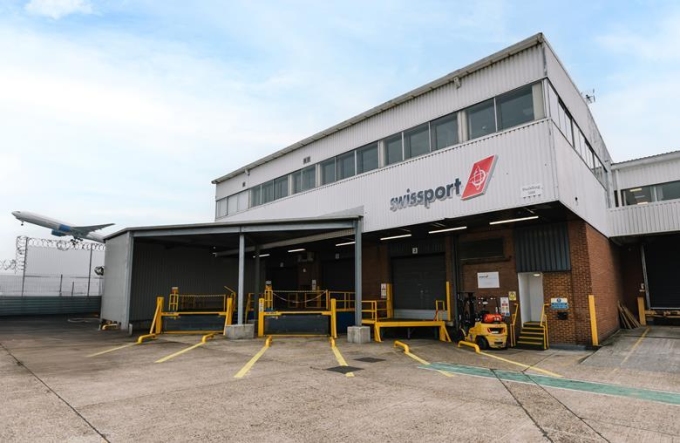
Elevating Air Cargo: Swissport Opens a Fresh Goods Temperature Control Center in Heathrow
Estimated reading time: 10 minutes
The global logistics landscape is continuously evolving, driven by consumer demand, regulatory pressures, and the increasing value of specialized cargo. In a significant move that underscores these trends, Swissport recently announced the opening of a state-of-the-art fresh goods temperature control center at London Heathrow Airport (LHR). This strategic investment is not just about expanding capacity; it represents a forward-thinking response to the intricate demands of the cool-chain logistics segment, setting new benchmarks for efficiency and reliability in air freight.
The decision by Swissport to open a fresh goods temperature control center in Heathrow highlights a critical pivot in air cargo strategy. It addresses the burgeoning need for precision handling of perishable goods, ranging from life-saving pharmaceuticals and sensitive biotechnology products to high-end fresh produce and delicate cut flowers. This development is particularly crucial for businesses operating within or through the UK, offering enhanced capabilities that promise to mitigate risks, improve product integrity, and streamline supply chains in an increasingly complex global trade environment.
Table of Contents
- Understanding the Strategic Move: Why Heathrow Needs This
- Key Features and Operational Excellence of the New Center
- Global Trends Driving Cool-Chain Demand in Air Cargo
- Mitigating Risks and Enhancing Supply Chain Reliability
- Strategic Implications for Swissport and the Broader Logistics Industry
- Practical Lessons for Logistics Professionals
- How Scanwell Logistics Vietnam Can Help
- Conclusion
- Call to Action
- FAQ
Understanding the Strategic Move: Why Heathrow Needs This
London Heathrow Airport (LHR) stands as one of the world’s busiest air cargo gateways, a critical junction for international trade. The sheer volume and diversity of cargo passing through its terminals necessitate robust and specialized infrastructure. The opening of a fresh goods temperature control center by Swissport at Heathrow is a direct response to the increasing complexity and elevated value of air freight cargo that standard general cargo terminals are ill-equipped to handle. This investment underscores a clear understanding of market dynamics and future needs.
The cool-chain segment, which the new facility targets, is particularly sensitive. It encompasses pharmaceuticals, high-end fresh produce, and delicate cut flowers—products where temperature control is not merely a preference but a mandate for maintaining efficacy, quality, and consumer safety. The logistics industry has witnessed a significant trend towards stricter regulatory requirements, especially for pharmaceuticals, which must comply with rigorous Good Distribution Practice (GDP) guidelines. A facility purpose-built for stringent temperature control, operating 24/7, signifies a commitment to meeting these evolving demands and securing the integrity of highly sensitive shipments throughout their transit through LHR.
Key Features and Operational Excellence of the New Center
The new Swissport facility is a testament to sophisticated logistics engineering, designed to offer unparalleled service in temperature-controlled cargo handling. Its specifications highlight a strategic approach to managing high volumes of sensitive goods efficiently and reliably.
- Expansive Footprint: Spanning approximately 2,694 square meters, the center provides a substantial, dedicated area for the handling, storage, and processing of sensitive air freight. This considerable size allows for optimized workflows and reduces the potential for delays and manual handling errors.
- Impressive Capacity: Engineered to handle up to 30,000 tonnes of perishable goods annually, this facility directly addresses the growing demand for rapid, compliant, and secure temperature-controlled logistics services. This capacity is vital for maintaining the flow of critical goods through a major international hub.
- 24/7 Operation: Recognizing that air cargo logistics is a non-stop business, the center operates continuously, ensuring that temperature excursions are minimized, particularly during critical transfer and terminal dwell times. This round-the-clock availability is essential for time-sensitive cargo.
- Dedicated Temperature-Controlled Handling Areas: The facility boasts multiple segregated climate zones. These likely include chilled (+2°C to +8°C) storage vital for many pharmaceuticals and foods, ambient (+15°C to +25°C) zones, and potentially even frozen areas. This multi-zone capability prevents cross-contamination and ensures each product receives its specific environmental conditions, crucial for product efficacy and safety.
This meticulous design and robust operational model signify a commitment to precision logistics. By incorporating dedicated handling areas purpose-built for rapid transfer, the facility significantly mitigates the risk of thermal shock and spoilage, which are common challenges during adverse weather conditions at LHR or during the transition between aircraft and storage.
Global Trends Driving Cool-Chain Demand in Air Cargo
The investment in Swissport’s fresh goods temperature control center at Heathrow is not an isolated event; it is a direct response to several overarching global trends that are reshaping air cargo logistics. These trends demonstrate why specialized infrastructure for temperature-sensitive goods is becoming indispensable.
- Rising Consumer Demand for Fresh Produce: Across the globe, consumers are increasingly seeking exotic and out-of-season fresh produce, often sourced from distant international markets. This demand necessitates fast, reliable air freight solutions capable of preserving freshness from farm to table, making temperature-controlled facilities crucial.
- Growth in Pharmaceutical and Biotechnology Sectors: The pharmaceutical and biotechnology industries are experiencing rapid growth, producing an increasing volume of high-value, life-saving medicines, vaccines, and biologics. These products are often extremely sensitive to temperature fluctuations, and even minor deviations can render entire shipments worthless. Air freight is the preferred mode for these critical shipments due to speed and security.
- Increased Global Trade in High-Value Goods: Beyond food and pharma, there’s a general upward trend in the trade of high-value, delicate goods that require specific environmental conditions. This includes everything from high-tech components to luxury items, all benefiting from a reliable cool chain.
The 30,000-tonne annual capacity of the new center directly addresses the forecasted growth in these high-value, temperature-sensitive trade volumes flowing through the UK. By providing a robust and compliant hub, Swissport is positioning itself, and by extension, Heathrow, to capture a significant share of this expanding market segment.
Mitigating Risks and Enhancing Supply Chain Reliability
Managing perishable cargo comes with a unique set of risks and challenges. The new Swissport center is meticulously designed to address these, thereby enhancing the predictability and reliability of the overall logistics chain for shippers and freight forwarders.
- Minimizing “Belly-to-Belly” Time: A primary challenge in air cargo logistics is the “belly-to-belly” time – the critical period between an aircraft landing and the cargo being moved into a climate-controlled environment. This interval is when thermal shock and spoilage are most likely. The dedicated handling areas and rapid transfer protocols at the new facility significantly shorten this vulnerable period, especially crucial during extreme weather conditions at Heathrow.
- Preventing Thermal Excursions: With 24/7 operations and dedicated temperature zones, the risk of temperature fluctuations that could compromise product integrity is drastically reduced. This continuous cold chain is paramount for products where even minor deviations can lead to significant financial losses or endanger public health.
- Navigating Regulatory Complexities: The logistics sector, particularly in the UK post-Brexit, faces ongoing regulatory complexities related to customs and border controls. A modern, compliant facility like Swissport’s fresh goods center offers a technical solution. By ensuring cargo integrity is maintained even during prolonged inspections or documentation processes, it mitigates the risk of rejection or spoilage due to border delays, which is a significant concern for international trade.
- Optimized Workflow and Damage Reduction: The sheer scale of the 2,694 square meter center allows for optimized workflow, reducing the manual handling that can often lead to delays, errors, and potential physical damage to sensitive goods. This streamlined process contributes to overall supply chain efficiency.
For air freight forwarders and shippers, the availability of such a dedicated facility at LHR means enhanced predictability. They can now rely on an end-to-end temperature-controlled environment within the airport perimeter, a vital component for effective supply chain planning and execution, especially for time-critical shipments.
Strategic Implications for Swissport and the Broader Logistics Industry
The opening of the fresh goods temperature control center by Swissport at Heathrow carries significant strategic implications, not only for Swissport itself but also for the wider logistics industry and the UK’s position in global trade.
- Competitive Differentiation: In a highly competitive hub like LHR, this state-of-the-art infrastructure allows Swissport to differentiate its service offering significantly. By providing specialized capabilities that many other handlers may lack, Swissport can attract higher-value, more complex cargo streams, thereby shifting its business mix away from standard general cargo.
- Access to Higher-Margin Cargo: The commitment to meeting “stringent requirements”—especially GDP guidelines for pharmaceuticals—enables the facility to be highly competitive for lucrative pharmaceutical contracts. This solidifies Swissport’s reputation as a reliable cool-chain partner and opens doors to more profitable cargo segments.
- Strengthening UK’s Trade Hub Status: This investment supports the UK’s strategic position as a vital trade hub. It offers shippers across Europe and North America a high-quality gateway for their sensitive exports and imports, reinforcing confidence in LHR as a reliable partner for critical supply chains.
- Setting New Industry Standards: The purpose-built design, 24/7 operation, and blend of scale and specialization set a new standard for perishable cargo handling at Heathrow. This elevates expectations across the industry and prompts other players to invest in similar advanced infrastructure to remain competitive.
The long-term forecast for this type of logistics infrastructure is overwhelmingly positive. As global temperatures fluctuate, climate change impacts supply chains, and international trade becomes more extended and intricate, the demand for robust, specialized temperature-controlled facilities will only escalate. This center is not just a building; it is a critical piece of the complex global cool chain, designed to manage risks, meet increasing customer demands, and capitalize on the upward trend in temperature-sensitive trade, positioning both Swissport and LHR favorably for future growth.
Practical Lessons for Logistics Professionals
The strategic investment by Swissport at Heathrow offers valuable insights for logistics professionals worldwide. Adapting to the evolving demands of specialized cargo and complex global supply chains is paramount for success.
- Prioritize Specialized Infrastructure: For sensitive and high-value cargo, generic facilities are no longer sufficient. Businesses must seek partners and routes that offer dedicated, purpose-built infrastructure capable of maintaining strict environmental controls throughout the entire logistics chain.
- Embrace Partner Collaboration: The complexity of cool-chain logistics often requires seamless collaboration between shippers, freight forwarders, airlines, and ground handlers. Choosing partners with proven expertise and invested infrastructure, like Swissport’s new center, is crucial for mitigating risks and ensuring compliance.
- Focus on Process Optimization: Minimize touchpoints and transfer times (like “belly-to-belly” time) for temperature-sensitive cargo. Optimized workflows and 24/7 operational capabilities are critical for reducing dwell times and the risk of thermal excursions.
- Demand Enhanced Visibility and Monitoring: In a sensitive supply chain, visibility is non-negotiable. Professionals should seek logistics solutions that provide continuous monitoring and real-time data on temperature, humidity, and location to ensure cargo integrity and enable proactive interventions.
- Stay Ahead of Regulatory Compliance: Especially for pharmaceuticals, adherence to Good Distribution Practice (GDP) and other international standards is mandatory. Working with facilities and partners that are fully compliant and regularly audited is essential to avoid costly penalties and product rejections.
How Scanwell Logistics Vietnam Can Help
The insights gained from Swissport’s strategic investment at Heathrow resonate strongly with the sophisticated demands of modern supply chains, particularly for businesses in Vietnam navigating international trade. Scanwell Logistics Vietnam understands the critical importance of secure, compliant, and efficient logistics solutions for all types of cargo, including temperature-sensitive goods. Our extensive experience and global network allow us to provide tailored services that meet stringent industry standards and client expectations.
While we may not operate a dedicated fresh goods temperature control center at Heathrow, our commitment to cool-chain integrity and precision logistics is unwavering. We leverage our network of trusted partners and state-of-the-art facilities across the globe to ensure your temperature-sensitive shipments maintain their integrity from origin to destination. From expert route planning for air freight to specialized warehousing and customs brokerage, Scanwell Logistics Vietnam is equipped to handle your most challenging logistics requirements.
- Ocean freight (FCL/LCL) on key trade lanes, offering refrigerated container options for temperature-controlled sea shipments.
- Air freight solutions for time-sensitive and high-value cargo, including cool-chain services with carefully selected airline partners and ground handlers globally.
- Warehousing, distribution, and value-added services, including options for temperature-controlled storage and cross-docking where available within our network.
- Domestic and cross-border trucking, utilizing specialized vehicles for maintaining cargo integrity during inland transit.
- Customs brokerage and trade compliance support, ensuring smooth, rapid clearance for perishable goods, minimizing dwell times and regulatory risks.
- Technology-enabled visibility, providing real-time tracking and monitoring for peace of mind across your supply chain.
Conclusion
The opening of Swissport’s fresh goods temperature control center in Heathrow is more than just a new facility; it’s a powerful indicator of the future direction of air cargo logistics. It highlights the growing demand for specialized cool-chain solutions, driven by consumer expectations for fresh produce and the critical needs of the pharmaceutical sector. This investment underscores the necessity for robust, compliant, and technologically advanced infrastructure to manage high-value, temperature-sensitive cargo effectively.
For businesses engaged in international trade, particularly those dealing with perishables or sensitive medical supplies, the lessons are clear: investing in reliable, specialized logistics partners is no longer optional but essential for competitive advantage and risk mitigation. The ability to maintain product integrity throughout the entire supply chain, from origin to destination, is paramount in today’s globalized and increasingly complex market.
As global supply chains become longer and more intricate, and as regulatory landscapes continue to evolve, facilities like the one at Heathrow will play an increasingly vital role. They set new standards for efficiency, reliability, and compliance, ensuring that critical goods reach their destinations safely and effectively, ultimately safeguarding consumer health and business profitability.
Call to Action
Ready to turn these logistics insights into real competitive advantages?
Explore Scanwell Logistics Vietnam
Contact our experts for tailored support
FAQ
Why is a dedicated fresh goods temperature control center important at Heathrow?
Heathrow is a major global air cargo hub. A dedicated temperature control center is crucial because it addresses the increasing volume and complexity of high-value, temperature-sensitive cargo like pharmaceuticals and fresh produce. It minimizes risks of spoilage and thermal shock, ensuring product integrity and compliance with strict regulatory requirements, such as GDP for pharmaceuticals.
What types of goods benefit most from such a facility?
Goods that benefit most include pharmaceuticals, vaccines, biotechnology products, high-end fresh produce (fruits, vegetables), cut flowers, and other delicate, perishable items where maintaining a continuous cold chain is essential for quality, efficacy, or safety. These products are highly susceptible to temperature fluctuations during transit.
How does this center mitigate common risks in perishable cargo logistics?
The center mitigates risks by:
- Minimizing “belly-to-belly” time – the critical period between aircraft landing and transfer to controlled storage.
- Providing multiple dedicated temperature zones (+2°C to +8°C, +15°C to +25°C, potentially frozen) to prevent thermal excursions.
- Operating 24/7 to ensure continuous cold chain integrity.
- Optimizing workflow in a large, dedicated space to reduce manual handling and potential damage.
- Aiding compliance with strict regulatory requirements, especially for pharmaceuticals.
What are the long-term implications for the logistics industry?
In the long term, such specialized facilities set new standards for temperature-controlled logistics, driving other players to invest in similar infrastructure. They enhance the reliability and predictability of global supply chains for sensitive cargo, supporting major trade hubs like Heathrow. This trend positions the industry to better manage increasing volumes of high-value, temperature-sensitive trade, even amidst environmental changes and growing regulatory complexities.
How can businesses ensure their temperature-sensitive cargo is handled effectively?
Businesses should partner with experienced logistics providers like Scanwell Logistics Vietnam who offer comprehensive cool-chain solutions. This includes selecting partners with access to specialized air freight services, temperature-controlled warehousing, robust tracking capabilities, and expertise in customs brokerage for sensitive goods. An experienced partner can ensure compliance, minimize risks, and optimize routes for critical shipments, leveraging a global network to meet specific temperature requirements.