Decoding the Impact: Echo Global Acquires ITS Logistics Business from GHK
Estimated reading time: 10 minutes
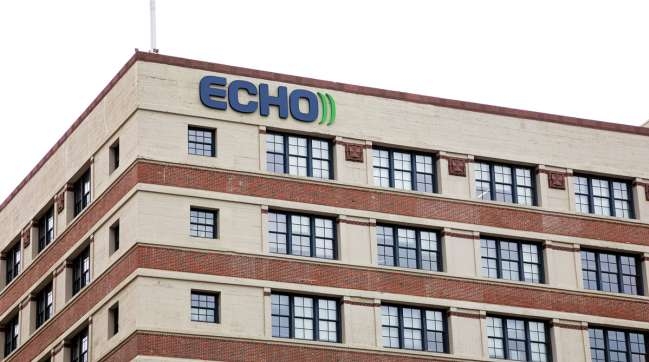
The landscape of third-party logistics (3PL) is in constant flux, shaped by strategic maneuvers, technological advancements, and evolving customer demands. A significant recent development that underscores this dynamic environment is the acquisition of the logistics business unit of GHK Capital Partners, known as ITS Logistics, by Echo Global Logistics. This transaction is more than just a corporate deal; it’s a strategic move designed to significantly bolster Echo’s service capabilities, expand its geographic reach, and strengthen its technological backbone, solidifying its standing as a major force in North American supply chain management.
This acquisition reflects a broader industry trend of consolidation, driven by shippers’ increasing preference for comprehensive, single-source logistics partners. For businesses navigating complex global supply chains, understanding such pivotal acquisitions like Echo Global acquires ITS logistics business from GHK is crucial. It signals shifts in market power, service offerings, and the strategic direction major players are taking to meet the demands of a volatile yet opportunity-rich logistics sector. This article will delve into the details of this acquisition, its strategic rationale, the broader market implications, and what it means for logistics professionals and their operations.
Table of Contents
- Understanding the Acquisition: Echo Global and ITS Logistics
- Strategic Synergies and Enhanced Capabilities
- Market Trends, Numbers, and Forecasts Driving Consolidation
- Navigating Risks and Challenges Post-Acquisition
- Practical Lessons for Logistics Professionals
- How Scanwell Logistics Vietnam Can Help
- Conclusion
- Call to Action
- FAQ
Understanding the Acquisition: Echo Global and ITS Logistics
The acquisition of the logistics business unit of GHK Capital Partners, specifically the division known as ITS Logistics, by Echo Global Logistics represents a pivotal moment in the ongoing consolidation within the 3PL industry. This strategic transaction is designed to significantly enhance Echo’s operational footprint and service diversity. At its core, the deal involved Echo Global Logistics taking over the non-asset-based logistics division that GHK Capital Partners previously owned. This particular unit, operating under the ITS Logistics brand, was renowned for its highly specialized and high-touch supply chain services.
While the precise financial details of the acquisition were not publicly disclosed, the strategic value is immediately apparent in the substantial expansion of Echo’s operational density and service portfolio. A key aspect of this expansion is ITS’s strong presence in critical Western US markets, which directly complements Echo’s existing network. The acquired business unit brings with it a proven track record across various transportation modes, perfectly aligning with and strengthening Echo’s established expertise in technology-enabled freight brokerage. This move signals Echo’s intent to broaden its capabilities beyond traditional brokerage, moving towards a more comprehensive supply chain service provider model.
The strategic implications of this transaction extend beyond mere market share. By integrating ITS Logistics’ specialized offerings, Echo aims to create a more robust and versatile logistics platform. This allows the combined entity to offer a broader spectrum of services, from complex intermodal solutions to dedicated contract services, thereby catering to a wider range of shipper requirements and reinforcing its competitive edge in a demanding market. The deal underscores a calculated step towards vertical and horizontal integration within the vast and complex logistics ecosystem.
Strategic Synergies and Enhanced Capabilities
The primary driver behind this acquisition was the profound synergistic benefits expected from integrating ITS’s distinct operational strengths into Echo’s expansive national network. ITS Logistics brought a wealth of specialized expertise, particularly in areas such as intermodal freight, truckload brokerage, and dedicated contract services. These capabilities immediately broaden Echo’s capacity, enabling the combined entity to offer truly end-to-end supply chain solutions. This enhanced service offering allows them to effectively address the needs of shippers who require comprehensive logistics management that goes beyond standard transactional brokerage, demanding more integrated and complex solutions.
A critical element of this deal is the access Echo gains to new and deeply established relationships with thousands of carriers. This is particularly valuable concerning carriers operating in specialized lanes and high-demand regions, where capacity can be scarce and relationships are paramount. In the current volatile freight market, maintaining strong carrier ties is not just an advantage; it’s a necessity. This increased flexibility and procurement power will enable Echo to secure better rates and more reliable service, ultimately benefiting its diverse client base. The integration of ITS’s robust operational processes, meticulously honed through years of dedicated service for high-volume customers, is also expected to significantly elevate the overall service quality across the entire Echo platform, setting new benchmarks for operational excellence.
Technological Integration: A Cornerstone of Growth
Technological integration stands as another fundamental pillar of the strategic rationale underpinning this acquisition. Echo Global Logistics is widely recognized for its proprietary Transportation Management System (TMS), a cutting-edge platform that drives efficiency and visibility. However, the acquired ITS unit brings to the table its own specialized technology, specifically designed for optimizing complex routing and dedicated capacity scheduling.
- **Complementary Platforms:** Integrating these complementary technological platforms is expected to create a more sophisticated and powerful technology stack. This enhanced infrastructure will be capable of handling substantially higher freight volumes and providing more granular visibility and comprehensive reporting capabilities.
- **Data-Driven Decisions:** Such advanced capabilities are essential for meeting the demands of modern supply chains, where transparency, real-time data, and predictive analytics are critical for informed decision-making and operational resilience. The combined technological prowess positions Echo as a leader in tech-enabled logistics solutions.
Market Trends, Numbers, and Forecasts Driving Consolidation
The acquisition of ITS Logistics by Echo Global Logistics is a clear reflection of a persistent and intensifying trend toward consolidation within the highly fragmented 3PL industry. Shippers today are increasingly expressing a preference for partnering with fewer, larger logistics providers that can offer truly single-source solutions for all their transportation and supply chain needs. This demand spans the entire logistics spectrum, from nuanced last-mile delivery services to complex international freight forwarding operations. Companies like Echo are actively responding to this market imperative by pursuing strategic growth through mergers and acquisitions (M&A) to achieve the necessary scale and breadth of services.
Prior to this acquisition, the ITS logistics division under GHK was known to generate a significant annualized revenue stream, though specific recent figures were often proprietary. The newly combined operation is now projected to handle millions of shipments annually, which will substantially increase Echo’s gross revenue and expand its total addressable market. Market forecasts consistently suggest that 3PL services, particularly those that effectively leverage advanced technology for enhanced efficiency and robust cost control, are poised to continue outpacing general economic growth. This surge is primarily driven by the relentless expansion of e-commerce and the urgent, ongoing need for more resilient and adaptive global supply chains. This strategic acquisition perfectly positions Echo to capitalize on these powerful secular growth trends, ensuring its relevance and growth in the years to come.
The Growing Importance of Intermodal Capabilities
A particularly noteworthy aspect of this acquisition is its focus on enhancing intermodal capabilities. As businesses across various sectors actively seek more cost-effective and environmentally friendly alternatives to solely relying on over-the-road trucking, especially for long-haul movements, intermodal transportation has emerged as a critical solution. Intermodal involves the seamless use of multiple transportation modes, typically rail and truck, to move freight from origin to destination. The augmented intermodal expertise that Echo has gained from the ITS business is not just an added service; it is forecasted to be a key driver of future margin growth for the company, offering a competitive advantage in a market increasingly valuing multimodal flexibility.
- **Cost Efficiency:** Intermodal solutions often present significant cost savings compared to long-haul trucking, particularly for dense, non-time-critical shipments.
- **Sustainability:** Rail transport, a core component of intermodal, is generally more fuel-efficient and produces fewer emissions per ton-mile than trucking, aligning with growing corporate sustainability goals.
- **Network Resilience:** Diversifying transportation modes enhances supply chain resilience, reducing reliance on single modes and mitigating risks associated with driver shortages or road congestion.
Navigating Risks and Challenges Post-Acquisition
While the acquisition presents substantial opportunities for Echo Global Logistics, it is also accompanied by several inherent risks and challenges that must be meticulously managed to ensure the deal achieves its full strategic potential. The successful integration of two distinct entities is rarely straightforward and requires careful planning and execution.
Integration Complexities
The most immediate and significant challenge lies in integration risk. Merging two distinct corporate cultures, harmonizing disparate operational procedures, and unifying varied technology platforms is an inherently complex and often time-consuming endeavor. A failure to execute a smooth and thoughtful integration can lead to undesirable outcomes such as service disruptions for customers, potential customer churn as clients seek stability elsewhere, and even employee attrition if cultural differences are not addressed effectively. Maintaining absolute service consistency for existing ITS customers while simultaneously migrating them onto the broader Echo system requires meticulous project management, transparent communication, and dedicated resources to ensure a seamless transition.
Financial Considerations
Financial risks also loom large, primarily revolving around the potential for unforeseen integration costs that can escalate quickly. Furthermore, there is a critical need to swiftly and effectively realize the expected synergies from the acquisition, both in terms of revenue growth and cost savings from combining operations. If these projected benefits do not materialize as planned or are delayed, the anticipated return on investment for the acquisition could be significantly jeopardized, impacting shareholder value and future strategic flexibility.
Competitive Landscape
Moreover, the North American freight market remains intensely competitive. The combined entity will continue to face robust competition from other major 3PLs that are also aggressively expanding their service portfolios and investing heavily in technology. In this dynamic environment, maintaining a differential advantage based on consistently superior service quality and cutting-edge technology will be absolutely paramount. This is essential not only for retaining existing high-volume shippers but also for attracting new clients who are constantly seeking optimized, reliable, and technologically advanced logistics solutions. The ability to innovate and adapt will be key to long-term success.
Practical Lessons for Logistics Professionals
The acquisition of ITS Logistics by Echo Global Logistics offers several critical insights for logistics and supply chain professionals, regardless of their direct involvement with these specific companies. Understanding these broader implications can help businesses adapt and thrive in an ever-evolving market.
- **Embrace Scalability and Breadth of Service:** Shippers increasingly value 3PL partners who can offer comprehensive, end-to-end solutions. Focus on developing or partnering with providers that offer a wide array of services, from truckload and LTL to intermodal and dedicated contracts, to achieve single-source efficiency.
- **Prioritize Technology Integration and Visibility:** A robust technology stack, encompassing advanced TMS capabilities and specialized optimization tools, is no longer a luxury but a necessity. Invest in or leverage partners with technologies that offer granular visibility, real-time data, and reporting to enhance decision-making and transparency.
- **Cultivate Strong Carrier Relationships:** In a volatile freight market, strong, diversified carrier relationships are crucial for securing capacity and competitive rates. Work with 3PLs that have extensive, well-established carrier networks, especially in specialized lanes and high-demand regions.
- **Explore Intermodal for Cost Efficiency and Resilience:** Given rising transportation costs and sustainability goals, proactively explore intermodal solutions for suitable freight. This multi-modal approach can offer significant cost savings and enhance supply chain resilience by diversifying transport options.
- **Focus on Operational Excellence and Customer Service:** Acquisitions highlight the importance of seamless integration and maintaining high service quality. As a shipper, demand consistent service and clear communication from your logistics partners, especially during periods of change or growth.
- **Adapt to Industry Consolidation:** Be prepared for a logistics market dominated by larger, more integrated players. This can lead to more standardized services but also opportunities for economies of scale and advanced technological offerings. Assess how these larger entities fit into your supply chain strategy.
How Scanwell Logistics Vietnam Can Help
In an environment shaped by significant industry consolidations like when Echo Global acquires ITS logistics business from GHK, the need for agile, reliable, and technologically advanced logistics partners becomes paramount. Scanwell Logistics Vietnam is ideally positioned to support businesses through these evolving market dynamics, offering comprehensive solutions that ensure your supply chain remains robust, efficient, and competitive. Our expertise spans across a wide range of services, designed to provide the stability and foresight needed in today’s complex global trade landscape.
We understand that navigating global supply chain complexities requires more than just moving goods; it demands strategic partnership, transparent communication, and innovative solutions. Scanwell Logistics Vietnam focuses on leveraging our extensive network and deep industry knowledge to optimize your logistics operations, whether you’re dealing with international freight, domestic distribution, or intricate customs requirements. By partnering with us, you gain a dedicated team committed to delivering tailored strategies that mitigate risks and unlock new efficiencies for your business.
Our commitment to excellence and continuous improvement ensures that our clients benefit from industry best practices and cutting-edge solutions. We pride ourselves on offering the personalized attention of a local expert combined with the global reach and capabilities of an international logistics leader, helping you to confidently manage your supply chain in a world of ever-changing market conditions.
- **Ocean freight (FCL/LCL):** Comprehensive solutions across key trade lanes, ensuring cost-effective and reliable sea transport for your cargo.
- **Air freight solutions:** Fast and efficient air cargo services for time-sensitive shipments, connecting Vietnam to global destinations.
- **Warehousing & Distribution:** Strategic warehousing, inventory management, and value-added services to optimize your distribution network.
- **Domestic & Cross-Border Trucking:** Reliable road transport services within Vietnam and across borders, ensuring seamless last-mile and regional delivery.
- **Customs Brokerage & Trade Compliance:** Expert handling of customs procedures, documentation, and regulatory compliance to facilitate smooth cross-border movements.
- **Visibility & Tracking:** Advanced systems providing real-time tracking and comprehensive visibility across your entire supply chain.
Conclusion
The acquisition of ITS Logistics by Echo Global Logistics is more than just a headline; it is a clear indicator of the transformative forces at play within the third-party logistics sector. This strategic move highlights the increasing pressure on 3PLs to offer comprehensive, integrated, and technologically advanced solutions to meet the evolving demands of shippers. By enhancing its intermodal, truckload, and dedicated contract service capabilities, alongside bolstering its technological infrastructure, Echo aims to solidify its position as a dominant, single-source logistics partner.
For logistics leaders and supply chain managers, this transaction underscores several key takeaways. The market is consolidating, favoring larger entities that can provide scale, breadth of service, and robust technology. Businesses must therefore prioritize partners who can offer resilience, transparency, and efficiency. While opportunities abound in cross-selling and procurement advantages for the acquiring entity, challenges related to integration, financial realization, and sustained competitiveness remain critical.
Ultimately, the ongoing evolution of the logistics industry, exemplified by moves like when Echo Global acquires ITS logistics business from GHK, demands continuous adaptation and strategic foresight. Companies that invest in flexible, technologically-driven supply chain management, and forge strong partnerships with capable logistics providers like Scanwell Logistics Vietnam, will be best positioned to navigate future disruptions and capitalize on the significant growth opportunities in a rapidly changing global economy.
Call to Action
Ready to turn these logistics insights into real competitive advantages?
Explore Scanwell Logistics Vietnam
Contact our experts for tailored support
FAQ
What was the core business acquired by Echo Global Logistics?
Echo Global Logistics acquired the non-asset-based logistics business unit known as ITS Logistics, which was previously owned by GHK Capital Partners. This unit specialized in complex, high-touch supply chain services including intermodal freight, truckload brokerage, and dedicated contract services.
Why is the Echo Global acquires ITS logistics business from GHK deal significant for the 3PL industry?
This acquisition is significant as it reflects a major trend of consolidation within the fragmented 3PL industry. It allows Echo to expand its service capabilities, geographic footprint (especially in the Western US), and technological infrastructure, aiming to provide more comprehensive, single-source solutions for shippers who increasingly prefer fewer, larger logistics partners.
What are the main benefits for Echo Global Logistics from this acquisition?
Echo benefits from enhanced capabilities in intermodal freight, truckload brokerage, and dedicated contract services. It gains access to new carrier relationships, improved operational processes, and specialized technology, all of which contribute to a more sophisticated service offering, increased procurement power, and greater market penetration, particularly in high-demand regions.
What challenges does Echo Global Logistics face after acquiring ITS Logistics?
Key challenges include integration risks related to merging corporate cultures, operational procedures, and technology platforms. There are also financial risks such as unforeseen integration costs and the need to quickly realize projected synergies. Furthermore, the combined entity must navigate intense competition in the North American freight market to maintain its differential advantage.
How can businesses adapt to such consolidation trends in the logistics sector?
Businesses should prioritize logistics partners that offer scalable, comprehensive, and technologically advanced solutions. Embracing strategies like intermodal transport for cost and resilience, cultivating strong carrier relationships, and demanding high visibility and operational excellence from their 3PLs are crucial. Partnering with experienced logistics providers like Scanwell Logistics Vietnam can provide the necessary expertise and infrastructure to navigate these market changes effectively.