Great Bear Renews its Transportation Contract with Weetabix: A Blueprint for Enduring FMCG Logistics Partnerships
Estimated reading time: 10 minutes
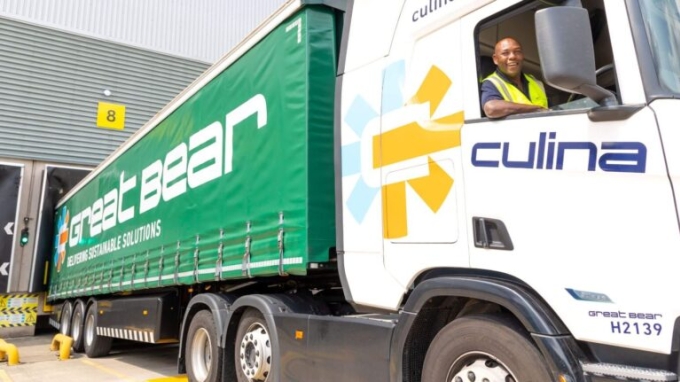
In the dynamic world of supply chain management, contract renewals often offer more than just news; they provide a crucial lens into the strategic priorities, challenges, and opportunities shaping the industry. The recent announcement that Great Bear renews its transportation contract with Weetabix for a further three years, extending through 2028, is one such pivotal event. This long-standing partnership between a prominent third-party logistics (3PL) provider and the UK’s leading cereal brand underscores the critical importance of reliability, continuity, and adaptability in the Fast-Moving Consumer Goods (FMCG) sector.
This renewal is not merely a testament to a successful relationship; it reflects deeper trends influencing logistics operations globally, including the pressing need for digital transformation, sustainable practices, and resilient supply chains. For businesses, supply chain managers, and HR leaders in Vietnam and beyond, this case study from the UK offers valuable insights into how stable, long-term logistics partnerships can navigate an increasingly complex operational landscape while maintaining service excellence and driving efficiency. Let’s delve into the context, trends, challenges, and opportunities illuminated by this significant contract extension.
Table of Contents
- Understanding the Great Bear-Weetabix Renewal
- Key Trends Shaping UK FMCG Logistics
- Challenges and Risks in the Current Logistics Environment
- Opportunities for Future Growth and Optimization
- Practical Lessons for Logistics Professionals
- How Scanwell Logistics Vietnam Can Help
- Conclusion
- Call to Action
- FAQ
Understanding the Great Bear-Weetabix Renewal: A Foundation of Stability
The decision by Weetabix to extend its transportation contract with Great Bear for another three years, solidifying their partnership until 2028, is a significant event within the UK’s food supply chain. Great Bear, a key player in third-party logistics, will continue to manage Weetabix’s nationwide transport services. This demonstrates the profound importance of operational stability and proven performance in the demanding Fast-Moving Consumer Goods (FMCG) market.
The core of this renewed contract involves Great Bear overseeing the entire distribution network for Weetabix, primarily originating from its main manufacturing facility in Burton Latimer. This requires intricate planning and execution for moving high-volume, time-sensitive products like breakfast cereals across the entire United Kingdom. FMCG products necessitate stringent logistics requirements: precise scheduling, exceptional On-Time In-Full (OTIF) delivery performance, and the capacity to manage substantial volumes under frequently fluctuating market conditions. Weetabix’s confidence in Great Bear’s consistent ability to meet these high operational benchmarks is clearly reflected in this extension.
A multi-year contract, particularly one extending for three years through 2028, offers critical stability for both the logistics provider and the manufacturer. For Great Bear, this long-term commitment enables strategic capital investment, notably in fleet renewal and the integration of advanced logistics technologies. Such investments are vital for maintaining service excellence and competitiveness. For Weetabix, this continuity guarantees stable supply chain costs and significantly reduces the risks associated with transitioning providers or engaging in frequent renegotiations, thereby ensuring their products consistently reach retail shelves. This strategic alliance exemplifies how well-executed, enduring partnerships form the backbone of efficient national transport services.
Key Trends Shaping UK FMCG Logistics and Beyond
The context of the Great Bear-Weetabix contract renewal exists within a logistics landscape that is undergoing rapid and profound transformation. Several overarching trends, driven by economic pressures, technological advancements, and evolving societal mandates, are dictating how 3PLs must operate in the coming years. These trends are not unique to the UK but resonate across global supply chains, including those in Vietnam.
Digital Transformation and Enhanced Efficiency
- AI and Machine Learning for Predictive Analytics: The acceleration of digitalization is perhaps the most defining trend. Logistics providers are increasingly harnessing artificial intelligence (AI) and machine learning (ML) to perform predictive analytics. This capability allows for more accurate demand forecasting, proactive identification of potential disruptions, and optimized resource allocation, ensuring that nationwide transport services are not only efficient but also adaptive.
- Sophisticated Route Optimization and Real-time Fleet Management: Advanced algorithms are critical for route optimization, minimizing empty running mileage, reducing fuel consumption, and decreasing carbon emissions. Real-time fleet management, supported by GPS and telematics, provides comprehensive visibility over vehicle locations, driver performance, and delivery statuses, enabling immediate adjustments to unforeseen challenges.
- Robust Transport Management Systems (TMS): The adoption of sophisticated Transport Management Systems (TMS) is fundamental for transparent tracking, streamlined communication, and automated data capture. These systems are indispensable for meeting the high customer service expectations of extensive retail networks and for driving paperless operations that enhance overall service speed and accuracy.
Sustainability and the Rise of Green Logistics
- ESG Criteria and Carbon Reduction Targets: Environmental, Social, and Governance (ESG) criteria are no longer optional but critical drivers for logistics operations. There’s a strong, undeniable shift toward Green Logistics, propelled by strict regulatory targets for carbon reduction and growing consumer demand for environmentally responsible supply chains.
- Transition to Alternative Fuels: For contracts extending to 2028, logistics providers like Great Bear must demonstrate concrete sustainability measures. This includes transitioning to alternative fuels such as Hydrotreated Vegetable Oil (HVO) or exploring the initial adoption of electric or hydrogen-powered Heavy Goods Vehicles (HGVs).
- Efficiency as an Environmental Initiative: Route optimization is not solely a cost-saving tactic but a core environmental initiative, directly linking operational efficiency with significantly reduced carbon emissions. Sustainability is rapidly evolving from a compliance requirement into a distinct competitive advantage.
Supply Chain Resilience as a Non-Negotiable Priority
- Beyond Lean: Prioritizing Flexibility and Redundancy: Following years of unprecedented disruption—from Brexit’s complexities to the global pandemic and various geopolitical tensions—supply chain resilience has transitioned from a buzzword to a fundamental operational necessity. Logistics strategies are consciously moving away from purely lean, cost-focused models towards those that prioritize flexibility, redundancy, and robust risk mitigation.
- Robust Network Design for Unexpected Events: For national distributors, building resilience means ensuring that the logistics network is robust enough to absorb and adapt to unexpected events. This includes managing disruptions like road closures, industrial action, or sudden regional spikes in demand, all while consistently maintaining the high delivery standards required for essential food brands.
Challenges and Risks in the Current Logistics Environment
Despite the stability and strategic advantages offered by long-term contracts such as the Great Bear-Weetabix renewal, the logistics industry continues to face significant headwinds. These challenges can threaten operational profitability and compromise service quality, making strategic adaptation essential for 3PLs and their clients.
The Talent Crisis and Escalating Labor Costs
- Persistent Shortage of Skilled Labor: The ongoing shortage of Heavy Goods Vehicle (HGV) drivers and skilled warehouse staff remains a critical challenge across the UK and many other developed economies. This talent crisis necessitates continuous, often aggressive, recruitment efforts and substantial investment in comprehensive training programs.
- Rising Wages and Operating Costs: To attract and retain qualified personnel, logistics providers are compelled to offer increasingly competitive wages, enhanced benefits, and improved working conditions. This directly impacts operating costs, making labor one of the most volatile variables in national transport services. Managing this wage inflation while maintaining service levels under fixed-term contracts demands exceptional cost control and continuous operational efficiency gains.
Economic Pressures and Inflationary Headwinds
- Soaring Energy and Fuel Costs: General economic inflation, particularly the volatility and increase in energy and fuel costs, continues to exert immense pressure on profit margins. While fuel surcharges can partially mitigate these risks, the overall cost of maintaining, repairing, and replacing aging fleet assets has seen sharp increases.
- Client Pressure for Cost Stability: Logistics providers face constant pressure from FMCG clients to maintain low logistics costs. This demand is often driven by the need for manufacturers to keep consumer prices stable in a competitive retail environment. This creates tension, as 3PLs must innovate to absorb or mitigate rising costs without compromising the quality and reliability of essential transportation services.
Regulatory Complexity and Compliance Burdens
- Evolving Trade and Environmental Regulations: Operating in the UK post-Brexit, for instance, involves navigating a complex and frequently evolving landscape of trade rules, border procedures, and environmental mandates. While less direct for purely domestic transport, the broader regulatory climate impacts driver hours, vehicle standards, and operational practices.
- Investment in Compliance: Ensuring full compliance with all regulations requires significant investment in administrative overhead, specialized training, and technology. This ensures that fleet and driver operations strictly adhere to legal requirements, particularly concerning driver working time directives, vehicle maintenance standards, and increasingly, sustainability reporting.
Opportunities for Future Growth and Optimization
The prolonged partnership between Great Bear and Weetabix, alongside the general market trends, illuminates significant opportunities for logistics providers to not only overcome current challenges but also drive future growth and optimization. These opportunities often stem from innovation and a deeper understanding of client needs.
Technology as a Mitigating and Enabling Factor
- Advanced Telematics and IoT Deployment: Investing in advanced technology offers a clear pathway to mitigate challenges like rising labor costs and efficiency demands. Opportunities lie in deploying sophisticated telematics and Internet of Things (IoT) devices that provide granular, real-time data on vehicle performance, driver behavior, and critical cargo conditions.
- Predictive Maintenance and Reduced Downtime: This rich data allows for predictive maintenance, a strategy that anticipates potential equipment failures before they occur. By minimizing vehicle downtime, logistics providers can ensure that nationwide delivery schedules are consistently met, enhancing reliability and customer satisfaction.
- Automation in Depots and Cross-Dock Facilities: Targeted automation within depots, warehouses, and cross-dock facilities can effectively address labor shortages in materials handling. This frees up human staff to focus on higher-value tasks, improving overall operational throughput and safety.
Focus on Deep Collaborative Partnerships
- Strategic Alignment Beyond Transactional Services: The long-term nature of the Great Bear-Weetabix contract fosters an environment for deeper, more strategic collaboration on supply chain strategy. This elevates the relationship beyond a mere transactional carrier service to a genuine strategic partnership.
- Advisory Role in Network Design and Optimization: In such partnerships, Great Bear can provide expert advice to Weetabix on crucial aspects like network design, warehousing optimization, and even packaging solutions. The goal is to maximize transport efficiency, reduce overall costs, and enhance the entire supply chain ecosystem. Such close alignment frequently leads to sustained cost savings and significantly improved service levels for both parties.
Market Differentiation Through Superior Service Quality
- Demonstrably High Performance Metrics: In a fiercely competitive 3PL market, maintaining and demonstrably delivering superior service quality is a primary opportunity for differentiation. This quality is measured through key metrics such as outstanding OTIF (On-Time In-Full) performance, minimal damage rates, and transparent, proactive communication with clients.
- Reinforcing Market Reputation: For Great Bear, the successful execution and renewal of the Weetabix contract powerfully reinforces its market reputation. It positions the company as a preferred logistics provider, highly capable of handling the stringent and demanding requirements of large, national FMCG brands. This continuity is a potent testament to a provider’s operational discipline, reliability, and strategic value within a core sector of the UK economy.
Practical Lessons for Logistics Professionals
The Great Bear-Weetabix contract renewal offers several actionable insights for logistics professionals, supply chain managers, and business leaders looking to optimize their own operations, whether in Vietnam or internationally.
- Cultivate Long-Term Strategic Partnerships: Emphasize building deep, collaborative relationships with 3PLs rather than viewing them merely as transactional service providers. Long-term commitments foster stability, allow for joint strategic planning, and encourage mutual investment in efficiency and innovation.
- Embrace Digital Transformation with Intent: Invest in and leverage advanced logistics technologies such as TMS, AI-powered predictive analytics, real-time fleet management, telematics, and IoT. These tools are crucial for enhancing visibility, optimizing routes, reducing costs, and improving service reliability.
- Integrate Sustainability into Core Operations: Develop and implement comprehensive Green Logistics strategies. This includes exploring alternative fuels, optimizing transportation networks to reduce emissions, and aligning with global ESG standards. Sustainability is increasingly a competitive differentiator and a regulatory imperative.
- Prioritize Supply Chain Resilience: Move beyond purely lean models to build supply chains that are flexible, adaptable, and equipped with redundancies. This involves contingency planning for various disruptions, from geopolitical events to labor shortages and infrastructure issues.
- Proactively Address the Talent Crisis: Implement strategies for attracting, training, and retaining skilled logistics personnel. This includes offering competitive compensation, investing in professional development, and improving working conditions to mitigate labor shortages.
- Leverage Data for Continuous Improvement: Utilize data from logistics operations to identify areas for improvement, predict future trends, and make informed decisions. Performance metrics like OTIF, damage rates, and transit times should be continuously monitored and analyzed.
How Scanwell Logistics Vietnam Can Help
While the Great Bear-Weetabix contract is set in the UK, its lessons are globally applicable. Businesses operating in and out of Vietnam face similar, if not greater, complexities in managing their supply chains. Scanwell Logistics Vietnam stands ready to apply these principles of reliability, efficiency, and strategic partnership to your logistics needs, ensuring your operations are stable, sustainable, and future-proof.
As a leading logistics provider in Vietnam, Scanwell understands the critical demands of modern supply chains. We combine deep local expertise with global network capabilities, offering tailored solutions that mirror the high standards of service, technological integration, and strategic collaboration seen in successful partnerships like Great Bear and Weetabix. We focus on delivering not just transport, but comprehensive supply chain management that enhances your resilience and competitive edge.
Whether your challenge is navigating fluctuating freight rates, optimizing warehousing, ensuring regulatory compliance, or integrating sustainable practices, Scanwell Logistics Vietnam provides the expertise and infrastructure to turn these challenges into opportunities.
- Ocean Freight Solutions: Comprehensive FCL/LCL services on key global trade lanes, ensuring efficient and cost-effective sea transport from and to Vietnam.
- Air Freight Expertise: Fast and reliable air cargo solutions for time-sensitive shipments, connecting Vietnam to major international hubs.
- Warehousing, Distribution & Value-Added Services: Modern warehousing facilities with inventory management, order fulfillment, and distribution services, including cross-docking and value-added operations.
- Domestic and Cross-Border Trucking: Efficient and reliable road transport services across Vietnam and to neighboring countries, supported by advanced tracking.
- Customs Brokerage & Compliance: Expert customs clearance and trade compliance support to navigate complex regulations and ensure smooth international trade.
- Technology-Enabled Visibility: Leveraging modern TMS and tracking systems to provide real-time visibility and proactive communication for your cargo movements.
Conclusion
The renewal of the transportation contract between Great Bear and Weetabix is far more than a routine business transaction; it’s a powerful case study for the logistics industry worldwide. It demonstrates how stability, strategic investment, and a forward-thinking approach to technological integration, sustainability, and resilience are paramount for navigating the complexities of modern supply chains, especially within the demanding FMCG sector.
For businesses and logistics leaders, the key takeaways are clear: fostering long-term, collaborative partnerships with proven 3PLs is crucial. Embracing digital transformation and green logistics is no longer optional but essential for efficiency and competitive advantage. Proactive measures against talent shortages and economic volatility, coupled with a focus on supply chain resilience, are vital for sustained operational excellence.
As global supply chains continue to evolve, the success of partnerships like Great Bear and Weetabix underscores that while challenges will persist, opportunities for growth, optimization, and market differentiation abound for those who are prepared to adapt and innovate. Scanwell Logistics Vietnam is committed to embodying these principles, helping our clients in Vietnam build robust, efficient, and sustainable supply chains for the future.
Call to Action
Ready to turn these logistics insights into real competitive advantages?
Explore Scanwell Logistics Vietnam
Contact our experts for tailored support
FAQ
Why is a contract renewal like Great Bear’s with Weetabix significant for the logistics industry?
A contract renewal, especially a multi-year extension in the demanding FMCG sector, signals the client’s confidence in the 3PL’s reliability and operational excellence. It highlights the value of long-term partnerships for supply chain stability, allowing for strategic investments in technology and sustainability, and reducing risks associated with transitions.
What key trends are impacting logistics providers like Great Bear in fulfilling national transport contracts?
Key trends include accelerating digital transformation (AI, ML, TMS for efficiency), the imperative for Green Logistics and sustainability (alternative fuels, carbon reduction), and the non-negotiable demand for supply chain resilience (flexibility, redundancy against disruptions). These trends dictate how 3PLs must operate to remain competitive and effective.
How do talent shortages and economic pressures affect long-term logistics contracts?
Talent shortages (e.g., HGV drivers, warehouse staff) lead to higher labor costs and recruitment challenges, directly impacting operational profitability. Economic pressures like inflation and rising fuel costs squeeze profit margins. For long-term contracts, 3PLs must implement innovative strategies for cost control, efficiency gains through technology, and proactive talent management to absorb these pressures without compromising service quality.
What can logistics teams learn from this partnership to improve their own operations?
Logistics teams can learn the importance of cultivating strategic, collaborative partnerships with 3PLs, investing in digital transformation and sustainable practices, prioritizing supply chain resilience over purely lean models, and proactively addressing talent acquisition and retention. These lessons are vital for building a robust and adaptive supply chain.
How can Scanwell Logistics Vietnam help businesses apply these insights?
Scanwell Logistics Vietnam offers tailored solutions, combining local expertise with global capabilities, to help businesses achieve stable, efficient, and resilient supply chains. We provide services across ocean freight, air freight, warehousing, distribution, domestic trucking, and customs brokerage, all supported by technology for enhanced visibility and compliance, similar to the strategic value demonstrated in the Great Bear-Weetabix partnership.