Amazon And Alibaba Bet The Future On Supply Chain Management: How eRetailers Are Investing Big In Logistics
Estimated reading time: 8 minutes
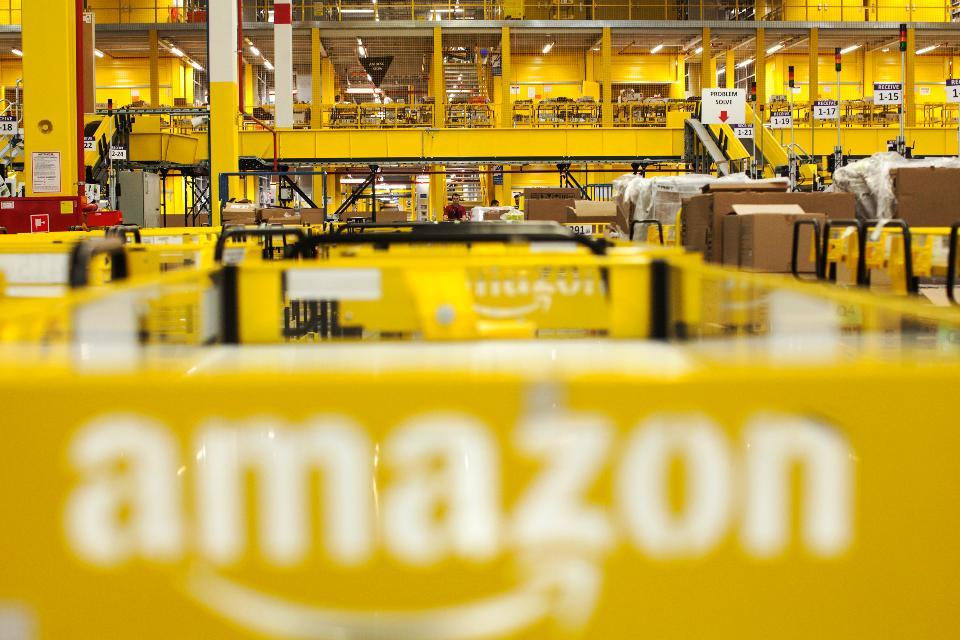
The global logistics landscape is undergoing a profound transformation, driven significantly by the ambitious moves of e-commerce giants. When we observe how Amazon and Alibaba bet the future on supply chain management, it becomes clear that these e-retailers are not just improving their delivery capabilities; they are fundamentally reshaping the entire logistics industry. Their massive investments signal a strategic shift where online retailers are increasingly becoming the world’s largest logistics companies, challenging traditional models and setting new benchmarks for efficiency and speed.
This paradigm shift has far-reaching implications for businesses worldwide, including those operating in vibrant markets like Vietnam. As these e-commerce titans pour resources into infrastructure, technology, and advanced supply chain management techniques, they are creating both formidable competition and unprecedented opportunities for innovation. Understanding their strategies is crucial for freight forwarders, supply chain managers, and business leaders aiming to remain competitive and adapt to the evolving demands of global trade and consumer expectations.
Table of Contents
- Understanding the e-Commerce Transformation in Logistics
- Key Trends and Data Shaping e-Retailer Logistics Strategies
- Operational Impacts on Logistics and Supply Chains
- Risks, Challenges, and Opportunities in the New Logistics Era
- Practical Lessons for Logistics Professionals
- How Scanwell Logistics Vietnam Can Help
- Conclusion
- Call to Action
- FAQ
Understanding the e-Commerce Transformation in Logistics
The narrative of retail has been dramatically rewritten by e-commerce, but perhaps the most significant chapter is being penned right now in the realm of logistics. Traditionally, companies specialized in specific aspects of the supply chain – shipping, warehousing, customs brokerage. However, e-commerce giants like Amazon and Alibaba are blurring these lines, becoming formidable forces across the entire logistics spectrum. Their core strategy revolves around vertical integration, taking greater control over the movement, storage, and delivery of goods from origin to consumer.
This strategic move is directly linked to the burgeoning demands of online retail: faster delivery times, greater inventory visibility, and optimized cost structures. By owning and operating more of their supply chain infrastructure, these companies aim to achieve unparalleled levels of efficiency and speed, directly impacting customer satisfaction and loyalty. The scale of their ambition is immense; industry reports suggest that Amazon and Alibaba are projected to soon handle more shipments than most specialist delivery, postal, and courier companies. This forecast underscores a fundamental reordering of the global logistics industry, where e-retailers are no longer just customers of logistics services but are rapidly becoming their most significant providers and innovators.
For businesses, this means a re-evaluation of established practices. The pressure for quicker, more transparent, and more reliable delivery services intensifies. The investments made by these giants in their logistics capabilities are not merely about expanding their own reach; they are about setting new standards for the entire industry. This shift requires every participant in the global supply chain, from manufacturers to freight forwarders, to assess their own capabilities and strategies to meet the elevated expectations driven by this e-commerce-led logistics revolution.
Key Trends and Data Shaping e-Retailer Logistics Strategies
The substantial investments from Amazon and Alibaba are not just capital injections; they are catalysts accelerating several critical trends that are redefining the logistics industry. These trends are centered on leveraging technology and data to create highly efficient and responsive supply chain management systems.
One of the most prominent trends is the **increased focus on automation and technology**. Both companies are heavily investing in robotic warehouses, automated sorting facilities, and drone delivery research. This push for automation extends beyond the warehouse floor to include automated guided vehicles (AGVs) and advanced material handling equipment. The goal is to minimize human touchpoints, reduce errors, and dramatically increase processing speed, particularly for handling high volumes of varied global shipments.
- **Advanced Robotics and Automation:** From automated storage and retrieval systems (AS/RS) in massive fulfillment centers to last-mile delivery robots, technology is optimizing every stage.
- **Smart Warehousing:** Utilizing AI and IoT to manage inventory, optimize picking routes, and improve space utilization, transforming traditional warehousing into intelligent hubs.
Another crucial development is the **growing importance of data analytics in supply chain management**. Amazon and Alibaba, with their vast customer bases and transactional data, are uniquely positioned to leverage big data. They use predictive analytics to forecast demand, optimize inventory levels, route planning, and identify potential bottlenecks before they occur. This data-driven approach moves supply chain management from reactive to proactive, enabling better strategic decisions and enhancing operational efficiency.
- **Predictive Analytics:** Utilizing historical sales data and external factors to accurately forecast demand, minimizing stockouts and overstocking.
- **Real-time Visibility:** Employing sensors, GPS, and IoT devices to provide end-to-end tracking of global shipments, offering transparency to both businesses and consumers.
Finally, there’s a rising demand for **efficient and sustainable logistics solutions**. While efficiency remains paramount, the environmental impact of logistics is gaining significant attention. These e-retailers are exploring electric vehicles for last-mile delivery, optimizing packaging to reduce waste, and designing their networks to minimize fuel consumption. Sustainability is no longer just a regulatory concern but a competitive differentiator, driven by consumer expectations and corporate responsibility initiatives.
- **Green Logistics:** Implementing strategies like route optimization, electric vehicle fleets, and consolidated shipments to reduce carbon footprints.
- **Sustainable Packaging:** Innovations in packaging materials and designs to reduce waste and improve recyclability throughout the supply chain.
These trends, fueled by the substantial investments of e-retail giants, are not isolated incidents but interconnected facets of a comprehensive strategy to dominate future logistics capabilities. They highlight a clear path forward for any company seeking to maintain a competitive edge in an increasingly digital and demanding marketplace.
Operational Impacts on Logistics and Supply Chains
The strategic pivot by Amazon and Alibaba into full-scale logistics operations has profound ripple effects across the entire global supply chain. This shift impacts everything from freight forwarding and warehousing to inventory planning, carrier relationships, and ultimately, customer expectations. Traditional logistics service providers now face a dual challenge: competing with the scale and technological prowess of these new entrants, while also finding ways to collaborate or integrate with their expanding networks.
For **freight forwarding**, the impact is multi-faceted. As e-retailers build their own international shipping networks and consolidate more cargo, they exert greater control over global trade lanes. This could lead to shifts in demand for third-party freight services, particularly for high-volume routes. Freight forwarders must differentiate themselves through specialized services, unparalleled local market expertise, and agile solutions that cater to diverse business needs beyond the e-commerce giants’ standardized offerings. The emphasis will be on value-added services, complex project logistics, and bespoke supply chain solutions.
**Warehousing and distribution** are undergoing a revolution. The demand for strategically located, highly automated fulfillment centers is soaring. E-retailers prioritize speed and proximity to customers, leading to an increased need for urban warehousing and micro-fulfillment centers. Existing warehousing facilities need to upgrade their technology, implement more efficient inventory management systems, and integrate automation to match the speed and accuracy set by Amazon and Alibaba. This also means a greater focus on cross-docking, faster inventory turns, and efficient reverse logistics capabilities.
**Inventory planning and management** become far more complex yet critical. With the promise of next-day or even same-day delivery, businesses must maintain precise inventory levels across a distributed network. This requires sophisticated demand forecasting, enabled by advanced data analytics, to ensure products are in the right place at the right time. For companies, this means less room for error in stock management and a greater need for real-time visibility into their entire inventory pipeline.
Furthermore, the rise of e-retailer logistics impacts **carrier relationships and transportation networks**. While these giants build their own fleets and networks, they also continue to rely on a vast ecosystem of trucking, air freight, and ocean freight partners. The dynamics change, however, with e-retailers often setting terms, standards, and technological integration requirements. For carriers, this means adapting to new technologies, embracing stricter performance metrics, and potentially engaging in more structured, long-term partnerships that prioritize efficiency and cost-effectiveness. The overall effect is a push towards greater interconnectedness and data exchange across the entire logistics chain, driving all players to become more technologically advanced and operationally lean.
Risks, Challenges, and Opportunities in the New Logistics Era
The transformative investments by Amazon and Alibaba, while heralding a new era of logistics efficiency, also introduce a complex interplay of risks, challenges, and significant opportunities for the broader logistics industry. Navigating this evolving landscape requires foresight and adaptability from all stakeholders.
Risks and Challenges
One of the primary challenges is **competition from established players in the logistics market**. While e-retailers are rapidly expanding their logistics footprint, they are entering a domain with highly specialized and entrenched companies. Traditional freight forwarders, courier services, and warehousing operators possess deep industry knowledge, long-standing relationships, and expertise in niche markets. The sheer scale of investment from Amazon and Alibaba creates pressure, but it does not instantly negate the capabilities of seasoned logistics providers, who can leverage their agility and customer-centric approaches.
- **Market Consolidation:** Smaller logistics providers may struggle to compete on price and speed, potentially leading to consolidation or a shift towards highly specialized services.
- **Pricing Pressure:** The pursuit of efficiency and cost reduction by e-retailers can drive down profit margins across the industry, impacting profitability for less efficient operators.
**Regulatory hurdles and compliance requirements** present another significant obstacle. Operating global logistics networks involves navigating a labyrinth of international trade laws, customs regulations, and local labor laws across numerous jurisdictions. Amazon and Alibaba, with their vast international operations, face immense scrutiny regarding data privacy, competition laws, and worker conditions. For all players, staying abreast of these ever-changing regulations, especially in dynamic markets, is critical for seamless cross-border logistics and trade compliance.
- **Complex Customs:** Dealing with diverse customs procedures, tariffs, and trade agreements across various countries adds layers of complexity and cost.
- **Geopolitical Sensitivity:** Global supply chains are susceptible to geopolitical tensions, trade wars, and policy shifts, requiring robust risk management strategies.
Finally, **environmental sustainability concerns** are becoming increasingly critical. The sheer volume of global shipments generated by e-commerce has a significant environmental footprint. Public and regulatory pressure for greener logistics solutions is mounting. Companies must invest in sustainable practices, from optimizing fuel efficiency and adopting electric vehicles to reducing packaging waste and exploring renewable energy sources for their facilities.
- **Carbon Footprint:** Managing and reducing emissions from transportation and warehousing operations is a major environmental and public relations challenge.
- **Waste Management:** The increase in packaging materials from e-commerce necessitates innovative solutions for reduction, reuse, and recycling.
Opportunities for Growth and Expansion
Despite these challenges, the investments by e-retailers also create significant **opportunities for growth and expansion** in the logistics sector. The relentless drive for innovation, efficiency, and speed by Amazon and Alibaba forces the entire industry to elevate its game.
- **Innovation and Technology Adoption:** The pressure to compete spurs innovation. Smaller players can adopt proven technologies (automation, AI, data analytics) at scale or develop niche solutions.
- **Partnerships and Specialization:** Traditional logistics providers can thrive by offering specialized services, leveraging local expertise, or forming strategic partnerships with e-commerce platforms that prefer outsourcing certain segments.
- **Value-Added Services:** Focus on complex logistics, reverse logistics, customization, assembly, or temperature-controlled solutions where specialized expertise is crucial.
- **Improved Infrastructure:** The massive investments in logistics infrastructure (ports, roads, digital platforms) by e-commerce giants and governments to support them benefit the entire industry, improving overall network efficiency.
Ultimately, the new logistics era forged by e-retailer investments is a crucible for transformation. Companies that can effectively manage the risks, embrace technological innovation, and adapt their business models will find ample opportunities to thrive.
Practical Lessons for Logistics Professionals
In this rapidly evolving logistics landscape, driven by the aggressive strategies of e-commerce giants, adaptability and strategic innovation are paramount. For logistics professionals and businesses, several key lessons emerge that can help future-proof operations and maintain a competitive edge.
- **Embrace Digital Transformation and Automation:** Start small but think big. Invest in supply chain visibility tools, warehouse automation (even partial automation like automated guided vehicles), and data analytics capabilities. Leveraging technology to streamline processes, reduce manual errors, and enhance decision-making is no longer optional.
- **Prioritize Data-Driven Decision Making:** Collect, analyze, and act on data. Utilize predictive analytics for demand forecasting, inventory optimization, and route planning. Better data insights lead to more efficient operations, reduced costs, and improved customer satisfaction.
- **Build Resilient and Agile Supply Chains:** Diversify your carrier base and sourcing locations. Develop robust contingency plans for disruptions. An agile supply chain can quickly adapt to unforeseen events, minimize delays, and maintain continuity of service.
- **Foster Strategic Partnerships:** Collaborate with specialized logistics providers, technology companies, and even complementary businesses. Partnerships can extend your reach, enhance service offerings, and provide access to new technologies or markets without significant capital expenditure.
- **Master Compliance and Regulatory Landscapes:** Stay updated on international trade regulations, customs procedures, and sustainability mandates. Proactive compliance minimizes risks, avoids penalties, and facilitates smoother cross-border logistics.
- **Integrate Sustainability into Operations:** From optimizing transportation routes to choosing eco-friendly packaging and investing in greener fleets, sustainable practices enhance brand reputation, meet consumer demands, and often lead to long-term cost savings.
- **Elevate Customer Experience:** With e-retailers setting high standards for delivery speed and transparency, focus on providing exceptional customer service, clear communication, and reliable delivery times. Proactive updates and efficient issue resolution are key differentiators.
- **Invest in Workforce Development:** Equip your team with the skills needed for a technologically advanced logistics environment. Training in data analytics, automation management, and digital tools is crucial for harnessing the full potential of new investments.
How Scanwell Logistics Vietnam Can Help
In an era where e-retailers are redefining logistics expectations, having a trusted and experienced logistics partner is more critical than ever. Scanwell Logistics Vietnam stands ready to empower businesses to navigate these complexities, offering tailored solutions that leverage our global network and local expertise. We understand the pressure for speed, efficiency, and visibility that Amazon and Alibaba have introduced, and we are committed to providing services that help our clients meet and exceed these new benchmarks.
Whether it’s optimizing your global supply chain, ensuring compliance for complex international shipments, or providing agile warehousing and distribution solutions, Scanwell Logistics Vietnam acts as an extension of your team. We help bridge the gap between traditional logistics capabilities and the cutting-edge demands of modern e-commerce-influenced trade, ensuring your goods move efficiently and reliably from origin to destination.
- **Ocean Freight Solutions:** Comprehensive Full Container Load (FCL) and Less than Container Load (LCL) services across key global trade lanes, ensuring cost-effective and reliable international shipping.
- **Air Freight Solutions:** Fast and efficient air cargo services for time-sensitive shipments, including expedited and consolidated options to meet urgent delivery requirements.
- **Warehousing & Distribution:** Strategic warehousing facilities, inventory management, order fulfillment, and value-added services tailored to optimize your supply chain, including last-mile distribution support.
- **Domestic and Cross-Border Trucking:** Reliable road transportation networks within Vietnam and across borders, providing seamless connectivity for your goods.
- **Customs Brokerage & Compliance:** Expert guidance and services to navigate complex customs regulations, ensure trade compliance, and expedite clearance for both imports and exports.
- **Supply Chain Visibility & Technology:** Leveraging technology to provide real-time tracking, transparent communication, and data-driven insights for enhanced control over your global shipments.
- **Consulting & Optimization:** Strategic advice to analyze and optimize your logistics operations, identifying efficiencies and cost-saving opportunities in line with evolving industry trends.
Conclusion
The significant investments made by Amazon and Alibaba in their supply chain capabilities mark a definitive turning point in the logistics industry. These e-retail giants are not merely expanding; they are revolutionizing the very fabric of global supply chain management, setting new standards for speed, efficiency, and technological integration. This shift presents both formidable competition and a powerful impetus for innovation for all other players in the logistics ecosystem.
For businesses and logistics professionals, the key takeaway is clear: adaptation and continuous improvement are no longer optional. Embracing automation, leveraging data analytics, building resilient supply chains, and prioritizing sustainability are essential strategies for remaining competitive. While the scale of Amazon and Alibaba’s operations might seem daunting, their advancements also pave the way for broader industry improvements in infrastructure and technology.
By understanding these trends and strategically integrating advanced logistics practices, businesses can not only withstand the competitive pressures but also unlock new opportunities for growth and efficiency. Partnering with experienced logistics providers like Scanwell Logistics Vietnam becomes a strategic advantage, offering the expertise and global reach needed to thrive in this new, dynamic era of logistics.
Call to Action
Ready to turn these logistics insights into real competitive advantages?
Explore Scanwell Logistics Vietnam
Contact our experts for tailored support
FAQ
What does it mean that Amazon and Alibaba are “betting the future on supply chain management”?
It means these e-retail giants are making massive, strategic investments in their logistics capabilities, infrastructure (like warehouses and transportation networks), and technology (automation, AI, data analytics). They are moving beyond simply retailing to become major global logistics providers themselves, aiming to control a significant portion of global shipments and set new industry standards for speed and efficiency.
How do these investments impact traditional logistics companies?
These investments create both intense competition and new opportunities. Traditional logistics companies face pressure to match the speed, technology, and cost-efficiency set by e-retailers. However, it also drives innovation across the industry, encourages specialized service offerings, and fosters potential partnerships where traditional players can leverage their unique expertise in niche markets, complex freight forwarding, or local regulatory compliance.
What are the key technological trends being driven by Amazon and Alibaba’s logistics strategies?
The primary trends include a strong focus on automation and robotics in warehousing and fulfillment, advanced data analytics for demand forecasting and route optimization, and enhanced supply chain visibility. They are also driving the demand for more efficient and sustainable logistics solutions, pushing for greener transportation methods and reduced environmental impact.
How can businesses adapt to stay competitive in this new logistics landscape?
Businesses should focus on digital transformation, adopting automation and data analytics to improve their own supply chain efficiency. Building resilient and agile supply chains, fostering strategic partnerships, mastering trade compliance, and integrating sustainability are also crucial. Investing in workforce development to manage new technologies and prioritizing exceptional customer experience will also be key differentiators.
How can Scanwell Logistics Vietnam assist companies with these changes?
Scanwell Logistics Vietnam offers comprehensive freight forwarding, warehousing, distribution, and customs brokerage services that are designed to meet modern supply chain demands. We leverage our global network and local expertise to provide efficient ocean and air freight, advanced customs compliance, and reliable domestic transportation. Our focus on technology and tailored solutions helps businesses enhance visibility, optimize costs, and navigate the complexities of international trade, allowing them to remain competitive in an evolving logistics environment.