Unpacking the LCL Meaning in Shipping: A Strategic Guide for Modern Logistics
Estimated reading time: 10 minutes
In the intricate world of global trade and logistics, efficiency and cost-effectiveness are paramount. Businesses, whether large enterprises or emerging SMEs, constantly seek ways to optimize their supply chain operations. One term that frequently arises in discussions about ocean freight is “LCL.” Understanding the LCL meaning in shipping is not merely about deciphering an acronym; it’s about grasping a fundamental strategy that empowers businesses to move goods across continents without the necessity of filling an entire shipping container.
Less than Container Load (LCL) shipping offers a flexible and economical solution for businesses that don’t have enough cargo to justify a Full Container Load (FCL). This approach has become increasingly vital in an era marked by fluctuating market demands, rising freight costs, and the pressing need for agile inventory management. For decision-makers in Vietnam and beyond, a clear comprehension of LCL shipping is crucial for making informed choices that impact everything from lead times and shipping costs to overall supply chain resilience and customer satisfaction. This article delves into the core of LCL, exploring its operational mechanics, strategic advantages, and how it fits into the broader landscape of modern logistics management.
Table of Contents
- Understanding LCL Meaning in Shipping and Its Core Mechanics
- Key Trends Driving LCL Adoption in Global Trade
- Operational Impacts on Logistics and Supply Chains
- Practical Lessons for Optimizing LCL Shipments
- How Scanwell Logistics Vietnam Can Help
- Conclusion
- Call to Action
- FAQ
Understanding LCL Meaning in Shipping and Its Core Mechanics
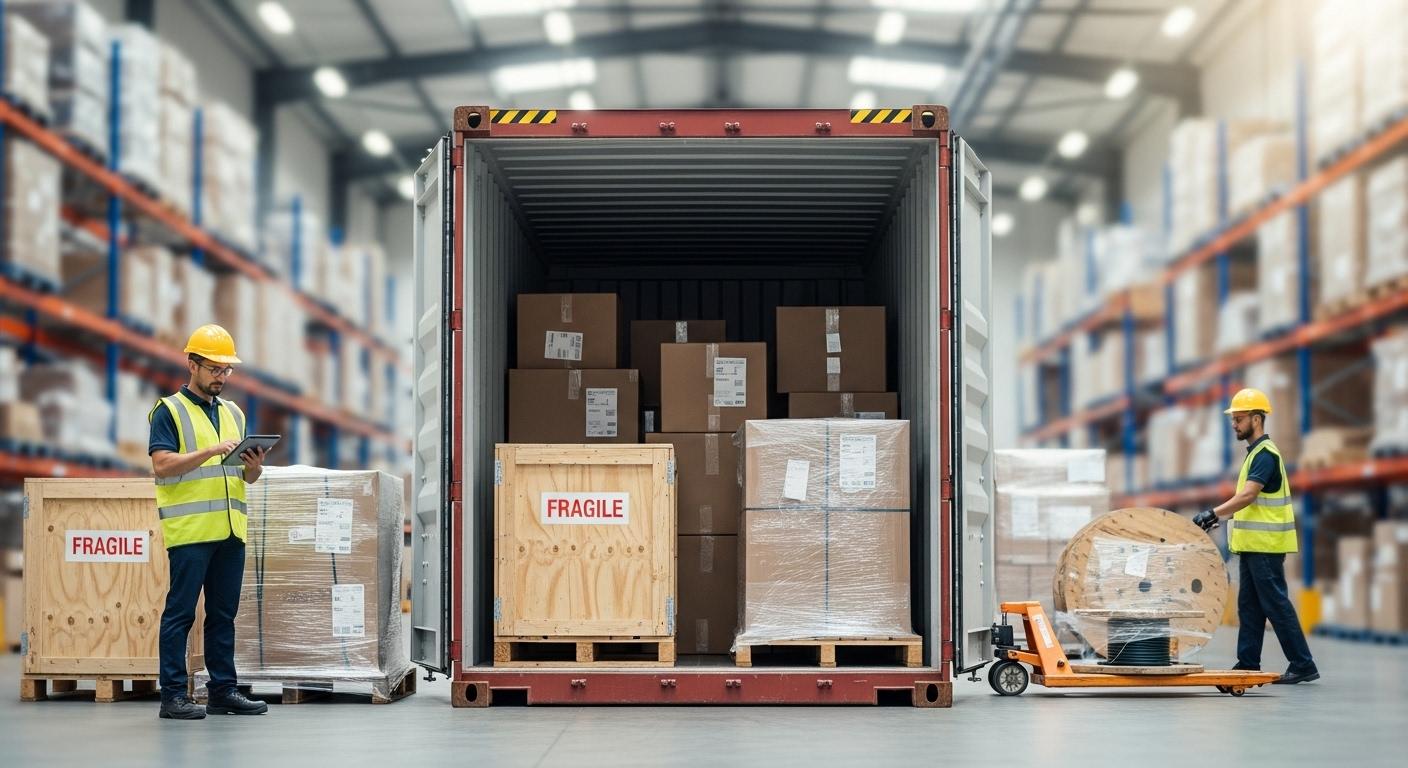
At its heart, LCL stands for Less than Container Load. It refers to a method of ocean freight shipping where a shipper’s cargo does not fill an entire standard shipping container (typically 20-foot or 40-foot). Instead, multiple LCL shipments from various shippers are consolidated into a single container. This shared container is then transported to its destination, where the process is reversed, and the individual shipments are deconsolidated and distributed.
The fundamental principle behind LCL is resource sharing. By combining smaller consignments, the cost of the container space is distributed proportionally among the shippers. This makes ocean freight accessible and economical even for businesses with smaller volumes of goods or those requiring more frequent, smaller shipments to manage inventory efficiently. It’s a stark contrast to Full Container Load (FCL), where one shipper utilizes the entire container exclusively, regardless of whether it’s completely filled.
The LCL Process: From Origin to Destination
The journey of an LCL shipment involves several key steps, each critical for smooth and efficient delivery:
- Cargo Collection: The process begins when a freight forwarder collects the shipper’s cargo, typically from their warehouse or factory.
- Consolidation at a Container Freight Station (CFS): The collected cargo is brought to a CFS, a designated facility where LCL shipments from multiple shippers are aggregated, inspected, documented, and loaded into a single container. This is a crucial step that requires meticulous planning and execution to optimize space and ensure compliance.
- Documentation and Customs Clearance (Origin): Before the container leaves, all necessary shipping documentation, including bills of lading and customs declarations, are prepared and submitted. Origin customs clearance is completed.
- Ocean Transit: The consolidated container is then transported by ocean vessel to the destination port, traversing global trade lanes.
- Deconsolidation at Destination CFS: Upon arrival, the container is moved to a destination CFS. Here, it is unloaded, and the individual LCL shipments are separated.
- Customs Clearance (Destination): Each individual LCL shipment undergoes destination customs clearance, which can be a complex process requiring accurate documentation and adherence to local regulations.
- Final Delivery: After customs clearance, the cargo is either picked up by the consignee or delivered by the freight forwarder to the final destination, completing the door-to-door delivery chain.
Key Trends Driving LCL Adoption in Global Trade
The relevance of LCL shipping has surged in recent years, propelled by several significant shifts in global trade and logistics management. These trends underscore why businesses, particularly those operating in dynamic markets like Vietnam, are increasingly looking to LCL as a strategic advantage.
Inventory Optimization and Just-in-Time Demands
Modern inventory management strategies prioritize lean operations and reduced carrying costs. Businesses are moving away from large, infrequent bulk orders (often suited for FCL) towards smaller, more frequent shipments. This helps minimize warehouse space requirements, lowers the risk of obsolescence, and improves cash flow. LCL is perfectly suited for this approach, allowing companies to maintain optimal stock levels without tying up significant capital in inventory. It supports just-in-time (JIT) manufacturing and delivery models, crucial for responsive supply chains.
Cost Efficiency for Smaller Shipments
For businesses that cannot fill an entire container, FCL shipping can be prohibitively expensive, leading to paying for unused space. LCL mitigates this by enabling shippers to pay only for the volume and weight their cargo occupies within a shared container. This direct cost saving is a major driver, especially for small and medium-sized enterprises (SMEs) entering global markets or for larger companies diversifying their product lines with lower volume items. It allows for better budget control and predictable shipping costs per unit.
Rise of E-commerce and Cross-Border Shipping
The explosion of e-commerce has led to a dramatic increase in direct-to-consumer and business-to-consumer (B2C) international shipments. These often involve smaller parcels or palletized goods that are ideal for LCL consolidation. As more businesses leverage global platforms to reach international customers, LCL provides the necessary infrastructure for efficient cross-border shipping without the burden of large minimum order quantities.
Supply Chain Resilience and Flexibility
Recent global disruptions have highlighted the critical need for flexible and resilient supply chains. LCL offers an alternative to committing to large FCL orders, which can become problematic during demand fluctuations or unexpected delays. It provides an agile option to ship urgent or critical components, pilot new products, or respond quickly to market changes, contributing to overall supply chain resilience and risk management.
Operational Impacts on Logistics and Supply Chains
While the advantages of LCL are clear, its implementation also introduces specific operational considerations that logistics and supply chain managers must address. These impacts touch upon various aspects, from planning and execution to cost structures and customer expectations.
Cost Structure and Pricing Models
LCL pricing is typically based on the volume (cubic meters) or weight (metric tons) of the cargo, whichever yields a higher charge. While this offers cost savings for smaller volumes, the per-unit cost for LCL can sometimes be higher than FCL because it includes additional handling charges (consolidation, deconsolidation), documentation fees, and CFS charges. Therefore, careful calculation and comparison are essential to determine if LCL is truly the most economical choice for a particular shipment. Understanding these nuances is crucial for accurate freight cost estimation.
Lead Times and Transit Duration
LCL shipments generally have longer lead times compared to FCL. This is because the consolidation and deconsolidation processes add extra steps and time at both the origin and destination ports. Delays can occur if there’s insufficient cargo to fill a container promptly, or if customs inspections cause holdups for any shipment within the shared container. Supply chain managers must factor these longer transit durations into their planning, particularly for time-sensitive cargo or when managing tight production schedules.
Visibility and Tracking Challenges
Tracking an LCL shipment can be more complex than an FCL shipment. While the container itself is tracked, pinpointing the exact location of an individual LCL consignment within that container requires robust information systems and transparent communication from the freight forwarder. Enhanced visibility solutions are vital for businesses to monitor their cargo’s progress and manage customer expectations effectively.
Cargo Handling and Potential for Damage
With multiple shipments sharing a container, LCL cargo typically undergoes more handling during consolidation, loading, deconsolidation, and unloading. This increased handling can slightly elevate the risk of damage if proper packaging and handling protocols are not strictly followed. Robust packaging and clear labeling become even more critical for LCL shipments to ensure goods arrive in pristine condition.
Customs Clearance Complexity
Each individual LCL shipment within a consolidated container requires its own customs declaration and clearance. This means that if there are issues with the documentation or compliance of one shipment within the container, it could potentially delay the entire container’s release, impacting all other LCL consignments. Partnering with an experienced customs brokerage service is therefore essential to navigate these complexities efficiently.
Practical Lessons for Optimizing LCL Shipments
To fully leverage the benefits of LCL shipping while mitigating its challenges, businesses need to adopt strategic best practices. These lessons are designed to help logistics professionals make informed decisions and optimize their supply chain management.
- Choose the Right Freight Forwarder: The success of LCL heavily depends on the expertise of your freight forwarder. Look for partners with a strong network, reliable consolidation services, robust local expertise (especially for Vietnam-specific trade lanes), and excellent communication channels. An experienced forwarder can optimize routing, negotiate better rates, and manage documentation efficiently.
- Master Packaging and Labeling: Invest in high-quality, durable packaging that can withstand multiple handling points. Clearly label all packages with essential information: consignee details, destination, hazardous material warnings (if applicable), and unique identifiers. Proper packaging reduces the risk of damage and facilitates quicker identification during deconsolidation.
- Ensure Accurate and Complete Documentation: Inaccurate or incomplete documentation is a primary cause of delays in LCL shipping, especially during customs clearance. Ensure all paperwork, including the commercial invoice, packing list, bill of lading, and any required permits, is meticulous and submitted on time. Proactive customs brokerage support is invaluable here.
- Plan for Longer Lead Times: Always factor in additional transit time for LCL shipments compared to FCL. Build buffers into your inventory planning and communicate realistic delivery expectations to your customers. This proactive approach helps manage potential delays and maintains customer satisfaction.
- Leverage Technology for Visibility: Work with freight forwarders that offer advanced tracking and visibility tools. Real-time updates on your shipment’s status, from CFS arrival to final delivery, can significantly improve your ability to manage inventory, respond to exceptions, and keep stakeholders informed.
- Understand Cost Components: Don’t just look at the headline rate. Understand all components of the LCL cost, including terminal handling charges, documentation fees, and fuel surcharges. Compare these holistically against FCL options as your volume approaches half a container to determine the most cost-effective solution.
How Scanwell Logistics Vietnam Can Help
Navigating the complexities of LCL shipping requires expertise, a robust network, and a commitment to efficient execution. Scanwell Logistics Vietnam is uniquely positioned to assist businesses in optimizing their LCL shipments, ensuring cost-effectiveness, reliability, and peace of mind. As a seasoned freight forwarding partner, we understand the nuances of global trade and the specific requirements of LCL cargo.
We leverage our extensive experience and global network to provide seamless LCL solutions from Vietnam to destinations worldwide, and vice versa. Our team of dedicated professionals meticulously manages every stage of the LCL process, from meticulous consolidation at origin to efficient deconsolidation and final delivery at destination. By partnering with Scanwell, businesses gain access to optimized shipping schedules, competitive rates, and proactive communication, enabling them to make the most of LCL as a strategic component of their supply chain.
Our commitment extends beyond just moving cargo; we aim to be an extension of your logistics team, providing insights and solutions that enhance your overall operational efficiency and help you adapt to dynamic market conditions.
- Ocean freight (FCL/LCL solutions for optimal cargo movement).
- Air freight solutions for time-sensitive cargo.
- Warehousing, distribution and value-added services.
- Domestic and cross-border trucking, including last-mile delivery.
- Customs brokerage and trade compliance support.
- Technology-enabled visibility and tracking for your shipments.
- Dedicated customer service and expert consultation.
Conclusion
The LCL meaning in shipping represents more than just a logistical option; it embodies a strategic approach to global trade that prioritizes flexibility, cost-efficiency, and adaptability. In an increasingly interconnected yet unpredictable world, LCL empowers businesses to manage smaller, more frequent shipments, optimize inventory levels, and tap into international markets without the prohibitive costs associated with full container loads.
While LCL shipping introduces specific operational considerations, such as longer lead times and careful documentation, these can be effectively managed through strategic planning and, crucially, by partnering with an experienced and reliable freight forwarder. For businesses aiming to build resilient supply chains, reduce working capital tied up in inventory, and respond agilely to market demands, LCL is an indispensable tool.
As global trade continues to evolve, embracing solutions like LCL will be key to maintaining a competitive edge. By understanding its mechanics and leveraging expert support, logistics leaders can transform LCL from a mere shipping term into a powerful asset that drives efficiency and growth across their entire supply chain.
Call to Action
Ready to turn these logistics insights into real competitive advantages?
Explore Scanwell Logistics Vietnam
Contact our experts for tailored support
FAQ
What is the main difference between LCL and FCL shipping?
The main difference lies in container utilization. FCL (Full Container Load) means one shipper uses the entire container, ideal for large volumes. LCL (Less than Container Load) means multiple shippers’ cargo is consolidated into one container, making it suitable for smaller volumes where you only pay for the space your cargo occupies.
When should a business choose LCL over FCL?
Businesses should choose LCL when they do not have enough cargo to fill an entire container, typically for shipments under 15-20 CBM (cubic meters). It’s ideal for maintaining lower inventory levels, testing new markets with smaller product quantities, or for urgent, smaller replenishments that don’t justify an FCL shipment. If your cargo volume approaches half of a container, it’s often worth comparing FCL rates, as FCL can become more cost-effective per unit due to fewer handling charges.
What are the potential risks associated with LCL shipping?
Potential risks for LCL shipments include longer transit times due to consolidation/deconsolidation processes, increased risk of damage from more frequent handling, and potential delays in customs if other shipments within the same container face issues. These risks can be mitigated by working with a reputable freight forwarder, using robust packaging, and ensuring all documentation is accurate and complete.
How can I track my LCL shipment?
While tracking LCL can be more complex than FCL, reputable freight forwarders like Scanwell Logistics Vietnam provide advanced tracking systems. These systems typically allow you to monitor the container’s journey and receive updates on your individual consignment’s status as it moves through consolidation, transit, and deconsolidation points, ensuring you have visibility into your supply chain.
What documentation is required for an LCL shipment?
Standard documentation for an LCL shipment typically includes a commercial invoice, a packing list, and a bill of lading (B/L). Depending on the goods and destination country, additional documents like certificates of origin, permits, or specific customs declarations might be required. Working with an experienced freight forwarder and customs brokerage team, like Scanwell Logistics Vietnam, ensures all necessary paperwork is correctly prepared and submitted.