Power Your Business with the Enhanced Industry Energy Efficiency Package: Lessons for Sustainable Logistics
Estimated reading time: 8 minutes
In today’s dynamic global economy, businesses are increasingly scrutinizing every aspect of their operations for opportunities to enhance efficiency, reduce costs, and strengthen their commitment to sustainability. Energy consumption, often a significant operational expense, has emerged as a critical area for optimization, especially within energy-intensive sectors like logistics. Governments worldwide are recognizing this need and rolling out initiatives to support industries in their energy transition.
One such exemplary initiative is the enhanced Industry Energy Efficiency (IEE) package, launched in Singapore. While specific to the Singaporean market, the principles and strategic intent behind this comprehensive package offer invaluable lessons for logistics businesses and supply chain managers everywhere, including those navigating the rapidly expanding landscape of Vietnam. It underscores a growing global trend: energy efficiency is not just an environmental imperative but a crucial driver of competitive advantage and long-term business resilience.
This article will delve into the details of the enhanced IEE package, exploring its core components, the ambitious targets it aims to achieve, and its profound implications, particularly for the logistics industry. We will then extrapolate these insights, offering practical lessons and actionable strategies for logistics professionals seeking to optimize their energy footprint, reduce operational costs, and future-proof their supply chains, ultimately demonstrating how Scanwell Logistics Vietnam can be a strategic partner in this journey.
Table of Contents
- Understanding the Enhanced Industry Energy Efficiency (IEE) Package
- Key Targets and Projected Benefits of the IEE Package
- Operational Impacts and Opportunities for the Logistics Industry
- Practical Lessons for Global Logistics Professionals
- How Scanwell Logistics Vietnam Can Help Drive Energy Efficiency
- Conclusion
- Call to Action
- FAQ
Understanding the Enhanced Industry Energy Efficiency (IEE) Package
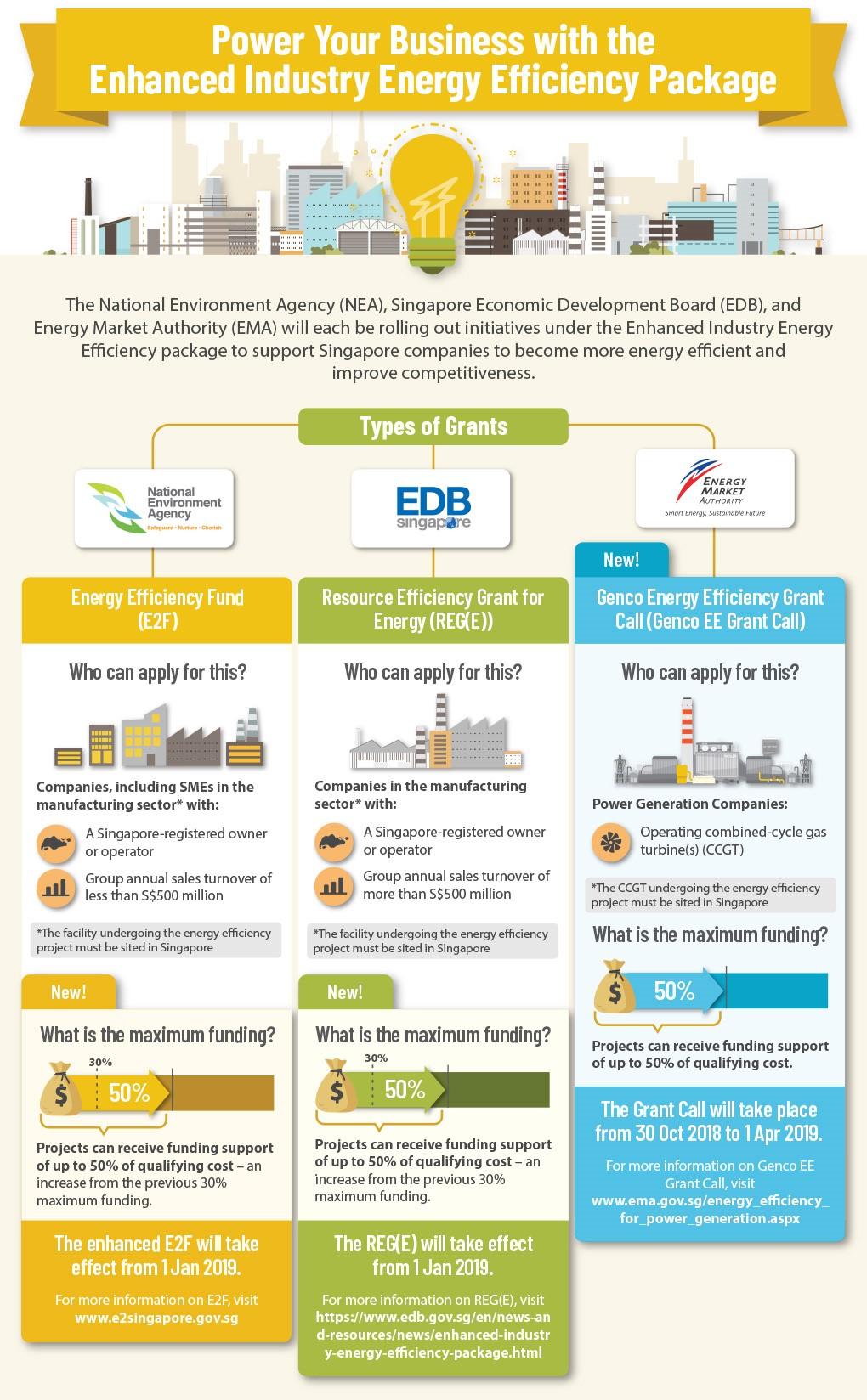
The enhanced Industry Energy Efficiency (IEE) package, initially announced by Minister Chan Chun Sing at the Singapore International Energy Week on October 30th, 2018, represents a concerted effort by the Singaporean government to champion sustainable business practices. Its fundamental goal is to support businesses in Singapore in their quest to significantly reduce energy consumption and associated costs, fostering a more sustainable and competitive economic landscape. This initiative is a clear signal that governments are increasingly recognizing the pivotal role of energy management in both economic growth and environmental stewardship.
The package is a collaborative effort, spearheaded by key government agencies including the National Environment Agency, the Singapore Economic Development Board, and the Energy Market Authority. This multi-agency approach highlights the integrated nature of energy efficiency, touching upon environmental regulations, economic development, and energy policy. The IEE package is structured around three core pillars, each designed to provide comprehensive support to businesses:
- Energy Efficiency Incentives: At the heart of the package are financial incentives aimed at encouraging companies to invest in upgrading their infrastructure with energy-efficient technologies. This includes support for transitioning to modern LED lighting systems, implementing sophisticated building management systems (BMS) for optimized energy usage, or investing in more efficient machinery and processes. By covering a substantial portion of these upgrade costs, the government significantly lowers the barrier to entry for businesses considering such investments, making energy-saving measures more financially attractive.
- Industry-led Initiatives: Recognizing that collective action can often yield greater results, the IEE package strongly promotes collaboration among companies. This pillar encourages businesses within the same or related industries to come together, share knowledge, expertise, and best practices in energy efficiency. Such industry-led initiatives can accelerate the adoption of cutting-edge solutions, identify common challenges, and develop standardized approaches to energy management, driving industry-wide improvements that might be difficult for individual companies to achieve alone.
- Energy Audits and Financing Options: For many businesses, the first step towards energy efficiency is identifying where energy is being wasted. The IEE package provides crucial support for professional energy audits. These audits help companies gain a clear understanding of their energy consumption patterns, pinpoint inefficiencies, and identify specific areas for improvement. Complementing these audits are flexible financing options designed to facilitate the necessary investments in energy-efficient upgrades. This two-pronged approach ensures that businesses not only know what to do but also have the financial means to implement the recommended changes.
These initiatives collectively aim to empower businesses to adopt more sustainable practices, reduce their environmental footprint, and, crucially, minimize their operational costs. By providing a robust framework of support, the enhanced IEE package seeks to cultivate a more competitive and environmentally responsible business environment in Singapore, setting a benchmark for other regions looking to advance their sustainability agendas.
Key Targets and Projected Benefits of the IEE Package
The enhanced IEE package is not merely an aspirational policy; it is built upon tangible targets and promises significant economic and environmental benefits. The projected outcomes underscore the immense potential of strategic energy management, offering a compelling case for businesses to prioritize efficiency.
One of the most compelling statistics associated with the enhanced IEE package is its aim to support Singaporean businesses in achieving an impressive average annual energy savings of 2.5%. While 2.5% might seem modest at first glance, for large industrial consumers and logistics operations, this translates into substantial reductions in utility bills year over year. Over time, these cumulative savings can significantly impact a company’s bottom line, freeing up capital that can be reinvested into growth, innovation, or employee development. This target also provides a measurable benchmark for participating companies, encouraging consistent effort and continuous improvement in energy performance.
To catalyze these energy-efficient transformations, the government’s commitment to financial support is noteworthy. Under the new package, businesses can potentially have up to 50% of the cost of eligible energy-efficient upgrades covered. This generous subsidy dramatically reduces the initial capital outlay required for improvements that often have a high upfront cost but long-term payback. For many businesses, particularly Small and Medium Enterprises (SMEs) or those operating on tight margins, this level of support can be the deciding factor in proceeding with vital upgrades, accelerating the adoption of advanced, greener technologies across various sectors.
The cumulative impact of these individual business savings is projected to be immense for the entire economy. The Energy Market Authority (EMA) anticipates that the enhanced IEE package will save Singaporean companies around S$500 million per year. This half-a-billion-dollar annual saving is a testament to the economic power of energy efficiency. It represents a massive collective cost reduction that boosts national competitiveness, reduces reliance on imported energy, and strengthens economic resilience. For policy makers and business leaders in other nations, including Vietnam, this figure serves as a powerful demonstration of the macroeconomic benefits that well-designed energy efficiency initiatives can deliver. It’s not just about individual company savings; it’s about a healthier, more robust national economy.
These statistics highlight a clear pathway: by investing in energy-efficient technologies and practices, supported by government initiatives, businesses can realize substantial financial benefits, contribute to a stronger economy, and build a more sustainable future. This synergy between economic pragmatism and environmental responsibility is a defining characteristic of forward-thinking industrial policies today.
Operational Impacts and Opportunities for the Logistics Industry
The logistics industry is uniquely positioned to both benefit from and contribute significantly to energy efficiency initiatives like the IEE package. As a sector fundamentally reliant on transportation, warehousing, and complex operational networks, logistics inherently accounts for a substantial portion of global energy consumption. This energy footprint translates directly into significant operational costs, making energy efficiency a critical strategic imperative.
Important Risks and Challenges
For logistics companies, the failure to proactively implement energy-saving measures carries increasingly severe consequences.
- Increased Costs: The most direct risk is escalating operational expenses. Fuel prices, electricity tariffs for warehousing, and energy costs for cold chain logistics are significant components of a logistics provider’s budget. Without active management, these costs can spiral, eroding profit margins and making services less competitive. In a globalized supply chain, even minor cost differences can impact market share.
- Reputational Damage: In an era of heightened environmental awareness, customers, investors, and regulatory bodies are increasingly demanding sustainable practices. Logistics companies perceived as laggards in environmental responsibility face significant reputational damage. This can manifest as lost business from eco-conscious clients, difficulty attracting talent, and scrutiny from regulators or NGOs. Brand perception is critical, and a commitment to green logistics is rapidly becoming a non-negotiable aspect of corporate social responsibility.
- Regulatory Scrutiny: As governments worldwide intensify their efforts to combat climate change, stricter environmental regulations and carbon pricing mechanisms are becoming more common. Logistics firms that do not adapt risk non-compliance, incurring penalties, fines, and operational disruptions. The IEE package itself, though supportive, also implies a clear governmental expectation for businesses to do their part.
Opportunities for the Logistics Industry
Conversely, for logistics businesses that embrace energy efficiency, the opportunities are substantial, aligning perfectly with the intent of initiatives like the IEE package.
- Reduced Environmental Impact and Improved Bottom Line: This is the dual benefit at the core of the IEE package. By investing in energy-efficient technologies and best practices – such as optimizing fleet routes, upgrading to more fuel-efficient vehicles, adopting LED lighting and smart energy management systems in warehouses, or leveraging renewable energy sources – logistics companies can significantly reduce their carbon footprint. Simultaneously, these measures directly translate into substantial cost savings on fuel and electricity, directly improving the bottom line. This makes sustainability a financial advantage, not just a moral obligation.
- Competitive Differentiation and Leadership in Sustainability: In a crowded market, sustainability can be a powerful differentiator. Logistics businesses that demonstrably commit to energy-efficient operations can attract a growing segment of environmentally conscious clients who prioritize green supply chains. Being recognized as a leader in sustainability can enhance brand reputation, open doors to new business partnerships, and attract top talent who prefer to work for responsible companies. This positions the company not just as a service provider but as a values-aligned partner.
- Enhanced Supply Chain Resilience: Energy efficiency often goes hand-in-hand with operational optimization. A more efficient logistics network is typically a more resilient one. For instance, optimized routes reduce fuel consumption and also improve delivery times and predictability. Modern, energy-efficient warehousing leverages smart technologies that enhance inventory planning and overall operational flow. This contributes to a robust and adaptive supply chain capable of withstanding disruptions and meeting evolving customer expectations.
The enhanced IEE package provides a clear blueprint for how governments can stimulate these positive changes. While its direct incentives are for Singaporean businesses, the underlying philosophy – that energy efficiency is a strategic investment in both profitability and planetary health – is universally applicable. For logistics managers and HR in logistics across Vietnam and beyond, understanding and acting on these principles is paramount for future success.
Practical Lessons for Global Logistics Professionals
While the enhanced Industry Energy Efficiency package is a Singapore-specific initiative, its objectives and mechanisms offer universal practical lessons for logistics professionals worldwide, including those operating in Vietnam’s dynamic market. The core message is clear: proactive energy management is not just a regulatory compliance issue but a strategic imperative for cost reduction, competitive advantage, and long-term sustainability. Here are key takeaways and actionable recommendations:
-
Optimize Transportation Networks and Fleet Management:
- Implement advanced route optimization software to minimize mileage, reduce fuel consumption, and cut down on emissions.
- Invest in fuel-efficient vehicles, including exploring electric or hybrid options for last-mile delivery. Regularly maintain fleets to ensure peak fuel efficiency.
- Prioritize load consolidation and backhauling to maximize vehicle capacity and reduce empty runs.
- Strategically locate distribution centers to reduce overall travel distances and optimize transit times, thereby lowering fuel usage.
-
Enhance Energy Efficiency in Warehousing and Distribution:
- Upgrade to LED lighting in all facilities, potentially integrating motion sensors or daylight harvesting systems to further reduce electricity usage.
- Implement smart Building Management Systems (BMS) to intelligently control heating, ventilation, and air conditioning (HVAC) systems, especially crucial for cold chain logistics to prevent energy waste.
- Explore renewable energy solutions like solar panels for warehouse roofs to generate clean energy and reduce reliance on the grid.
- Optimize warehouse layouts and material handling equipment for efficiency, reducing the energy needed for internal transport and lifting.
-
Leverage Technology and Data Analytics for Informed Decisions:
- Utilize telematics and IoT devices to monitor fleet performance, driver behavior, and energy consumption in real-time, identifying areas for improvement.
- Implement predictive analytics for inventory planning to minimize excess stock (reducing warehousing energy) and avoid rush shipments (which are often less energy-efficient).
- Adopt cloud-based logistics platforms to streamline operations, reduce paper usage, and optimize resource allocation across the entire supply chain.
-
Foster Collaboration and Continuous Improvement:
- Engage with supply chain partners (carriers, suppliers, customers) to identify collaborative energy-saving opportunities, such as joint distribution networks or shared warehousing.
- Conduct regular energy audits to identify new areas for improvement and track progress against energy efficiency goals.
- Invest in training for logistics staff and HR in logistics to promote energy-conscious practices, from eco-driving techniques to efficient equipment operation.
- Stay informed about government incentives and local regulations in their operating regions (e.g., Vietnam) that might offer support for sustainability investments, similar to the IEE package.
By adopting these practices, logistics companies can not only achieve the significant cost savings and environmental benefits championed by the IEE package but also build a more resilient, competitive, and future-ready business.
How Scanwell Logistics Vietnam Can Help Drive Energy Efficiency
At Scanwell Logistics Vietnam, we understand that while government packages like Singapore’s IEE are powerful catalysts, the underlying drive for energy efficiency and sustainability is a universal business imperative. We are committed to helping our clients in Vietnam and across the region implement optimized logistics solutions that inherently lead to reduced energy consumption, lower operational costs, and a smaller environmental footprint. Our comprehensive suite of services is designed to integrate seamlessly with your sustainability goals, transforming them into tangible business advantages.
Through strategic network design, efficient operations, and leveraging smart technology, Scanwell acts as an extension of your team, providing the expertise and infrastructure needed to navigate complex supply chains with a focus on resource optimization. We help you identify opportunities for improvement, from streamlining freight movements to enhancing warehousing efficiency, ensuring every step of your logistics journey is as lean and green as possible.
Partnering with Scanwell Logistics Vietnam means gaining access to a global network and local expertise that prioritizes efficiency and sustainability. We empower your business to achieve the benefits akin to those promoted by initiatives like the IEE package, even in the absence of direct local government subsidies, by embedding energy-saving practices into the core of your logistics strategy.
- Ocean Freight: We optimize FCL/LCL shipments on key trade lanes, consolidating cargo and selecting the most efficient routes and carriers to minimize fuel consumption per unit.
- Air Freight Solutions: For time-sensitive cargo, we provide efficient air freight services, carefully planning routes and advocating for cargo consolidation where appropriate to reduce overall emissions.
- Warehousing, Distribution and Value-Added Services: Our modern warehouses are designed for operational efficiency, incorporating best practices in layout and material handling that contribute to lower energy usage. We offer strategic distribution solutions to minimize travel distances.
- Domestic and Cross-Border Trucking: We leverage optimized routing, efficient fleet management, and smart consolidation practices for our trucking services, reducing fuel consumption and operational costs across Vietnam and the broader region.
- Customs Brokerage and Trade Compliance Support: Efficient customs processes reduce delays and unnecessary holding times, which can contribute to energy waste in various parts of the supply chain. Our expertise ensures smooth, swift clearance.
- Technology-Enabled Visibility and Optimization: Our advanced IT systems provide real-time tracking and data analytics, enabling continuous optimization of your supply chain, from inventory planning to delivery routes, directly supporting energy efficiency goals.
Conclusion
The enhanced Industry Energy Efficiency (IEE) package in Singapore stands as a powerful testament to the strategic importance of energy management in modern business. By offering significant incentives, fostering industry collaboration, and providing essential tools like energy audits and financing options, it creates a robust ecosystem that drives businesses towards greater sustainability and profitability. The target of 2.5% annual energy savings and S$500 million in yearly cost reductions for Singaporean companies highlights the profound economic benefits that efficient energy practices can unlock.
For the logistics industry, a sector intrinsically linked to energy consumption through transportation and warehousing, the lessons from the IEE package are particularly resonant. The choice is clear: businesses that neglect energy-saving measures risk facing increased costs, reputational damage, and regulatory penalties. Conversely, those that proactively invest in energy-efficient technologies and best practices seize a significant opportunity to reduce their environmental impact, enhance their bottom line, and differentiate themselves as leaders in sustainable logistics.
As global supply chains continue to evolve, the demand for greener, more efficient logistics solutions will only intensify. Logistics leaders, supply chain managers, and HR in logistics must recognize energy efficiency not as an isolated project but as an integral component of their long-term strategic planning. By embracing intelligent solutions, leveraging technology, and partnering with experienced logistics providers, companies can build more resilient, cost-effective, and environmentally responsible supply chains, ensuring they are well-positioned for future success in a world that increasingly values sustainability.
Call to Action
Ready to turn these logistics insights into real competitive advantages?
Explore Scanwell Logistics Vietnam
Contact our experts for tailored support
FAQ
What is the Enhanced Industry Energy Efficiency (IEE) package?
The Enhanced Industry Energy Efficiency (IEE) package is a Singaporean government initiative designed to help businesses reduce energy consumption and costs while promoting sustainable practices. It includes energy efficiency incentives, support for industry-led initiatives, and assistance with energy audits and financing for upgrades.
How does energy efficiency benefit logistics companies?
For logistics companies, energy efficiency translates directly into significant cost savings (e.g., lower fuel and electricity bills), reduced environmental impact (lower carbon footprint), enhanced competitive advantage through a greener brand image, and improved supply chain resilience due to optimized operations. It addresses both financial and environmental bottom lines.
Are there similar government incentives for energy efficiency in Vietnam?
While the specific Enhanced IEE package is unique to Singapore, the Vietnamese government and various international organizations are increasingly promoting energy efficiency and sustainable development. Businesses in Vietnam should regularly check with local authorities, industry associations, and the Ministry of Industry and Trade for potential incentives, grants, or regulatory frameworks that support green initiatives. Even without direct subsidies, the operational benefits of energy efficiency remain universally compelling.
What are practical first steps for a logistics business to improve energy efficiency?
Practical first steps include conducting an energy audit to identify major consumption areas, upgrading to LED lighting in warehouses, optimizing vehicle routes and ensuring regular fleet maintenance, implementing smart energy management systems, and exploring opportunities for cargo consolidation. Partnering with an experienced 3PL like Scanwell Logistics Vietnam can also provide immediate access to expertise and optimized solutions.
How can Scanwell Logistics Vietnam specifically help my business become more energy efficient?
Scanwell Logistics Vietnam helps clients achieve energy efficiency through optimized freight solutions (e.g., FCL/LCL ocean freight, efficient air freight), strategic warehousing and distribution, advanced route planning for trucking, and efficient customs brokerage to minimize delays. Our technology-enabled visibility tools also help you track and optimize your supply chain, leading to reduced resource consumption and overall operational efficiency. We act as a partner in designing and executing leaner, greener logistics operations.