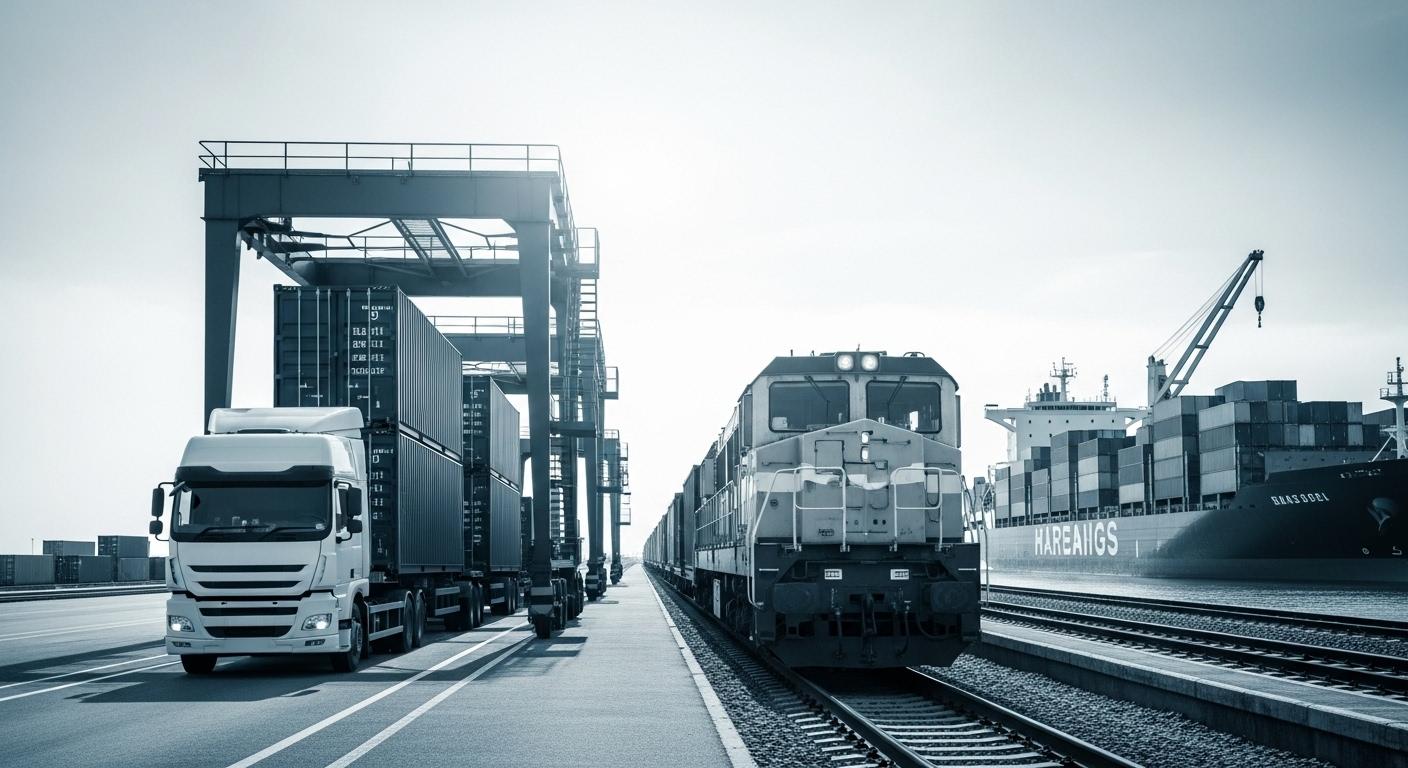
What Is Multimodal Transport? Unlocking Efficiency in Global Logistics
Estimated reading time: 10 minutes
In today’s interconnected global economy, the movement of goods is more complex and critical than ever before. Businesses, especially those involved in international trade, constantly seek innovative ways to optimize their supply chains, reduce costs, and enhance delivery speed and reliability. This is where the concept of multimodal transport becomes not just relevant, but essential. Understanding what is multimodal transport is key to navigating the intricacies of modern logistics and gaining a competitive edge.
Multimodal transport represents a sophisticated approach to logistics, integrating various modes of transportation – such as road, rail, sea, and air – under a single contract. This strategic combination aims to leverage the strengths of each mode, creating a seamless and efficient journey for cargo from origin to destination. For business leaders, supply chain managers, and logistics professionals in Vietnam and beyond, mastering multimodal strategies can unlock significant opportunities for operational excellence, cost savings, and enhanced customer satisfaction in a rapidly evolving global marketplace.
This article will delve into the core definition of multimodal transport, explore its key characteristics and numerous benefits, shed light on the challenges it presents, and offer practical lessons for successful implementation. We’ll also examine global trends and how an experienced logistics partner like Scanwell Logistics Vietnam can empower your business to harness the full potential of this dynamic transportation model.
Table of Contents
- Understanding Multimodal Transport in the Logistics Context
- The Strategic Advantages and Benefits of Multimodal Transport
- Key Trends and Global Context Shaping Multimodal Transport
- Navigating the Challenges and Risks of Multimodal Transport
- Practical Lessons for Logistics Professionals Implementing Multimodal Strategies
- How Scanwell Logistics Vietnam Can Enhance Your Multimodal Operations
- Conclusion
- Call to Action
- FAQ
Understanding Multimodal Transport in the Logistics Context
At its core, multimodal transport is a method of moving goods using at least two different modes of transport under a single contract of carriage. This means that while your cargo might travel by truck, then by ship, and finally by rail, you only deal with one carrier or freight forwarder who is responsible for the entire journey. This distinct feature simplifies the logistical process significantly for the shipper.
Unlike intermodal transport, where each leg of the journey might be contracted separately, multimodal transport centralizes accountability. The contracting party, often a freight forwarder, takes on the responsibility for the entire movement, regardless of the different carriers or modes involved. This single point of contact is a game-changer for businesses looking to streamline their logistics operations and reduce administrative burdens.
Key Characteristics Defining Multimodal Transport
Several distinct characteristics set multimodal transport apart and contribute to its strategic value in modern supply chains:
- Integration and Seamless Handovers: Multimodal transport inherently involves the careful coordination of different modes. This requires robust planning and communication to ensure smooth transitions of cargo from one mode to another, minimizing delays and potential damage. For instance, a container might be moved from a manufacturing plant by truck to a port, loaded onto a vessel for ocean freight, and then transferred to a train or another truck upon arrival at the destination port for final delivery.
- Flexibility in Route Options and Schedules: By not being tied to a single mode, multimodal transport offers unparalleled flexibility. Businesses can choose the most optimal combination of routes and schedules based on factors like urgency, cost, cargo type, and geographical constraints. This adaptability is particularly valuable when facing disruptions, allowing for quick adjustments to maintain supply chain resilience.
- Enhanced Cost-effectiveness: One of the primary drivers for adopting multimodal solutions is the potential for significant cost savings. While air freight offers speed, it often comes at a premium. Ocean freight is generally more economical for bulk cargo over long distances but is slower. Multimodal transport allows logistics managers to strike an optimal balance, using more cost-effective modes for the longest portions of the journey and faster, albeit pricier, modes only when necessary (e.g., for last-mile delivery or urgent segments).
These characteristics underscore why multimodal transport is becoming the preferred choice for businesses aiming to build resilient, efficient, and cost-effective logistics networks that can adapt to global market demands.
The Strategic Advantages and Benefits of Multimodal Transport
The growing adoption of multimodal transport is a testament to the tangible benefits it offers businesses navigating complex global supply chains. By strategically combining different modes, companies can achieve a multitude of operational and financial advantages that directly impact their bottom line and market competitiveness.
Improved Delivery Speed and Reliability
While it might seem counterintuitive that using multiple modes could be faster, multimodal transport often optimizes overall transit times. For instance, combining the speed of air freight for urgent international segments with the efficiency of rail or road for domestic distribution can significantly cut down total delivery schedules. Moreover, by diversifying transport options, businesses can mitigate risks associated with disruptions in a single mode, leading to more reliable and predictable delivery windows. This enhanced reliability is crucial for managing inventory and meeting customer expectations.
Increased Flexibility and Adaptability
The ability to select from various modes and routes provides unparalleled flexibility. If a sea route is experiencing delays due to weather or port congestion, a portion of the cargo could be rerouted via air or rail for critical sections. This adaptability is vital for businesses with diverse logistics needs, allowing them to tailor solutions to specific cargo types, urgency levels, and destination requirements. Such flexibility is a cornerstone of agile supply chain management, enabling companies to respond swiftly to market changes or unforeseen challenges.
Significant Cost Savings
Perhaps one of the most compelling advantages, multimodal transport can lead to substantial cost reductions. By optimizing the use of each mode, businesses can avoid the high costs associated with using a single, often more expensive, mode for the entire journey. For instance, using ocean freight for the long-haul international segment and then trucking for the shorter domestic leg is often much cheaper than shipping the entire consignment via air. Additionally, a single contract often means less administrative overhead, fewer intermediaries, and better overall pricing power through consolidated freight volumes. This directly impacts operational expenditure and improves overall profitability.
Beyond these core benefits, multimodal transport often leads to reduced carbon footprints by prioritizing more environmentally friendly modes like rail and sea over air or long-haul road transport where feasible. This aligns with global sustainability goals and can enhance a company’s corporate social responsibility profile, an increasingly important factor for consumers and investors alike.
Key Trends and Global Context Shaping Multimodal Transport
The importance of multimodal transport is underscored by significant shifts in the global economic landscape. International trade continues to expand, driven by globalization, e-commerce growth, and evolving manufacturing patterns. According to the World Trade Organization (WTO), global trade reached an impressive $23 trillion in 2020, highlighting the sheer volume and complexity of goods movement worldwide. This massive scale necessitates highly efficient and adaptable logistics solutions, where multimodal strategies play a crucial role.
The surge in international trade means that more goods are crossing borders, often requiring intricate journeys involving multiple continents and diverse transportation infrastructures. For businesses to remain competitive, they must find ways to reduce transit times and costs while maintaining reliability across these vast distances. Multimodal transport offers a pragmatic answer by allowing companies to optimize each segment of the journey, balancing speed and cost effectively. For example, a high-value electronic component might travel by air freight across an ocean, then by rail for a long continental stretch, and finally by truck for last-mile delivery to a factory.
Growth in Air Cargo and its Multimodal Integration
While ocean freight remains the backbone of global trade for bulk goods, air cargo is experiencing robust growth, particularly for time-sensitive and high-value shipments. The International Air Transport Association (IATA) estimates that air cargo will grow at a rate of 6% per annum from 2020 to 2025. This growth signifies a continued demand for faster transit options. Multimodal transport leverages air cargo’s speed for critical legs, complementing it with more economical surface transport for pre-carriage and on-carriage. This integration is crucial for industries like pharmaceuticals, automotive, and high-tech, where just-in-time delivery and rapid market response are paramount.
The Role of Warehousing and Distribution Hubs
The effectiveness of multimodal transport heavily relies on a network of strategically located warehousing and distribution hubs. These facilities serve as critical nodes where cargo can be consolidated, deconsolidated, stored, and efficiently transferred between different modes. For instance, a large shipment arriving by ocean freight can be broken down at a port-side warehouse, with individual pallets then dispatched by truck or rail to various regional distribution centers. This network optimization is vital for inventory management, reducing storage costs, and ensuring timely delivery across diverse geographical areas.
As global supply chains become more interconnected and complex, the ability to seamlessly integrate various transport modes becomes a competitive differentiator. For companies operating in or sourcing from Vietnam, a strategic hub in Southeast Asia, leveraging robust multimodal solutions is not merely an option but a necessity to efficiently connect to global markets and navigate evolving trade dynamics.
Navigating the Challenges and Risks of Multimodal Transport
While multimodal transport offers compelling advantages, its inherent complexity also introduces a unique set of challenges and risks that logistics professionals and decision-makers must proactively address. Successfully implementing multimodal strategies requires careful planning, robust systems, and experienced partners.
Coordination Challenges and Operational Complexity
The core strength of multimodal transport – the integration of various modes – is also its greatest challenge. Coordinating different carriers, schedules, and regulatory requirements across road, rail, sea, and air can be incredibly complex. Each mode has its own operational nuances, documentation, and potential points of failure. Effective communication between all stakeholders, from the initial shipper to the final delivery agent, is crucial to ensure smooth handovers and prevent missteps. Without a centralized management system and clear lines of responsibility, the risk of miscommunication and operational errors increases significantly.
Risk of Delays and Their Ripple Effects
A disruption in one mode of transportation can have a cascading effect across the entire supply chain. For example, a port strike affecting ocean freight might delay a container, subsequently impacting its transfer to rail or truck, pushing back expected delivery dates. These delays can lead to increased costs (e.g., demurrage, storage fees), missed deadlines, production stoppages for manufacturers, and ultimately, dissatisfaction for end customers. Managing these risks requires proactive monitoring, contingency planning, and the ability to reroute or re-plan rapidly.
Regulatory and Documentation Hurdles
International multimodal transport involves navigating diverse customs regulations, import/export procedures, and compliance requirements across multiple countries. While a single bill of lading simplifies the process for the shipper, the underlying customs brokerage and documentation for each leg and border crossing remain intricate. Errors in paperwork can lead to significant delays, fines, and even seizure of cargo. Expertise in trade compliance and international logistics is indispensable to manage these hurdles effectively.
Visibility and Tracking Gaps
Maintaining end-to-end visibility across multiple modes and carriers can be a significant challenge. If different systems are used by different transport providers, tracking cargo accurately in real-time can become difficult. A lack of transparent visibility hinders proactive problem-solving and makes it hard to provide accurate updates to customers, impacting overall customer service. Advanced technology solutions and robust freight forwarding partners are essential to bridge these visibility gaps.
Addressing these challenges effectively requires not just an understanding of what multimodal transport entails, but also a strategic approach to risk management, investment in technology, and partnerships with experienced logistics providers who can navigate these complexities.
Practical Lessons for Logistics Professionals Implementing Multimodal Strategies
For logistics managers, supply chain leaders, and other decision-makers, embracing multimodal transport isn’t just about understanding its definition; it’s about strategic implementation. Drawing from best practices, here are concrete lessons to effectively integrate multimodal solutions into your operations.
- Develop a Comprehensive Logistics Strategy: Before diving into multimodal solutions, establish clear goals. What are you trying to achieve? Cost reduction, faster transit times, increased flexibility, or a combination? A well-defined strategy should outline the scope, objectives, and key performance indicators (KPIs) for your multimodal initiatives. This includes analyzing your current supply chain, identifying bottlenecks, and assessing your cargo characteristics (volume, weight, value, urgency) to determine the most suitable multimodal combinations.
- Select the Right Modes and Optimize Network Design: The effectiveness of multimodal transport hinges on choosing the optimal combination of road, rail, sea, and air. For example, heavy, non-time-sensitive goods over long distances might benefit most from ocean freight combined with rail, while urgent, lighter cargo could leverage air freight for international legs and express trucking for domestic delivery. Consider the geographical layout of your supply chain and strategically position warehousing and distribution centers to facilitate efficient transfers between modes.
- Implement Effective Coordination Mechanisms and Partner Selection: The “single contract, multiple modes” nature of multimodal transport means relying heavily on your logistics partner. Choose an experienced freight forwarder with a proven track record in coordinating diverse transport legs. They should have robust communication protocols, strong relationships with various carriers (trucking companies, shipping lines, airlines, rail operators), and the technological infrastructure to manage seamless handovers. Regular performance reviews and clear service level agreements (SLAs) are essential.
- Leverage Technology for Visibility and Data Analysis: Modern multimodal success is impossible without technology. Invest in or partner with providers offering advanced tracking and visibility platforms that provide real-time updates across all modes. Data analytics tools can help identify inefficiencies, predict potential delays, and optimize route planning. This data-driven approach enables proactive decision-making and continuous improvement of your multimodal network.
- Prioritize Risk Management and Compliance: Develop contingency plans for potential disruptions, whether they are weather-related, geopolitical, or operational. Ensure your chosen logistics partner has expertise in international trade compliance and customs brokerage to navigate complex regulatory landscapes. Proactive risk assessment and adherence to all legal requirements will prevent costly delays and penalties, ensuring smooth cargo flow.
- Focus on Strong Communication and Collaboration: Open and transparent communication with your logistics provider is paramount. Clearly articulate your requirements, expectations, and any specific challenges. A collaborative approach fosters trust and enables your partner to offer tailored, innovative solutions that truly meet your business needs.
By adopting these practical lessons, businesses can move beyond simply understanding what multimodal transport is, to effectively harnessing its power to build a more resilient, efficient, and cost-effective supply chain.
How Scanwell Logistics Vietnam Can Enhance Your Multimodal Operations
Navigating the complexities of multimodal transport, especially within the dynamic landscape of Vietnam and its connections to global trade, requires more than just theoretical understanding. It demands practical expertise, extensive networks, and a commitment to innovation. Scanwell Logistics Vietnam stands as a strategic partner, offering comprehensive solutions designed to optimize your multimodal supply chains.
With deep local knowledge and a robust global network, Scanwell Logistics Vietnam provides tailored multimodal strategies that integrate seamlessly across various transport modes. We understand the specific challenges and opportunities presented by Vietnam’s infrastructure, customs regulations, and trade lanes, allowing us to craft solutions that prioritize efficiency, cost-effectiveness, and reliability for your cargo. Our experienced team works closely with your business leaders and logistics managers to develop a comprehensive plan that aligns with your strategic objectives, whether it’s reducing transit times, cutting costs, or enhancing supply chain visibility.
We leverage our advanced technology platforms to provide end-to-end visibility and real-time tracking, ensuring you always know the status and location of your goods, regardless of the mode of transport. This proactive approach allows for immediate responses to potential disruptions and maintains the integrity of your supply chain.
- Ocean Freight Solutions: Comprehensive FCL/LCL services on key global trade lanes, optimized for cost-effective long-haul transport.
- Air Freight Services: Fast and reliable air cargo solutions for time-sensitive and high-value shipments, integrated seamlessly with surface transport.
- Domestic and Cross-Border Trucking: Efficient road transport for first-mile and last-mile delivery, connecting ports, airports, and distribution centers across Vietnam and into neighboring countries.
- Warehousing, Distribution, and Value-Added Services: Strategic warehousing facilities for consolidation, deconsolidation, storage, and cross-docking, facilitating smooth intermodal transfers.
- Customs Brokerage and Trade Compliance: Expert guidance and support to navigate complex customs procedures and ensure compliance, minimizing delays and mitigating risks.
- Technology-Enabled Visibility: Advanced tracking systems provide real-time updates and transparency across all segments of your multimodal journey.
Conclusion
Understanding what is multimodal transport is no longer just a theoretical exercise; it’s a strategic imperative for businesses aiming for efficiency and resilience in today’s global economy. This integrated approach, which combines the strengths of various transportation modes under a single contract, offers significant advantages in terms of improved delivery speed, enhanced flexibility, and crucial cost savings. As international trade continues its robust growth, and with air cargo projected to expand steadily, the ability to seamlessly transition goods across different modes of transport becomes a powerful competitive differentiator.
However, the journey towards optimized multimodal logistics is not without its challenges. The inherent complexities of coordination, the potential for delays, and the intricate web of regulatory and documentation requirements demand meticulous planning and expert execution. Businesses must adopt best practices, including developing comprehensive logistics strategies, carefully selecting the right modes and partners, leveraging technology for enhanced visibility, and prioritizing robust risk management.
For logistics leaders and decision-makers, embracing multimodal transport is about building a future-proof supply chain that is adaptable, cost-effective, and capable of meeting the ever-evolving demands of the global marketplace. By partnering with experienced freight forwarding providers like Scanwell Logistics Vietnam, companies can transform these challenges into opportunities, ensuring their cargo moves efficiently, reliably, and strategically across continents.
Call to Action
Ready to turn these logistics insights into real competitive advantages?
Explore Scanwell Logistics Vietnam
Contact our experts for tailored support
FAQ
What is the primary difference between multimodal and intermodal transport?
The key distinction lies in the contract. Multimodal transport uses multiple modes under a single contract of carriage, with one carrier taking responsibility for the entire journey. Intermodal transport also uses multiple modes, but each leg of the journey is typically covered by a separate contract with different carriers, meaning the shipper manages each leg individually.
How does multimodal transport lead to cost savings?
Multimodal transport achieves cost savings by strategically combining modes. It allows businesses to use more economical options (like ocean or rail) for the longest segments of the journey, reserving more expensive, faster modes (like air or express trucking) only when critical. This optimization minimizes overall freight costs, and the single contract often reduces administrative overhead.
What are the main challenges in implementing multimodal transport successfully?
Key challenges include coordinating different carriers and schedules across various modes, managing complex documentation and customs compliance for international legs, mitigating risks of delays, and ensuring end-to-end visibility of cargo. Overcoming these requires robust planning, strong communication, and often, advanced technological solutions and experienced logistics partners.
Is multimodal transport suitable for all types of cargo?
While highly versatile, multimodal transport’s suitability depends on cargo characteristics (size, weight, value, fragility), urgency, and origin/destination. It’s particularly effective for containerized cargo that can be easily transferred between modes. For extremely fragile or time-critical shipments, air freight might be preferred for the entire journey, but even then, multimodal can still offer efficient pre- and on-carriage solutions.
How can logistics teams get started with implementing multimodal transport strategies?
Begin by assessing your current supply chain needs, identifying potential routes, and evaluating your cargo’s characteristics. Develop a clear strategy outlining your goals (e.g., cost reduction, speed improvement). The most effective way to start is to partner with an experienced freight forwarder like Scanwell Logistics Vietnam. Our experts can analyze your requirements, design optimized multimodal solutions, handle the complex coordination, and ensure seamless execution, providing the support needed to unlock these benefits for your business.