What Is Freight Insurance? Protecting Your Cargo in a Complex Supply Chain
Estimated reading time: 10 minutes
In the dynamic world of global trade and logistics, the movement of goods from origin to destination is fraught with potential risks. From unforeseen delays to natural disasters, theft, or damage, countless variables can impact a shipment. This is where the crucial concept of freight insurance comes into play. Businesses, both large and small, rely on efficient and secure supply chains, and understanding what is freight insurance is fundamental to safeguarding their financial interests and ensuring business continuity.
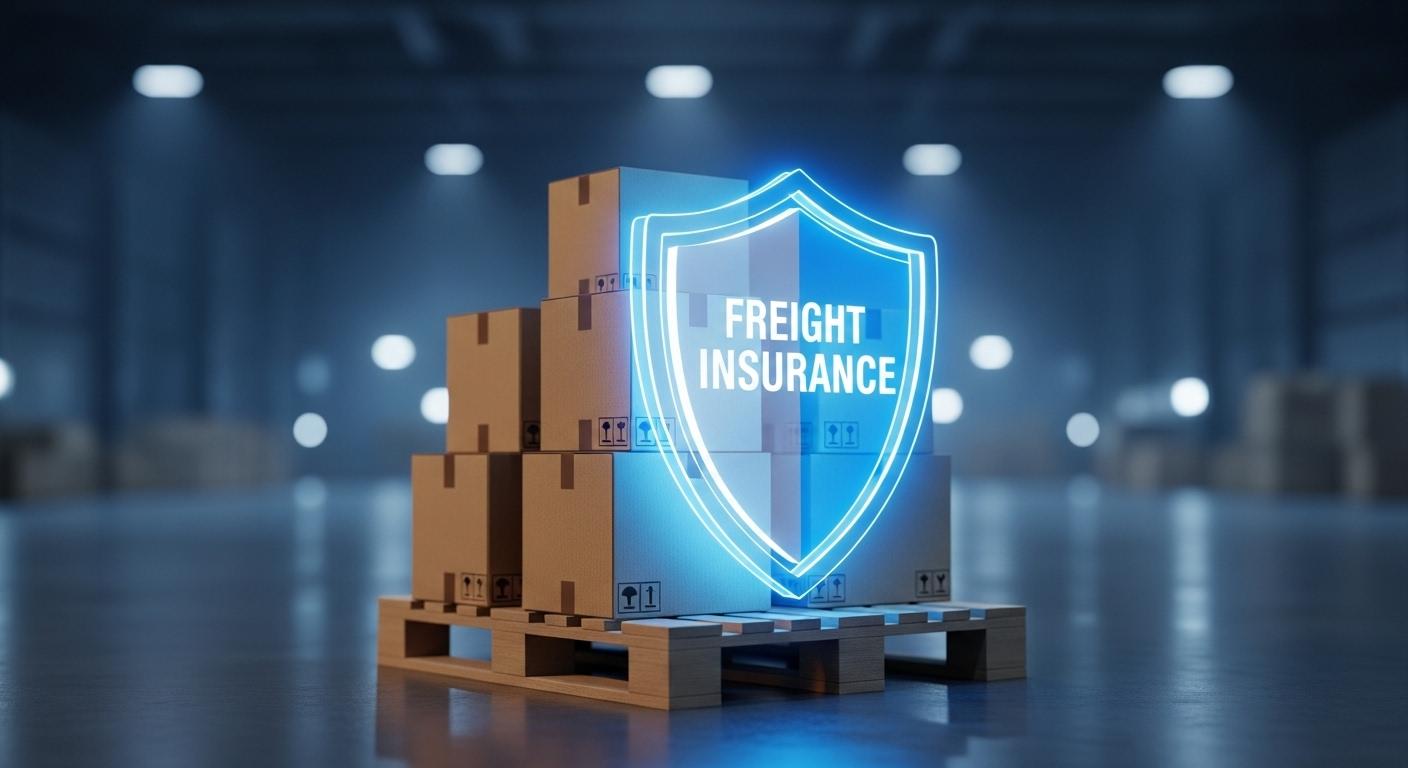
Freight insurance, often overlooked until a crisis strikes, acts as a vital safety net for cargo in transit. It provides financial protection against potential losses or damages that can occur during the entire shipping process, whether by land, sea, or air. For businesses operating in Vietnam and engaging in international transportation, navigating these complexities requires more than just efficient freight forwarding; it demands robust risk management strategies, with freight insurance at its core. This article will delve into the intricacies of freight insurance, exploring its various types, the benefits it offers, the critical risks it mitigates, and why it’s an indispensable component of modern logistics management.
Table of Contents
- Understanding Freight Insurance: A Core Component of Logistics Management
- The Ever-Present Risks in Logistics and Supply Chain
- Demystifying Types of Freight Insurance
- The Tangible Benefits of Comprehensive Freight Insurance
- Market Trends and the Evolving Landscape of Freight Insurance
- Practical Lessons for Logistics Professionals
- How Scanwell Logistics Vietnam Can Help
- Conclusion
- Call to Action
- FAQ
Understanding Freight Insurance: A Core Component of Logistics Management
At its essence, freight insurance is a specialized form of insurance designed to protect goods from financial losses or damage while they are being transported from one location to another. Whether goods are moving across continents via ocean freight, expedited by air cargo, or distributed locally via road transport, they are exposed to a myriad of risks. Unlike carrier liability, which often has significant limitations based on weight or value and specific conditions, freight insurance offers broader and more comprehensive coverage.
This critical component of logistics management provides peace of mind for businesses, ensuring that their investment in inventory and raw materials is protected. Without adequate freight insurance, a business could face catastrophic financial losses from a damaged or lost shipment, potentially disrupting supply chain operations, delaying product launches, and harming customer relationships. It’s not merely a reactive measure but a proactive strategy for effective risk mitigation in an increasingly unpredictable global trade environment.
Understanding what is freight insurance involves recognizing its role in mitigating losses due to common shipping incidents, but also protecting against more complex international challenges. It’s about securing the capital tied up in goods during their vulnerable journey through various transit points, ensuring that unexpected events do not derail a company’s financial stability or operational efficiency.
The Ever-Present Risks in Logistics and Supply Chain
The journey of cargo across the global supply chain is fraught with a diverse array of risks, each capable of causing significant financial and operational setbacks. From the moment goods leave the warehouse until they reach their final destination, they are vulnerable. Effective risk management hinges on identifying and preparing for these challenges, and freight insurance plays a pivotal role in this preparedness.
- Theft and Pilferage: Theft remains one of the most common causes of loss or damage during transit. This can range from opportunistic pilferage of individual items to organized large-scale theft of entire shipments, impacting cargo across all modes of transport and storage points within the distribution network.
- Physical Damage to Goods: Cargo can suffer damage due to various factors, including improper handling, inadequate packaging, shifting within the container during transit, accidents involving transport vehicles, or exposure to adverse conditions like extreme temperatures or moisture.
- Shipping Delays: Delays are a persistent challenge in logistics. They can be triggered by numerous factors such as port congestion, customs clearance issues, weather events, labor strikes, mechanical breakdowns, or even geopolitical events. While insurance doesn’t prevent delays, it can provide financial protection against losses that occur due to prolonged transit times, such as spoilage of perishable goods or missed market opportunities.
- International Challenges: Global transportation exposes shipments to complex risks beyond domestic concerns. These include:
- Political Instability: Unrest, conflict, or sudden policy changes in a region can halt shipments, leading to diversions, delays, or even confiscation.
- Cyber Threats: Increasingly prevalent in the digitalized logistics industry, cyberattacks can disrupt operations, compromise sensitive data, or even lead to physical losses if systems controlling cargo movement are affected.
- Environmental Hazards & Natural Disasters: Shipments are vulnerable to events like hurricanes, earthquakes, floods, tsunamis, and extreme weather. These can destroy infrastructure, delay transit, or directly damage goods.
- Piracy: Particularly relevant for marine insurance, piracy remains a threat in certain international waters, leading to cargo theft and significant disruptions.
Each of these risks underscores the necessity of robust financial protection. Businesses engaging in intricate supply chain networks, especially those involved in international trade, must consider freight insurance as a non-negotiable part of their overall logistics strategy.
Demystifying Types of Freight Insurance
While the general concept of freight insurance is straightforward – protecting cargo during transit – the specific types available cater to different modes of transport and specific cargo needs. Understanding these distinctions is crucial for selecting the most appropriate coverage for your shipments and ensuring comprehensive financial protection.
- Cargo Insurance:
This is the most overarching type of freight insurance, designed to protect against loss or damage to goods during transit by any mode of transportation. Cargo insurance can cover a wide range of perils, from accidents and theft to natural disasters and general average. It’s often highly customizable, allowing businesses to choose coverage levels based on the value of their goods, the nature of the cargo (e.g., perishable, fragile, high-value), and the specific risks associated with their shipping routes. It’s essential for any business shipping goods, offering broad coverage that goes beyond the limited liability of carriers.
- Marine Insurance:
Specifically tailored for goods transported by sea, marine insurance protects against losses or damages incurred during ocean voyages. This type of insurance is particularly complex due to the unique risks associated with maritime transport, including severe weather, grounding, collision, piracy, and the concept of “general average.” General average is a principle in maritime law where all parties in a sea venture (ship owner and cargo owners) proportionally share losses resulting from a voluntary sacrifice of part of the ship or cargo to save the whole in an emergency. Marine insurance is indispensable for international transportation via ocean freight, offering specific clauses for different types of cargo and voyages.
- Aviation Insurance:
As the name suggests, aviation insurance provides coverage for goods transported by air. While air freight is often considered faster and sometimes safer due to reduced transit times, it is not without its risks. These can include accidents, theft at airports, handling errors, and exposure to extreme conditions in cargo holds. Aviation insurance is vital for time-sensitive, high-value, or fragile cargo where quick delivery is paramount, and the potential impact of loss or damage is significant. It ensures that businesses are protected against the unique perils associated with air cargo operations.
Beyond these primary categories, policies can be further customized for specific needs, such as “all-risk” coverage (covering almost all eventualities unless specifically excluded) or “named perils” coverage (covering only risks explicitly listed). Consulting with a logistics expert or insurance broker is recommended to determine the best freight insurance strategy for your specific supply chain requirements.
The Tangible Benefits of Comprehensive Freight Insurance
Investing in freight insurance is not merely an expense; it’s a strategic investment that yields several significant benefits for businesses engaged in logistics and trade. These advantages extend beyond simply recovering losses, contributing to overall business resilience and competitive advantage.
- Robust Financial Protection:
The primary benefit of freight insurance is the financial safeguard it provides. In the event of loss or damage to goods, the insurance policy covers the declared value of the cargo, preventing significant financial setbacks. This protection is crucial for maintaining cash flow, especially for businesses with high-value shipments or tight operating margins. It ensures that capital tied up in inventory is not permanently lost due to unforeseen incidents during transit. Without this, businesses would have to absorb the full cost of lost goods, which could be crippling.
- Reduced Risk Exposure:
By transferring the financial risk of transportation to an insurer, businesses significantly reduce their overall risk exposure. This proactive approach helps mitigate potential disruptions caused by unexpected events such as theft, natural disasters, or accidents. While insurance cannot prevent these events, it ensures that their financial consequences are managed, allowing businesses to recover and resume operations more swiftly. This is particularly important for complex supply chain operations involving multiple modes of transport and international borders, where the likelihood of encountering various risks is higher.
- Increased Confidence and Business Continuity:
The presence of comprehensive freight insurance fosters greater confidence among all stakeholders – shippers, carriers, and even customers. Shippers gain peace of mind knowing their goods are protected, reducing anxiety about potential losses. This confidence translates into smoother business operations, as companies can focus on their core activities rather than constantly worrying about the safety of their cargo. For carriers and freight forwarders, offering or facilitating access to robust insurance solutions enhances their reputation as reliable partners, committed to customer satisfaction and risk management. Ultimately, it strengthens the entire supply chain by providing a crucial layer of security, thus aiding in business continuity even when disruptions occur.
These benefits collectively underscore why freight insurance is not an optional extra but an essential part of a well-managed logistics strategy, particularly for companies operating in competitive global markets like Vietnam.
Market Trends and the Evolving Landscape of Freight Insurance
The freight insurance market is dynamic, reflecting the ever-changing global economic and logistical landscape. Recent years have seen significant shifts, driven by factors such as increased global trade volumes, heightened geopolitical tensions, supply chain vulnerabilities exposed by events like the pandemic, and the growing complexity of logistics operations. These factors are influencing both the demand for and the pricing of freight insurance.
- Rising Premiums:
According to a study by the National Association of Insurance Commissioners, cargo insurance premiums have increased by an average of 10% over the past five years. This trend reflects a combination of factors, including a higher frequency and severity of claims, increased valuation of goods, and the broader inflationary pressures impacting all sectors. Insurers are also factoring in the rising costs associated with mitigating new and emerging risks, such as sophisticated cargo theft rings and the financial implications of extended transit times due to disruptions.
- Projected Market Growth:
Despite rising premiums, the demand for freight insurance continues to grow. A report by Grand View Research projects the global freight insurance market to expand at a Compound Annual Growth Rate (CAGR) of 5.5% from 2023 to 2028. This growth is fueled by the expansion of international trade, the increasing value of goods being shipped, and a heightened awareness among businesses of the critical need for robust risk management. As supply chains become more interconnected and complex, the imperative to protect cargo from a wider array of risks becomes more pronounced.
- Technological Integration and Data Analytics:
The freight insurance sector is increasingly leveraging technology and data analytics to improve risk assessment, policy customization, and claims processing. Advanced telematics, IoT sensors, and AI-driven platforms are providing better visibility into cargo movements and potential risk factors in real-time. This enables insurers to offer more tailored policies and for businesses to demonstrate proactive risk management, potentially influencing premium costs and coverage terms. The future of freight insurance will likely see greater integration with supply chain visibility platforms, offering predictive insights into potential disruptions.
These trends highlight that freight insurance is not a static product but an evolving service adapting to global trade’s complexities. Businesses must stay informed about these market dynamics to make informed decisions about their cargo protection strategies.
Practical Lessons for Logistics Professionals
In an environment shaped by increased supply chain volatility and rising costs, understanding and effectively utilizing freight insurance is more critical than ever. Here are practical lessons for logistics professionals to navigate this essential aspect of cargo protection:
- Understand Carrier Liability Limitations: Never assume the carrier’s liability provides full coverage. Carrier liability is almost always limited by law or contract, often based on weight or package count, and typically does not cover the full commercial value of your goods. Freight insurance bridges this critical gap, providing comprehensive protection for the actual value of your cargo.
- Assess Your Risks Accurately: Conduct a thorough risk assessment for each shipment. Consider the nature of the goods (fragile, perishable, high-value), the chosen mode of transport (ocean, air, road), the specific route (known areas of piracy, political instability), and potential environmental hazards. Tailor your insurance coverage to these specific risks.
- Choose the Right Type and Scope of Coverage: Differentiate between “all-risk” policies and “named perils” policies. All-risk coverage generally provides broader protection for all losses unless specifically excluded, while named perils cover only those risks explicitly listed. For most international shipments, all-risk is preferable. Ensure the policy covers door-to-door, including any interim warehousing.
- Document Everything Diligently: In the event of a claim, thorough documentation is paramount. This includes proof of value (invoices), packing lists, bills of lading, photos of cargo before and after loading, and immediate notification of damage or loss to the carrier and insurer. Poor documentation can delay or even invalidate a claim.
- Partner with Experienced Professionals: Work with a reputable freight forwarder or logistics provider who understands the nuances of freight insurance and can guide you through the process. They can help you secure appropriate coverage, simplify documentation, and assist with claims handling, ensuring a smoother experience.
- Implement Proactive Loss Prevention Measures: While insurance is a safeguard, prevention is always better. Invest in proper packaging, secure loading practices, real-time tracking, and choose reliable carriers. Proactive measures can reduce the likelihood of incidents and potentially lower insurance costs over time.
By integrating these practical lessons into your logistics strategy, businesses can not only protect their assets but also enhance their overall supply chain resilience and operational efficiency.
How Scanwell Logistics Vietnam Can Help
At Scanwell Logistics Vietnam, we understand that comprehensive freight insurance is a critical element of a robust and reliable supply chain. As your trusted logistics partner, we go beyond simply moving your cargo; we focus on ensuring its safety and protecting your financial interests every step of the way. Navigating the complexities of international trade and the myriad risks involved can be daunting, but with Scanwell, you gain an experienced ally equipped to provide tailored solutions.
While Scanwell Logistics Vietnam primarily focuses on expert freight forwarding, customs brokerage, and comprehensive logistics services, we seamlessly integrate the importance of freight insurance into our service offerings. We can guide our clients through the process of securing appropriate cargo insurance, ensuring their goods are adequately protected against the diverse risks highlighted in this article – from theft and damage to international challenges and natural disasters. Our expertise in risk management and deep understanding of global trade lanes allow us to advise on the best coverage options for your specific cargo and routes, enhancing your peace of mind and securing your investments.
Partnering with Scanwell Logistics Vietnam means entrusting your cargo to a team that prioritizes security, efficiency, and transparency. We help you connect with reliable insurance providers and understand the nuances of various policies, ensuring you have the right protection for your valuable shipments.
- Ocean freight (FCL/LCL): Secure and efficient sea transport on key global trade lanes, with guidance on marine insurance.
- Air freight solutions: Fast and reliable air cargo services for time-sensitive goods, backed by aviation insurance recommendations.
- Warehousing, distribution and value-added services: Secure storage and efficient distribution network, with advice on extended coverage for goods in transit and storage.
- Domestic and cross-border trucking: Reliable land transport solutions throughout Vietnam and into neighboring countries, with attention to road cargo insurance.
- Customs brokerage and trade compliance support: Expert navigation of complex customs procedures, minimizing delays and mitigating compliance risks that could impact your insured cargo.
- Technology-enabled visibility: Real-time tracking and visibility solutions that empower proactive risk management and inform insurance needs.
Conclusion
The question of “What is freight insurance?” leads us to the undeniable conclusion that it is an indispensable pillar of modern logistics management. In an era of increasing global trade complexities, unpredictable geopolitical landscapes, and ever-present risks like theft, damage, and natural disasters, relying solely on carrier liability is a precarious gamble. Freight insurance provides a crucial layer of financial protection, allowing businesses to mitigate risks, ensure business continuity, and foster greater confidence across their entire supply chain.
By understanding the different types of coverage – cargo, marine, and aviation insurance – and the specific risks each addresses, logistics leaders can make informed decisions that safeguard their valuable assets. The ongoing growth of the global freight insurance market, coupled with rising premiums, underscores the industry’s recognition of this essential service. For businesses operating in Vietnam and participating in international trade, comprehensive freight insurance is not just a policy; it’s a strategic investment in resilience and peace of mind.
Proactive risk management, diligent documentation, and strategic partnerships with experienced logistics providers like Scanwell Logistics Vietnam are key to successfully navigating the intricacies of cargo protection. As the global supply chain continues to evolve, embracing robust freight insurance solutions will remain a hallmark of forward-thinking and secure logistics operations.
Call to Action
Ready to turn these logistics insights into real competitive advantages?
Explore Scanwell Logistics Vietnam
Contact our experts for tailored support
FAQ
What does freight insurance cover?
Freight insurance typically covers financial losses due to damage, theft, or loss of goods during transit. This can include incidents like accidents, natural disasters, piracy, political instability, and even some cyber threats depending on the policy. The specific coverage varies by policy type (e.g., Cargo, Marine, Aviation) and the chosen terms (e.g., “all-risk” vs. “named perils”).
How is freight insurance different from carrier liability?
Carrier liability is the legal responsibility a carrier has for goods in their care, but it is often very limited. It’s usually based on the weight or package count, not the actual commercial value of the goods, and only applies under specific conditions (e.g., negligence by the carrier). Freight insurance, on the other hand, is a separate policy purchased by the shipper that provides comprehensive coverage for the full value of the goods against a much broader range of perils, regardless of carrier fault.
Why is freight insurance particularly important for international shipping?
International shipping introduces a multitude of additional risks that are often beyond the control of individual carriers or shippers. These include complex customs regulations, longer transit times, exposure to varying geopolitical climates, increased risk of piracy or theft, and more severe environmental hazards. Freight insurance provides essential financial protection against these amplified international challenges, which can be particularly costly if losses occur.
How can businesses ensure they choose the right freight insurance policy?
To choose the right policy, businesses should first assess the specific risks associated with their cargo, mode of transport, and routes. It’s crucial to understand the difference between “all-risk” and “named perils” coverage and ensure the policy covers the full commercial value of goods. Partnering with an experienced logistics provider like Scanwell Logistics Vietnam can be invaluable. We can help assess your needs, connect you with reliable insurance options, and ensure your cargo is appropriately protected, making the process simpler and more effective.