Real-Time Tracking Is the New Currency of Customer Trust in Logistics
Estimated reading time: 8 minutes
In today’s fast-paced global economy, the logistics industry is undergoing a significant transformation, driven largely by evolving customer expectations and technological advancements. At the heart of this shift lies a crucial element: real-time tracking. No longer just a value-added service, real-time tracking has emerged as the new currency of customer trust, fundamentally reshaping how businesses interact with their supply chains and end-consumers. This unparalleled visibility into the movement of goods is redefining transparency, efficiency, and customer satisfaction across the board.
The rise of e-commerce has amplified consumer demands for complete transparency in the shipping process. Businesses, particularly those operating in dynamic markets like Vietnam, must adapt quickly to these expectations or risk being left behind. Implementing robust real-time tracking systems offers a powerful solution, enabling companies to not only meet but exceed these demands, thereby strengthening relationships and fostering loyalty. This article will delve into the critical role of real-time tracking, exploring its myriad benefits, the challenges of its adoption, and how it can be leveraged to drive growth and operational excellence.
From significant cost savings and improved delivery performance to providing invaluable data insights for strategic decision-making, real-time tracking is becoming an indispensable component of a successful logistics strategy. We will examine the key trends, highlight important statistics, and offer practical lessons for logistics professionals aiming to future-proof their operations and build enduring customer trust in a competitive landscape.
Table of Contents
- Understanding Real-Time Tracking in the Logistics Context
- Key Trends and Data Shaping Real-Time Tracking Adoption
- Operational Impacts on Logistics and Supply Chains
- Challenges and Opportunities in Implementing Real-Time Tracking
- Practical Lessons for Logistics Professionals
- How Scanwell Logistics Vietnam Can Help
- Conclusion
- Call to Action
- FAQ
Understanding Real-Time Tracking in the Logistics Context
Real-time tracking is fundamentally revolutionizing the logistics industry by offering immediate, continuous updates on the location and status of shipments. This technology leverages GPS, IoT sensors, and advanced connectivity to provide end-to-end visibility throughout the supply chain, from the moment a product leaves the warehouse until it reaches its final destination. Its importance has grown exponentially, especially as global supply chains become more intricate and customer expectations for transparency reach unprecedented levels.
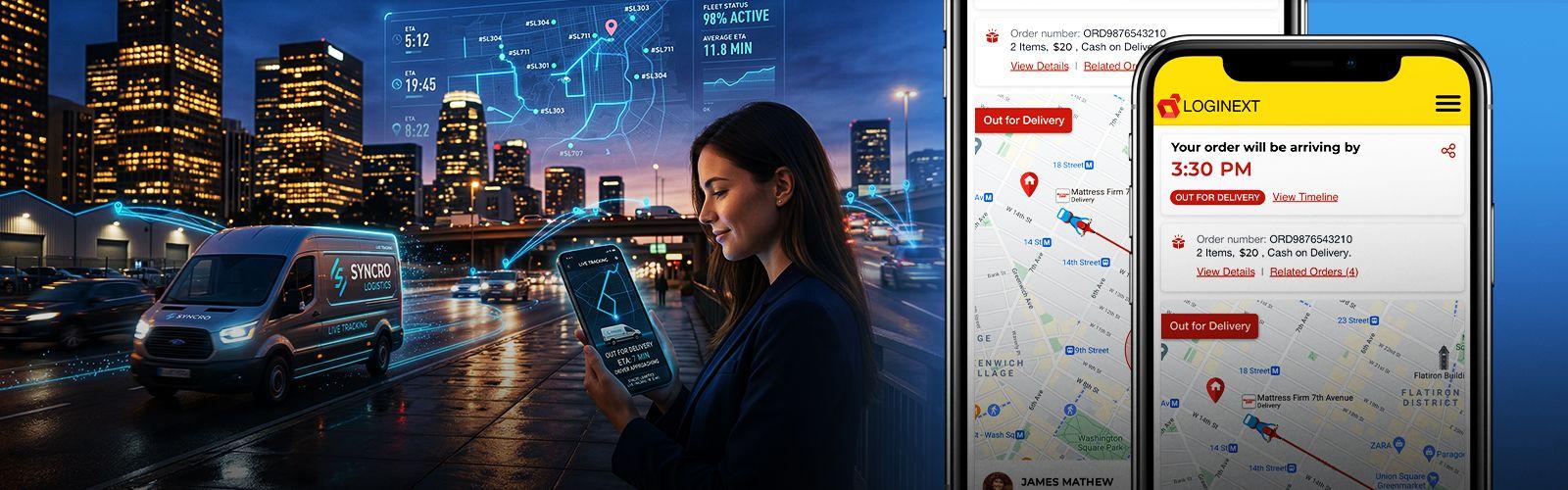
The primary driver behind this surge in demand for real-time tracking is the modern consumer’s expectation, largely shaped by the ubiquity of e-commerce. Consumers today no longer accept vague delivery windows or a lack of information post-purchase. They expect detailed, up-to-the-minute updates, much like they would track a ride-sharing service or a food delivery. This expectation transforms real-time tracking from a mere feature into a critical component for building and maintaining customer trust. When a company provides this level of transparency, it signals a commitment to communication and accountability, which in turn fosters stronger, more lasting customer relationships.
For logistics companies, embracing real-time tracking means moving beyond traditional, static tracking points. It involves integrating sophisticated systems that can capture and disseminate data continuously, offering benefits far beyond just satisfying customer curiosity. It empowers businesses with a deeper understanding of their operations, enabling proactive problem-solving and strategic optimization, thereby cementing its role as a key differentiator in a competitive market.
Key Trends and Data Shaping Real-Time Tracking Adoption
The logistics industry is witnessing a clear trend towards greater transparency and data-driven decision-making, with real-time tracking at its core. This shift is not merely anecdotal but supported by compelling data that underscores its transformative power. Companies that invest in these systems are positioning themselves at the forefront of innovation and customer satisfaction.
- Elevated Customer Expectations: A significant 80% of customers now expect real-time updates on their shipment status, according to the Logistics Managers Association. This statistic highlights that real-time visibility is no longer a premium service but a baseline expectation. Businesses that fail to meet this demand risk alienating a large segment of their customer base, diminishing trust and potentially impacting long-term loyalty.
- Substantial Cost Savings: Beyond customer satisfaction, real-time tracking offers tangible financial benefits. A study by The Journal of Supply Chain Management indicates that companies implementing real-time tracking systems can achieve cost savings of up to 30% on support costs. This reduction is primarily due to a decreased need for manual follow-up inquiries and customer service calls, as customers can self-serve for shipment information.
- Leveraging AI-Powered Analytics: The true power of real-time tracking is amplified when combined with advanced analytics, especially those powered by Artificial Intelligence (AI). Forbes highlights that AI-powered analytics can provide valuable insights into shipment performance, enabling data-driven strategies to enhance efficiency. This means moving beyond merely knowing where a shipment is, to understanding patterns, predicting potential delays, and optimizing routes and schedules dynamically. Such capabilities transform raw data into actionable intelligence, driving continuous improvement across logistics operations.
These trends collectively paint a picture of an industry rapidly evolving towards digital solutions that prioritize both operational efficiency and an enhanced customer experience. The integration of real-time tracking with AI represents a significant leap forward, offering a competitive edge to companies willing to embrace these technological advancements.
Operational Impacts on Logistics and Supply Chains
The ripple effects of real-time tracking extend far beyond customer-facing benefits, profoundly impacting the internal operations of logistics and supply chain management. By providing unprecedented visibility and data, these systems empower companies to streamline processes, improve performance, and make more informed strategic decisions.
One of the most significant operational advantages is the improvement in delivery performance. With constant updates on shipment locations and potential delays, logistics companies can identify bottlenecks in real-time. This allows for immediate adjustments to routes or schedules, minimizing disruptions and ensuring faster delivery times. For instance, if a vehicle encounters unexpected traffic or a mechanical issue, dispatchers can reroute other vehicles or notify customers proactively, reducing late deliveries and improving overall service quality. This proactive approach significantly contributes to higher satisfaction rates for customers, who value reliability and timely communication.
Furthermore, real-time tracking generates a wealth of data about shipment performance. This data, when analyzed, provides valuable insights into every segment of the supply chain. Companies can identify inefficient routes, underutilized assets, or common points of delay. By leveraging these insights, logistics managers can implement data-driven strategies to optimize their entire operation. This optimization can lead to more efficient resource allocation, better inventory management by predicting arrival times more accurately, and enhanced warehouse management through improved inbound scheduling.
The reduction in manual follow-up and support inquiries, as mentioned in the context of cost savings, also frees up personnel who can then focus on more strategic tasks rather than reactive problem-solving. This reallocation of human resources contributes to overall operational efficiency and can enhance employee productivity and job satisfaction. For freight forwarding, this means more efficient load planning, better carrier negotiations based on performance data, and superior risk management for valuable cargo.
In essence, real-time tracking transforms reactive logistics into proactive logistics. It enables a continuous feedback loop that allows for ongoing improvement and adaptation, making supply chains more resilient and responsive to dynamic market conditions. This agility is crucial for businesses navigating the complexities of global trade and rapidly changing consumer demands.
Challenges and Opportunities in Implementing Real-Time Tracking
While the benefits of real-time tracking are compelling, its implementation is not without hurdles. Understanding these challenges and concurrently recognizing the vast opportunities they present is crucial for successful adoption within the logistics sector.
Key Challenges
- Significant Technology Infrastructure Investments: The primary barrier to entry for many companies is the need for substantial investments in technology infrastructure. This includes acquiring tracking hardware (GPS devices, IoT sensors), implementing robust software platforms for data collection and analysis, and ensuring reliable connectivity across diverse operational environments. Such capital expenditure can be daunting, especially for smaller or medium-sized enterprises.
- Personnel and Training Requirements: Implementing new technology invariably requires adequate personnel and comprehensive training. Logistics teams must be trained to effectively manage, monitor, and interpret the data generated by real-time tracking systems. Without the right skills, even the most advanced systems can fail to deliver their full potential, leading to underutilization and missed opportunities.
- Risk of Data Overload: While data is an asset, an unmanaged influx of real-time data can quickly become a liability. Without proper systems for filtering, analyzing, and presenting information in an actionable format, logistics professionals can experience data overload. This can lead to confusion, slow decision-making, and a failure to extract meaningful insights from the vast amounts of available information.
Opportunities for Growth
- Leveraging AI-Powered Logistics Software: The solution to many of the challenges, particularly data overload and optimization, lies in embracing AI-powered logistics software. Such software can process vast datasets, identify trends, predict outcomes, and automate decision-making, leading to significant cost savings and improved delivery performance. AI transforms raw data into intelligent, actionable insights.
- Enhancing Customer Trust and Loyalty: Real-time tracking inherently fosters transparency, which is a cornerstone of customer trust. By demonstrating a commitment to clear communication and providing customers with the information they demand, companies can build stronger relationships and cultivate loyalty. This trust translates into repeat business and positive brand reputation.
- Developing Data-Driven Strategies for Optimization: The insights gained from real-time tracking data allow logistics companies to move from reactive to proactive management. This enables the development of sophisticated, data-driven strategies to optimize operations, enhance efficiency, and drive sustainable growth. From route optimization and predictive maintenance to demand forecasting and inventory placement, the strategic possibilities are immense.
Addressing these challenges head-on and capitalizing on the opportunities presented by real-time tracking and AI integration is vital for logistics companies aiming to stay competitive and meet the evolving needs of their customers.
Practical Lessons for Logistics Professionals
For logistics professionals looking to harness the power of real-time tracking and elevate their operations, several practical steps and strategic considerations are paramount. Embracing this “new currency of trust” requires a holistic approach that integrates technology, process, and people.
- Invest Strategically in Technology: Prioritize investments in robust real-time tracking systems and, crucially, in AI-powered logistics software. Start with pilot programs to test and refine solutions before full-scale deployment. Focus on systems that offer scalability, integration capabilities with existing platforms, and intuitive user interfaces.
- Foster a Culture of Transparency: Extend real-time visibility not only to external customers but also internally across your organization. Empower your customer service, sales, and operations teams with access to tracking data. This internal transparency can streamline communication, improve inter-departmental collaboration, and accelerate problem-solving.
- Leverage Data for Continuous Improvement: Don’t just collect data; analyze it. Implement analytical tools and processes to identify patterns, bottlenecks, and areas for efficiency gains. Use these insights to refine routes, optimize inventory levels, and enhance warehouse management. Regularly review performance metrics to ensure strategies remain effective.
- Prioritize Training and Skill Development: Ensure your team is well-versed in operating the new tracking systems and interpreting the data. Invest in ongoing training programs to develop analytical skills and technical proficiency. A well-trained workforce is essential for maximizing the return on your technology investment.
- Collaborate with Reliable Partners: Work with logistics partners and technology providers who have proven expertise in real-time tracking and supply chain visibility. A strong partnership can provide access to advanced technology, industry best practices, and support in navigating the complexities of implementation and management.
- Address Data Security and Privacy: As you collect more data, ensure robust measures are in place for data security and privacy compliance. Protecting sensitive shipment and customer information is critical for maintaining trust and avoiding reputational damage.
By adopting these practical lessons, logistics professionals can effectively transition into an era where real-time tracking is not just a technological capability but a strategic imperative that underpins customer trust and operational excellence.
How Scanwell Logistics Vietnam Can Help
At Scanwell Logistics Vietnam, we understand that real-time tracking is more than a trend—it’s a fundamental shift in how successful businesses operate and build customer loyalty. As a leading logistics provider, we are committed to equipping our clients with the tools and services necessary to thrive in this new landscape of transparency and efficiency. We recognize the challenges of implementing advanced tracking solutions and offer integrated services designed to alleviate these burdens while delivering maximum value.
Our expertise spans the entire supply chain, enabling us to integrate advanced visibility features across various modes of transport and warehousing solutions. We leverage modern technology to provide granular insights into your cargo’s journey, helping you meet customer expectations for transparency and empower your internal teams with actionable data. By partnering with Scanwell Logistics Vietnam, you gain access to a comprehensive suite of services underpinned by a commitment to real-time communication and operational excellence.
We facilitate a seamless flow of information, allowing you to track your shipments, anticipate potential issues, and make proactive decisions that enhance delivery performance and reduce operational costs. Our solutions are tailored to support businesses looking to transform their logistics operations, build stronger customer relationships, and stay ahead in a competitive global market.
- Ocean Freight: Comprehensive FCL/LCL solutions on key trade lanes, enhanced with real-time vessel tracking and port status updates.
- Air Freight: Fast and reliable air cargo services for time-sensitive shipments, with precise tracking from origin to destination.
- Warehousing & Distribution: Modern warehousing, inventory management, and efficient distribution services, featuring real-time stock levels and order fulfillment visibility.
- Domestic & Cross-Border Trucking: Seamless road transportation across Vietnam and neighboring countries, with GPS tracking for constant monitoring of your cargo.
- Customs Brokerage & Compliance: Expert guidance through complex customs procedures, ensuring smooth clearance and visibility on documentation status.
- Technology-Enabled Visibility: Integrated platforms that provide a single source of truth for all your logistics data, empowering data-driven decision-making.
Conclusion
The logistics industry is at a pivotal moment, with real-time tracking emerging not merely as a technological advancement but as the cornerstone of customer trust. The pervasive influence of e-commerce has redefined consumer expectations, making unparalleled shipment visibility a non-negotiable aspect of service quality. As we have explored, embracing real-time tracking transcends simple status updates; it provides a powerful mechanism for building lasting customer relationships, significantly reducing operational costs, and optimizing delivery performance through data-driven insights.
While the journey to implementing robust real-time tracking systems involves navigating challenges such as significant technological investments and the need for skilled personnel, the opportunities for growth far outweigh the hurdles. By leveraging AI-powered logistics software, companies can transform raw data into actionable intelligence, driving efficiency and fostering a proactive approach to supply chain management. This strategic adoption allows businesses to not only meet but exceed the evolving demands of their customers, securing a competitive edge in an increasingly dynamic market.
For logistics leaders, the message is clear: the future of logistics is transparent, data-rich, and customer-centric. Companies that proactively invest in and integrate real-time tracking capabilities will be better positioned to adapt to market shifts, enhance operational resilience, and, most importantly, solidify customer trust as the ultimate currency of long-term success. The time to act is now, transforming visibility into opportunity and trust into competitive advantage.
Call to Action
Ready to turn these logistics insights into real competitive advantages?
Explore Scanwell Logistics Vietnam
Contact our experts for tailored support
FAQ
Why is real-time tracking considered the “new currency of customer trust”?
With the rise of e-commerce, customers now expect unparalleled visibility into their shipments. Real-time tracking provides this transparency, offering continuous updates and demonstrating a company’s commitment to communication and accountability. This transparency builds confidence and fosters stronger, more lasting relationships, making it essential for earning and maintaining customer trust.
What are the main benefits of implementing real-time tracking for logistics companies?
The benefits are multifaceted: it significantly improves delivery performance by allowing companies to identify and address bottlenecks in real-time, leading to faster delivery times. It also generates substantial cost savings, potentially up to 30% on support costs, by reducing manual inquiries. Furthermore, real-time tracking provides valuable insights for data-driven optimization of operations and drives overall growth.
What are the key challenges in adopting real-time tracking systems?
The primary challenges include the need for significant investments in technology infrastructure (hardware and software), ensuring that companies have the necessary personnel and training to manage these systems effectively, and mitigating the risk of data overload if the vast amounts of generated information are not properly managed and analyzed.
How does AI-powered logistics software enhance real-time tracking?
AI-powered logistics software amplifies the value of real-time tracking by processing vast datasets to provide actionable insights. It helps in identifying patterns, predicting potential delays, optimizing routes and schedules dynamically, and automating decision-making. This transforms raw tracking data into strategic intelligence, further enhancing efficiency and performance.
How can logistics teams get started with implementing real-time tracking?
Logistics teams should begin by assessing their current capabilities and identifying critical areas for improvement. Strategic investment in scalable technology, comprehensive staff training, and fostering a culture of transparency are vital. Partnering with an experienced 3PL provider like Scanwell Logistics Vietnam can provide access to advanced infrastructure, expertise, and tailored solutions, significantly easing the implementation process and ensuring a higher return on investment.