Beyond the Headlines: What Penske’s Empowerment of Future Technicians at SkillsUSA Means for the Future of Logistics Talent
Estimated reading time: 10 minutes
The logistics industry is a dynamic ecosystem, constantly evolving to meet global trade demands, technological advancements, and shifting economic landscapes. At its core, however, lies an indispensable element: the skilled human workforce. While discussions often center on automated warehouses, AI-driven route optimization, and drone deliveries, the foundational role of expert technicians who keep fleets moving, machinery operational, and intricate systems running smoothly often receives less spotlight. It is precisely this critical segment of the workforce that initiatives like Penske’s empowerment of future technicians at the SkillsUSA National Conference brilliantly highlight, offering invaluable insights for the entire logistics sector, including the rapidly growing landscape in Vietnam.
The detailed engagement by Penske at the SkillsUSA event is more than just a corporate presence; it’s a strategic investment in the pipeline of talent essential for maintaining the intricate machinery of global supply chains. With thousands of students showcasing their abilities and connecting with industry leaders, the conference underscored a universal truth: the future of logistics hinges on attracting, training, and retaining a highly skilled technical workforce. This article will delve into the profound implications of such initiatives, exploring the trends, challenges, and opportunities that shape the development of logistics talent, and how companies can learn from these efforts to build a resilient and forward-thinking operational backbone.
Table of Contents
- Understanding the Imperative: Why Skilled Technicians are the Backbone of Modern Logistics
- Key Trends and Data Shaping the Logistics Workforce Landscape
- Operational Impacts: How Talent Development Influences Supply Chain Resilience
- Practical Lessons for Logistics Professionals and Businesses
- How Scanwell Logistics Vietnam Can Help
- Conclusion
- Call to Action
- FAQ
Understanding the Imperative: Why Skilled Technicians are the Backbone of Modern Logistics
In an industry increasingly driven by speed, precision, and technology, the unsung heroes are often the highly skilled technicians who ensure that the physical assets of logistics operations run without a hitch. From the complex engines of modern trucks and aircraft to the sophisticated conveyor systems in warehouses and advanced diagnostic tools for fleet management, every piece of equipment requires expert hands for maintenance, repair, and optimization. Without this crucial technical expertise, even the most advanced logistics networks would grind to a halt.
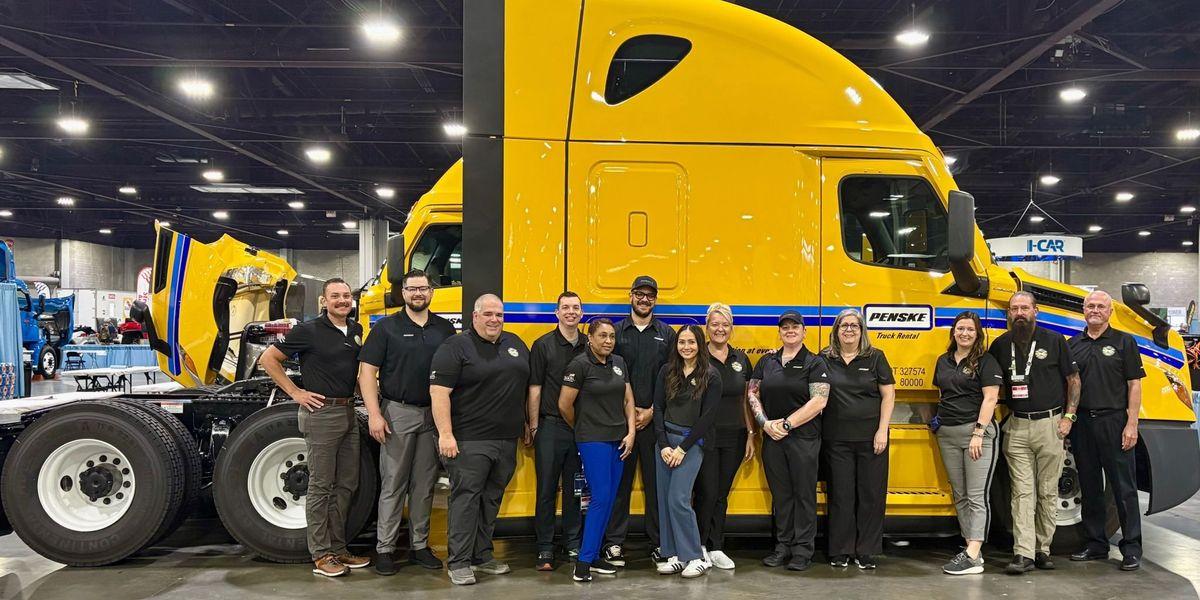
The presence of over 17,500 attendees and 6,800 student competitors at the 2023 SkillsUSA National Leadership and Skills Conference underscores the significant recognition of skilled trades. For the eleventh consecutive year, Penske’s involvement highlights a sustained commitment to identifying and nurturing this talent. Their focus at the conference — building community, creating career connections, and investing in the future of skilled trades — mirrors the broader needs of the logistics industry globally. These are the individuals who possess the hands-on experience and technical acumen to tackle real-world challenges, making them indispensable for operational efficiency and service reliability.
The logistics sector relies heavily on these skilled professionals, not just for reactive repairs but also for proactive maintenance, optimizing equipment performance, and ensuring safety compliance. In Vietnam, where economic growth fuels a rapidly expanding logistics infrastructure, the demand for such skilled workers is intensifying. As fleets expand and warehouse automation becomes more prevalent, the need for technicians proficient in diesel equipment technology, advanced diagnostics, and complex mechanical systems will only grow. This foundational workforce directly impacts a company’s ability to offer reliable domestic and international freight services, manage complex supply chains, and ultimately, deliver on customer expectations.
Key Trends and Data Shaping the Logistics Workforce Landscape
The logistics industry is undergoing a profound transformation, and the demands on its workforce are changing dramatically. The engagement exemplified by Penske’s empowerment of future technicians at the SkillsUSA National Conference provides a vivid illustration of several critical trends shaping the talent pipeline for logistics operations worldwide.
-
The Evolving Skills Gap and Talent Scarcity:
The research emphasizes that students competing at SkillsUSA are “the best of the best in their skilled trade throughout the USA,” representing “the next generation entering our industry.” This statement, from Rick Labadie, director of staffing at Penske, speaks to a broader challenge: a persistent shortage of highly qualified technicians. As older generations retire, there aren’t enough new entrants with the specialized skills needed for modern equipment. The logistics industry, particularly in areas like heavy-duty truck maintenance and specialized cargo handling, faces intense competition for this talent. Companies that actively engage in talent development, like Penske, gain a significant competitive edge in attracting these crucial professionals.
-
Technological Advancements and the Need for Adaptability:
Modern logistics vehicles and warehouse equipment are increasingly sophisticated, incorporating advanced electronics, telematics, and emissions control systems. Penske’s booth at SkillsUSA featured a “brand-new Emissions/Aftertreatment station” and showcased “latest tools, trucks, and technology through various interactive exhibits.” This highlights the shift from purely mechanical skills to a blend of mechanical, electrical, and diagnostic proficiencies. Technicians must now be adept at using computer-based diagnostic tools, interpreting complex data, and understanding intricate systems like those for emissions reduction. This necessitates continuous training and a curriculum that evolves with industry standards, ensuring future technicians are prepared for the technological reality of logistics.
-
Crucial Industry-Education Collaboration:
The partnership between Penske and SkillsUSA is a prime example of how industry leaders can directly influence and enhance vocational education. Greg Klever, manager of technical schools and partnership programs at Penske, not only led the integration of emissions technology into diesel equipment technology technical standards but was also elected co-chair of the National Diesel Equipment Technology competition. Such direct involvement ensures that technical training programs reflect current industry practices and future needs. This proactive approach helps bridge the gap between academic learning and real-world application, making students more job-ready and valuable to employers from day one. For logistics companies, fostering similar relationships with technical schools and universities is vital for building a sustainable talent pipeline.
-
The Power of Mentorship, Community, and Career Pathways:
The research details “notable human moments” such as a student gifting a prize tool to a family member and another representing Penske gear on Fox Business. These anecdotes underscore the human element: the importance of mentorship, professional networking, and a sense of community. Penske’s strategy included providing “inspiration from industry leaders and role models,” “community support, mentorship, and lasting professional networks,” and “direct recruiter connections.” For students, knowing there’s a clear career path and supportive environment is a powerful incentive to enter and stay in the skilled trades. Logistics companies should emulate this by creating clear career progression, mentorship programs, and a culture that values and recognizes its technical staff.
Operational Impacts: How Talent Development Influences Supply Chain Resilience
The health of a logistics operation is intrinsically linked to the skill level of its technical workforce. A robust talent development strategy, inspired by initiatives like Penske’s at SkillsUSA, directly translates into tangible operational benefits that enhance supply chain resilience, reduce costs, and improve customer satisfaction.
Firstly, a well-trained pool of technicians directly impacts fleet uptime and efficiency. Modern logistics heavily relies on consistent and reliable transportation, whether by road, air, or sea. For road transport, skilled diesel mechanics are essential for maintaining trucks, ensuring they meet safety standards, fuel efficiency benchmarks, and regulatory requirements. When technicians are proficient in advanced diagnostics, they can identify and rectify issues quicker, reducing vehicle downtime and preventing costly breakdowns. This means more trucks on the road, more deliveries on time, and a more efficient flow of goods through the supply chain. Conversely, a shortage of skilled mechanics can lead to prolonged vehicle repairs, missed delivery windows, and ultimately, a loss of customer trust and business.
Secondly, skilled technicians are vital for the effective implementation and maintenance of warehouse automation and distribution systems. As logistics providers increasingly adopt automated storage and retrieval systems (AS/RS), robotics, and complex conveyor belts, the need for technicians who can install, troubleshoot, and maintain these sophisticated systems grows. A well-trained technical team ensures that these expensive assets operate at peak performance, minimizing disruptions to inventory management, order fulfillment, and overall distribution efficiency. Their ability to handle “hands-on experience with real-world technology and tools,” as offered by Penske, is paramount for success in an automated warehousing environment.
Moreover, investing in skilled talent contributes significantly to cost reduction and risk management. Proactive maintenance by expert technicians can extend the lifespan of equipment, deferring capital expenditures on new assets. Their ability to perform accurate diagnostics and repairs reduces the likelihood of catastrophic failures, which can be immensely expensive in terms of repair costs, cargo damage, and liability. Furthermore, adherence to maintenance schedules and expert repairs ensures compliance with various safety and environmental regulations, mitigating legal and reputational risks. In essence, a highly capable technical workforce acts as a critical buffer against operational disruptions, directly bolstering the resilience of the entire supply chain network.
Finally, the availability of skilled talent directly influences a company’s ability to innovate and adapt. As logistics technology continues to evolve – from electric vehicles and alternative fuels to advanced tracking and telematics – a workforce that is continually learning and upskilling is better equipped to integrate new solutions. Initiatives that involve students in shaping “the future of diesel education” and evolving competition standards, as seen with Greg Klever’s role at SkillsUSA, demonstrate how investing in talent development ensures that the industry remains at the forefront of technological adoption and operational excellence, ready to meet future logistics challenges.
Practical Lessons for Logistics Professionals and Businesses
The proactive approach exemplified by Penske at the SkillsUSA National Conference offers a blueprint for logistics companies looking to secure their future talent needs and enhance operational efficiency. Here are practical lessons for logistics professionals and businesses:
-
Invest in Continuous Training and Upskilling:
As technology advances, so too must the skills of your workforce. Implement regular training programs focused on advanced diagnostics, emissions technology, fleet telematics, and automation systems. Leverage digital tools and e-learning platforms to provide accessible, ongoing education for existing technicians, ensuring they remain proficient with the latest tools and techniques.
-
Foster Industry-Academic Partnerships:
Emulate Penske’s model by building strong relationships with vocational schools, colleges, and universities that offer logistics, automotive, and technical programs. Offer internships, apprenticeships, and guest lectures. Collaborate on curriculum development to ensure that graduates possess the skills truly needed by the industry today and in the future. This creates a direct pipeline for talent.
-
Cultivate a Strong Mentorship Culture:
Establish formal or informal mentorship programs where experienced technicians guide and support new entrants. This not only transfers invaluable institutional knowledge but also fosters a sense of community and loyalty, reducing turnover. The “family, mentorship, and shared opportunity” spirit seen at SkillsUSA is a powerful retention tool.
-
Showcase Career Opportunities and Fair Compensation:
Actively promote the diverse and rewarding career paths available in logistics technical roles, highlighting potential for growth, specialization, and leadership. Attend career fairs, host open days, and engage directly with potential recruits. Ensure compensation and benefits packages are competitive to attract and retain top talent, recognizing the specialized nature of their skills.
-
Integrate Latest Technology into Training and Operations:
Equip your workshops and training facilities with modern diagnostic tools, virtual reality simulations, and access to new vehicle technologies, mirroring Penske’s approach with their Emissions/Aftertreatment station. Providing hands-on experience with cutting-edge technology makes roles more appealing and ensures technicians are ready for the evolving demands of advanced logistics equipment.
-
Actively Participate in Industry Associations:
Get involved with local and national industry associations. This provides networking opportunities, allows for shared best practices, and offers a platform to influence policy and educational standards, much like Greg Klever’s leadership role in the SkillsUSA competition. Collective action can significantly amplify individual efforts in workforce development.
How Scanwell Logistics Vietnam Can Help
At Scanwell Logistics Vietnam, we understand that behind every efficient supply chain and every successful delivery, there is a foundation of expertise and meticulous attention to detail. While our core business focuses on orchestrating seamless logistics solutions, the principles highlighted by initiatives like Penske’s commitment to skilled technicians are deeply ingrained in our operational philosophy. We rely on a highly trained workforce, robust partnerships, and a commitment to leveraging technology to deliver unparalleled service across all our offerings. Our ability to provide reliable, efficient, and innovative logistics solutions for our clients is directly underpinned by our own investment in skilled personnel and operational excellence.
We recognize that our clients, in turn, depend on their own skilled workforce, whether it’s managing internal fleets, overseeing factory operations, or handling complex import/export documentation. By partnering with Scanwell Logistics Vietnam, businesses can streamline their logistics operations, freeing up internal resources to focus on their core competencies, including talent development. We ensure that your goods are handled by experienced professionals, from the meticulous planning of ocean and air freight to the precise execution of warehousing and distribution, allowing you to trust that the technical and operational aspects of your logistics are in capable hands.
Our services are designed to address the complexities of modern supply chains, leveraging our global network and local expertise in Vietnam. We are committed to transparency, efficiency, and continuous improvement, values that resonate strongly with the proactive approach to skill development seen in the industry.
- Ocean Freight Solutions: Comprehensive FCL/LCL services connecting Vietnam to global markets, ensuring reliable and cost-effective sea transport. Our skilled team navigates complex routes and customs regulations with expertise.
- Air Freight Services: Fast and reliable air cargo solutions for time-sensitive shipments, managed by professionals who prioritize speed and security.
- Warehousing & Distribution: Modern warehousing facilities and efficient distribution networks, optimized by skilled logistics planners and operators to ensure seamless inventory management and timely delivery.
- Domestic & Cross-Border Trucking: Flexible and dependable road transport services across Vietnam and to neighboring countries, managed by experienced logistics coordinators and supported by well-maintained fleets.
- Customs Brokerage & Compliance: Expert guidance and support in navigating complex customs procedures and trade regulations, ensuring smooth and compliant clearance for your cargo.
- Supply Chain Visibility & Technology: Leveraging technology for real-time tracking, data analytics, and enhanced visibility, allowing for proactive decision-making throughout your supply chain.
Conclusion
The story of Penske’s empowerment of future technicians at the SkillsUSA National Conference is a powerful reminder that while technology continues to reshape the logistics landscape, the human element remains irreplaceable. The logistics industry, from local distribution to complex global supply chains, fundamentally relies on a highly skilled, adaptable, and continuously evolving technical workforce. The challenges of a widening skills gap, rapid technological advancements, and the need for operational resilience demand a proactive and collaborative approach to talent development.
Initiatives like Penske’s, with their focus on hands-on experience, industry-education partnerships, mentorship, and direct career connections, provide a vital blueprint for other companies. They underscore the importance of not just attracting the “best of the best” but also actively shaping the future curriculum and professional environment to ensure that the next generation of logistics professionals is equipped to handle the demands of increasingly complex systems. For businesses operating in dynamic markets like Vietnam, investing in this talent pipeline is not merely a corporate social responsibility; it is a strategic imperative for sustained growth and competitive advantage.
By learning from these examples and actively engaging in workforce development, logistics leaders can cultivate a robust, resilient, and innovative operational backbone. This commitment ensures not only the smooth functioning of today’s supply chains but also the preparedness for the technological and market shifts of tomorrow, securing a brighter future for the entire logistics ecosystem.
Call to Action
Ready to turn these logistics insights into real competitive advantages?
Explore Scanwell Logistics Vietnam
Contact our experts for tailored support
FAQ
Why is investing in future technicians so important for the logistics industry?
Investing in future technicians is crucial because they are the backbone of operational reliability. Modern logistics relies on complex equipment – from advanced vehicle fleets to automated warehouses – all requiring specialized skills for maintenance, repair, and optimization. A skilled technical workforce ensures uptime, reduces operational costs, enhances safety, and drives efficiency, directly impacting a company’s ability to deliver reliable and timely services.
How does technology impact the skills required for logistics technicians?
Technology is rapidly transforming the skill sets required. Technicians increasingly need proficiency in advanced diagnostics, telematics, emissions control systems, and automation technologies. The shift moves beyond traditional mechanical skills to include electrical, software, and data interpretation abilities. This necessitates continuous upskilling and a curriculum that evolves with industry practices, such as integrating emissions technology into training standards, as seen with initiatives like Penske’s.
What role can industry partnerships play in developing the logistics workforce?
Industry partnerships, like Penske’s involvement with SkillsUSA, are vital for bridging the gap between education and industry needs. They allow companies to directly influence technical training programs, ensuring that students acquire relevant, up-to-date skills. These collaborations create direct pipelines for talent, offer students hands-on experience, provide mentorship, and help shape future industry standards, ultimately building a more robust and skilled talent pool for the entire logistics sector. Engaging with experienced partners like Scanwell Logistics Vietnam can also indirectly benefit your internal teams by setting high operational standards and showcasing best practices in logistics execution.