














The AI Advantage: How One Logistics Company is Solving Real Problems Today
Estimated reading time: 9 minutes
The global logistics landscape is undergoing a seismic shift. For decades, the industry relied on manual processes, legacy spreadsheets, and “gut feeling” decision-making. However, as supply chains become increasingly complex and volatile, the limitations of traditional methods have become glaringly apparent. Enter The AI Advantage: How One Logistics Company is Solving Real Problems Today. Artificial Intelligence (AI) is no longer a futuristic concept confined to science fiction; it is the most potent tool available for logistics providers to navigate the uncertainties of modern trade.
In Vietnam, a rapidly emerging hub for global manufacturing and export, the adoption of AI is becoming a critical differentiator. As businesses look to de-risk their operations and improve efficiency, the ability to leverage data through machine learning and predictive analytics is what separates industry leaders from those left behind. This article explores how AI is being applied to solve tangible, everyday problems in freight forwarding, warehousing, and customs compliance, providing a roadmap for decision-makers to harness this technology effectively.
From optimizing container loads to predicting port congestion before it happens, the “AI Advantage” is transforming the DNA of logistics. We will delve into the specific trends shaping the industry, the operational impacts on the ground, and how companies like Scanwell Logistics Vietnam are positioning themselves at the forefront of this digital revolution to provide superior service to their clients.
Table of Contents
- Understanding The AI Advantage in the Logistics Context
- Key Trends and Data Shaping AI Adoption
- Operational Impacts on Logistics and Supply Chains
- Practical Lessons for Logistics Professionals
- How Scanwell Logistics Vietnam Can Help
- Conclusion
- FAQ
Understanding The AI Advantage in the Logistics Context
To understand The AI Advantage: How One Logistics Company is Solving Real Problems Today, we must first define what “AI Advantage” truly means in a practical sense. It isn’t just about robots in a warehouse; it is about the “intelligence” that powers every move in the supply chain. In logistics, AI refers to the use of algorithms and computational models that can analyze vast amounts of data to identify patterns, make predictions, and automate complex decision-making processes.
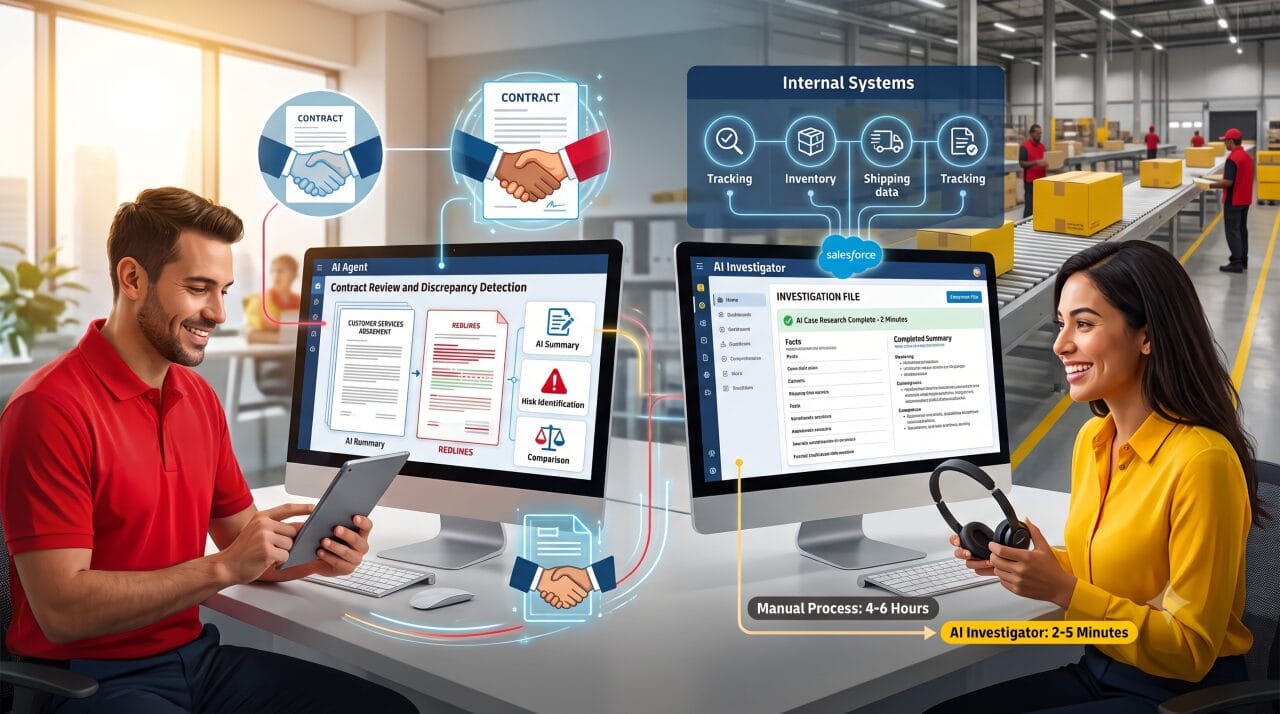
Traditionally, logistics was reactive. If a ship was delayed due to a storm, the logistics manager would find out only after the delay occurred and then scramble to find an alternative. With the AI advantage, the system is proactive. AI models can ingest weather data, historical port performance, and real-time vessel tracking to predict a delay five days in advance, allowing the company to reroute cargo or adjust warehouse labor schedules before the problem even manifests.
Furthermore, AI solves the “data silos” problem. Many logistics companies struggle because their trucking data, ocean freight data, and customs data live in different systems. AI acts as the connective tissue, drawing insights across the entire network to provide a “single source of truth.” This holistic view is essential for businesses operating in high-growth environments like Vietnam, where infrastructure and regulations are constantly evolving.
Key Trends and Data Shaping The AI Advantage
The adoption of AI in logistics is being driven by several core trends that are reshaping how goods move across the globe. By focusing on these areas, companies can secure a competitive edge and ensure long-term resilience.
- Predictive Demand Forecasting: One of the biggest challenges in logistics is inventory management. AI analyzes historical sales data, seasonal trends, and even social media sentiment to predict future demand with high accuracy, reducing both stockouts and overstock situations.
- Dynamic Route Optimization: AI algorithms can calculate thousands of possible routes for a delivery truck in seconds, accounting for traffic, road conditions, and fuel consumption. This leads to shorter delivery times and significant cost savings.
- Automated Documentation: Natural Language Processing (NLP) is being used to read and process bills of lading, invoices, and customs documents. This reduces human error and speeds up the “paperwork” side of logistics, which is often a major bottleneck.
- Sustainability and Green Logistics: AI helps companies reduce their carbon footprint by optimizing loads (ensuring trucks and containers are full) and selecting the most fuel-efficient transport modes and routes.
The data suggests that companies early to adopt these technologies are seeing measurable improvements. Improved visibility alone can reduce supply chain costs by a significant margin, while AI-driven warehousing can increase throughput without requiring more physical floor space. In the context of Vietnam’s manufacturing boom, these efficiencies are vital for maintaining price competitiveness in the global market.
Operational Impacts on Logistics and Supply Chains
How does The AI Advantage: How One Logistics Company is Solving Real Problems Today translate to the daily operations of a supply chain manager? The impact is felt across every touchpoint, from the factory floor to the final mile delivery.
Ocean and Air Freight Efficiency
In freight forwarding, AI is used to optimize “container stuffing.” Instead of manually planning how to fit various pallet sizes into a 40-foot container, AI software can determine the most efficient configuration in seconds. This maximizes space utilization and reduces the number of containers needed. Furthermore, AI-powered visibility platforms provide real-time updates on shipments, allowing for better synchronization with downstream warehouse operations.
Warehousing and Inventory Management
Inside the warehouse, AI is the brain behind “smart slotting.” By analyzing which products are sold together and which are high-velocity items, AI suggests the optimal storage locations to minimize the distance workers (or robots) have to travel to pick an order. This reduces labor costs and increases the speed of order fulfillment, a crucial factor for e-commerce and retail logistics.
Customs and Compliance
For companies shipping in and out of Vietnam, customs compliance is a major hurdle. AI-driven compliance tools can flag potential issues in documentation before they reach customs officials. By cross-referencing HS codes and trade agreements, AI helps ensure that companies are paying the correct duties and avoiding costly fines or delays.
Practical Lessons for Logistics Professionals
Embracing the AI advantage requires more than just buying software. It requires a shift in mindset and strategy. Here are some practical lessons for logistics leaders:
- Focus on Data Quality: AI is only as good as the data it consumes. Ensure your logistics partners have robust data collection processes and that your internal data is clean, organized, and accessible.
- Start Small and Scale: You don’t need to automate your entire supply chain overnight. Start with one problem—like improving last-mile delivery or optimizing warehouse picking—and scale the technology as you see results.
- Invest in Human Talent: AI does not replace people; it empowers them. Invest in training your team to work alongside AI tools, focusing on data analysis and strategic decision-making rather than manual data entry.
- Partner with Tech-Forward Providers: Choose logistics partners who are already investing in AI and digital infrastructure. A provider like Scanwell Logistics Vietnam can offer you the benefits of advanced technology without the need for you to build it yourself.
How Scanwell Logistics Vietnam Can Help
At Scanwell Logistics Vietnam, we understand that technology is the cornerstone of modern supply chain excellence. We are committed to delivering The AI Advantage: How One Logistics Company is Solving Real Problems Today to our clients through integrated digital solutions and a deep understanding of the local market.
Our team combines decades of logistics expertise with a forward-thinking approach to technology. Whether you are navigating the complexities of ocean freight, managing high-volume warehouse operations, or seeking to streamline your customs clearance, we provide the visibility and intelligence needed to thrive in today’s competitive environment.
- Ocean Freight: Leveraging data to optimize routes and secure space on key trade lanes.
- Air Freight: Fast-track solutions for time-sensitive cargo with real-time tracking.
- Warehousing & Distribution: AI-informed inventory management and efficient regional distribution.
- Customs Brokerage: Expertise in Vietnamese trade compliance to minimize delays and costs.
- End-to-End Visibility: Digital platforms that keep you informed at every stage of the journey.
Conclusion
The logistics industry is at a crossroads. Those who embrace The AI Advantage: How One Logistics Company is Solving Real Problems Today will find themselves equipped to handle the shocks and shifts of the global economy. AI is no longer a luxury; it is a necessity for achieving the speed, accuracy, and cost-efficiency required by modern business leaders.
By moving from reactive to proactive operations, logistics managers can reduce waste, improve customer satisfaction, and build truly resilient supply chains. The journey toward a fully digitized logistics network may seem daunting, but by focusing on data quality, starting with targeted projects, and choosing the right partners, the benefits are well within reach.
As Vietnam continues to solidify its position in the global supply chain, Scanwell Logistics Vietnam remains dedicated to bridging the gap between advanced technology and practical, on-the-ground execution. Together, we can turn the “AI Advantage” into your most significant competitive asset.
Call to Action
Ready to turn these logistics insights into real competitive advantages?
Explore Scanwell Logistics Vietnam
Contact our experts for tailored support
FAQ
Is AI too expensive for small and medium-sized enterprises (SMEs)?
Not necessarily. While building custom AI models is expensive, many logistics providers (like Scanwell) offer AI-powered services as part of their standard package. SMEs can benefit from the “AI Advantage” by partnering with technologically advanced freight forwarders.
Will AI replace human logistics managers?
No. AI is a tool that handles data processing and pattern recognition. Human managers are still essential for strategic thinking, relationship management, and handling complex exceptions that algorithms cannot yet solve.
How does AI specifically help with Vietnam customs?
AI helps by automating the classification of goods under the correct HS codes and ensuring all required documentation is present and accurate, which significantly reduces the risk of “red channel” inspections and delays at Vietnamese ports.
How do I get started with AI in my supply chain?
The best way to start is by conducting a “data audit” to see what information you already collect. Then, reach out to an experienced partner like Scanwell Logistics Vietnam to discuss which AI-driven solutions—such as predictive tracking or optimized warehousing—would offer the fastest return on investment for your specific needs.