















From Warehouses to Low-Earth Orbit: The Next Logistics Frontier
Estimated reading time: 9 minutes
For decades, the logistics industry has focused its innovation on the Earth’s surface—optimizing the speed of container ships, the efficiency of mega-warehouses, and the precision of last-mile delivery vans. However, as global supply chains face increasing complexity and the demand for real-time data reaches a fever pitch, the industry is looking upward. We are currently witnessing a historic shift: From Warehouses to Low-Earth Orbit: The Next Logistics Frontier is no longer a concept of science fiction, but a strategic reality for the next decade of supply chain management.
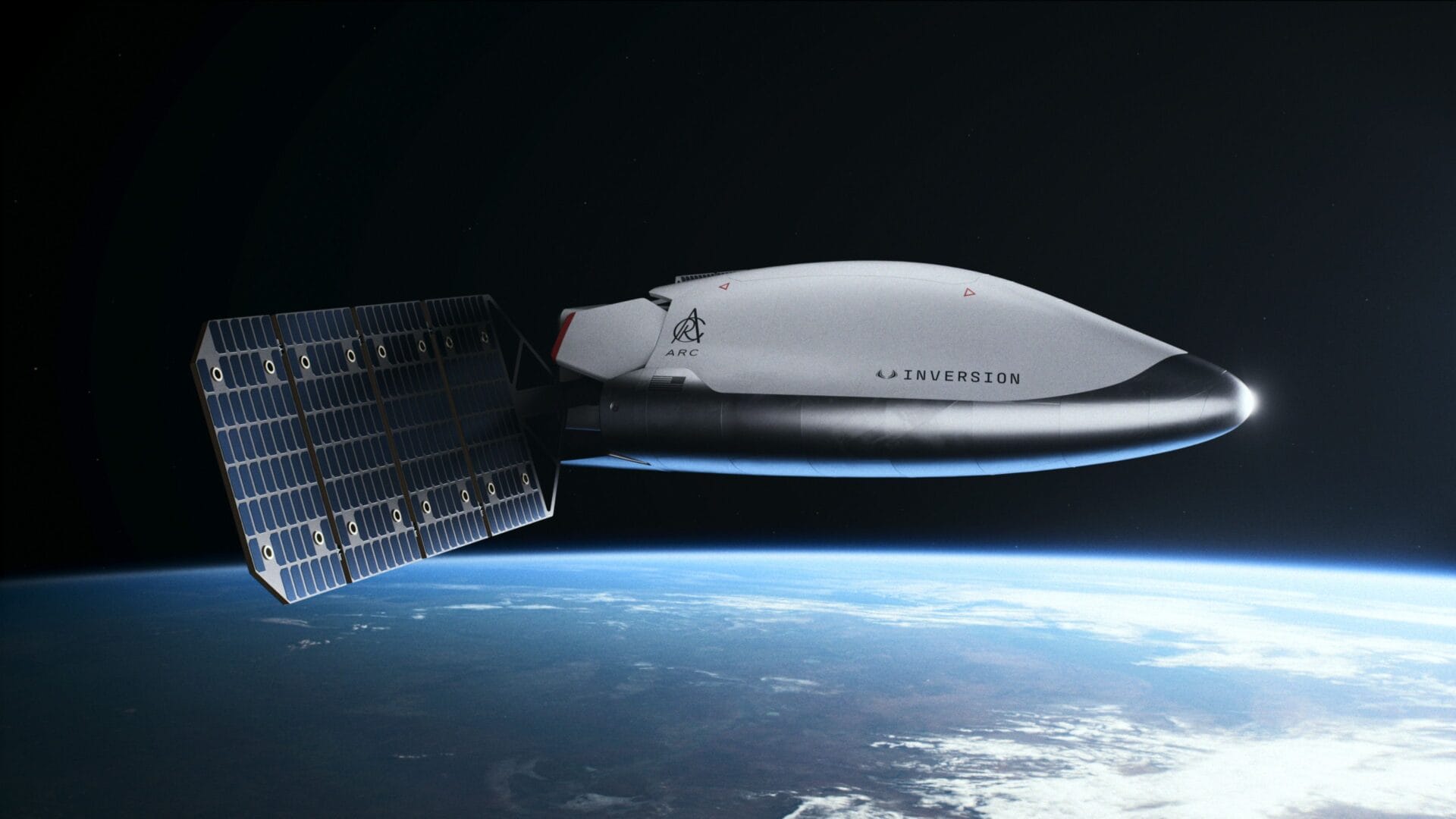
Low-Earth Orbit (LEO), the region of space within 2,000 kilometers of Earth, is becoming a critical infrastructure layer for global trade. From providing ubiquitous high-speed internet to remote logistics hubs to enabling ultra-precise asset tracking across the oceans, LEO technology is bridging the “black holes” in current supply chain visibility. For businesses operating in and out of manufacturing powerhouses like Vietnam, understanding this orbital shift is essential for maintaining a competitive edge in a world that never stops moving.
In this article, we explore how the integration of space-based assets with terrestrial operations is redefining what it means to be a logistics leader. We will delve into the trends of satellite constellations, the operational impacts on freight forwarding, and how companies can prepare for a future where the sky is no longer the limit, but the primary enabler of global commerce.
Table of Contents
- The Convergence: From Warehouses to Low-Earth Orbit
- Key Trends and Data in Orbital Logistics
- Operational Impacts: Visibility and Connectivity
- Practical Lessons for Logistics Professionals
- How Scanwell Logistics Vietnam Can Help
- Conclusion
- FAQ
The Convergence: From Warehouses to Low-Earth Orbit
The phrase From Warehouses to Low-Earth Orbit: The Next Logistics Frontier represents the ultimate integration of physical cargo handling and digital data transmission. Traditionally, logistics was “siloed.” A warehouse in Binh Duong might have internal efficiency, but once a shipment hit the ocean, it often entered a data vacuum. Low-Earth Orbit satellites are changing this by acting as a persistent, global data blanket.
Unlike traditional geostationary satellites that sit 35,000 km away, LEO satellites are much closer to Earth. This proximity results in lower latency and higher bandwidth. For a logistics manager, this means that the Internet of Things (IoT) sensors on a shipping container can now transmit temperature, humidity, and location data in real-time, even in the middle of the Pacific Ocean or the most remote mountain passes.
Furthermore, the “New Space” economy is driving down the cost of launching these assets. As launch costs plummet, more specialized satellites are being deployed to monitor port congestion, track illegal fishing that disrupts shipping lanes, and even predict weather patterns with unprecedented accuracy. This convergence creates a “smart supply chain” that spans from the warehouse floor to the stars.
Key Trends and Data Shaping the Next Logistics Frontier
The rapid expansion of the LEO economy is supported by several industry-wide trends that are directly impacting how we move goods across the globe.
Ubiquitous Connectivity for Remote Operations
One of the most significant trends is the deployment of mega-constellations. Thousands of small satellites are creating a mesh network that provides high-speed internet anywhere on the planet. For logistics, this eliminates “dead zones” in the supply chain.
- Remote Fleet Management: Trucking routes through rural regions can now maintain constant contact with central dispatch.
- Smart Warehousing in Emerging Markets: Facilities can be built in lower-cost, remote areas without worrying about traditional fiber-optic infrastructure.
- Maritime Digitization: Ships are no longer reliant on expensive, slow satellite links for crew welfare and operational data.
Real-Time Earth Observation (EO)
Data from L2 and LEO satellites is being used to provide “Macro-Visibility.” By analyzing satellite imagery, logistics providers can see port queues before they are reported by authorities. This allows for proactive re-routing of cargo, saving weeks of potential delays.
Operational Impacts on Logistics and Supply Chains
The move From Warehouses to Low-Earth Orbit: The Next Logistics Frontier has profound implications for daily operations. It is not just about having a faster internet connection; it is about the fundamental reliability of the global trade network.
1. Enhanced End-to-End Visibility: In traditional freight forwarding, “visibility” often meant knowing where a ship was based on its last port call. With LEO-enabled IoT, visibility is granular. Logistics managers can receive alerts if a container door is opened unexpectedly or if a cold-chain shipment exceeds its temperature threshold, allowing for immediate intervention.
2. Resilience Against Disruptions: Natural disasters, geopolitical shifts, and infrastructure failures can knock out terrestrial communication. Space-based logistics systems provide a redundant, “always-on” layer that ensures documentation and tracking remain functional during crises.
3. Autonomous Logistics: The future of autonomous trucks and delivery drones depends on high-precision navigation and low-latency communication. LEO constellations provide the necessary bandwidth and signal reliability to support these technologies at scale, particularly in cross-border logistics where cellular networks may vary in quality.
Practical Lessons for Logistics Professionals
As we step into this new frontier, logistics leaders must adapt their strategies to leverage these orbital capabilities. Here are some actionable recommendations:
- Invest in IoT-Ready Hardware: When upgrading your tracking systems, ensure they are compatible with both cellular and satellite (LEO) networks to ensure seamless data flow.
- Prioritize Data Integration: Having satellite data is only useful if it integrates with your Transportation Management System (TMS). Focus on APIs that can ingest real-time orbital data.
- Re-evaluate Cold Chain Protocols: Use the superior connectivity of LEO to offer “active” monitoring services, which can reduce insurance premiums and product spoilage.
- Partner with Tech-Forward Forwarders: Work with partners who understand the digital landscape and are already incorporating advanced visibility tools into their service offerings.
How Scanwell Logistics Vietnam Can Help
At Scanwell Logistics Vietnam, we recognize that the future of logistics is a blend of boots-on-the-ground expertise and cutting-edge digital infrastructure. While the industry moves From Warehouses to Low-Earth Orbit, our mission remains the same: ensuring your cargo reaches its destination safely, efficiently, and with total transparency.
We bridge the gap between traditional freight forwarding and the next generation of supply chain technology. By leveraging a global network and deep local knowledge in Vietnam, we provide the resilience and visibility that modern businesses demand. Whether you are shipping high-tech components from Ho Chi Minh City or managing a complex distribution network across Southeast Asia, Scanwell provides the stability you need.
- Ocean Freight: Reliable FCL and LCL solutions with advanced tracking capabilities.
- Air Freight: Expedited services for time-critical shipments that demand the highest levels of visibility.
- Warehousing & Distribution: Modern facilities in Vietnam designed to integrate with your digital supply chain.
- Customs Brokerage: Expertise in navigating complex regulations to ensure your cargo never gets stuck on the ground.
- End-to-End Visibility: Utilizing the latest tools to provide real-time updates and peace of mind.
Conclusion
The transition From Warehouses to Low-Earth Orbit: The Next Logistics Frontier marks a pivotal moment in human history. We are moving away from a world of “reactive” logistics, where we solve problems after they happen, toward a “predictive” world where orbital data helps us avoid disruptions before they occur.
For businesses in Vietnam and beyond, this represents a massive opportunity to build more resilient, transparent, and efficient supply chains. By embracing satellite technology, IoT, and high-bandwidth connectivity, the logistics industry is ensuring that no matter where a shipment goes—whether across a city or across the globe—it is never truly out of reach.
As we navigate this new frontier, the combination of space-based data and terrestrial execution will be the hallmark of the most successful supply chain managers. The sky is no longer just a backdrop for our operations; it is the engine driving the next era of global trade.
Call to Action
Ready to turn these logistics insights into real competitive advantages?
Explore Scanwell Logistics Vietnam
Contact our experts for tailored support
FAQ
What exactly is “Space Logistics”?
Space logistics refers to the use of space-based assets—like LEO satellites—to enhance terrestrial supply chains, as well as the actual movement of goods and people to and from orbit to support the growing space economy.
How does Low-Earth Orbit (LEO) help my business in Vietnam?
LEO provides more reliable tracking and communication for shipments moving through areas with poor cellular coverage. It also enables better data on port congestion and weather, helping you avoid delays in and out of major hubs like Cat Lai or Hai Phong.
Is satellite tracking more expensive than traditional methods?
While there is an initial investment in compatible IoT sensors, the cost of satellite data is dropping rapidly. The ROI is found in reduced losses, lower insurance premiums, and more efficient inventory management through better visibility.
How can I start integrating these “frontier” technologies today?
The best first step is to partner with a logistics provider like Scanwell Logistics Vietnam. We focus on modernizing your supply chain through digital visibility tools and efficient operations, ensuring you are prepared for the technological shifts ahead.