

















Dispatchers Are Quiet Quitting Too. Nobody’s Talking About It.
Estimated reading time: 10 minutes
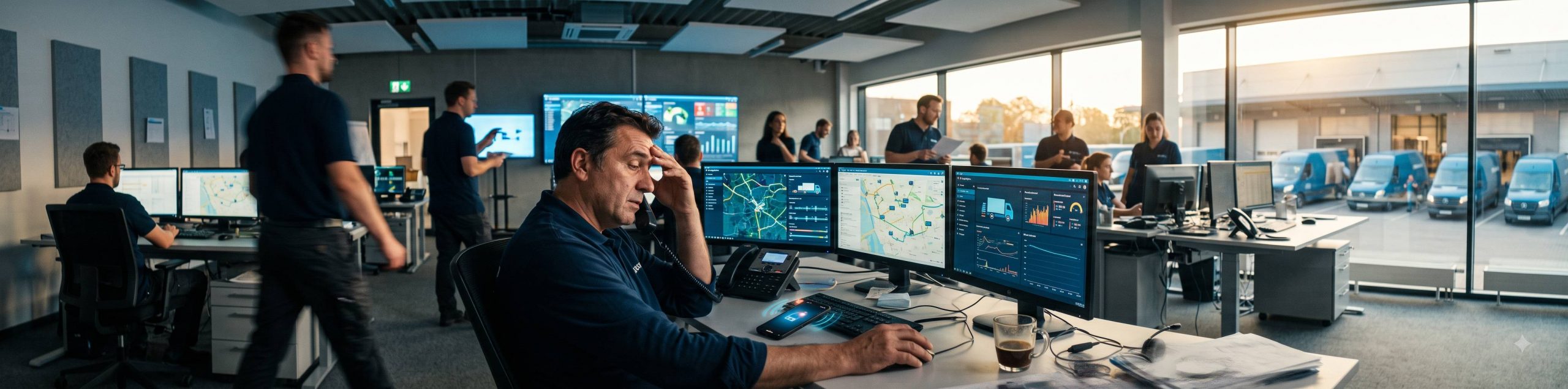
In the global logistics and supply chain landscape, the term “quiet quitting” has largely been associated with corporate office environments and the tech sector. However, a silent crisis is brewing in the heart of transportation hubs and freight forwarding offices: Dispatchers Are Quiet Quitting Too. Nobody’s Talking About It. While the industry focuses on the “driver shortage” and “port congestion,” the professionals responsible for orchestrating the movement of goods are mentally checking out, leading to a subtle but devastating decline in operational resilience.
The dispatcher is the nerve center of any logistics operation. They are the bridge between the customer’s expectations and the reality of the road, sea, or sky. In Vietnam’s rapidly evolving logistics sector, where the pressure to deliver “faster and cheaper” is relentless, the cognitive load on these individuals has reached a breaking point. When a dispatcher quiet quits, they don’t hand in a resignation; they simply stop going the extra mile. They stop looking for the most efficient route, they stop proactively communicating with drivers, and they stop solving problems before they escalate. For business leaders, this translates to hidden costs, eroded margins, and damaged client relationships.
This article explores why this phenomenon is happening, the data behind the burnout, and how modern technology—specifically how courier dispatch software simplifies operations and improves efficiency—can serve as the ultimate antidote to dispatcher disengagement. By the end of this guide, supply chain managers and HR professionals will have a roadmap to re-engage their “invisible” workforce and build a more sustainable logistics ecosystem.
Table of Contents
- The Invisible Pillar: Why Dispatchers are Reaching a Breaking Point
- The Symptoms of Quiet Quitting in the Dispatch Room
- How Courier Dispatch Software Simplifies Operations and Improves Efficiency
- Practical Lessons for Logistics Leaders
- How Scanwell Logistics Vietnam Can Help
- Conclusion
- FAQ
The Invisible Pillar: Why Dispatchers are Reaching a Breaking Point
The role of a dispatcher has traditionally been one of high-velocity decision-making. In the context of Vietnam’s booming e-commerce and manufacturing sectors, dispatchers must balance fluctuating fuel prices, complex urban traffic regulations, and the rising demand for last-mile delivery speed. However, the tools they use often haven’t kept pace with the complexity of their tasks.
When we say Dispatchers Are Quiet Quitting Too. Nobody’s Talking About It., we are highlighting a disconnect between the critical nature of the role and the support provided. Dispatchers are often caught in a “pincer movement” of pressure:
- From Management: Demands for higher vehicle utilization and lower cost-per-mile.
- From Drivers: Frustration over inefficient routing, long wait times, and unrealistic schedules.
- From Customers: An insatiable need for real-time tracking and instant status updates.
Without the right digital infrastructure, dispatchers spend 80% of their time on “firefighting”—fixing manual data entry errors, making endless phone calls to locate drivers, and juggling spreadsheets. This “grunt work” drains the strategic energy required for true logistics optimization, leading to the mental withdrawal known as quiet quitting.
The Symptoms of Quiet Quitting in the Dispatch Room
Recognizing quiet quitting in logistics is harder than in a standard office setting because the environment is naturally chaotic. However, there are specific indicators that the “nerve center” is failing:
Signs Your Dispatchers are Mentally Checking Out
- The “Path of Least Resistance” Routing: Dispatchers stop analyzing traffic patterns or historical data to find the best routes. They simply assign the same routes every day, regardless of efficiency, because it’s faster for them in the moment.
- Communication Silos: A quiet-quitting dispatcher will wait for a driver to call them with a problem rather than proactively monitoring a GPS feed to flag a delay.
- Data Entry Decay: When the motivation to excel is gone, the accuracy of the Transport Management System (TMS) suffers. This leads to “bad data” that skews company-wide KPIs.
- Increased Driver Turnover: Drivers are the first to feel a dispatcher’s disengagement. Poorly planned loads and lack of support on the road lead to driver frustration and eventual resignation.
Research into operational workflows suggests that when dispatchers are overwhelmed by manual processes, their empathy for the drivers decreases. This breakdown in the dispatcher-driver relationship is a primary driver of inefficiency in the Vietnamese logistics market, where trust and personal relationships are vital for success.
How Courier Dispatch Software Simplifies Operations and Improves Efficiency
The primary reason Dispatchers Are Quiet Quitting Too. Nobody’s Talking About It. is the sheer weight of manual labor. This is where technology transitions from a “luxury” to a “necessity.” Modern courier dispatch software simplifies operations and improves efficiency by automating the repetitive tasks that lead to burnout.
Reducing the Cognitive Load
When a logistics firm implements advanced dispatching software, the dispatcher’s role shifts from “data entry clerk” to “exception manager.” Here is how the technology changes the daily grind:
- Automated Route Optimization: Instead of spending hours manually plotting stops, the software uses algorithms to calculate the most efficient path in seconds, accounting for traffic, weight limits, and delivery windows.
- Real-Time Visibility: GPS integration eliminates the need for “where are you?” check-in calls. This provides the dispatcher with a bird’s-eye view of the entire fleet on a single dashboard.
- Automated Customer Alerts: The software sends automatic SMS or email updates to the end-customer. This significantly reduces the volume of incoming “status update” calls that interrupt a dispatcher’s flow.
- Digital Proof of Delivery (e-POD): Instant digital confirmation means no more chasing paper trails at the end of the day, streamlining the billing and reconciliation process.
By removing these friction points, courier dispatch software simplifies operations and improves efficiency, allowing dispatchers to focus on high-value tasks like improving carrier relations and analyzing long-term logistics strategy. This sense of mastery and professional growth is the strongest deterrent to quiet quitting.
Practical Lessons for Logistics Leaders
To combat the quiet quitting epidemic, logistics companies must look beyond just hiring more people. The solution lies in culture, process, and technology. Here are the actionable steps business leaders can take:
- Audit Your Tools: Ask your dispatchers which task they hate the most. If it’s manual data entry or calling drivers for locations, it’s time to invest in automation. Remember: courier dispatch software simplifies operations and improves efficiency by design.
- Redefine the Role: Move away from seeing dispatchers as “traffic cops” and start treating them as “Supply Chain Analysts.” Give them the data tools they need to suggest improvements, not just follow orders.
- Implement “Mental Off-Ramps”: The nature of dispatching is 24/7. Ensure your team has clear hand-over protocols and designated “quiet times” where technology handles the basics so they can truly disconnect.
- Reward Efficiency, Not Just Effort: Use software metrics to reward dispatchers who achieve the best fuel savings or on-time delivery rates, rather than those who simply stay the longest in the office.
How Scanwell Logistics Vietnam Can Help
At Scanwell Logistics Vietnam, we understand that the strength of a supply chain is only as good as the people managing it. We don’t just provide freight forwarding; we provide an integrated ecosystem of technology and expertise designed to keep your operations running smoothly and your personnel engaged.
We recognize that Dispatchers Are Quiet Quitting Too. Nobody’s Talking About It. because we see the struggle across the industry. That is why our solutions focus on transparency, automation, and reliability. By partnering with Scanwell, you gain access to a team that utilizes cutting-edge systems where courier dispatch software simplifies operations and improves efficiency for your shipments, ensuring that your logistics remain a competitive advantage rather than a headache.
- Ocean Freight: Seamless FCL and LCL services with end-to-end visibility.
- Air Freight: Rapid solutions for time-sensitive cargo with proactive tracking.
- Warehousing & Distribution: Smart storage solutions that integrate with your last-mile delivery needs.
- Domestic Trucking: A fleet managed by tech-enabled dispatchers who care about your cargo.
- Customs Brokerage: Expert navigation of Vietnamese trade compliance to prevent delays.
Conclusion
The logistics industry is entering a new era where human capital is as precious as cargo capacity. Acknowledging that Dispatchers Are Quiet Quitting Too. Nobody’s Talking About It. is the first step toward building a more resilient supply chain. The “hidden” burnout of the people behind the screens is a systemic risk that can no longer be ignored.
However, this challenge also presents an opportunity. By acknowledging the stress of the role and providing the right tools—where courier dispatch software simplifies operations and improves efficiency—companies can transform their dispatch centers into hubs of innovation and productivity. In Vietnam, where the logistics landscape is becoming increasingly competitive, those who prioritize the mental engagement and technical enablement of their dispatchers will be the ones who lead the market.
Call to Action
Tired of operational friction and disengaged teams?
Let Scanwell Logistics Vietnam bring clarity and efficiency to your supply chain through our expert-led, tech-driven services.
Explore Scanwell Logistics Vietnam
Contact our experts for a logistics health check
FAQ
What is “Quiet Quitting” in the context of a logistics dispatcher?
In logistics, it refers to a dispatcher who performs only the minimum requirements of their job. They stop optimizing routes, stop communicating proactively with drivers, and ignore small operational inefficiencies that eventually lead to larger delays and costs.
How does courier dispatch software simplify operations and improve efficiency specifically?
It automates the “manual heavy” tasks such as route planning, driver status checks, and customer notifications. By reducing the number of phone calls and manual data entries, the software lowers the dispatcher’s stress levels and increases the overall speed of the delivery network.
Can technology really stop a dispatcher from quiet quitting?
Technology alone is not a “magic pill,” but it removes the primary cause of burnout: repetitive, high-stress manual labor. When combined with a supportive management culture, good software provides dispatchers with the “space” to do their jobs well and feel a sense of professional achievement.
Why should I partner with Scanwell Logistics Vietnam for these issues?
Scanwell combines global logistics expertise with a deep understanding of the Vietnamese local market. We use advanced visibility and management tools that take the pressure off our operations teams, meaning your shipments are handled by professionals who are engaged, focused, and equipped to solve problems before they affect your bottom line.