Seeing the Supply Chain More Clearly with Agentic AI: A Strategic Advantage for Modern Logistics
Estimated reading time: 8 minutes
In today’s intricate global economy, the ability to maintain clear, real-time visibility across the entire supply chain is no longer a luxury—it’s a fundamental necessity. From raw materials to final delivery, the complex network of operations is fraught with potential blind spots. These “visibility gaps” can lead to delayed decisions, increased operational friction, and ultimately, higher costs and dissatisfied customers. However, a transformative technology is emerging to address this critical challenge: Agentic AI.
The concept of Seeing the Supply Chain More Clearly with Agentic AI represents a paradigm shift in how logistics and supply chain professionals interact with their vast networks. By leveraging intelligent, autonomous agents capable of performing routine tasks, gathering information, and even initiating follow-ups, Agentic AI promises to cut through the complexity, providing an unprecedented level of insight and control. This article delves into how this innovative approach is redefining supply chain visibility, its profound benefits, the challenges it presents, and how businesses, including those in Vietnam’s dynamic logistics landscape, can harness its power for sustainable competitive advantage.
Table of Contents
- Understanding Agentic AI and Enhanced Supply Chain Visibility
- Key Capabilities and Transformative Benefits of Agentic AI
- Navigating the Landscape: Risks and Challenges of Agentic AI Adoption
- Strategic Implementation: Best Practices for Agentic AI Success
- Practical Lessons for Logistics Professionals
- How Scanwell Logistics Vietnam Can Help
- Conclusion
- Call to Action
- FAQ
Understanding Agentic AI and Enhanced Supply Chain Visibility
For decades, achieving comprehensive supply chain visibility has been one of the logistics industry’s most elusive goals. Despite advancements in technology and transportation systems, many organizations still grapple with fragmented data and manual processes. Teams often resort to a laborious cycle of phone calls, emails, and repeated follow-ups with carriers and partners to ascertain the status of goods and materials. This reliance on manual status checks creates “small gaps” that, at scale, accumulate rapidly, leading to significant delays in decision-making and increased operational friction across the entire logistics network.
This is precisely where Agentic AI steps in as a game-changer. Agentic AI refers to intelligent systems designed to perform specific tasks autonomously, often interacting with other systems or human operators to achieve their objectives. Unlike traditional automation, which follows predefined rules, agentic systems can adapt, learn, and make decisions based on changing conditions and information. In the context of supply chains, this translates into AI agents that can proactively monitor shipments, validate statuses, and even engage in consistent follow-up communications with carrier dispatchers.
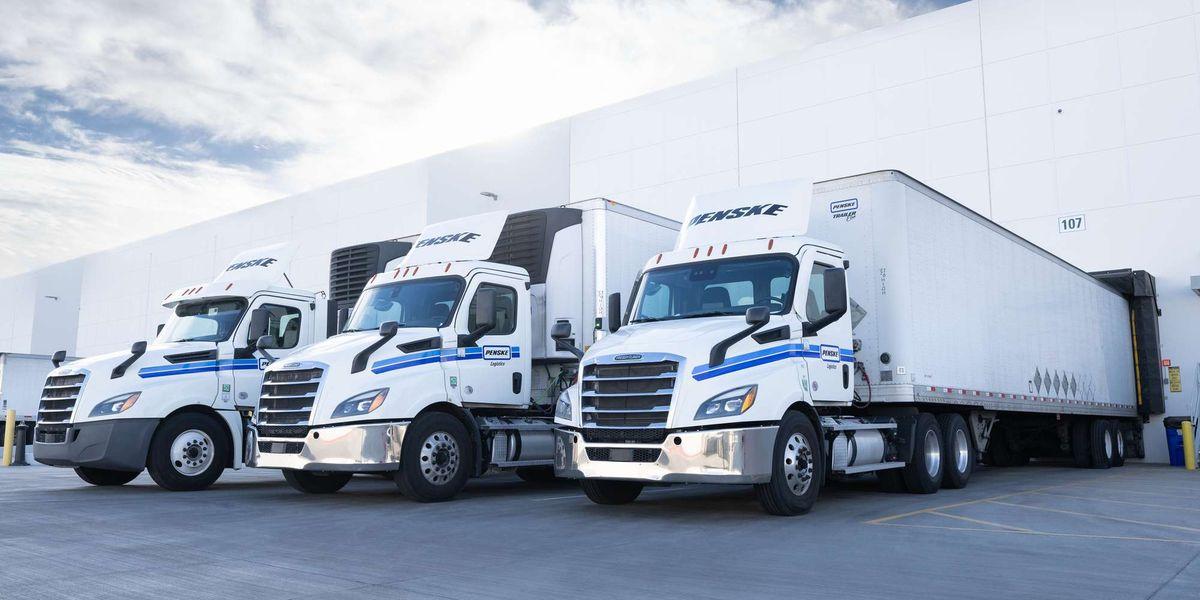
A prime example of this transformative potential is an Agentic AI platform, like the one implemented by Penske Logistics in collaboration with Augment. This platform is actively being utilized to validate the status of an estimated 600,000 loads. By automating routine checks and ensuring more consistent and timely communication, the system aims to significantly reduce the time human teams spend on repetitive tasks. Simultaneously, it improves the quality and timeliness of critical information available to operating teams, empowering them to make faster, more informed decisions. This proactive, intelligent approach is instrumental in Seeing the Supply Chain More Clearly with Agentic AI, moving beyond reactive problem-solving to predictive and preventative logistics management.
Key Capabilities and Transformative Benefits of Agentic AI
The practical application of Agentic AI in logistics brings forth a suite of capabilities that collectively enhance operational intelligence and efficiency. The core strength lies in its ability to automate repetitive yet crucial tasks that traditionally consumed significant human resources, freeing up logistics professionals to focus on strategic initiatives rather than mundane status updates.
- Automated Verification and Follow-Up: Agentic AI platforms can automatically initiate status checks, cross-reference data points, and, if discrepancies arise or information is missing, trigger automated follow-ups with relevant stakeholders, such as carrier dispatchers. This ensures a consistent flow of accurate information without manual intervention.
- Reduced Time on Repetitive Tasks: By taking over the monotonous work of tracking and querying, Agentic AI drastically reduces the time human teams spend on administrative overhead. This allows them to allocate their expertise to critical decision-making, exception management, and relationship building.
- Improved Information Quality and Timeliness: The automation inherent in Agentic AI ensures that information is gathered and updated more consistently and rapidly than manual processes. This leads to higher data integrity and more current insights, essential for agile supply chain management.
Moreover, Agentic AI extends its support across the entire logistical spectrum, offering an end-to-end perspective that is crucial for modern supply chain resilience.
- Inbound Operations: Gaining clearer visibility into incoming materials and components, allowing for better inventory planning, warehouse space allocation, and production scheduling.
- Middle-Mile Movements: Real-time tracking of goods as they move between distribution centers, ports, or hubs, enabling proactive adjustments to routes or schedules in response to unforeseen events.
- Final Delivery/Last-Mile: Enhanced visibility into the critical last leg of the journey, improving delivery precision, customer communication, and overall service quality.
The direct benefits of implementing Agentic AI in supply chains are substantial and far-reaching:
- Improved Visibility and Trust in Data: Businesses gain a much clearer picture of material status, building greater confidence in the underlying data used for planning and execution. This empowers more strategic “inventory management” and “logistics operations.”
- Reduced Need for Expedited Freight: By identifying potential delays sooner, companies can make proactive adjustments, significantly reducing the reliance on costly expedited and air freight shipments.
- Increased Operational Efficiency: Streamlined processes and automated tasks lead to greater efficiency across all segments of the supply chain, optimizing resource allocation and reducing waste.
- Enhanced Issue Detection and Response: The ability to “see issues sooner” means teams can “respond more quickly,” transforming reactive problem-solving into proactive “risk management” and operational resilience.
Navigating the Landscape: Risks and Challenges of Agentic AI Adoption
While the promise of Agentic AI for supply chain visibility is immense, its implementation is not without its complexities and potential hurdles. Organizations considering this advanced technology must approach it with a clear understanding of the associated risks and challenges to ensure a successful deployment and maximize return on investment.
- High Upfront Costs: The initial investment required for Agentic AI platforms can be substantial. This includes the cost of software licensing, specialized hardware (if needed), infrastructure upgrades, and the significant expense of implementation and integration with existing legacy systems. For many businesses, particularly Small and Medium Enterprises (SMEs), these upfront costs can be a significant barrier to entry, necessitating careful financial planning and a clear justification of expected ROI.
- Potential for Job Displacement and Role Changes: As Agentic AI automates routine and repetitive tasks, there is a natural concern about job displacement within the logistics workforce. While the goal is to free up human talent for higher-value activities, companies must proactively manage this transition. This involves transparent communication, comprehensive re-training programs, and a focus on upskilling employees for new roles that involve overseeing AI systems, data analysis, exception handling, and strategic planning. A thoughtful HR strategy is crucial for a smooth “digital transformation.”
- Need for Careful Planning and Integration: Agentic AI solutions do not operate in a vacuum. They need to seamlessly integrate with a myriad of existing systems, including Enterprise Resource Planning (ERP), Transportation Management Systems (TMS), Warehouse Management Systems (WMS), and various carrier platforms. This integration process is complex, requiring meticulous planning, robust data governance, and often, significant customization. Inadequate planning can lead to data silos, operational disruptions, and a failure to realize the full potential of the AI system, hindering efforts to improve “supply chain visibility.”
- Data Quality and Security Concerns: The effectiveness of any AI system is directly dependent on the quality of the data it processes. Poor or inconsistent data inputs can lead to inaccurate insights and flawed automated decisions. Furthermore, integrating AI systems requires robust cybersecurity measures to protect sensitive supply chain data from breaches and ensure compliance with data privacy regulations.
- Complexity of AI Management and Maintenance: Agentic AI systems are sophisticated and require ongoing monitoring, maintenance, and periodic recalibration. Businesses need to invest in skilled personnel or external partners capable of managing these systems, understanding their outputs, and continuously optimizing their performance to adapt to evolving supply chain dynamics.
Addressing these challenges proactively, with a clear strategy and the right expertise, is paramount for unlocking the full potential of Agentic AI and truly achieving the goal of seeing the supply chain more clearly.
Strategic Implementation: Best Practices for Agentic AI Success
To maximize the benefits of Agentic AI and mitigate its associated risks, organizations must adopt a strategic and methodical approach to implementation. These best practices serve as a roadmap for successful integration and long-term value creation within the supply chain.
- Careful Planning and Phased Integration:
Before deployment, conduct a thorough assessment of current supply chain processes, identifying specific pain points and areas where Agentic AI can deliver the most impact. Start with pilot projects in a controlled environment to test the system’s efficacy and iron out issues. A phased rollout allows for learning and adaptation without disrupting the entire operation. Ensure the AI system is designed for seamless integration with existing ERP, TMS, and WMS platforms.
- Comprehensive Training and Support for Employees:
Automation does not eliminate the need for human involvement; it shifts the nature of work. Invest heavily in training programs to upskill employees, teaching them how to interact with the new AI systems, interpret their outputs, manage exceptions, and leverage newfound visibility for strategic decision-making. Provide ongoing support to ensure comfort and proficiency with the new technologies, fostering a culture of continuous learning and adaptation.
- Continuous Monitoring and Evaluation:
The supply chain is dynamic, and so too should be the AI system. Implement robust monitoring mechanisms to track the performance of Agentic AI, evaluating its efficiency, accuracy, and impact on key performance indicators (KPIs). Regularly review and fine-tune the AI algorithms, data inputs, and operational parameters to ensure it remains effective and aligned with evolving business needs and market conditions. This continuous feedback loop is vital for sustained success.
- Prioritize Data Quality and Governance:
Garbage in, garbage out. The effectiveness of Agentic AI is critically dependent on the accuracy, consistency, and completeness of its input data. Establish strict data governance policies, implement data cleansing processes, and ensure robust data integration across all systems. High-quality data feeds are the lifeblood of intelligent automation.
- Foster Collaboration with Technology Partners:
Developing and implementing Agentic AI requires specialized expertise. Partnering with experienced AI solution providers and logistics technology experts can significantly accelerate deployment and ensure optimal performance. Leverage their knowledge in system architecture, data science, and industry-specific applications to navigate complexities effectively.
By adhering to these best practices, businesses can confidently embrace Agentic AI, transforming their supply chain visibility from a complex challenge into a significant competitive advantage.
Practical Lessons for Logistics Professionals
The advent of Agentic AI offers more than just technological upgrades; it provides a new mindset for logistics professionals. Here are key practical lessons to integrate into your operational strategy:
- Re-evaluate Your Carrier Communication Strategy: Agentic AI streamlines communication by automating routine follow-ups with carriers. This frees up your team to build stronger, more strategic relationships with key transportation partners, focusing on performance optimization and collaborative problem-solving rather than chasing status updates.
- Prioritize End-to-End Visibility Over Siloed Solutions: While individual solutions for warehousing or transportation are valuable, Agentic AI highlights the importance of an integrated view across inbound, middle-mile, and final delivery. Strive for platforms that connect these dots, enabling holistic “inventory management” and “distribution network” optimization.
- Invest in Data Infrastructure and Quality: Agentic AI thrives on clean, accurate data. Begin by auditing your data sources, investing in data governance, and ensuring robust integration capabilities between your various logistics systems. Without reliable data, even the most advanced AI will struggle.
- Upskill Your Workforce for AI Collaboration: Prepare your team not for replacement, but for collaboration. Provide training that focuses on interpreting AI insights, managing exceptions, and leveraging AI tools to enhance their decision-making. Future logistics roles will increasingly involve overseeing and optimizing intelligent systems.
- Shift from Reactive to Proactive Problem Solving: With enhanced visibility, the logistics paradigm shifts. Instead of reacting to disruptions, Agentic AI enables predictive analytics and proactive interventions. Train your teams to leverage early warnings to mitigate risks before they escalate, improving overall “supply chain resilience.”
- Focus on ROI Beyond Cost Savings: While cost reduction through reduced expedited freight is a clear benefit, also consider the less tangible but equally impactful returns: improved customer satisfaction, faster market response times, reduced operational stress, and enhanced strategic agility.
How Scanwell Logistics Vietnam Can Help
Navigating the complexities of modern supply chains, especially with the integration of advanced technologies like Agentic AI, requires a partner with deep industry expertise, a global network, and a commitment to innovation. Scanwell Logistics Vietnam stands as that trusted partner, ready to help businesses in Vietnam and beyond achieve unparalleled supply chain clarity and operational excellence. While we directly implement Agentic AI solutions tailored to individual client needs, our comprehensive suite of services is designed to create the robust, transparent, and efficient logistics foundation upon which such advanced AI systems can thrive.
We understand that Seeing the Supply Chain More Clearly with Agentic AI starts with a strong, well-managed logistical backbone. Our expertise ensures that your physical cargo movements are optimized, your documentation is flawless, and your data flows smoothly—prerequisites for any successful AI integration. We provide the operational excellence that makes AI insights actionable and transformative, bridging the gap between cutting-edge technology and practical application.
Whether you are exploring greater “supply chain visibility,” seeking to optimize your “logistics operations,” or looking for a partner to guide your “digital transformation,” Scanwell Logistics Vietnam offers tailored solutions.
- Ocean Freight Solutions: Comprehensive FCL and LCL services on key global trade lanes, ensuring efficient and cost-effective sea transportation with full visibility options.
- Air Freight Expertise: Fast and reliable air cargo services for time-sensitive shipments, including express, consolidated, and charter options, backed by robust tracking.
- Warehousing & Distribution: Strategically located facilities offering storage, inventory management, order fulfillment, cross-docking, and value-added services, optimizing your “distribution network.”
- Domestic & Cross-Border Trucking: Seamless road transportation services within Vietnam and across borders, providing integrated logistics solutions for first and last-mile delivery.
- Customs Brokerage & Compliance: Expert guidance on complex customs regulations, tariff classification, and trade compliance, minimizing delays and ensuring smooth “international trade.”
- Technology-Enabled Visibility: Leveraging modern platforms to provide real-time tracking, reporting, and proactive alerts across your supply chain, setting the stage for future AI integration.
Conclusion
The journey towards Seeing the Supply Chain More Clearly with Agentic AI represents a significant leap forward in logistics management. As global supply chains continue to grow in complexity and vulnerability, the ability to automate routine visibility tasks, gather real-time data, and proactively respond to disruptions becomes not just an advantage, but a strategic imperative. Agentic AI promises to unlock unprecedented levels of operational efficiency, cost savings, and resilience, transforming how businesses manage their intricate networks.
While the path to adoption involves challenges such as upfront investment, workforce adaptation, and intricate system integration, the transformative benefits far outweigh these hurdles. By embracing best practices—meticulous planning, comprehensive employee training, continuous monitoring, and strategic partnerships—organizations can successfully navigate the integration of Agentic AI.
Logistics leaders and decision-makers must recognize that the future of supply chain management is inherently intelligent and automated. By investing in Agentic AI, they are not just adopting a new technology; they are fundamentally reshaping their approach to supply chain visibility, preparing their operations for the demands of tomorrow’s global economy. The opportunity to move from fragmented views to a single, comprehensive, and proactive understanding of your entire logistics network is here, and those who embrace it will lead the way.
Call to Action
Ready to turn these logistics insights into real competitive advantages?
Explore Scanwell Logistics Vietnam
Contact our experts for tailored support
FAQ
What is Agentic AI in the context of supply chains?
Agentic AI refers to intelligent systems designed to autonomously perform specific tasks, such as monitoring shipment statuses, validating data, and initiating automated follow-ups with carriers. It acts like an intelligent assistant that proactively gathers and verifies information across the supply chain, reducing manual effort and improving data quality.
How does Agentic AI improve supply chain visibility?
Agentic AI improves visibility by automating routine status checks, ensuring consistent follow-up, and providing real-time, validated information across inbound operations, middle-mile movements, and final delivery. This end-to-end view helps teams identify issues sooner, respond more quickly, and reduces reliance on manual, error-prone communication methods.
What are the main challenges of implementing Agentic AI in logistics?
Key challenges include significant upfront costs for implementation and training, potential changes in job roles due to automation requiring workforce upskilling, and the complex need for careful planning and seamless integration into existing legacy systems like ERP, TMS, and WMS. Data quality and ongoing system maintenance are also crucial considerations.
How can businesses prepare for Agentic AI integration?
Businesses should prepare by undertaking careful planning, ensuring robust integration capabilities with current systems, investing in comprehensive training and support for employees, and establishing continuous monitoring and evaluation protocols for the AI’s performance. Prioritizing data quality and governance is also paramount for success.
Why is a logistics partner crucial for AI-driven transformation in the supply chain?
An experienced logistics partner like Scanwell Logistics Vietnam is crucial because they provide the foundational operational excellence and reliable data flow necessary for any AI system to succeed. They can advise on integrating new technologies with existing operations, ensuring smooth transitions, and providing the expert guidance to leverage AI insights into real-world, efficient logistics solutions tailored to your specific needs.