10 Traits that Agile Logistics Providers Have in Common
Estimated reading time: 9 minutes
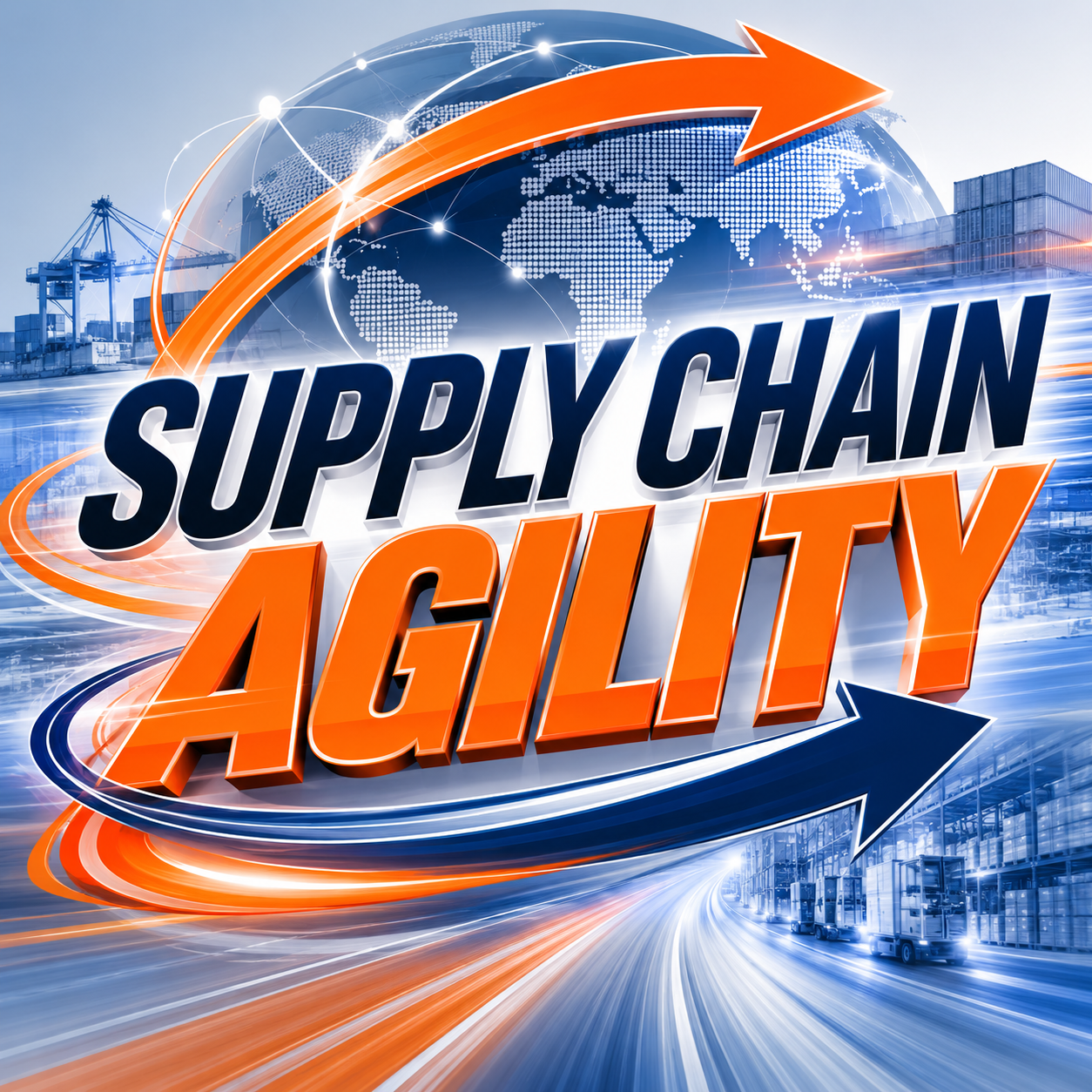
In today’s volatile global market, the only constant is change. From sudden shifts in consumer demand to geopolitical disruptions and infrastructure bottlenecks, supply chain managers face a relentless stream of challenges. To navigate this complexity, the industry has moved beyond simple “efficiency” toward a more robust paradigm: agility. But what exactly defines an agile partner? Understanding the 10 Traits that Agile Logistics Providers Have in Common is essential for any business looking to build a resilient and responsive supply chain.
In the context of Vietnam—a primary hub for the “China Plus One” strategy—logistics agility is no longer a luxury; it is a survival requirement. As manufacturing surges across Southeast Asia, the ability to pivot rapidly in response to port congestion or changing trade regulations determines which brands thrive. An agile logistics provider does more than just move cargo; they act as a strategic extension of your team, utilizing technology and local expertise to maintain flow when others stall.
This article explores the core characteristics that distinguish high-performing, agile logistics partners. We will analyze how these traits manifest in everyday operations, the technological foundations required to support them, and why they are critical for maintaining a competitive edge in the modern logistics landscape.
Table of Contents
- The Definition of Agility in Modern Supply Chains
- 10 Traits that Agile Logistics Providers Have in Common
- The Operational Impact of Logistics Flexibility
- Practical Lessons for Logistics Professionals
- How Scanwell Logistics Vietnam Can Help
- Conclusion
- FAQ
The Definition of Agility in Modern Supply Chains
Agility in logistics is often confused with speed. While fast transit times are important, true agility is the ability to maintain supply chain flexibility and responsiveness in the face of unpredictable events. It is about the “pivot”—how quickly a provider can switch from ocean freight to air cargo when a production delay threatens a product launch, or how efficiently they can reroute a shipment to avoid a strike-bound port.
For businesses operating in Vietnam, agility often means navigating the nuances of local infrastructure development while managing high-volume exports to Europe and North America. A provider that lacks agility is rigid; they follow a set script regardless of external changes. In contrast, an agile provider builds a framework that expects disruption and is designed to bypass it.
10 Traits that Agile Logistics Providers Have in Common
When evaluating a potential partner, look for these ten identifying characteristics that signify a truly agile operation. These traits work in synergy to create a seamless, adaptable logistics environment.
1. Real-Time Visibility and Data Transparency
You cannot manage what you cannot see. Agile providers invest heavily in real-time visibility tools. This goes beyond basic “track and trace.” It involves integrated systems that provide live updates on vessel locations, warehouse inventory levels, and customs clearance status. Data transparency allows all stakeholders to make informed decisions before a minor delay turns into a major crisis.
2. Advanced Logistics Technology Integration
Agility is powered by logistics technology. Leading providers use Cloud-based Transportation Management Systems (TMS) and Warehouse Management Systems (WMS) that can integrate directly with a client’s ERP. This technological backbone allows for the automated processing of orders and the rapid scaling of operations without manual data-entry errors.
3. Multi-Modal Proficiency
An agile provider is never “locked in” to a single mode of transport. They possess the expertise to blend ocean, air, road, and rail solutions. If ocean freight rates spike or capacity tightens, an agile partner can quickly offer sea-air solutions or cross-border trucking alternatives to keep the cargo moving.
4. Scalable Warehouse Efficiency
Demand is rarely linear. Agile providers offer warehouse efficiency through scalable space and labor. Whether you are dealing with seasonal peaks or a sudden market expansion, an agile provider can adjust storage capacity and pick-and-pack resources up or down without long-term, rigid contractual penalties.
5. A Robust Network of Strategic Partnerships
No single provider can own every truck and vessel worldwide. Agility comes from having deep-rooted relationships with carriers, terminal operators, and local agents. These partnerships ensure priority access to equipment and space, even during peak seasons when capacity is at a premium.
6. Expertise in Regulatory Compliance and Customs
In international trade, paperwork can be a bigger bottleneck than physical transport. Agile providers have in-house customs brokerage teams that stay ahead of changing trade agreements and tariff updates. This proactive approach prevents costly delays at borders and ensures that all documentation is “audit-ready.”
7. Proactive Problem-Solving and Risk Management
Rather than waiting for a client to call about a late shipment, an agile provider identifies the risk early. They monitor weather patterns, port congestion reports, and labor news to develop “Plan B” and “Plan C” scenarios. This mindset of proactive risk management is a hallmark of freight forwarding excellence.
8. Empowerment of Frontline Personnel
Agility requires quick decision-making. In agile organizations, account managers and operations staff are empowered to make tactical decisions without waiting for multiple layers of management approval. This decentralization of authority ensures that “time-sensitive” really means something.
9. Commitment to Continuous Improvement (Lean)
Agile providers are never satisfied with the status quo. They use data analytics to review performance metrics (KPIs) and identify areas where waste can be eliminated. This commitment to “Lean” logistics ensures that processes are always being optimized for better speed and lower costs.
10. Customer-Centric Flexibility
Every business has unique needs. An agile provider avoids a “one-size-fits-all” approach. They listen to the specific pain points of their clients—whether it’s a need for specialized temperature-controlled storage or a complex labeling requirement for e-commerce—and tailor their services accordingly.
The Operational Impact of Logistics Flexibility
When a provider embodies these 10 traits, the impact on your business is profound. It moves the logistics function from a “cost center” to a “competitive advantage.” For example, in the high-tech or fashion industries, being one week earlier to market can mean the difference between full-price sales and heavy discounting.
Operational agility also reduces the “Bullwhip Effect” in supply chains. By providing accurate data and flexible shipping options, providers help businesses maintain lower safety stocks. This frees up working capital that would otherwise be tied up in excess inventory. Furthermore, in the event of a global disruption—like the recent challenges in the Red Sea or port strikes—agile providers are the first to secure alternative routes, ensuring that their clients’ cargo doesn’t get stuck in the backlog.
Practical Lessons for Logistics Professionals
How can supply chain managers foster agility within their own operations? Based on the traits of top-tier providers, here are several best practices to implement:
- Prioritize Integration: Ensure your logistics partner’s systems can “talk” to your own. Manual spreadsheets are the enemy of agility.
- Diversify Your Lanes: Avoid over-reliance on a single port or carrier. Work with your provider to map out alternative routes before they are needed.
- Focus on Total Cost of Ownership (TCO): The cheapest freight rate is often the least agile. Consider the cost of delays and lost sales when choosing a partner.
- Regularly Audit Compliance: Ensure your partner is up-to-date on local regulations in Vietnam and your destination markets to avoid “hidden” delays at customs.
How Scanwell Logistics Vietnam Can Help
At Scanwell Logistics Vietnam, we don’t just provide logistics services; we provide the agility your business needs to grow in a complex global market. Our team combines deep local knowledge of the Vietnamese market with a sophisticated global network, ensuring that your cargo moves efficiently across borders.
We have built our reputation on the very traits discussed above. From our investment in digital visibility tools to our flexible warehousing solutions, we are designed to pivot when you need us most. Whether you are exporting textiles, electronics, or furniture, our experts provide the strategic oversight required for true supply chain resilience.
- Ocean Freight: Agile FCL and LCL solutions with priority space commitments.
- Air Freight: Rapid-response solutions for time-critical and high-value shipments.
- Warehousing & Distribution: Flexible storage and value-added services in key Vietnamese hubs.
- Customs Brokerage: Expert navigation of Vietnam’s regulatory landscape to ensure smooth clearance.
- End-to-End Visibility: Stay informed with real-time tracking and dedicated account management.
Conclusion
The 10 Traits that Agile Logistics Providers Have in Common serve as a blueprint for modern supply chain success. Agility is no longer a “bonus” feature—it is the core engine that allows businesses to survive market volatility and capitalize on new opportunities. By prioritizing visibility, technology, and proactive risk management, agile providers transform the logistics experience from a source of stress into a source of value.
As you evaluate your current supply chain, ask yourself if your partners possess the flexibility to handle the next major disruption. In the fast-paced economy of Vietnam and beyond, the right partner is one who is ready for anything.
Call to Action
Ready to turn these logistics insights into real competitive advantages?
Explore Scanwell Logistics Vietnam
Contact our experts for tailored support
FAQ
Why is “Agility” more important than “Lowest Cost” in logistics?
While low costs are attractive, a rigid, low-cost provider often lacks the resources to handle disruptions. One major delay can cost a business more in lost sales and expedited shipping fees than the original savings on the freight rate. Agility protects your revenue by ensuring continuity.
How does real-time visibility improve supply chain flexibility?
Real-time visibility allows managers to see delays as they happen. This “early warning system” provides the time needed to activate alternative plans, such as rerouting cargo or adjusting production schedules, before the problem escalates.
Can small businesses benefit from agile logistics providers?
Absolutely. In fact, small businesses often need agility more than large corporations because they have less “buffer” inventory. An agile partner like Scanwell Logistics Vietnam provides small businesses with the same technology and global network used by major multinationals.