Flying High: Understanding Air Freight and When to Use It
Estimated reading time: 7 minutes
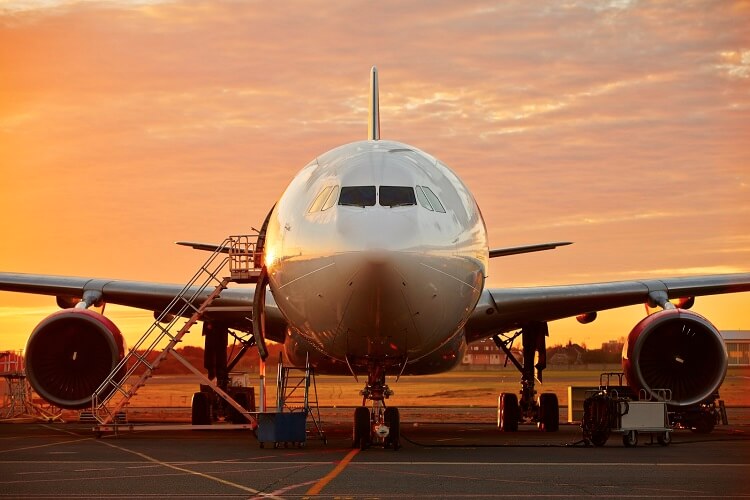
Air freight is a crucial component of the global logistics industry, facilitating rapid transportation of goods across significant distances. Understanding its dynamics is essential as businesses navigate the complexities of logistics and shipping. The ability to make informed decisions about when to use air freight can profoundly impact operational efficiency, supply chain resilience, and customer satisfaction.
The current landscape of air freight is characterized by rapid delivery, global connectivity, and the emerging focus on sustainability. With increasing demand for expedited services and evolving market conditions, decision-makers in logistics must understand the benefits and challenges of air freight. In this article, we will explore key trends, operational impacts, and practical considerations when integrating air freight into logistics strategies.
Table of Contents
- Background and Context
- Key Trends and Data
- Impacts on Logistics Operations
- Practical Lessons for Logistics Professionals
- How Scanwell Logistics Vietnam Can Help
- Conclusion
- FAQ
Understanding Air Freight in the Logistics Context
Air freight is characterized by its remarkable speed, allowing goods to be transported in a matter of hours or days. This speed makes it particularly well-suited for urgent shipments across various industries, especially where time-sensitive delivery is critical. Multinational corporations frequently rely on air freight to maintain their inventory levels, swiftly respond to market changes, and meet customer demands in sectors such as electronics, pharmaceuticals, and perishable goods.
The global reach of air freight is another critical advantage. Airlines connect numerous destinations across continents, enabling businesses to gain access to new markets quickly. This capability is essential for enhancing supply chain resilience, as it provides alternative routes in cases of disruptions such as natural disasters or political unrest. As e-commerce continues to soar, the importance of air freight for last-mile deliveries has become increasingly evident.
Key Trends and Data Shaping Air Freight
The air freight industry has seen notable trends in recent years, particularly in the wake of the COVID-19 pandemic. The pandemic significantly impacted air freight operations, leading to temporary grounding of flights and subsequently reduced capacity. Nonetheless, a rebound in global trade resulted in a surge in demand for air freight, creating bottlenecks that drove prices upward.
- The demand for expedited delivery options has risen, with a noteworthy increase in shipping costs. In late 2022, air freight costs surged by 20% compared to the previous year.
- Businesses are increasingly prioritizing flexibility in logistics strategies to manage fluctuating costs and ensure timely delivery of goods.
- The adoption of technology and data analytics is enhancing operational efficiency, helping businesses optimize their air freight decisions.
Operational Impacts on Logistics and Supply Chains
The reliance on air freight has a profound impact on logistics operations, influencing various aspects of supply chain management. Companies leveraging air freight can expect faster turnaround times, improved customer satisfaction, and a better alignment with market demands. However, the higher costs associated with air freight demand careful consideration.
Additionally, understanding the regulatory environment — including customs requirements and security protocols — is essential. Efficient documentation and compliance with international air transport regulations can help expedite shipping processes and minimize delays, proving critical for businesses aiming to maintain supply chain efficiency.
Practical Lessons for Logistics Professionals
To navigate the dynamic air freight landscape, logistics professionals should consider the following recommendations:
- Assess the urgency of shipments and determine when air freight is necessary versus other transportation modes.
- Manage inventory levels strategically to optimize the use of air freight, enhancing responsiveness to market changes.
- Invest in technology to enhance data-driven decisions and operational efficiency in air freight strategies.
- Maintain clear communication with customers regarding delivery timelines and any potential challenges.
How Scanwell Logistics Vietnam Can Help
At Scanwell Logistics Vietnam, we recognize the complexities tied to air freight operations and are committed to providing tailored solutions to meet your logistics needs. Our extensive network and robust infrastructure empower businesses to leverage air freight effectively, regardless of the shipment size or destination.
Our services positioning includes:
- Air freight solutions for time-sensitive cargo.
- Comprehensive warehousing and distribution services.
- Domestic and cross-border trucking for seamless integration.
- Customs brokerage and trade compliance support.
Conclusion
In summary, air freight remains an invaluable asset in the logistics ecosystem, offering unmatched speed and global connectivity. As businesses evolve their logistics strategies, key considerations such as cost management, regulatory compliance, and sustainability will shape their approach to air freight.
Understanding both the risks and opportunities inherent in air freight logistics is crucial for decision-makers. By staying informed about market trends and optimizing shipping strategies, businesses can harness the power of air freight to enhance operational efficiency and customer satisfaction.
Call to Action
Ready to turn these logistics insights into real competitive advantages?
Explore Scanwell Logistics Vietnam
Contact our experts for tailored support
FAQ
What are the key benefits of using air freight?
Air freight offers speed, global reach, and the ability to meet urgent delivery requirements, making it highly beneficial for time-sensitive shipments.
How does air freight pricing work?
Air freight pricing is influenced by various factors, including fuel prices, demand for express shipping, and the nature of the cargo.
What should businesses consider when integrating air freight into their logistics strategy?
Businesses should assess urgency, review costs, understand regulatory requirements, and ensure they have efficient documentation processes in place.
How can sustainability be addressed in air freight?
Sustainability in air freight can be enhanced by optimizing routes, adopting fuel-efficient technologies, and exploring sustainable aviation fuels.
What role does technology play in improving air freight operations?
Technology enhances operational efficiency and enables data-driven decision-making, allowing companies to optimize air freight processes and reduce costs.