


















The Current Landscape of Air Freight: Trends and Opportunities
Estimated reading time: 7 minutes
Air freight serves as a crucial component in global logistics, facilitating the rapid movement of goods across long distances. As markets grow increasingly interconnected, the significance of air freight has intensified, making it an essential subject for logistics professionals. Understanding the current landscape of air freight allows decision-makers to navigate evolving trends, challenges, and opportunities that can impact their supply chain strategies.
With the recent changes in global trade dynamics, including shifts in consumer behavior and regulatory requirements, businesses must adapt their logistics operations to maintain a competitive edge. In this article, we will explore the critical trends and challenges shaping the air freight industry, as well as the vast opportunities available for logistics managers and business leaders.
Table of Contents
- Background and context
- Key trends and data
- Impacts on logistics operations
- Practical lessons
- How Scanwell Logistics Vietnam can help
- Conclusion
- FAQ
Understanding Air Freight in the Logistics Context
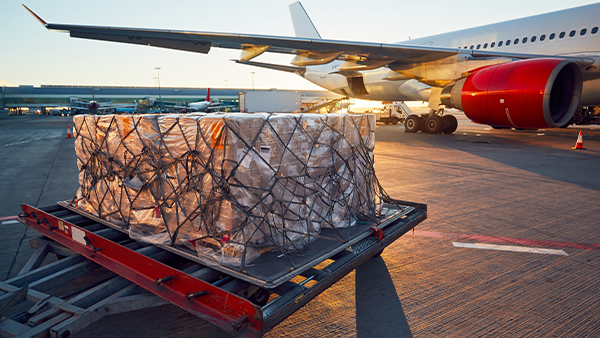
Air freight refers to the transportation of goods via aircraft, providing a fast and efficient method of shipping. It is particularly vital for handling perishable products, high-value items, and time-sensitive shipments. The air freight sector operates alongside other logistics modes, creating a multifaceted supply chain that requires seamless coordination to optimize efficiency and cost-effectiveness.
Increasing demand for expedited shipping options combined with growing global trade has propelled the air freight industry to new heights. This sector often faces unique challenges such as fluctuating fuel prices, stringent regulations, and capacity constraints, especially during peak seasons and crises, such as the ongoing impacts of the COVID-19 pandemic.
Key Trends and Data Shaping Air Freight
Several trends are currently shaping the air freight landscape:
- Optimized Operations: Implementing data analytics and automation has become crucial for enhancing operational efficiency. Airlines and freight forwarders leverage technology to monitor shipments, streamline processes, and improve service delivery.
- E-commerce Boom: The surge in e-commerce has significantly increased air freight demand, as businesses strive to meet customer expectations for quick delivery. Companies are increasingly using air freight to fulfill online orders, leading to an uptick in capacity requirements.
- Sustainability and Green Initiatives: There is a growing emphasis on sustainable practices within the air freight community. Companies are exploring alternative fuel sources and carbon offset programs to minimize their environmental impact.
Operational Impacts on Logistics and Supply Chains
As air freight becomes more integral to supply chains, its operational impacts are profound:
- Increased Speed and Reliability: Air freight offers unmatched speed, enabling businesses to respond quickly to market demands and reducing inventory holding costs.
- Enhanced Supply Chain Flexibility: With limited ground transportation options in some regions, air freight provides logistics managers with the flexibility to adapt their supply chain strategies quickly.
- Improved Tracking and Visibility: Technology advancements allow for real-time tracking of shipments, offering greater transparency throughout the logistics chain. This visibility can help reduce the risk of delays and enhance customer satisfaction.
Practical Lessons for Logistics Professionals
Logistics professionals can navigate the complexities of air freight by adopting the following best practices:
- Leverage Data Analytics: Utilize data to refine shipment planning, maximize routes, and optimize costs.
- Diversify Shipping Options: Keep a mix of air freight and other modalities to ensure flexibility in times of disruption.
- Invest in Technology: Enhance systems for tracking and managing inventories to exceed customer expectations.
- Foster Customer Relationships: Communicate proactively with customers about shipping options and potential delays to build trust.
How Scanwell Logistics Vietnam Can Help
Scanwell Logistics Vietnam is equipped to support businesses navigating the evolving air freight landscape. Our capabilities range from efficient air freight solutions to comprehensive logistics support, ensuring timely delivery of your goods in a competitive market.
- Air freight solutions tailored for time-sensitive shipments.
- Integrated warehousing and distribution services to enhance supply chain efficiency.
- Reliable domestic and cross-border trucking for seamless logistics.
- Expert customs brokerage to ensure compliance and streamline processes.
Conclusion
In summary, the air freight industry is at a pivotal moment characterized by rapid growth and evolving consumer expectations. As businesses strive for agility and efficiency, understanding the trends influencing air freight operations is essential. Logistics leaders should remain vigilant about the market’s challenges while leveraging opportunities to drive success in their supply chains.
Call to Action
Ready to turn these logistics insights into real competitive advantages?
Explore Scanwell Logistics Vietnam
Contact our experts for tailored support
FAQ
What are the benefits of using air freight?
Air freight offers unmatched speed, reliability, and flexibility, making it ideal for high-value and time-sensitive goods.
How can businesses manage air freight costs?
Businesses can manage costs by optimizing their shipping plans, consolidating shipments, and leveraging data analytics.
What role does technology play in air freight logistics?
Technology enhances tracking, visibility, and operational efficiency, allowing businesses to respond quickly to changes in demand and supply chain disruptions.