The Multimodal Future: Unpacking cargo.one’s Acquisition of Ocean Platform Cargofive
Estimated reading time: 8 minutes
The logistics industry is in a perpetual state of evolution, driven by technological innovation and the relentless demand for greater efficiency, visibility, and resilience. In this dynamic landscape, strategic moves by key players often signal the direction of future trends. A recent development that has captured the attention of freight forwarders and shippers alike is the announcement that cargo.one has acquired the ocean rate platform Cargofive. This acquisition is not merely a corporate transaction; it represents a significant step towards unifying disparate data streams and ushering in a new era of AI-native multimodal freight operations.
This pivotal acquisition, coupled with the launch of what cargo.one describes as the industry’s first AI-native operating system for multimodal freight, promises to reshape how air and ocean cargo are managed. By consolidating data from previously fragmented modes into a single, robust foundation, the new platform aims to empower agentic workflows that operate seamlessly alongside human teams. For businesses navigating the complexities of global supply chains, understanding the implications of cargo.one acquiring Ocean Platform Cargofive is crucial for adapting strategies and leveraging emerging opportunities in digitalization and automation.
Table of Contents
- Understanding the Strategic Move: cargo.one and Cargofive
- Pioneering the AI-Native Multimodal Future
- Key Trends Driving Digitalization and Multimodal Solutions
- Operational Impacts on Logistics and Supply Chains
- Practical Lessons for Logistics Professionals
- How Scanwell Logistics Vietnam Can Help
- Conclusion
- Call to Action
- FAQ
Understanding the Strategic Move: cargo.one and Cargofive
The logistics sector is constantly seeking innovation to overcome challenges related to efficiency, visibility, and cost-effectiveness. In this context, the recent announcement of cargo.one’s acquisition of the ocean rate platform Cargofive is a noteworthy development. This strategic move signifies a bold expansion of cargo.one’s capabilities beyond its established air freight booking platform, positioning it as a more comprehensive player in the multimodal logistics space. By integrating Cargofive’s expertise and data in ocean freight, cargo.one aims to offer a more unified and streamlined experience for its users.
While specific details regarding the utilization of Cargofive’s data and functionalities have not been fully disclosed, the intent is clear: to leverage ocean freight insights alongside existing air freight capabilities. This consolidation is a direct response to the growing industry demand for end-to-end solutions that span various transportation modes. For freight forwarders, the promise of accessing both air and ocean rates, capacity, and booking functions through a single platform could significantly reduce operational friction and enhance decision-making speed.
The underlying goal of this acquisition is to become a leading provider of end-to-end multimodal solutions. This means offering a seamless experience from the initial booking inquiry to the final delivery, regardless of whether the cargo travels by air, sea, or a combination of both. Such an integrated approach is vital for modern supply chain management, where complex routes and diverse transport modes are the norm.
Pioneering the AI-Native Multimodal Future
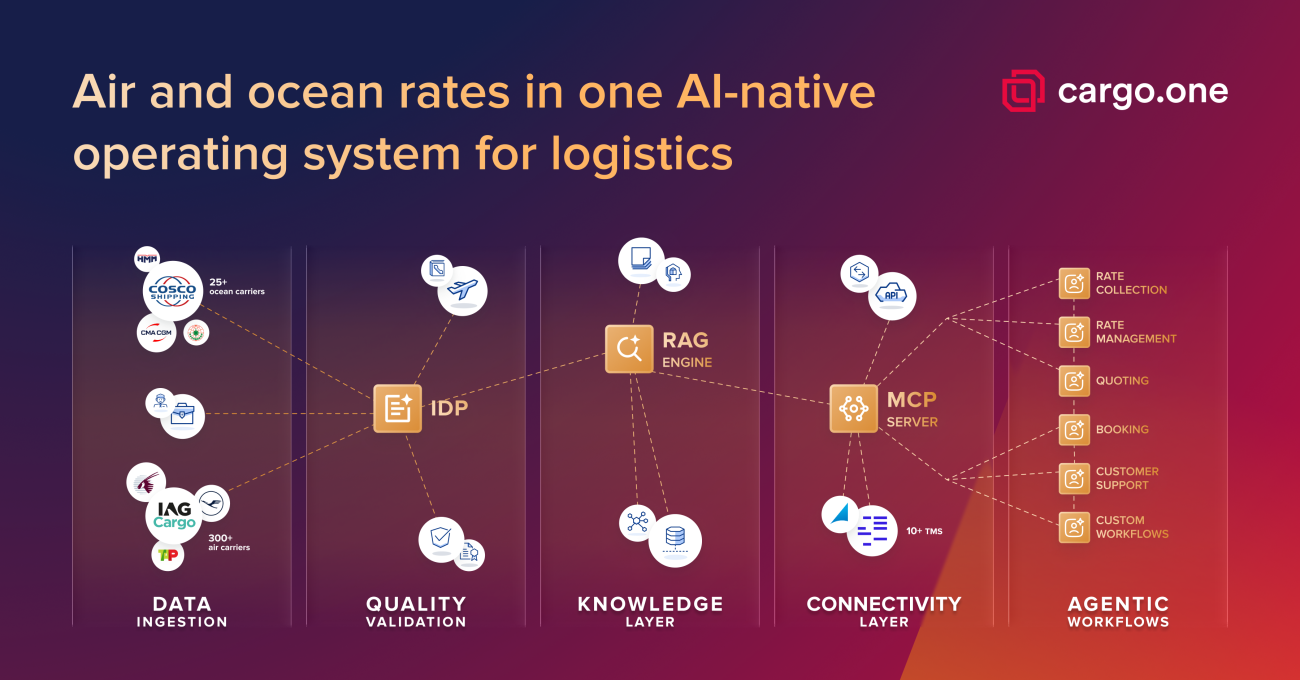
Beyond the acquisition, cargo.one simultaneously launched what it touts as the industry’s first AI-native operating system for multimodal freight. This innovative platform is designed to unify air and ocean freight data into a single, robust foundation. The concept of an “AI-native” system suggests that artificial intelligence is not merely an add-on but is intrinsically built into the core architecture, driving every aspect of its functionality. This level of integration allows for highly accurate, agentic workflows that can operate alongside human teams, automating tasks and providing intelligent insights.
The unification of air and ocean freight data is a game-changer. Historically, managing these distinct modes has often involved separate systems, different data formats, and manual reconciliation, leading to inefficiencies and reduced visibility. By bringing this data together, the new operating system promises a more comprehensive, real-time view of the entire supply chain. This holistic perspective is crucial for making informed decisions, optimizing routes, and responding rapidly to disruptions.
The “agentic workflows” aspect implies that the AI can perform tasks autonomously, learn from patterns, and even anticipate potential issues. This capability moves beyond simple automation to intelligent automation, where the system actively contributes to problem-solving and optimization. For freight forwarders, this could translate into:
- Automated rate comparisons and booking suggestions across modes.
- Predictive analytics for capacity and demand forecasting.
- Optimized multimodal routing to balance cost, speed, and sustainability.
- Enhanced real-time tracking and visibility across the entire journey.
The integration of AI-native capabilities is a clear indicator of the future direction of logistics technology, aiming to not just digitize but intelligently optimize freight management.
Key Trends Driving Digitalization and Multimodal Solutions
The logistics industry is currently navigating a period of intense transformation, fueled by several overarching trends that make strategic moves like cargo.one’s acquisition of Cargofive particularly relevant. These trends collectively underscore the increasing pressure on businesses to adapt, innovate, and embrace advanced solutions for supply chain management.
- Accelerated Digitalization and Automation: The rapid adoption of digital technologies is fundamentally changing how freight forwarders and shippers operate. From online booking platforms to automated customs processes, digitalization streamlines operations, reduces manual errors, and speeds up transactions. Automation, particularly through AI and machine learning, is moving beyond repetitive tasks to more complex decision-making processes.
- Data-Driven Decision-Making: In today’s complex supply chains, information is power. The ability to collect, analyze, and act upon vast amounts of data—from shipping rates and capacity availability to real-time cargo locations and market demand—is paramount. Companies are increasingly relying on data analytics to optimize routes, forecast demand, manage inventory, and enhance overall operational efficiency.
- Demand for Real-time Visibility: Shippers and logistics managers require end-to-end visibility into their cargo’s journey. Real-time tracking and monitoring across different modes (air, ocean, road) allow for proactive problem-solving, improved customer communication, and more accurate arrival estimations. This visibility is critical for managing disruptions and maintaining supply chain integrity.
- Focus on Efficiency and Cost Reduction: Economic pressures and tight margins continuously push businesses to find ways to reduce operational costs without compromising service quality. Multimodal solutions, especially when optimized by AI, offer the potential to select the most cost-effective and efficient combination of transport modes for specific shipments.
- Sustainability and Environmental Impact: There’s a growing global emphasis on reducing the carbon footprint of logistics operations. Shippers and consumers are increasingly seeking environmentally responsible supply chain practices. Digital platforms that can analyze and recommend more sustainable transport options (e.g., optimizing container utilization, shifting to modes with lower emissions when feasible) are gaining traction.
cargo.one’s move, by unifying multimodal data and introducing an AI-native operating system, directly addresses these trends. It acknowledges that the future of logistics lies in integrated, intelligent platforms that can handle the complexity and demands of modern global trade.
Operational Impacts on Logistics and Supply Chains
The strategic implications of cargo.one acquiring Ocean Platform Cargofive and launching its AI-native multimodal operating system are far-reaching, directly influencing the operational dynamics for freight forwarders, shippers, and the broader supply chain ecosystem. These impacts are poised to drive significant shifts in how logistics operations are planned, executed, and managed.
Enhanced Multimodal Integration and Efficiency
One of the most immediate impacts will be on the integration of air and ocean freight. By unifying data from both modes onto a single platform, logistics professionals can achieve a truly holistic view of their global shipments. This eliminates the need for juggling multiple systems and interfaces, thereby streamlining workflows, reducing administrative burdens, and significantly boosting operational efficiency. Faster access to consolidated data means quicker decision-making and response times, critical in today’s fast-paced environment.
Improved Visibility and Transparency
The AI-native operating system’s ability to unify data will inherently lead to greater real-time visibility across the entire supply chain. Shippers and freight forwarders will gain an unprecedented level of transparency regarding the status, location, and projected arrival times of their cargo, regardless of whether it’s moving by air or sea. This enhanced visibility enables proactive management of potential delays or disruptions, improves customer communication, and builds greater trust throughout the supply chain.
Optimized Forecasting and Cost Management
With AI at its core, the platform can process vast amounts of historical and real-time data to provide more accurate forecasting. This applies to everything from predicting capacity availability and demand fluctuations to estimating transit times and potential cost variations. For businesses, this translates into better resource allocation, more precise inventory planning, and the ability to optimize freight costs by selecting the most suitable multimodal options. The system can help identify the most economical yet reliable routes, mitigating the financial impact of market volatility.
Elevated Customer Experience
Ultimately, the benefits of improved efficiency, visibility, and cost optimization flow down to the end customer. Freight forwarders leveraging such a platform can offer more reliable service, provide accurate and timely updates, and demonstrate greater agility in managing shipments. This leads to increased customer satisfaction and strengthens business relationships in a competitive market.
Enhanced Compliance and Data Security
While not explicitly stated in the research, a unified digital platform often comes with inherent benefits in terms of data standardization and security protocols. Centralized data management can make it easier to maintain compliance with international shipping regulations and improve the overall security posture of sensitive logistics information.
Practical Lessons for Logistics Professionals
The developments surrounding cargo.one and Cargofive offer crucial insights for logistics professionals aiming to future-proof their operations and maintain a competitive edge. Embracing these lessons will be vital for navigating the evolving landscape of global trade.
- Embrace AI and Automation Early: The shift towards AI-native systems is not a distant future but a present reality. Logistics leaders should actively explore how AI can automate routine tasks, optimize decision-making, and provide predictive insights. Investing in AI literacy for teams and piloting AI-driven tools can yield significant returns in efficiency and accuracy.
- Prioritize Data Integration and Unification: Fragmented data is a major bottleneck. Work towards consolidating data from various sources and transport modes into a single, accessible repository. This foundational step is critical for unlocking the potential of advanced analytics and AI, allowing for a truly comprehensive view of your supply chain.
- Develop a Robust Multimodal Strategy: The focus on multimodal solutions highlights the need for flexible and adaptable transport planning. Evaluate your current shipping strategies to identify opportunities for combining air, ocean, road, and rail to optimize for cost, speed, and sustainability. A strong multimodal approach reduces reliance on any single mode and enhances resilience.
- Invest in Real-time Visibility Tools: End-to-end visibility is no longer a luxury but a necessity. Implement technologies that provide real-time tracking and status updates across all legs of the journey. This capability is essential for proactive problem-solving, managing customer expectations, and building a responsive supply chain.
- Foster Collaboration and Partnership: The complexity of modern logistics demands strong partnerships. Collaborate closely with technology providers, carriers, and 3PLs to leverage their expertise and platforms. A willingness to integrate with external systems and share data (securely) can create powerful synergistic benefits.
- Focus on Sustainability Initiatives: As demand for greener logistics grows, integrate environmental considerations into your decision-making. AI-powered platforms can help identify more sustainable routing and transport options. Measuring and reporting on environmental performance will become increasingly important.
- Cultivate an Agile and Adaptive Culture: The pace of change in logistics is accelerating. Encourage a culture of continuous learning, experimentation, and adaptability within your team. Being open to new technologies and processes is key to staying ahead.
How Scanwell Logistics Vietnam Can Help
In an era defined by rapid digitalization and the increasing demand for integrated multimodal logistics, Scanwell Logistics Vietnam stands as a steadfast partner for businesses navigating these complex changes. While the emergence of AI-native platforms like cargo.one’s signals the future, the immediate need for reliable, experienced, and technologically adept logistics providers remains paramount. Scanwell Logistics Vietnam combines global expertise with deep local knowledge, offering tailored solutions that align with the evolving demands of modern supply chains.
We understand that achieving end-to-end visibility, optimizing multimodal routes, and leveraging data for decision-making are critical. Our services are designed to provide the robust operational foundation necessary for businesses to thrive, whether you’re dealing with intricate ocean freight schedules, time-sensitive air cargo, or complex domestic distribution. We act as an extension of your team, providing the support and insights needed to streamline your supply chain operations and achieve your strategic objectives.
By partnering with Scanwell Logistics Vietnam, you gain access to a network of professionals and a suite of services designed to enhance efficiency, reduce costs, and ensure your cargo reaches its destination reliably. We are committed to embracing technological advancements to bring you best-in-class logistics services.
- Ocean Freight Solutions: Comprehensive FCL and LCL services, leveraging a global network and strong carrier relationships for optimal routes and competitive rates, essential for navigating global trade.
- Air Freight Expertise: Time-sensitive and urgent cargo solutions, including charter options and consolidation services, ensuring rapid transit for critical shipments.
- Warehousing & Distribution: Modern warehousing facilities, inventory management, cross-docking, and value-added services to streamline your supply chain and reduce overheads.
- Domestic & Cross-Border Trucking: Reliable land transport for seamless first and last-mile delivery, connecting major hubs and production zones efficiently.
- Customs Brokerage & Compliance: Expert guidance through complex customs regulations, ensuring smooth clearance and compliance with international trade laws.
- Technology-Enabled Visibility: Utilizing modern tools to provide transparency and tracking capabilities for your cargo, keeping you informed at every stage.
- Consultative Partnership: Our team offers strategic advice and customized logistics planning to address your unique business challenges and goals.
Conclusion
The acquisition of Ocean Platform Cargofive by cargo.one and the subsequent launch of an AI-native operating system for multimodal freight represent a significant inflection point for the global logistics industry. These developments underscore an irreversible trend towards greater digitalization, data unification, and the intelligent application of AI to solve complex supply chain challenges. For freight forwarders and shippers, the promise of a single, robust platform that seamlessly manages both air and ocean cargo, driven by agentic AI workflows, offers unprecedented opportunities for efficiency, cost reduction, and enhanced visibility.
The path forward demands that logistics leaders not only observe these changes but actively engage with them. Embracing new technologies, investing in data integration, and fostering agile operational models are no longer optional but essential for competitive survival and growth. The focus on multimodal solutions and end-to-end visibility will continue to intensify, pushing businesses to seek partners and platforms that can deliver comprehensive and intelligent logistics management.
Ultimately, this strategic move by cargo.one is a clear signal of the industry’s trajectory towards more integrated, intelligent, and sustainable supply chains. By understanding and adapting to these shifts, businesses can transform potential risks into tangible opportunities, ensuring their logistics operations are not just responsive but truly future-ready.
Call to Action
Ready to turn these logistics insights into real competitive advantages?
Explore Scanwell Logistics Vietnam
Contact our experts for tailored support
FAQ
What is the significance of cargo.one acquiring Ocean Platform Cargofive?
This acquisition is significant because it allows cargo.one to expand beyond its air freight focus into ocean logistics, aiming to offer a more comprehensive, end-to-end multimodal solution. By integrating Cargofive’s ocean rate data and capabilities, cargo.one seeks to unify air and ocean freight management on a single platform, enhancing efficiency and visibility for freight forwarders and shippers.
How does an “AI-native operating system” benefit multimodal logistics?
An AI-native operating system deeply embeds artificial intelligence into its core, enabling intelligent automation and agentic workflows. For multimodal logistics, this means unifying disparate air and ocean data to provide accurate forecasts, optimize routes across different transport modes, automate booking processes, and offer real-time, comprehensive visibility, ultimately leading to improved efficiency and reduced costs.
What are the main challenges in integrating air and ocean freight data?
Integrating air and ocean freight data traditionally faces challenges such as differing data formats, separate booking systems, varied pricing structures, and distinct operational processes. Overcoming these requires robust technological solutions that can standardize data, create a unified interface, and apply intelligent logic to manage the complexities of each mode while providing a seamless, holistic view.
How can businesses prepare for the increasing digitalization in multimodal freight?
Businesses can prepare by prioritizing data integration initiatives, investing in technologies that offer real-time visibility across all transport modes, fostering a culture of digital literacy, and exploring partnerships with technologically advanced logistics providers. Collaborating with experts like Scanwell Logistics Vietnam can provide access to integrated solutions and strategic guidance to navigate this evolving digital landscape.
What role does Scanwell Logistics Vietnam play in this evolving multimodal landscape?
Scanwell Logistics Vietnam acts as a crucial partner by offering comprehensive multimodal logistics solutions, including expert ocean and air freight services, robust warehousing, domestic distribution, and customs brokerage. We leverage technology to provide visibility and efficiency, helping businesses integrate their supply chain operations effectively and capitalize on the benefits of an increasingly digital and interconnected global trade environment, even as new platforms emerge.