DHL Opens a Large-Scale Medical Logistics Center in Pennsylvania
Estimated reading time: 7 minutes
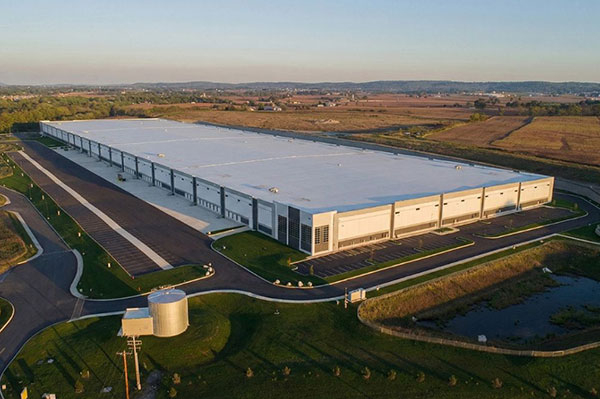
DHL has announced plans to open a significant medical logistics center in Pennsylvania, a move that promises to greatly enhance its healthcare logistics capabilities in the region. The facility, which will cover approximately 1 million square feet, is slated to be operational by 2026. As a Foreign Trade Zone (FTZ), this center is designed to facilitate faster processing and distribution of medical goods, addressing the soaring demands of the healthcare sector.
This announcement comes at a pivotal moment for the logistics and supply chain industry, especially in the wake of unprecedented demands during recent global health crises. The strategic establishment of this medical logistics center highlights DHL’s commitment to investing in the infrastructure necessary to support the healthcare industry. In this article, we will delve into the trends, challenges, and opportunities that accompany this expansion by DHL.
Table of Contents
- Background and Context
- Key Trends and Data Shaping Healthcare Logistics
- Operational Impacts on the Logistics Sector
- Practical Lessons for Logistics Professionals
- How Scanwell Logistics Vietnam Can Help
- Conclusion
- FAQ
Understanding DHL’s New Medical Logistics Center
The opening of the large-scale medical logistics center in Pennsylvania represents a significant milestone for DHL. This facility not only reflects the growing demand for effective healthcare logistics but also emphasizes the necessity for specialized logistics solutions. By becoming a Foreign Trade Zone (FTZ), the center is designed to enhance processing speed and efficiency, critical factors in ensuring timely delivery of vital medical supplies to healthcare providers.
The Pennsylvania location takes advantage of an already established transportation infrastructure, which is central to effective distribution strategies. Additionally, the facility is expected to create numerous job opportunities, which can stimulate local economic growth and support the logistics workforce.
Key Trends and Data Shaping Healthcare Logistics
The establishment of DHL’s medical logistics center coincides with several key trends in the healthcare logistics landscape:
- The trend towards specialization in healthcare logistics is evident, with companies like DHL investing to adapt to new challenges and expectations.
- There is a growing need for real-time inventory tracking and temperature-controlled logistics, which are essential for the safe transportation of pharmaceuticals and sensitive medical equipment.
- Technological advancements continue to play a significant role in streamlining operations and increasing efficiency in the logistics sector.
Operational Impacts on Logistics and Supply Chains
The launch of this medical logistics center is expected to have considerable impacts on DHL’s operations and the wider logistics sector. Here are a few anticipated effects:
First, the efficiency of supply chains is likely to improve significantly due to the function of the facility as an FTZ, which will enable quicker clearance and streamlined inventory management. This capability is crucial for ensuring that healthcare providers receive critical supplies promptly.
Second, the location of the facility near vital transport links will enable DHL to distribute products efficiently across Pennsylvania and into neighboring states, enhancing the overall logistics network in the region. However, as logistics operations expand, challenges such as supply chain bottlenecks and labor shortages may also arise. Companies must be prepared to address these challenges proactively to maintain service levels.
Practical Lessons for Logistics Professionals
For logistics professionals looking to navigate the ever-evolving landscape, consider the following best practices:
- Focus on transportation planning and carrier selection to optimize logistics routes and delivery timelines.
- Invest in warehousing and distribution strategies that align with healthcare sector needs, especially concerning temperature-sensitive goods.
- Embrace technology to enhance visibility and efficiency in the supply chain.
- Maintain strong customer communication and service strategies to adapt to the demands of healthcare clients.
How Scanwell Logistics Vietnam Can Help
At Scanwell Logistics Vietnam, we understand the complexities of healthcare logistics and are equipped to support businesses through our comprehensive services. From ocean freight and air cargo solutions to state-of-the-art warehousing and distribution strategies, we can help streamline your supply chain needs.
Our capabilities include:
- Ocean freight (FCL/LCL on key trade lanes).
- Air freight solutions for time-sensitive cargo.
- Warehousing, distribution and value-added services.
- Domestic and cross-border trucking.
- Customs brokerage and trade compliance support.
Conclusion
The opening of DHL’s medical logistics center in Pennsylvania represents a significant advancement in healthcare logistics, underscoring the need for specialized facilities tailored to the sector’s growing demands. While challenges such as labor shortages and supply chain disruptions persist, this investment is a proactive step towards enhancing logistics efficiency and service delivery.
As logistics leaders navigate an increasingly complex landscape, they must consider both the risks and opportunities presented by such expansions. Continuous innovation and strategic investments will prove essential to adapting to the evolving needs of healthcare logistics.
Call to Action
Ready to turn these logistics insights into real competitive advantages?
Explore Scanwell Logistics Vietnam
Contact our experts for tailored support
FAQ
What is the significance of DHL opening a medical logistics center?
The new facility enhances DHL’s capabilities in the medical logistics sector, facilitating faster delivery of essential medical supplies in response to increasing healthcare demands.
How does the Foreign Trade Zone benefit the new facility?
The FTZ designation allows for quicker clearance of goods, improving inventory management and ensuring timely deliveries of critical medical supplies.
What challenges may arise from this expansion?
Anticipated challenges include supply chain bottlenecks and labor shortages, which could affect operational efficiency and service levels.
How can companies adapt to changes in healthcare logistics?
Companies should focus on investing in specialized infrastructure, strengthening technology adoption for tracking, and enhancing customer service for better responsiveness in logistics.