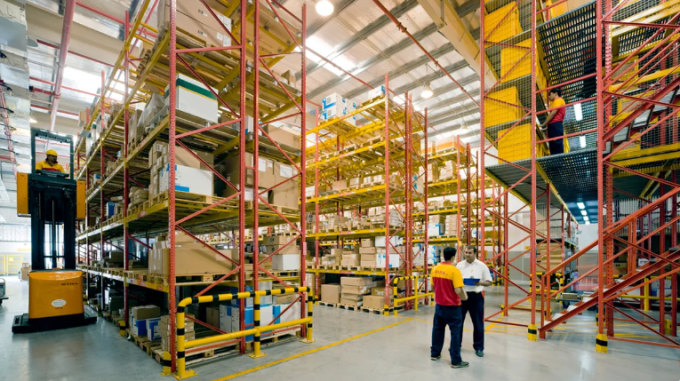
DHL Supply Chain Benefits from a New Returns Processing Network
Estimated reading time: 7 minutes
In the logistics industry, the ability to manage returns effectively is becoming increasingly critical as e-commerce continues to thrive. DHL Supply Chain has recognized this need and has recently implemented a new returns processing network, strategically designed to enhance its logistics capabilities. This network, known as the DHL ReTurn Network, aims to streamline the returns process, benefiting both logistics operations and customer experiences.
The importance of this topic cannot be overstated; as the volume of online shopping surges, so too does the volume of returns. Companies face rising pressure to create efficient return mechanisms that not only save costs but also satisfy customer expectations. The advancements brought by DHL’s new network address these challenges, promising substantial operational improvements and innovative strategies for managing returns in today’s competitive market.
Table of Contents
- Background and context
- Key trends and data
- Impacts on logistics operations
- Practical lessons
- How Scanwell Logistics Vietnam can help
- Conclusion
- FAQ
Understanding DHL Supply Chain Benefits from a New Returns Processing Network
The landscape of logistics is in constant flux, and companies like DHL Supply Chain are at the forefront of adapting to these changes. The implementation of the DHL ReTurn Network is a direct response to the increasing complexity of returns management exacerbated by the exponential growth of e-commerce.
The new returns processing network consists of 11 strategically located and purpose-built facilities. This design allows for more effective management of returns, catering to the requirements of an omnichannel retail environment where customers expect convenience and speed from both purchases and returns. The optimized process not only eases the burden of handling returns but also meets rising consumer expectations regarding refunds and exchanges.
Key Trends and Data Shaping DHL’s Returns Processing
With the launch of the DHL ReTurn Network, certain trends and data are noteworthy:
- The network’s strategic facilities enable savings on logistics costs, potentially between 10% to 50%.
- Faster turnaround times for returns and refunds enhance customer satisfaction and retention.
- Advanced analytics and reporting tools provide businesses with insights into return trends and inventory management.
Operational Impacts on Logistics and Supply Chains
The operational efficiencies gained from DHL’s returns processing network are transformative. By streamlining the returns process, companies can minimize disruptions in their supply chains, which is crucial for maintaining competitive edge. The network is designed to handle diverse product categories, allowing companies to adapt their return strategies based on the nature of their goods.
Moreover, with enhanced inventory visibility, businesses are better equipped to manage stock levels, reducing instances of overstock or stockouts. This capability aligns perfectly with the demands of the modern consumer, who expects prompt processing of returns and transparency in inventory status.
Practical Lessons for Logistics Professionals
As organizations consider how to improve their own returns processes, several key takeaways can be derived from DHL’s initiative:
- Prioritize establishing a dedicated returns processing network to enhance efficiency.
- Invest in technology that supports analytics and reporting to drive informed decision-making.
- Adapt operations to meet diverse handling requirements based on different product categories.
- Optimize customer communication regarding returns to improve overall satisfaction levels.
How Scanwell Logistics Vietnam Can Help
In line with the insights from DHL’s new returns processing network, Scanwell Logistics Vietnam offers robust solutions that enhance returns management through improved visibility and operational efficiency. Our comprehensive suite of logistics services is designed to support businesses in navigating the complexities of supply chain operations.
- Ocean freight (FCL/LCL on key trade lanes).
- Air freight solutions for time-sensitive cargo.
- Warehousing, distribution, and value-added services.
- Domestic and cross-border trucking.
- Customs brokerage and trade compliance support.
Conclusion
DHL Supply Chain’s new returns processing network exemplifies the transformative potential of effective returns management in the logistics industry. By creating a more efficient returns process, DHL not only reduces operational costs but also improves customer satisfaction and fosters better inventory management.
As e-commerce continues to expand, businesses must be proactive in adapting to higher return volumes and managing them effectively. The ability to innovate returns strategies will be essential in keeping up with customer demands and avoiding pitfalls that could arise from ineffective reverse logistics.
Call to Action
Ready to turn these logistics insights into real competitive advantages?
Explore Scanwell Logistics Vietnam
Contact our experts for tailored support
FAQ
How can businesses benefit from the DHL ReTurn Network?
The network enables businesses to achieve significant cost savings and improve the efficiency of their returns processes, ultimately enhancing customer satisfaction.
What kind of technology is used in the DHL returns processing?
DHL utilizes advanced analytics and reporting tools to provide insights into returns trends and inventory management, aiding businesses in making informed decisions.
How do companies prepare for increased return volumes?
Investing in dedicated returns processing capabilities and leveraging technology for efficient inventory management can help companies manage increased return volumes effectively.