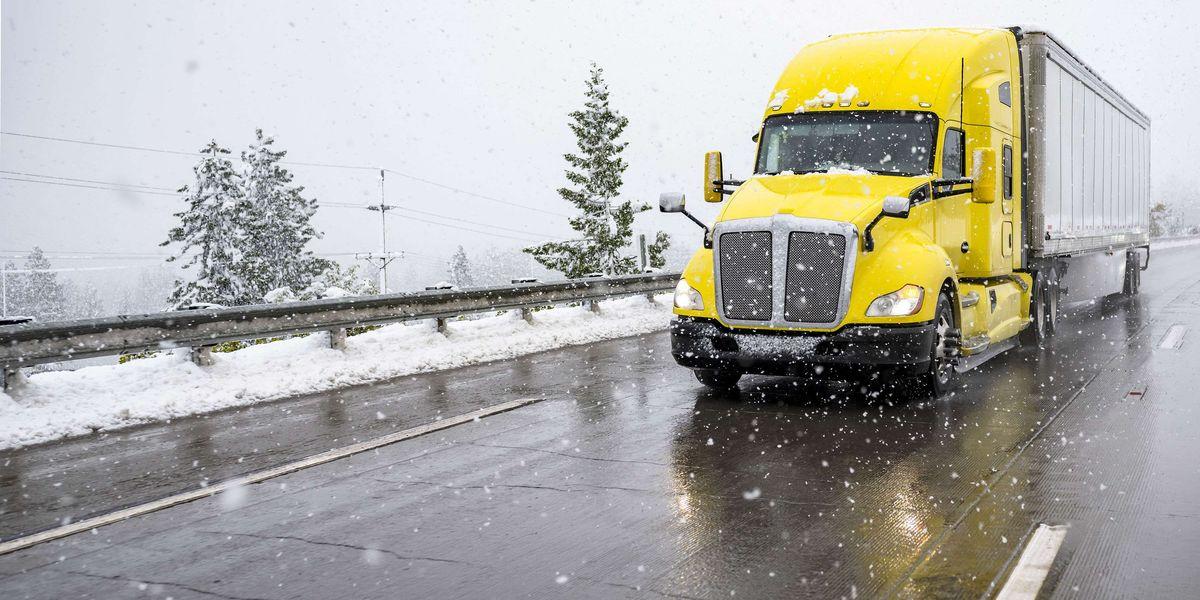
The Critical Imperative: How to Stay Current on Snow and Ice Removal Laws for Commercial Fleets
Estimated reading time: 8 minutes
In the dynamic world of logistics, where timely delivery and supply chain efficiency are paramount, unforeseen challenges can significantly disrupt operations. Among these, severe winter weather poses a unique set of obstacles, particularly for ground transportation. For businesses engaged in road freight, especially those operating across diverse geographical regions like the United States, the imperative to stay current on snow and ice removal laws is not merely a matter of compliance; it is a fundamental aspect of risk management, operational safety, and financial prudence.
These regulations, designed to enhance road safety and prevent accidents caused by falling ice or obstructed views, vary significantly from state to state. What might be acceptable in one jurisdiction could lead to hefty fines, significant liability, or even severe consequences in another. This article delves into the nuances of these critical laws, exploring their impact on the trucking industry, outlining common pitfalls, and providing practical guidance for logistics and supply chain managers to ensure their operations remain compliant, safe, and efficient, regardless of winter’s unpredictable grip.
Table of Contents
- The Imperative to Stay Current on Snow and Ice Removal Laws
- Navigating Diverse State Regulations for Snow and Ice Removal
- Operational Realities: Challenges and Safety in Commercial Snow Removal
- Mitigating Financial and Reputational Risks Through Compliance
- Practical Lessons for Logistics Professionals
- How Scanwell Logistics Vietnam Can Help Navigate Supply Chain Complexities
- Conclusion
- Call to Action
- FAQ
The Imperative to Stay Current on Snow and Ice Removal Laws
Winter weather presents unique challenges for the transportation sector, impacting everything from delivery schedules to driver safety. A critical, yet often overlooked, aspect of managing these challenges is adherence to snow and ice removal laws. These regulations are not arbitrary; they are meticulously crafted to prevent accidents, injuries, and fatalities caused by snow and ice dislodging from vehicles or obstructing drivers’ visibility. For logistics companies managing fleets, understanding and complying with these laws is a non-negotiable part of responsible operations.
The core principle behind these laws is public safety. A vehicle, especially a large commercial truck, carrying accumulated snow and ice transforms into a potential hazard. As the vehicle travels, warming temperatures and vibrations can cause large sheets of ice or heavy clumps of snow to detach, potentially striking other vehicles, pedestrians, or property. Such incidents can lead to serious accidents, causing severe injuries or even fatalities, and expose the operating company to significant legal and financial liabilities. Beyond the danger of falling debris, obstructed views due to snow or ice on windshields or mirrors severely impair a driver’s ability to operate safely, increasing the risk of collisions.
For logistics and supply chain managers, the implications extend beyond individual driver responsibility. These laws directly influence fleet management strategies, driver training programs, operational planning, and ultimately, the company’s reputation and financial stability. A single incident of non-compliance can result in substantial fines, increased insurance premiums, and damage to customer trust. Therefore, proactive measures to stay current on snow and ice removal laws and implement robust compliance protocols are essential components of a resilient and responsible logistics operation.
Navigating Diverse State Regulations for Snow and Ice Removal
One of the primary complexities for logistics companies operating across state lines is the significant variation in snow and ice removal laws. There isn’t a single federal standard, requiring carriers to understand and adapt to regional specifics. This patchwork of regulations demands diligent attention to detail and ongoing awareness.
-
New Jersey: The Strict Standard
New Jersey stands out with one of the most stringent laws. It mandates that drivers completely clear their vehicles of snow and ice before entering roadways. This includes not just windshields, but also roofs and other surfaces where accumulation could pose a risk. For commercial vehicles, the penalties for violating this law are substantial, reaching up to $1,500. Notably, these fines are earmarked to fund the installation of more roadside snow-removal equipment, indicating a commitment to facilitating compliance. The law also includes a practical exemption: professional drivers traveling to a snow-removal station, and who can demonstrate this intent, will not be ticketed. This acknowledges the unique challenges faced by the trucking industry in complying with such comprehensive clearing requirements mid-journey. -
Pennsylvania: Severe Consequences for Negligence
Pennsylvania’s law similarly requires drivers to remove snow and ice from their vehicles before operating on highways. What makes Pennsylvania’s regulation particularly impactful is the severity of consequences for non-compliance. If snow or ice falling from a driver’s vehicle—due to their failure to clear it—causes injury or death to another person, the driver can face severe fines of up to $1,500. This provision highlights the significant legal liability and ethical responsibility that rests on drivers and, by extension, their employers. -
Connecticut and New York: Focus on Visibility
Connecticut enforces a law similar to Pennsylvania’s in its intent to prevent hazardous situations. In New York, the law specifically prohibits driving with snow or ice obstructing a driver’s view. While these might seem less encompassing than New Jersey’s “completely clear” mandate, obstructing a driver’s view is a fundamental safety violation, and enforcement can still carry significant penalties, impacting both safety and operational continuity. -
Alaska: Windshield Clarity is King
In Alaska, where winter conditions are extreme and prolonged, the law primarily focuses on ensuring that snow and ice do not obscure windshield visibility. While the top of a rig might not be explicitly mentioned for clearing, any impediment to the driver’s sightline is strictly prohibited, recognizing the heightened risks of navigating challenging terrains in reduced visibility. -
Other States: Danger, Negligence, and Authority to Stop
Many other states, while not having explicitly comprehensive “clear-all” laws for entire vehicles, still empower law enforcement to act against dangerous accumulations:- In **Georgia, Iowa, Michigan, and Nebraska**, officers can issue citations if a vehicle is deemed a danger due to accumulated snow or ice. This offers broader discretion to law enforcement but still places the onus on the driver and company to ensure safety.
- **New Hampshire** officers can issue citations for negligence if snow and ice fall from a vehicle, directly addressing the hazard of falling debris.
- In **Washington, D.C.**, police have the authority to stop a motorist specifically for traveling with accumulated snow and ice, emphasizing proactive enforcement.
- The **Massachusetts Turnpike Authority** can even prohibit vehicles from using the roadway if debris, including snow or ice, could fall and endanger individuals or property. The **Massachusetts Turnpike Police** are authorized to fine drivers for failing to clear their vehicles, underlining a comprehensive approach to safety on critical infrastructure.
This diverse regulatory landscape underscores why logistics companies must have robust systems in place to track state-specific requirements. Relying on a one-size-fits-all approach is a recipe for non-compliance, financial penalties, and compromised safety. The effort to stay current on snow and ice removal laws must be continuous and integrated into fleet management and driver education programs.
Operational Realities: Challenges and Safety in Commercial Snow Removal
While the legal requirements are clear, the practical execution of snow and ice removal for commercial trucks presents significant operational and safety challenges. Trucking industry drivers are acutely aware of these issues, which go beyond merely clearing a windshield.
Worker Safety Provisions and Practical Hurdles
A major concern for commercial fleets is the worker-safety aspect. Drivers cannot, and should not, be required to climb on top of their rigs to remove snow and ice. Such an action would directly violate worker-safety provisions, exposing drivers to severe risks of falls, particularly on icy, unstable surfaces at height. Logistics companies have a legal and ethical obligation to protect their employees, making manual clearing of high vehicle surfaces a non-starter. This creates a dilemma: how to comply with laws requiring full vehicle clearing (like New Jersey’s) without endangering drivers?
Innovative Solutions and Best Practices
The industry has, therefore, sought alternative solutions. Drivers frequently report using truck washes as a practical method to loosen and remove snow and ice from trailers and roofs. The warm water and high-pressure sprays can be effective in dislodging stubborn accumulations without requiring drivers to ascend dangerous heights.
Herbert Mayo, vice president of risk control for Lockton Companies, a national insurance broker, offers additional practical advice. He suggests that if possible, drivers should wait until later in the day to attempt clearing vehicles. The sun’s warmth can soften the ice on trailers, making it much easier for it to slide off naturally or with minimal assistance. This highlights the importance of strategic planning and flexibility in routes and schedules during winter operations.
The Hidden Dangers: Mud Flaps and Wheel Wells
Beyond the visible snow on roofs and windshields, Mayo also points out a less obvious but equally dangerous accumulation point: the buildup of ice and snow behind the tires on mud flaps and within wheel wells. This accumulation often forms a large, dense ball from road spray and freezing temperatures. When these heavy chunks eventually dislodge, they can be propelled with considerable force, posing a severe threat to following vehicles. Addressing this requires not only clearing visible snow but also regular checks and removal of these dense ice formations, often requiring specialized tools or mechanical means to break them apart safely.
These operational realities underscore the need for a comprehensive approach to winter weather preparedness that balances legal compliance, driver safety, and practical feasibility.
Mitigating Financial and Reputational Risks Through Compliance
For any logistics business, the financial and reputational stakes associated with snow and ice removal laws are significant. Non-compliance can lead to a cascade of negative consequences that directly impact the bottom line and long-term viability.
Direct Financial Penalties
The most immediate financial impact comes from fines. As seen in states like New Jersey and Pennsylvania, commercial vehicles can face fines of up to $1,500 for a single violation. For a fleet with multiple vehicles operating across different states, these penalties can quickly accumulate, becoming a substantial unplanned expense. These fines are not merely administrative; they signify a failure in operational due diligence.
Liability and Insurance Costs
Far more costly than fines are the potential liabilities arising from accidents. If snow or ice dislodging from a vehicle causes injury, death, or significant property damage, the operating company faces severe legal repercussions. This could involve lawsuits, compensation payouts, and even criminal charges in cases of gross negligence. The financial burden of such incidents—including legal fees, settlements, and increased insurance premiums—can be catastrophic for a business. Insurers closely monitor compliance records and accident histories; a poor track record due to non-compliance can lead to higher rates, or even difficulty securing coverage. This is where the advice from risk control experts like Herbert Mayo becomes invaluable, highlighting the interconnection between operational safety and financial risk management.
Reputational Damage and Customer Trust
Beyond the direct financial costs, there’s the intangible but highly valuable asset of reputation. An incident involving a commercial vehicle and falling ice, especially one resulting in injury or death, quickly becomes public. Such negative publicity can severely damage a company’s brand image, eroding customer trust and potentially leading to lost contracts and business opportunities. In an industry where reliability and safety are paramount, a reputation for negligence can be incredibly difficult to overcome. Building and maintaining a reputation for stringent safety and compliance, conversely, can be a significant competitive advantage. This reinforces the need to proactively stay current on snow and ice removal laws and embed them into the company’s operational DNA.
Practical Lessons for Logistics Professionals
Navigating the complexities of snow and ice removal laws requires a multifaceted strategy. Logistics professionals can implement several practical lessons to ensure compliance, enhance safety, and maintain operational efficiency during winter months.
-
Develop a Robust Compliance Program:
Establish a comprehensive program to monitor and disseminate information on state-specific snow and ice removal laws. This should include a centralized database of regulations for all operational regions, regularly updated. Ensure drivers have easy access to this information and understand the specific requirements for their routes.
-
Mandatory Driver Training and Education:
Implement mandatory training sessions for all drivers and fleet managers, focusing on the dangers of snow and ice accumulation, specific state laws, and safe removal procedures. Emphasize that drivers should never climb on rigs to clear snow, advocating for safer alternatives. Training should cover visual inspection techniques for recognizing hazardous accumulations, including on mud flaps and wheel wells.
-
Strategic Route Planning and Scheduling:
Incorporate winter weather forecasts and road conditions into route planning. Where possible, schedule longer stops or layovers in areas equipped with snow-removal stations or truck washes, particularly for routes passing through states with stringent laws like New Jersey or Pennsylvania. Consider delaying departures during severe conditions or allowing extra time for passive clearing (e.g., waiting for sun to warm the trailer).
-
Invest in Appropriate Equipment and Infrastructure:
While not universally available, advocate for and utilize specialized snow and ice removal equipment at depots or strategic waypoints. This might include telescopic brushes, de-icing sprays, or drive-through clearing systems that ensure full vehicle clearance without compromising driver safety. Partner with truck stops and service centers that offer truck wash facilities.
-
Leverage Technology for Visibility and Communication:
Utilize telematics and fleet management software to monitor vehicle locations and communicate real-time weather alerts and operational directives to drivers. Maintain open communication channels for drivers to report hazardous conditions or compliance challenges they encounter on the road, allowing for swift operational adjustments.
-
Foster a Culture of Safety and Compliance:
Ensure that safety and compliance are top priorities, not merely regulatory burdens. Empower drivers to make safe decisions, even if it means delays, and recognize their efforts in maintaining safe operations. Partner with insurance brokers and risk management specialists, like those at Lockton Companies, to regularly review and update safety protocols, ensuring they reflect current best practices and legal requirements.
By integrating these practical lessons, logistics organizations can transform the challenge of winter weather and varied snow removal laws into an opportunity to strengthen their operational resilience, protect their workforce, and uphold their commitment to public safety. The effort to stay current on snow and ice removal laws becomes a cornerstone of responsible logistics management.
How Scanwell Logistics Vietnam Can Help Navigate Supply Chain Complexities
While the immediate focus of snow and ice removal laws is on regional ground transportation, the underlying principles—risk management, compliance, and operational resilience—are universal to global logistics. At Scanwell Logistics Vietnam, we understand that navigating a complex web of regulations, whether related to local road safety or international trade compliance, is crucial for seamless supply chain operations. Our expertise extends beyond specific regional challenges to encompass a holistic approach to logistics solutions that prioritize efficiency, visibility, and robust risk mitigation.
For businesses that manage global supply chains, partnering with an experienced logistics provider like Scanwell Logistics Vietnam means gaining a trusted ally who can help anticipate and mitigate various operational hurdles. We help our clients reduce the administrative burden of logistics, allowing them to focus on their core business while we handle the intricate details of freight movement, customs, and distribution across diverse regulatory environments. Our commitment to transparent communication and proactive problem-solving ensures that your cargo moves safely and efficiently, no matter the external conditions.
Even if your immediate concern isn’t snow removal in the US, our approach to integrated logistics ensures that your overall supply chain benefits from a partner dedicated to compliance and operational excellence, which are fundamental to navigating any complex regulatory landscape.
- Ocean freight (FCL/LCL): Reliable and cost-effective shipping solutions on key global trade lanes, ensuring your cargo reaches its destination efficiently.
- Air freight solutions: Fast and secure transport for time-sensitive or high-value cargo, leveraging an extensive network for global reach.
- Warehousing, distribution, and value-added services: Comprehensive warehousing solutions, including inventory management, order fulfillment, and cross-docking, tailored to your specific needs.
- Domestic and cross-border trucking: Efficient ground transportation services that complement our air and ocean offerings, ensuring last-mile delivery and regional connectivity.
- Customs brokerage and trade compliance support: Expert navigation of complex customs regulations and trade laws, minimizing delays and ensuring compliance for international shipments.
- Advanced Technology and Visibility: Integrated tracking systems and data analytics provide real-time visibility into your shipments, enabling informed decision-making and proactive problem resolution.
Conclusion
The challenge of winter weather and the necessity to stay current on snow and ice removal laws is a tangible illustration of the broader complexities within the logistics and supply chain industry. These laws, while geographically specific, underscore universal principles of safety, compliance, and risk management that are critical for any successful operation. Failing to adhere to these regulations not only jeopardizes public safety but also exposes logistics companies to significant financial penalties, legal liabilities, and irreparable reputational damage.
By understanding the diverse state-specific requirements, acknowledging the operational realities faced by commercial drivers, and implementing proactive measures—from comprehensive training to strategic route planning and leveraging appropriate infrastructure—logistics leaders can navigate these challenges effectively. The key lies in foresight, continuous education, and a commitment to fostering a strong culture of safety and compliance throughout the organization.
In an increasingly interconnected world, where supply chain resilience is paramount, embracing these best practices ensures not only legal adherence but also the sustained efficiency and trustworthiness of logistics operations, allowing businesses to thrive even in the face of nature’s most formidable challenges.
Call to Action
Ready to turn these logistics insights into real competitive advantages?
Explore Scanwell Logistics Vietnam
Contact our experts for tailored support
FAQ
Why are snow and ice removal laws so strict for commercial vehicles, particularly in certain states?
These laws are primarily enacted for public safety. Commercial vehicles, especially large trucks, can accumulate significant amounts of snow and ice on their roofs and other surfaces. As the vehicle moves, this can dislodge and become dangerous projectiles, causing severe accidents, injuries, or even fatalities to other road users. Stricter states like New Jersey and Pennsylvania aim to proactively prevent such incidents and hold drivers and companies accountable for ensuring road safety.
What are the main challenges for truck drivers in complying with these varied state laws?
The primary challenges include worker safety provisions, which prohibit drivers from climbing on top of tall rigs to clear snow, posing a significant fall risk. Additionally, the sheer volume and weight of snow and ice, especially in prolonged cold, make manual removal impractical. The variation in laws between states requires constant awareness, and finding accessible, safe snow-removal stations or truck washes on route can be difficult, especially when faced with tight delivery schedules.
How can logistics companies effectively ensure their fleets comply with the diverse snow and ice removal regulations across different states?
Effective compliance requires a multi-pronged approach: implementing mandatory, comprehensive driver training on state-specific laws and safe removal techniques; strategic route planning that accounts for weather, potential delays, and access to clearing facilities like truck washes or snow-removal stations; investing in appropriate, safe snow-clearing equipment where feasible; and fostering a strong safety culture that empowers drivers to prioritize compliance. Partnering with experienced logistics providers and risk management experts can also offer valuable insights and support in developing robust operational protocols to stay current on snow and ice removal laws and mitigate risks effectively.
Can companies be held liable if snow or ice falls from one of their commercial vehicles and causes an accident?
Yes, absolutely. States like Pennsylvania explicitly state that if snow or ice from a vehicle causes injury or death, the driver can face severe fines and legal consequences. This liability extends to the operating company, which can face lawsuits, significant financial penalties, increased insurance premiums, and severe damage to its reputation. Demonstrating due diligence and a proactive approach to compliance is crucial for mitigating these risks.