Egypt Operates the First Semi-Automatic Container Port
Estimated reading time: 7 minutes
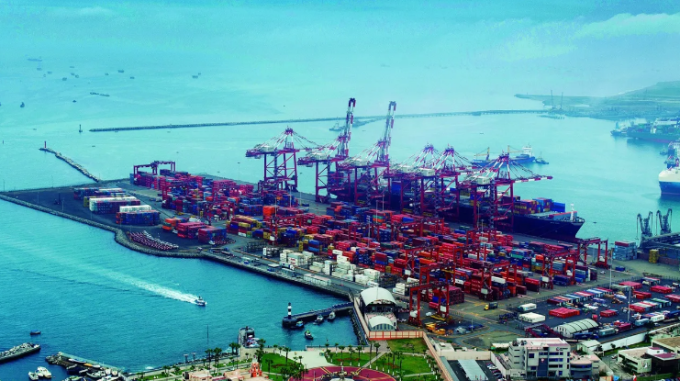
Egypt has taken a decisive step towards transforming its logistics sector with the inauguration of the first semi-automated container terminal at Sokhna Port, located along the Red Sea. Operated by Red Sea Container Terminals (RSCT), this facility aims to modernize operations and enhance the efficiency of the container shipping industry. The launch of this terminal is an essential development not only for Egypt but also for the broader logistics landscape as automation continues to reshape the industry.
This article will delve into the implications of this significant milestone, focusing on the trends driving the adoption of automation, potential challenges faced during implementation, and the opportunities for future growth within the logistics sector. We will also consider how Egypt’s advancements can serve as a model for similar initiatives regionally and globally.
Table of Contents
- Background and Context
- Key Trends and Data
- Impacts on Logistics Operations
- Practical Lessons for Logistics Professionals
- How Scanwell Logistics Vietnam Can Help
- Conclusion
- FAQ
Understanding Egypt’s Semi-Automated Container Port in the Logistics Context
The launch of Egypt’s first semi-automated container terminal at Sokhna Port symbolizes a substantial advancement in the country’s logistics infrastructure. As global shipping markets evolve, ports worldwide are increasingly adopting automation technologies to optimize operations, minimize costs, and improve efficiency in cargo handling. The introduction of this facility positions Egypt strategically as a prominent logistics hub in the region.
Key Trends and Data Shaping Automation in Logistics
The semi-automated terminal adopts cutting-edge technologies designed to streamline cargo handling, which is projected to enhance turnaround times for vessels significantly. Innovations in this area are part of a broader trend towards automation that the logistics industry is experiencing globally, driven by the need for improved productivity and efficiency.
- The automation of key processes is expected to lead to reduced human error, thus enhancing the accuracy of port operations.
- As shipping lines increasingly seek efficient operations, the automated capabilities of Sokhna Port are likely to attract more shipping lines, resulting in escalated cargo volumes.
- The evolution towards semi-automatic ports aligns with the technological innovation trend, essential for meeting rising global import and export demands.
Operational Impacts on Logistics and Supply Chains
The operational impacts of the semi-automated terminal at Sokhna Port are significant. By enhancing the efficiency of cargo handling processes, Egypt’s logistics operations can expect improved service levels and faster turnaround times.
However, transitioning to semi-automation is not without risks. Initial implementation costs may pose a financial burden, and there may be resistance from labor unions concerned about potential job displacements. Additionally, there is a pressing need for skilled personnel who can operate and maintain the new automated systems. Training programs will play a crucial role in ensuring a smooth transition and operational success.
Practical Lessons for Logistics Professionals
- Invest in training programs for employees to help them adapt to new technologies and ensure a smooth transition.
- Consider pilot projects before full implementation to assess the effectiveness of new automated systems.
- Focus on integrating technology innovations that align with business goals and enhance operational standards.
- Maintain open communication with stakeholders to address any concerns and ensure broad acceptance of changes.
How Scanwell Logistics Vietnam Can Help
Scanwell Logistics Vietnam is well-positioned to leverage the advancements in semi-automated operations like those at Sokhna Port. By offering a range of logistics solutions, we can help businesses streamline their supply chains. We provide expert insights and technology-enabled visibility to optimize logistics processes and enhance operational efficiency.
- Ocean freight (FCL/LCL on key trade lanes).
- Air freight solutions for time-sensitive cargo.
- Warehousing, distribution, and value-added services.
- Domestic and cross-border trucking.
- Customs brokerage and trade compliance support.
Conclusion
In conclusion, Egypt’s launch of its first semi-automated container terminal is a pivotal moment in the modernization of its logistics landscape. The integration of advanced technologies in port operations stands to enhance efficiency and competitiveness in the logistics sector. While challenges remain, addressing these with strategic foresight will be essential for sustaining growth in Egypt’s shipping capabilities.
Call to Action
Ready to turn these logistics insights into real competitive advantages?
Explore Scanwell Logistics Vietnam
Contact our experts for tailored support
FAQ
What is a semi-automated container port?
A semi-automated container port incorporates advanced technology to assist in cargo handling, thus improving efficiency while still maintaining some human oversight.
What are the benefits of automation in logistics?
Automation in logistics leads to improved turnaround times, reduced operational costs, and minimized human error, resulting in enhanced accuracy and efficiency.
How can logistics teams best prepare for automation transitions?
Logistics teams can prepare by implementing comprehensive training programs, assessing technology compatibility, and maintaining open lines of communication with all stakeholders to address concerns.