UPS and FedEx Increase Fuel Surcharges for US Domestic Deliveries
Estimated reading time: 8 minutes
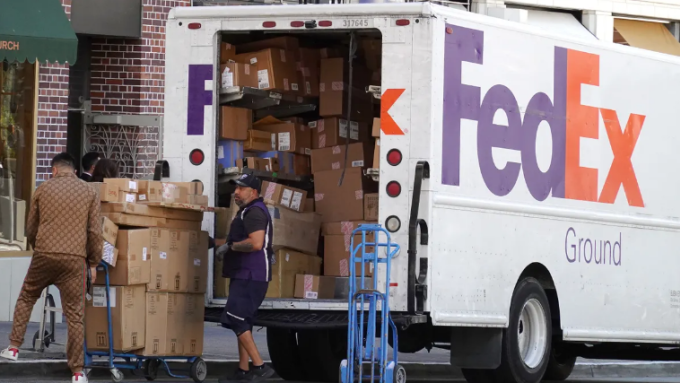
In a recent development affecting the logistics industry, UPS and FedEx have announced increases to their fuel surcharges for domestic deliveries in the United States. With FedEx implementing a 1.5% increase and UPS following closely with a 1% increase, these adjustments reflect the rising operational costs associated with the fluctuating fuel prices in the market. As logistics professionals, it’s essential to understand the implications of these changes on the overall supply chain management.
Fuel surcharges are a significant component of logistics costs, as they are designed to offset the ongoing increase in fuel prices, a common practice among freight carriers. As the logistics landscape continues to grapple with challenges such as labor shortages and supply chain disruptions, keeping an eye on fuel pricing trends and surcharge adjustments will be vital for businesses aiming to manage their freight costs effectively. In this article, we will explore the background and context of this recent increase, the key trends shaping these decisions, as well as the potential impacts on logistics operations.
Table of Contents
- Background and context
- Key trends and data
- Impacts on logistics operations
- Practical lessons
- How Scanwell Logistics Vietnam can help
- Conclusion
- FAQ
Understanding UPS and FedEx Fuel Surcharges
The recent announcement from UPS and FedEx regarding increased fuel surcharges reflects broader market trends and challenges within the logistics sector. As fuel prices fluctuate, these major carriers adjust their surcharges to cover rising operational costs. Fuel surcharges are typically tied to the national average diesel price, making them a reflection of ongoing fuel market volatility.
The need for these adjustments also underscores the critical importance of fuel management within logistics and supply chain operations, as transportation costs are significantly influenced by fuel expenses. As businesses look to maintain bottom lines amidst these challenges, understanding the underlying factors and their potential impact is key for effective cost management.
Key Trends and Data Shaping Fuel Surcharge Increases
The decision from UPS and FedEx to raise their fuel surcharges is indicative of overarching trends within the logistics industry. Here are some pertinent points to consider:
- Fuel prices are subject to fluctuations due to both geopolitical factors and global demand, leading to variability in surcharge adjustments.
- The increase in surcharges is expected to cascade through the supply chain, affecting overall transportation costs for businesses across sectors.
- Continuous technological advancements and automation within the logistics sphere highlight the need for efficiencies, especially as operational costs rise.
Operational Impacts on Logistics and Supply Chains
The recent fuel surcharge increases by UPS and FedEx will have significant implications for logistics operations. Businesses should prepare for a range of impacts, including:
Firstly, the increased surcharges may lead to a rise in overall shipping costs. This spike impacts freight forwarding, warehousing, and inventory planning. Retailers and manufacturers might find themselves adjusting pricing strategies to accommodate elevated shipping costs, potentially facing pressure to absorb some of these increased expenses or pass them on to consumers.
Secondly, as the logistics landscape is already experiencing challenges like labor shortages and supply chain disruptions, added fuel costs can further exacerbate operational challenges. This could mean longer shipping times or reduced service options that could affect customer satisfaction.
Practical Lessons for Logistics Professionals
In facing these rising fuel surcharges, logistics professionals should consider the following best practices:
- Continuously monitor fuel prices to better predict surcharges.
- Optimize warehousing and inventory management to mitigate high shipping costs.
- Leverage technology solutions for data analytics on shipping trends to improve decision-making.
- Maintain open communication with customers regarding cost structure changes to manage expectations.
How Scanwell Logistics Vietnam Can Help
As logistics costs increase, effective strategies are essential for maintaining competitive advantage. Scanwell Logistics Vietnam offers a comprehensive suite of solutions to help businesses navigate these challenges efficiently. Our expertise spans a range of services, including ocean and air freight, warehousing, distribution, and customs brokerage, all tailored to optimize your supply chain.
- Ocean freight (FCL/LCL on key trade lanes).
- Air freight solutions for time-sensitive cargo.
- Warehousing, distribution, and value-added services.
- Domestic and cross-border trucking.
- Customs brokerage and trade compliance support.
Conclusion
The recent increases in fuel surcharges by UPS and FedEx are reflective of the rising operational costs that the logistics industry faces. As businesses contend with higher transportation costs, it is vital for logistics leaders to remain agile and informed about fuel market dynamics and their implications. By understanding the overall trends, potential impacts, and implementing proactive strategies, businesses can enhance their operational efficiency during these challenging times.
Call to Action
Ready to turn these logistics insights into real competitive advantages?
Explore Scanwell Logistics Vietnam
Contact our experts for tailored support
FAQ
What factors influence fuel surcharges?
Fuel surcharges are typically influenced by the prevailing market prices for fuel, which can fluctuate due to geopolitical events, crude oil prices, and seasonal demand variations.
How will the increase in surcharges affect shipping costs?
The increase in surcharges will likely lead to higher overall shipping costs for businesses, impacting pricing strategies and profit margins within various sectors.
What can logistics teams do to mitigate these costs?
Logistics teams can mitigate costs by optimizing their shipping routes, reviewing fuel consumption practices, and investing in technology to increase efficiency.
How can businesses prepare for future fuel surcharge changes?
Businesses should actively monitor fuel trends and consider establishing contracts with carriers that offer more stable pricing models to manage potential fluctuations.