Hapag-Lloyd’s Subsidiary Invests Capital in a Container Project in Brazil
Estimated reading time: 7 minutes
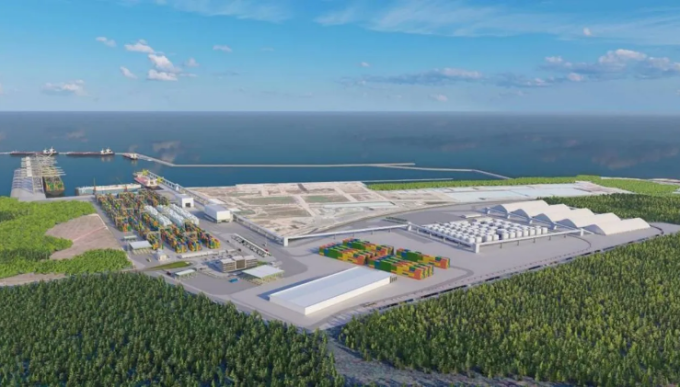
Hapag-Lloyd, a leading global logistics provider, has made a significant stride in enhancing its operations within South America through HGT, its subsidiary. Recently, they announced an investment in a new container terminal project located in Brazil. This initiative includes acquiring a 50% stake in Imetame Logística, marking a vital partnership aimed at developing a greenfield container terminal. This investment is especially timely as the Brazilian logistics market is experiencing remarkable growth.
The logistics sector in Brazil is being propelled forward by heightened demand for both imports and exports. With the Brazilian government emphasizing infrastructural improvements, this presents ample opportunities and challenges for logistics companies. HGT’s new terminal project is expected to enhance container handling capacity and improve the efficiency of supply chains in the region. This undertaking also aligns with the overarching sustainability goals that are becoming increasingly significant in the shipping industry.
Table of Contents
- Background and Context
- Key Trends and Data
- Impacts on Logistics Operations
- Practical Lessons
- How Scanwell Logistics Vietnam Can Help
- Conclusion
- FAQ
Understanding Hapag-Lloyd’s Investment in the Brazilian Logistics Context
Hapag-Lloyd’s subsidiary, Hanseatic Global Terminals, is making a strategic investment in Brazil’s logistics sector by establishing a new container terminal. This investment reflects the company’s long-term goals of expanding its footprint in South America while catering to the growing demand for cargo handling and logistics services. Acquiring a stake in Imetame Logística underlines a commitment to not only enhance capacity but also to foster collaborative opportunities that can lead to improved operational efficiency.
Brazil’s logistics environment is marked by its ongoing evolution, driven by technological advancements and supportive government policies. The nation’s prioritization of infrastructure improvements, especially in transport and logistics, is crucial for companies like HGT that are aiming to capitalize on this growth. The project demonstrates a targeted approach to meet the needs of a dynamic market environment while embracing sustainable practices.
Key Trends and Data Shaping Hapag-Lloyd’s Brazilian Project
Several trends and factors are influencing Hapag-Lloyd’s investment decision in Brazil. First, the country’s logistics sector is actively responding to a boom in trade volumes, driven by the increasing import and export demands. As a result, logistics capacity has become a critical focus for companies eager to meet customer expectations.
- Brazil’s government is investing in infrastructure to enhance logistical operations.
- The demand for efficient container handling is rising as trade volumes expand.
- Innovations in logistics technology are shaping how companies operate and engage in eco-friendly practices.
Operational Impacts on Logistics and Supply Chains
The establishment of HGT’s new container terminal in Brazil signals a noteworthy shift in the logistics landscape. By enhancing capacity for container handling, the terminal is expected to streamline operations for importers and exporters alike. Efficient logistics chains not only benefit businesses but also positively impact end consumers through improved service delivery and cost reduction.
Moreover, as stakeholders in the shipping sector strive for sustainability, HGT’s commitment to green logistics adds an important dimension to its operations. Adopting eco-friendly technologies could lead to lower operational costs and enhance Hapag-Lloyd’s reputation as a responsible player in the industry, ultimately boosting customer loyalty.
Practical Lessons for Logistics Professionals
- Assess logistics network optimization strategies to improve overall efficiency.
- Invest in developing partnerships to enhance service offerings and capacity.
- Embrace technology and sustainable practices to cater to modern shipping demands.
- Maintain clear communication with stakeholders to adapt and respond effectively to changing market conditions.
How Scanwell Logistics Vietnam Can Help
As the logistics landscape shifts, companies must seek reliable partners to navigate these changes effectively. Scanwell Logistics Vietnam offers a suite of services tailored to ensure seamless operations in this rapidly evolving environment. Whether through ocean freight, air freight, or customs brokerage, Scanwell stands ready to support your logistics needs.
- Ocean freight solutions to connect your cargo with key trade lanes.
- Air freight for timely delivery of critical shipments.
- Comprehensive warehousing and distribution services.
- Efficient domestic and cross-border trucking options.
- Reliable customs brokerage to ensure compliance and smooth transactions.
Conclusion
Hapag-Lloyd’s strategic investment in a container project in Brazil is not just about expanding operational capacity; it reflects a broader commitment to sustainable, efficient logistics. As Brazil’s logistics market continues to grow, this investment offers HGT an excellent platform to amplify its service offerings while responding to evolving market demands.
Moving forward, logistics leaders should remain aware of the opportunities presented by such investments, as well as the risks associated with fluctuating market dynamics. Hapag-Lloyd’s presence in Brazil signifies a proactive approach in adapting to these challenges and underscores the importance of aligning operations with sustainability goals.
Call to Action
Ready to turn these logistics insights into real competitive advantages?
Explore Scanwell Logistics Vietnam
Contact our experts for tailored support
FAQ
What are the main advantages of Hapag-Lloyd’s investment in Brazil?
The investment allows Hapag-Lloyd to expand its operational capacity, improve logistics efficiency, and integrate sustainable practices into its operations.
How will this investment impact logistics operations in Brazil?
This investment is expected to enhance container handling capabilities and streamline supply chain operations, benefiting exporters and importers alike.
What role does sustainability play in Hapag-Lloyd’s strategy?
Sustainability is a core focus as Hapag-Lloyd strives to incorporate eco-friendly practices into its logistics operations, reducing its carbon footprint while meeting market demands.
How can logistics teams leverage such investments?
By learning from such investments, logistics teams can adopt innovative strategies that enhance operational efficiency and improve sustainability in their own operations.