Heavy Haulage Explained: Definition, Costs, Regulations, and Transport Process
Estimated reading time: 7 minutes
Heavy haulage represents a crucial component of the logistics and transportation industry, specializing in the movement of oversized and exceptionally heavy loads. As businesses strive to expand their operations and meet increased demand for large equipment, understanding heavy haulage becomes integral to managing supply chains effectively. This article delves into the definition, associated costs, regulatory hurdles, and the transportation process essential for heavy haulage.
With industries increasingly relying on heavy haulage for transporting vital machinery, construction materials, and industrial equipment, staying informed about key factors impacting this sector is essential for logistics managers, business leaders, and decision-makers. Here, we will outline the key trends and challenges involved in heavy haulage that logistics professionals should keep in mind.
Table of Contents
- Background and Context
- Key Trends and Data
- Impacts on Logistics Operations
- Practical Lessons
- How Scanwell Logistics Vietnam Can Help
- Conclusion
- FAQ
Understanding Heavy Haulage in the Logistics Context
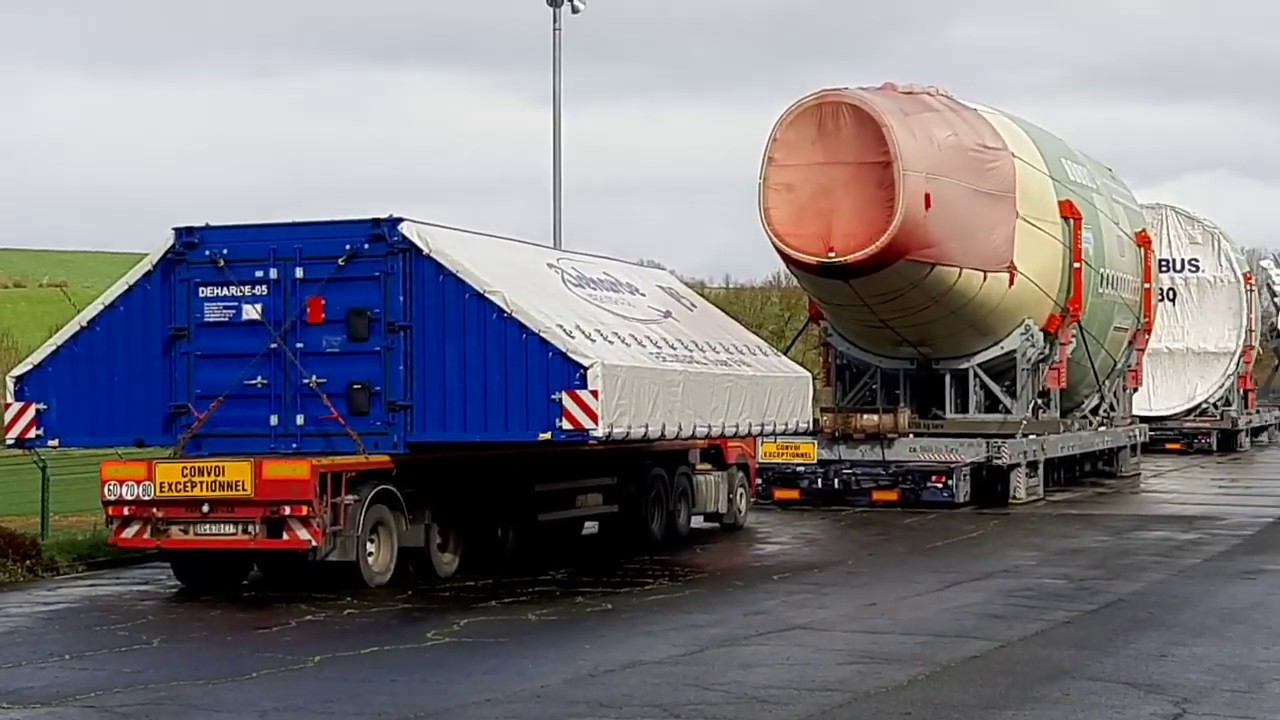
Heavy haulage is fundamentally defined as the transportation of loads that exceed the typical dimensions and weights recognized by standard shipping methods. Transporting such items requires specialized equipment, including oversized trucks, cranes, and custom trailers specifically designed to handle substantial weight and size. Common items moved via heavy haulage include industrial machinery, large construction components, and other significant freight that regular logistics cannot support.
Key Trends and Data Shaping Heavy Haulage
Understanding the dynamics of heavy haulage, including costs and regulatory environments, will help logistics managers make informed decisions. Some critical aspects include:
- Costs associated with heavy haulage typically range from $5 to $10 per mile, exclusive of fuel expenses.
- The need for specialized equipment often drives higher costs compared to standard freight transport services.
- Regulatory compliance varies significantly by jurisdiction, affecting costs and operational planning.
Operational Impacts on Logistics and Supply Chains
The operational process of heavy haulage influences various aspects of logistics management, including freight forwarding and inventory planning. Proper load planning and route assessment can minimize risks and enhance safety protocols for the transportation of oversized items. Additionally, integrating real-time tracking technologies and utilizing GPS systems ensures ongoing visibility and safety during transport.
Moreover, compliance with regulatory standards is critical. Transport companies must secure necessary permits and potentially coordinate with local authorities based on load specifications and routes. This proactive approach considerably reduces the risk of disruption during transit.
Practical Lessons for Logistics Professionals
- Ensure thorough planning by identifying route restrictions and securing permits early in the transport process.
- Invest in specialized equipment for loading and unloading heavy items to ensure safety and efficiency.
- Utilize technology for real-time monitoring and updates to address any challenges that arise during transport.
- Maintain clear communication with all stakeholders, including authorities, to ensure the success of heavy haulage operations.
How Scanwell Logistics Vietnam Can Help
Scanwell Logistics Vietnam offers comprehensive heavy haulage solutions incorporating industry-leading practices and technologies to ensure efficient and safe transportation of oversized loads. With a focus on regulatory compliance, our team understands the complexities involved in heavy haulage and ensures that all aspects are meticulously planned and executed.
Our extensive service offering includes:
- Ocean freight for large-scale shipments.
- Air freight solutions tailored for time-sensitive heavy cargo.
- Warehousing and distribution tailored for oversized equipment.
- Cross-border trucking solutions for heavy haulage.
- Expert customs brokerage to navigate complex regulatory requirements.
Conclusion
In summary, heavy haulage is a specialized transportation sector that demands understanding and compliance with various regulations and associated costs. As industries navigate expanding demands for heavy equipment transportation, logistics leaders must prioritize effective planning, technology adoption, and stakeholder communication to achieve operational success.
The challenges associated with heavy haulage present opportunities for logistics companies to differentiate their offerings and enhance their service capabilities, particularly in the context of an evolving global market.
Call to Action
Ready to turn these logistics insights into real competitive advantages?
Explore Scanwell Logistics Vietnam
Contact our experts for tailored support
FAQ
What is heavy haulage?
Heavy haulage refers to the transportation of oversized and heavy loads that require specialized equipment and compliance with regulatory requirements.
What are the typical costs associated with heavy haulage?
Transport costs for heavy haulage generally range from $5 to $10 per mile, plus additional charges such as fuel and permits.
How can logistics teams ensure compliance during heavy haulage?
Logistics teams can ensure compliance by securing necessary permits, understanding route restrictions, and coordinating closely with local authorities.
What technologies can aid in heavy haulage operations?
Technologies such as GPS tracking for real-time monitoring and analytical tools for route optimization can significantly enhance heavy haulage operations.
What should businesses look for in a heavy haulage provider?
Businesses should look for a provider with experience, regulatory knowledge, specialized equipment, and strong communication channels for effective execution of heavy haulage projects.