ASEAN 2018 Singapore Chairmanship: Cultivating a Conducive Regulatory Environment for Logistics Excellence
Estimated reading time: 10 minutes
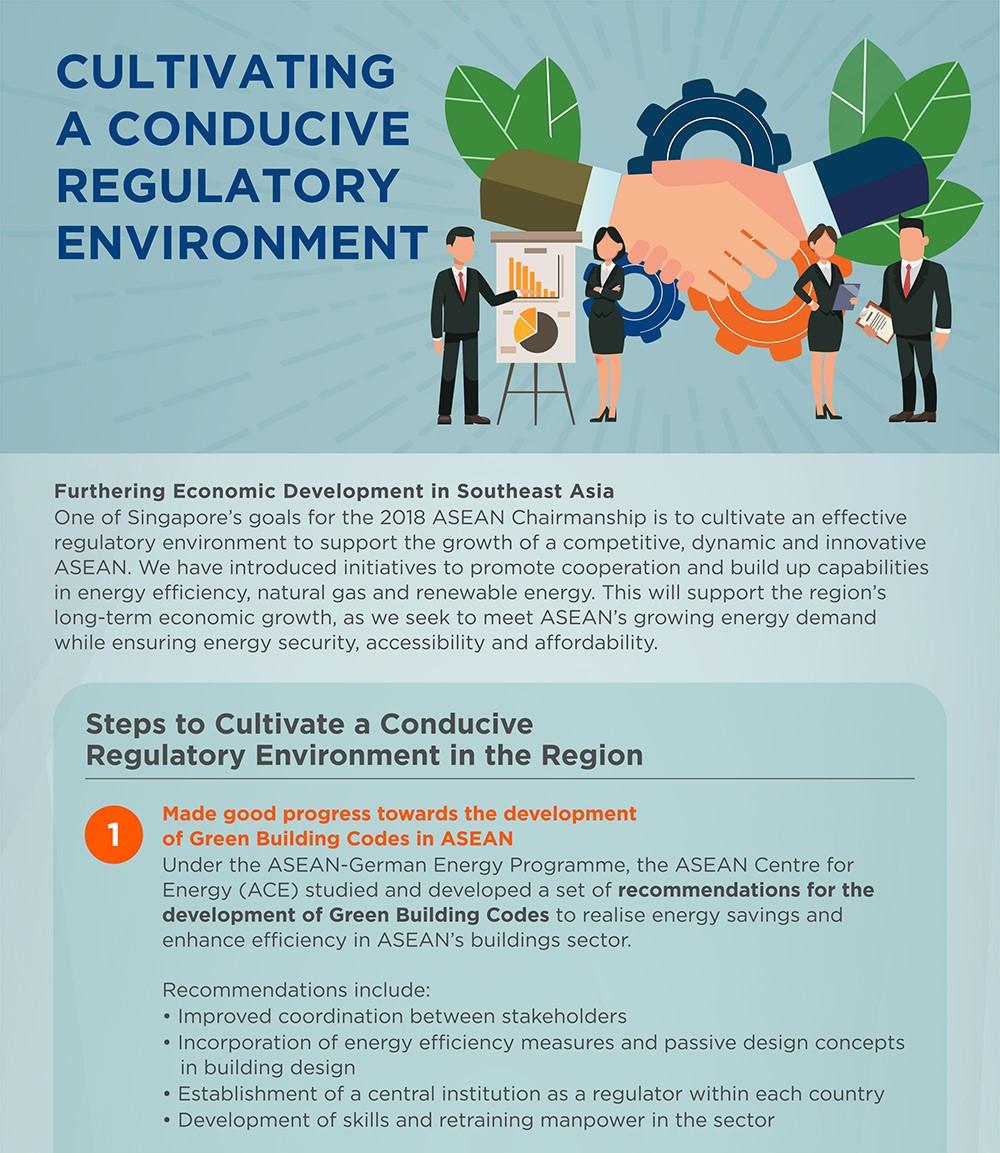
The logistics landscape in Southeast Asia is dynamic, constantly shaped by regional cooperation and strategic policy initiatives. Among these, the ASEAN 2018 Singapore Chairmanship stands out as a pivotal moment, focusing intently on the ambition to cultivate a conducive regulatory environment across the member states. This initiative wasn’t merely about administrative adjustments; it represented a concerted effort to lay the groundwork for seamless economic activity, fostering innovation, and propelling the digital economy forward.
For business leaders, supply chain managers, and HR professionals in the logistics sector, understanding the outcomes and ongoing implications of this chairmanship is crucial. A streamlined and predictable regulatory framework directly translates into tangible benefits: reduced operational costs, faster trade flows, and enhanced regional competitiveness. This article delves into the core tenets of the ASEAN 2018 Singapore Chairmanship’s economic agenda, exploring how its vision for a better regulatory environment continues to influence modern logistics, especially in Vietnam, and what opportunities and challenges remain for companies navigating this evolving regional marketplace.
Table of Contents
- Foundations of Regional Integration: The 2018 Chairmanship’s Vision
- Cultivating a Conducive Regulatory Environment: Key Pillars and Initiatives
- Transformative Impacts on Logistics Operations and Supply Chains
- Seizing Opportunities, Navigating Challenges
- Practical Lessons for Logistics Professionals
- How Scanwell Logistics Vietnam Can Help
- Conclusion
- Call to Action
- FAQ
Foundations of Regional Integration: The 2018 Chairmanship’s Vision
The ASEAN Economic Community (AEC) pillar has long been a driving force for economic integration across Southeast Asia. When Singapore assumed the ASEAN Chairmanship in 2018, it placed a strong emphasis on practical deliverables aimed at enhancing this integration further. The overarching goal was to create an environment where businesses could thrive, investments could flow freely, and innovation could flourish – a vision critical for the growth of the digital economy.
This focus wasn’t arbitrary. ASEAN, with its diverse economies and varying stages of development, recognized the need for cohesive strategies to remain competitive on the global stage. By fostering a business-friendly environment and improving investment frameworks, the Chairmanship aimed to unlock the region’s full economic potential. This meant addressing systemic issues that historically hampered cross-border trade and investment, ensuring that the benefits of integration were felt by businesses of all sizes, from large multinational corporations to small and medium-sized enterprises (SMEs). The commitment was clear: to move beyond rhetoric and implement concrete actions that would streamline processes, reduce barriers, and promote innovative solutions region-wide.
Cultivating a Conducive Regulatory Environment: Key Pillars and Initiatives
At the heart of Singapore’s chairmanship was a dedicated effort to cultivate a regulatory environment conducive to growth. This involved focusing on three critical areas that underpin efficient economic activity and directly impact logistics and supply chain management.
Simplification and Harmonization of Regulations
One of the primary objectives was the simplification and harmonization of regulatory procedures. In a region as diverse as ASEAN, businesses often face a labyrinth of different national rules, customs processes, and documentation requirements. This complexity leads to significant administrative burdens, delays, and increased costs for freight forwarding and cross-border logistics. By working towards common standards and streamlined processes, the Chairmanship sought to reduce this friction, making it easier and faster to move goods across borders. This effort is crucial for enhancing overall supply chain efficiency and predictability.
Predictability and Certainty
Businesses, particularly those involved in international trade and logistics, thrive on predictability and certainty. Unclear, unstable, or frequently changing regulations create significant risks, complicating investment decisions, and long-term planning. The initiative aimed to ensure that regulations are transparent, stable, and predictable. This clarity empowers logistics providers and manufacturers to plan their supply chain networks with greater confidence, allocate resources more effectively, and reduce the likelihood of unexpected delays or non-compliance penalties. Such an environment fosters business confidence and encourages greater foreign direct investment within the region.
Quality Infrastructure Development
Beyond policies, tangible infrastructure is the backbone of any robust logistics network. The Chairmanship underscored the importance of investing in modern, quality infrastructure to support economic growth. This encompasses everything from improved road networks, advanced port facilities, and expanded airport capacity to critical digital infrastructure that facilitates data exchange. Enhanced physical infrastructure reduces transit times, improves reliability, and lowers the cost of transportation, which are all vital for efficient warehousing, distribution, and last-mile delivery. The development of digital infrastructure is equally important for enabling technologies like IoT tracking, real-time visibility, and automated systems in logistics.
Key Initiatives Underway
To operationalize these pillars, several key initiatives were launched:
- ASEAN Single Window (ASW): This digital platform is a cornerstone of trade facilitation. The ASW aims to create a single submission point for customs declarations and other trade-related documents across ASEAN member states. By digitizing and harmonizing these processes, it dramatically reduces paperwork, accelerates customs clearance, minimizes human error, and provides better real-time data visibility for trade compliance. It represents a significant step towards a truly integrated regional economy.
- Innovation Hubs: Recognizing the burgeoning digital economy, the Chairmanship promoted the establishment of innovation centers. These hubs are designed to foster entrepreneurship, research and development (R&D), and the incubation of new technologies. For the logistics sector, this translates into a breeding ground for cutting-edge solutions in areas like AI-driven route optimization, blockchain for supply chain transparency, automation in warehouses, and advanced predictive analytics for demand forecasting and inventory management.
Transformative Impacts on Logistics Operations and Supply Chains
A conducive regulatory environment, cultivated through these initiatives, has profound and positive impacts on the logistics industry across ASEAN, including Vietnam. These benefits extend beyond mere compliance, touching upon efficiency, competitiveness, and strategic planning.
Increased Efficiency and Cost Reduction
The simplification and harmonization of regulations directly lead to increased operational efficiency. When procedures are streamlined, logistics providers spend less time on bureaucratic tasks, reducing administrative burdens and associated labor costs. Fewer forms, clearer guidelines, and faster processing times mean less idle time for cargo at borders, ports, and airports. This translates into quicker turnaround times for vessels, aircraft, and trucks, optimizing asset utilization and lowering overall transportation costs. For freight forwarding companies, this means they can offer more competitive rates and faster transit times to their clients.
Improved Trade Facilitation and Visibility
The ASEAN Single Window (ASW) is a game-changer for trade facilitation. By enabling a single digital submission for customs and other regulatory data, it dramatically speeds up cross-border logistics. This digital integration improves supply chain visibility, allowing businesses to track their cargo more effectively and anticipate potential delays. Coupled with quality infrastructure development – better roads, modern ports, and efficient customs clearance points – the movement of goods becomes smoother and more reliable. This is especially critical for time-sensitive cargo and perishable goods, where delays can lead to significant losses. Enhanced predictability in trade flows allows for better inventory management and reduced lead times, benefiting global supply chain management.
Enhanced Competitiveness and Market Access
Access to innovative solutions, often spurred by initiatives like innovation hubs, supports businesses’ competitiveness in the region. Logistics companies can leverage new technologies to optimize routes, enhance warehousing efficiency through automation, implement predictive maintenance for fleets, and improve customer service. A more efficient and predictable regulatory environment lowers the barriers to entry for businesses looking to expand across ASEAN. It simplifies cross-border logistics, allowing companies to tap into new markets with greater ease and lower operational risk, thereby enhancing regional trade and e-commerce logistics. For Vietnamese companies, this opens up greater opportunities to integrate into regional value chains and attract international business.
Seizing Opportunities, Navigating Challenges
The move towards a conducive regulatory environment presents both significant opportunities and persistent challenges for the logistics industry. Recognizing and adapting to these dynamics is key to long-term success.
Capitalizing on Digitalization
Digitalization is not just a trend but a necessity. The emphasis on a digital economy within ASEAN encourages the adoption of digital technologies across the supply chain. This presents an immense opportunity to improve supply chain visibility, trackability, and predictability. Logistics providers can leverage IoT devices for real-time cargo monitoring, AI for demand forecasting and route optimization, and blockchain for secure, transparent data exchange in trade finance and documentation. Embracing digital transformation allows companies to move beyond traditional logistics models, offering value-added services and enhancing their competitive edge. It also fosters greater resilience against disruptions by enabling faster data-driven decision-making.
Navigating Regulatory Evolution
While the goal is harmonization, regulations are not static; they continue to evolve. As new technologies emerge, trade patterns shift, and global economic conditions change, regulatory frameworks must adapt. It is crucial for logistics businesses to stay informed about these changes and adapt quickly to ensure continued compliance. This requires proactive engagement with industry associations, regulatory bodies, and experienced logistics partners. Non-compliance can lead to severe penalties, delays, and damage to reputation. Maintaining agility in responding to regulatory shifts, especially in areas like customs clearance and trade compliance, is a continuous challenge that demands dedicated resources and expertise.
Practical Lessons for Logistics Professionals
To thrive in this evolving landscape shaped by ASEAN’s regulatory advancements, logistics professionals must adopt proactive strategies.
- Invest in Digital Transformation: Embrace technologies that enhance visibility, automation, and data analytics. This includes adopting digital platforms for documentation, real-time tracking systems, and predictive tools for demand and supply chain risks. Digitalization is essential for leveraging initiatives like the ASEAN Single Window and staying competitive.
- Prioritize Strategic Partnerships: Collaborate with experienced logistics partners who possess deep knowledge of regional regulations, customs procedures, and local market nuances. A strong partner can help navigate complex cross-border logistics and ensure seamless trade compliance.
- Stay Abreast of Regulatory Changes: Establish systems for continuously monitoring updates in customs regulations, trade agreements, and transportation policies across ASEAN. Regular training for staff on compliance matters is also crucial to avoid costly errors and delays.
- Optimize Supply Chain Networks: With improved infrastructure and simplified regulations, re-evaluate and optimize warehousing and distribution networks. Consider strategic locations for distribution hubs that can efficiently serve multiple ASEAN markets, taking advantage of reduced transit times and costs.
- Focus on Workforce Development: Invest in upskilling your logistics teams, especially in areas of digital literacy, data analytics, and international trade compliance. A skilled workforce is essential for effectively leveraging new technologies and adapting to evolving regulatory environments.
How Scanwell Logistics Vietnam Can Help
Navigating the complexities of regional integration and evolving regulatory environments requires a partner with deep expertise and a robust network. Scanwell Logistics Vietnam is strategically positioned to help businesses capitalize on the opportunities presented by initiatives like those from the ASEAN 2018 Singapore Chairmanship. We understand the nuances of cross-border logistics within ASEAN and are committed to providing seamless, efficient, and compliant supply chain solutions.
From optimizing international freight movements to ensuring customs clearance and domestic distribution, our services are designed to enhance your supply chain efficiency and reduce administrative burdens. We leverage technology for greater visibility and work tirelessly to keep your cargo moving predictably, allowing you to focus on your core business growth within this dynamic region.
- Ocean freight: Comprehensive FCL/LCL solutions connecting Vietnam to key global and intra-ASEAN trade lanes, optimized for cost-efficiency and reliability.
- Air freight solutions: Expedited services for time-sensitive cargo, ensuring rapid transit and on-time delivery across the region and beyond.
- Warehousing, distribution and value-added services: Modern facilities and tailored solutions for inventory management, cross-docking, and last-mile delivery.
- Domestic and cross-border trucking: Reliable road transport network for efficient movement of goods within Vietnam and across neighboring ASEAN countries.
- Customs brokerage and trade compliance support: Expert guidance and streamlined processes to navigate complex customs regulations and ensure full compliance.
- Technology-enabled visibility: Utilizing advanced systems to provide real-time tracking and comprehensive visibility throughout your supply chain.
Conclusion
The ASEAN 2018 Singapore Chairmanship’s focus on cultivating a conducive regulatory environment continues to resonate deeply within the regional logistics industry. Its emphasis on simplification, harmonization, predictability, and quality infrastructure, supported by initiatives like the ASEAN Single Window and innovation hubs, has demonstrably paved the way for more efficient and competitive trade. While the journey towards full integration is ongoing, the foundation laid has empowered businesses, particularly in Vietnam, to engage in cross-border logistics with greater ease and confidence.
The opportunities arising from enhanced digitalization and streamlined trade facilitation are immense, promising reduced costs, faster transit times, and improved supply chain resilience. However, logistics leaders must remain vigilant and adaptable, continually monitoring regulatory evolution and embracing technological advancements. By strategically navigating these dynamics, companies can unlock significant growth within the vibrant ASEAN economic landscape.
Call to Action
Ready to turn these logistics insights into real competitive advantages?
Explore Scanwell Logistics Vietnam
Contact our experts for tailored support
FAQ
What was the primary goal of the ASEAN 2018 Singapore Chairmanship regarding regulatory environment?
The primary goal was to cultivate a conducive regulatory environment that fosters seamless economic activity, innovation, and growth, particularly for the digital economy, by focusing on simplification, harmonization, predictability, and quality infrastructure development.
How does a ‘conducive regulatory environment’ benefit logistics and supply chain management?
It benefits logistics by increasing efficiency through simplified procedures, improving trade facilitation via digital platforms like the ASEAN Single Window, and enhancing competitiveness by reducing administrative burdens and providing access to innovative solutions. This leads to faster transit times, lower costs, and better supply chain visibility.
What specific initiatives were launched to support these goals?
Key initiatives included the further implementation of the ASEAN Single Window (ASW) to digitize and harmonize customs procedures, and the establishment of Innovation Hubs to promote entrepreneurship, R&D, and the adoption of new technologies relevant to the digital economy and logistics.
What challenges remain for businesses operating in the ASEAN logistics sector despite these improvements?
Despite progress, challenges include staying informed and adapting quickly to ongoing regulatory evolution, ensuring continuous trade compliance amidst changing rules, and effectively integrating new digital technologies into existing operational frameworks. Businesses must remain agile and proactive.
How can Scanwell Logistics Vietnam help businesses navigate this evolving regulatory landscape?
Scanwell Logistics Vietnam provides expert guidance on customs brokerage and trade compliance, leverages technology for enhanced supply chain visibility, and offers comprehensive freight forwarding, warehousing, and distribution services tailored to the specific regulatory requirements and opportunities within the ASEAN region. Our expertise helps businesses navigate complexities and ensure smooth, efficient operations.