Everything You Need to Know About Amazon FBA Prep
Estimated reading time: 8 minutes
In the dynamic world of e-commerce, Amazon’s Fulfillment by Amazon (FBA) program offers businesses a powerful avenue to reach millions of customers globally. However, maximizing the benefits of FBA – from fast receiving and lower fees to consistent sales – hinges on a critical, often underestimated process: **Amazon FBA Prep**. This isn’t merely about slapping a label on a package; it’s a comprehensive ecosystem of product preparation, meticulous shipping, and strategic inventory management designed to meet Amazon’s stringent standards.
For businesses, especially those leveraging global supply chains and logistics networks like those found in Vietnam, understanding and mastering FBA prep is non-negotiable. Improper preparation can lead to costly delays, rejection of shipments, increased storage fees, and ultimately, a negative impact on customer satisfaction and profitability. This article delves into the intricacies of Amazon FBA prep, outlining the essential steps, common pitfalls to avoid, and the strategic advantages of professional support, ensuring your products navigate the FBA journey smoothly and successfully.
Table of Contents
- Understanding Amazon FBA Prep: A Foundation for Success
- Navigating the Essentials: Product Preparation Requirements
- The Financial Landscape: Costs Associated with Amazon FBA Prep
- Avoiding Pitfalls: Common Mistakes in Amazon FBA Prep
- Strategic Decisions: When and Why to Outsource FBA Prep
- Practical Lessons for Logistics Professionals
- How Scanwell Logistics Vietnam Can Help
- Conclusion
- Call to Action
- FAQ
Understanding Amazon FBA Prep: A Foundation for Success
Amazon FBA prep is the foundational process that enables sellers to leverage Amazon’s expansive fulfillment network. It’s more than just a logistical hurdle; it’s a strategic imperative for any business aiming for efficiency and profitability within the Amazon ecosystem. At its core, FBA prep encompasses all the necessary steps to get products from their point of origin to an Amazon fulfillment center, ready for storage, picking, packing, and shipping to the end customer.
The importance of meticulous FBA prep cannot be overstated. When products are prepared correctly, Amazon can receive them swiftly, process them efficiently, and store them optimally. This translates directly into benefits for the seller: reduced inbound processing times, lower potential fees (as Amazon’s staff spends less time rectifying issues), and ultimately, a seamless flow of inventory that supports consistent sales. Conversely, errors in preparation can lead to significant delays, additional charges for Amazon to correct issues, or even outright refusal of inventory, disrupting supply chains and impacting customer satisfaction.
This comprehensive process goes beyond simple packaging. It involves understanding and adhering to Amazon’s specific requirements for various product categories, ensuring proper labeling for tracking, and optimizing product dimensions for storage. It also integrates with broader supply chain management, demanding foresight in shipping arrangements and strategic inventory planning to prevent stockouts or overstocking. For businesses operating internationally, such as those importing goods to or exporting from Vietnam, FBA prep also ties into international shipping, customs brokerage, and freight forwarding, adding layers of complexity that require expert handling.
Navigating the Essentials: Product Preparation Requirements
To embark on a successful Amazon FBA journey, sellers must diligently prepare their products to meet Amazon’s exacting specifications. This preparation phase is a critical step that dictates how efficiently products are handled upon arrival at Amazon’s fulfillment centers.
-
Confirming Product Eligibility and Restrictions: Before anything else, sellers must confirm that their products are eligible for FBA. Amazon has a list of prohibited and restricted products, as well as specific requirements for certain categories (e.g., hazmat, perishable goods, oversized items). Reviewing these FBA product restrictions is paramount to avoid wasted effort and potential inventory rejection. Understanding these limitations ensures that the products you intend to sell can legally and safely be stored and shipped by Amazon.
-
Reviewing FBA Policies and Requirements: Amazon’s FBA policies are comprehensive and subject to updates. These policies cover everything from packaging guidelines and labeling standards to shipping box requirements and inventory storage limits. A thorough understanding of these guidelines, which are often detailed for specific product types (e.g., liquids, fragile items, apparel), is non-negotiable. Ignoring or misinterpreting these requirements can lead to delays, additional fees, or rejection of shipments at the fulfillment center.
-
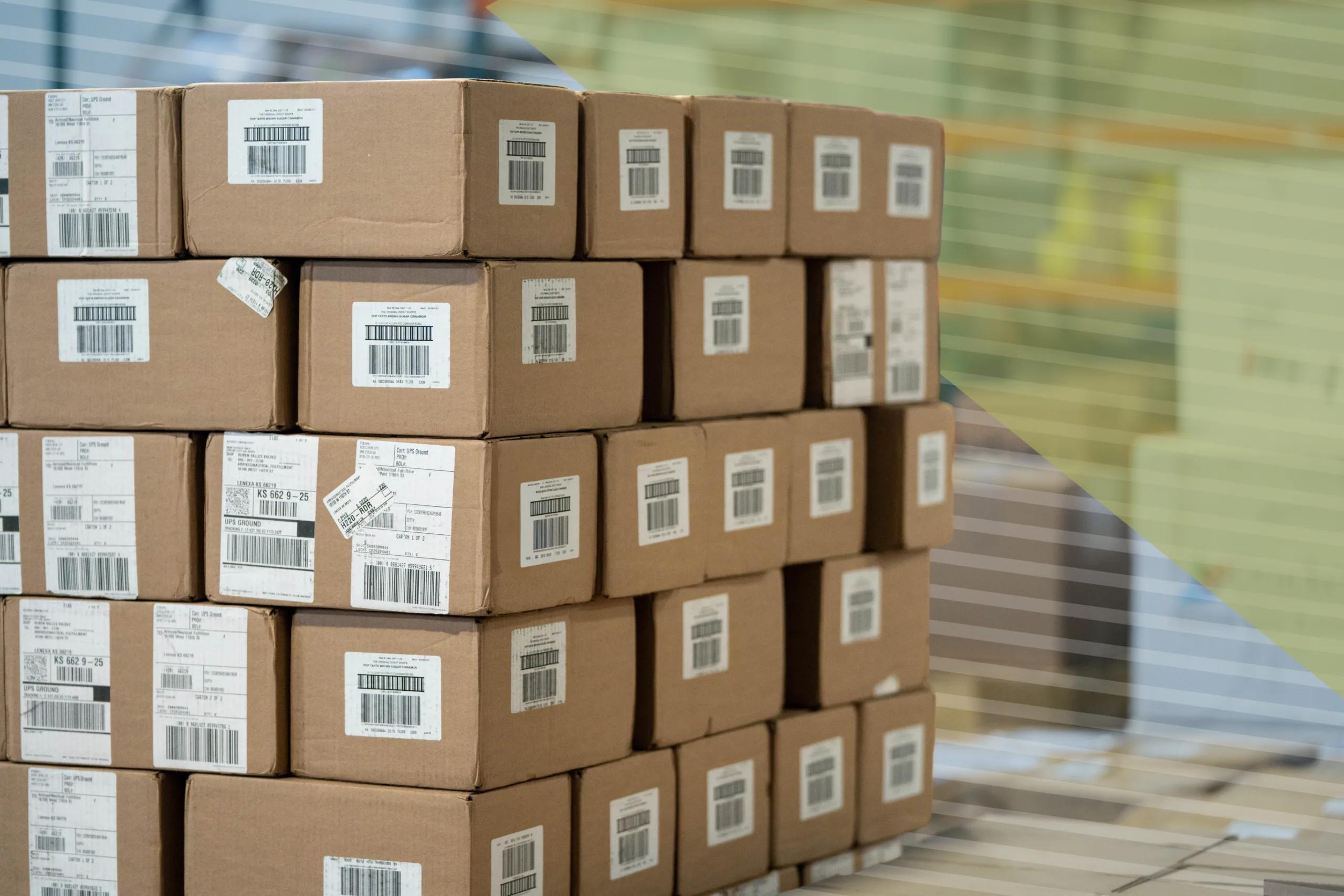
Preparing Products for Shipment (Packaging and Labeling): This is where the physical preparation takes place. Each product, or a unit, must be packaged appropriately to withstand the rigors of shipping and warehousing. This often means using poly bags, bubble wrap, or sturdy boxes, depending on the item’s fragility and type. The packaging must also include a scannable barcode (FNSKU label, not just the manufacturer’s UPC) that uniquely identifies the product as belonging to your inventory.
- Accurate Labeling: Labels must be printed clearly, accurately placed, and scannable. Incorrect or unreadable labels are a frequent cause of processing delays.
- Proper Packaging: Items must be protected. Liquids need double-sealing, fragile items require adequate cushioning, and sharp items must be sheathed. Multi-piece sets must be labeled as a single unit.
Each of these steps requires careful attention to detail. Skipping or rushing through any part of the product preparation phase can create bottlenecks further down the logistics chain, affecting not only your bottom line but also your seller performance metrics on Amazon.
The Financial Landscape: Costs Associated with Amazon FBA Prep
While the allure of Amazon FBA is strong, successful sellers must navigate the various costs associated with FBA prep to ensure profitability. A clear understanding and accurate estimation of these expenses are crucial for competitive pricing strategies and sustainable business operations. Overlooking these costs can quickly erode profit margins and lead to unexpected financial losses.
-
Shipping Costs: This is often one of the largest variables in FBA prep. Shipping costs encompass the expense of transporting products from the seller’s location or their supplier (e.g., a factory in Vietnam) to Amazon’s fulfillment centers. These costs can vary significantly based on:
- Weight and Dimensions: Heavier and bulkier items naturally incur higher freight costs.
- Origin and Destination: International shipping from Vietnam to an Amazon warehouse in the US or Europe will involve ocean freight or air freight, customs duties, and potentially local trucking, all adding to the cost.
- Speed of Delivery: Expedited shipping options for time-sensitive inventory will be more expensive than standard freight.
- Packaging Materials: The cost of boxes, poly bags, bubble wrap, and labels also contributes to the overall prep expenses.
Accurately calculating these shipping costs is vital for determining the true landed cost of a product and setting a competitive selling price on Amazon. Failure to do so can lead to underpricing and unforeseen financial strain.
-
Inventory Management Costs: Beyond the physical shipment, managing inventory levels is an ongoing cost factor. This includes:
- Storage Fees: Amazon charges monthly storage fees based on the volume (cubic feet) of inventory stored in their fulfillment centers. These fees typically increase during peak seasons (e.g., Q4).
- Long-Term Storage Fees: If inventory sits in an Amazon warehouse for extended periods, significantly higher long-term storage fees can be incurred, penalizing slow-moving stock.
- Capital Tied Up: The capital invested in inventory represents an opportunity cost. Effective inventory management minimizes excess stock, freeing up capital for other business initiatives.
- Tracking Orders and Fulfilling Shipments: While Amazon handles the fulfillment, the seller is responsible for monitoring inventory levels, forecasting demand, and initiating replenishment orders. This involves software, personnel time, and strategic planning, all of which have associated costs.
Effective cost management in Amazon FBA prep requires a holistic view of the entire supply chain, from manufacturing to last-mile delivery. By diligently calculating all associated shipping and inventory management expenses, businesses can maintain healthy profit margins and ensure long-term success on the Amazon platform.
Avoiding Pitfalls: Common Mistakes in Amazon FBA Prep
The path to Amazon FBA success is often paved with lessons learned from common mistakes. By being aware of these prevalent errors, sellers can proactively implement strategies to mitigate risks, ensure smoother operations, and avoid unnecessary financial setbacks or operational delays.
-
Not Estimating Costs Accurately: This is arguably the most detrimental mistake a seller can make. As discussed earlier, Amazon FBA involves numerous costs, including shipping, storage, fulfillment fees, and prep material expenses. Many sellers focus solely on the product cost and Amazon’s basic fulfillment fees, neglecting the variable costs of inbound logistics, special prep requirements, and potential long-term storage.
- Consequence: Inaccurate cost estimation directly leads to incorrect pricing strategies, razor-thin margins, or even selling at a loss. This jeopardizes the financial viability of the entire FBA operation, ultimately leading to business failure on the platform. Understanding the true cost per unit, including all FBA prep and shipping costs, is fundamental to profitability.
-
Not Reviewing FBA Policies and Requirements: Amazon’s rules and regulations for FBA are extensive and dynamic. They cover everything from how products should be packaged, labeled, and bundled, to the specifics of shipping boxes, pallet configurations, and even the types of products allowed. Many sellers, eager to get their products listed, often skim or entirely overlook these crucial guidelines.
- Consequence: Non-compliance with FBA policies results in immediate operational headaches. This can manifest as:
- Product Rejection: Shipments that do not meet packaging or labeling standards can be rejected outright at the fulfillment center, requiring costly returns or re-prepping.
- Significant Delays: Even minor infractions can lead to shipments being held up for inspection or requiring Amazon staff to correct errors, resulting in processing delays that impact inventory availability and sales.
- Unexpected Fees: Amazon will charge sellers for any additional work required to bring non-compliant shipments up to standard, adding unforeseen costs to the operation.
- Account Suspension: Repeated or severe violations can even lead to warnings or suspension of FBA selling privileges.
- Consequence: Non-compliance with FBA policies results in immediate operational headaches. This can manifest as:
These mistakes highlight the critical need for a thorough, systematic approach to Amazon FBA prep. Investing time in understanding regulations and accurately forecasting financial aspects is not just good practice; it’s a prerequisite for thriving on the Amazon marketplace.
Strategic Decisions: When and Why to Outsource FBA Prep
While handling Amazon FBA prep in-house might seem appealing for perceived cost savings, businesses often reach a point where outsourcing becomes not just a convenience, but a strategic necessity. Recognizing when to delegate these complex tasks can significantly streamline operations, reduce overhead, and boost overall efficiency.
Outsourcing is particularly beneficial when sellers face challenges related to scale, expertise, or resource allocation. For businesses growing rapidly, handling increasing volumes of inventory and diverse product lines can quickly overwhelm internal resources. Similarly, for companies without dedicated logistics or warehousing teams, the intricacies of Amazon’s requirements can be a steep learning curve.
Key Areas Where Outsourcing Excels:
-
Shipping and Logistics: The process of getting products from their point of manufacture (often overseas, like from Vietnam) to Amazon’s fulfillment centers is fraught with complexities. This includes international freight forwarding, customs clearance, port handling, and domestic transportation.
- Partnering with a reliable shipping company or freight forwarder ensures that products are transported efficiently, comply with all import/export regulations, and arrive on time. These specialists have the networks, expertise, and relationships to navigate complex international shipping lanes, optimize routes, and manage all necessary documentation and compliance requirements. Their insights can help avoid costly delays and ensure fast and efficient delivery to Amazon.
-
Inventory Management: Beyond inbound shipping, ongoing inventory management can be a demanding task. This includes tracking inventory levels across various SKUs, forecasting demand, ensuring optimal stock levels to prevent stockouts or overstocking, and coordinating replenishment orders.
- Outsourcing inventory management to a third-party logistics (3PL) provider can help streamline these operations. A 3PL can offer warehousing services, handle product inspection, perform necessary FBA specific prep (like poly bagging, bundling, labeling), and then dispatch inventory to Amazon fulfillment centers as needed. This frees up valuable internal resources and often reduces costs associated with managing dedicated warehouse space and staff.
Benefits of Outsourcing FBA Prep:
- Reduced Labor Costs: Delegating FBA prep tasks to a specialized third-party provider eliminates the need for in-house staff dedicated to packing, labeling, and quality control. This saves on wages, benefits, training, and the overhead of managing an internal team.
- Increased Efficiency: Specialized providers possess the infrastructure, technology, and expertise to handle complex FBA prep tasks more efficiently than many in-house teams. They are up-to-date with Amazon’s latest requirements, have optimized workflows, and can process large volumes of products quickly and accurately. This increased efficiency translates into faster turnaround times, quicker receiving at Amazon, and ultimately, products being available for sale sooner.
- Ensured Compliance: Professional FBA prep services are experts in Amazon’s ever-evolving rules. They ensure that all products meet packaging, labeling, and shipping requirements, drastically reducing the risk of rejections, delays, and unexpected fees.
- Focus on Core Business: By offloading time-consuming logistics and prep tasks, businesses can reallocate their internal resources to core activities like product development, marketing, and sales strategy, driving overall business growth.
For businesses looking to scale their Amazon operations without being bogged down by logistical complexities, strategic outsourcing of FBA prep is a powerful solution.
Practical Lessons for Logistics Professionals
Navigating the intricacies of Amazon FBA prep demands a proactive and informed approach from logistics professionals and business leaders. The following practical lessons, drawn from common challenges and best practices, can help ensure a smoother, more cost-effective FBA operation.
- Master Amazon’s FBA Guidelines: Dedicate resources to thoroughly understand and regularly review Amazon’s FBA policies and product restrictions. These guidelines are dynamic, and staying updated prevents costly errors, rejections, and delays. Create internal checklists based on Amazon’s requirements for each product type.
- Implement Robust Cost Analysis: Develop a comprehensive model for accurately estimating all FBA prep and shipping costs, from factory floor to Amazon fulfillment center. This includes international freight, customs duties, domestic transport, packaging materials, and potential Amazon prep fees. Factor these into your product pricing to ensure sustainable profitability.
- Prioritize Quality Packaging and Labeling: Invest in high-quality packaging materials suitable for the product and ensure all FNSKU labels are clear, scannable, and correctly placed. Implement strict quality control measures for prep processes, whether in-house or outsourced, to minimize errors that lead to delays or fees.
- Strategize Inventory Management: Utilize data analytics for accurate demand forecasting to optimize inventory levels. Avoid overstocking to prevent excessive storage fees, and monitor stock diligently to prevent stockouts. Implement a system for tracking orders and anticipating replenishment needs well in advance, especially for international shipments.
- Evaluate Outsourcing Opportunities: For complex aspects like international shipping, customs brokerage, or detailed product prep, consider partnering with experienced third-party logistics (3PL) providers. Their expertise can significantly reduce labor costs, improve efficiency, ensure compliance, and allow your internal team to focus on core business growth.
- Enhance Supply Chain Visibility: Leverage technology to gain end-to-end visibility of your products as they move through the supply chain. Real-time tracking of shipments and inventory allows for quicker problem identification and resolution, mitigating potential disruptions to your FBA stock.
By integrating these practical lessons into their operational framework, logistics professionals can transform Amazon FBA prep from a daunting challenge into a streamlined, efficient, and profitable component of their overall supply chain strategy.
How Scanwell Logistics Vietnam Can Help
Navigating the complexities of Amazon FBA prep, especially when dealing with international sourcing and shipping, requires a logistics partner with deep expertise and a comprehensive service offering. Scanwell Logistics Vietnam is ideally positioned to support businesses in optimizing their FBA supply chain, transforming potential challenges into competitive advantages. We understand the specific demands of getting products from Vietnam to Amazon’s global fulfillment centers, ensuring compliance, efficiency, and cost-effectiveness.
Our integrated solutions address the critical aspects of FBA prep, from meticulous product handling and precise labeling to seamless international freight and efficient inventory management. We act as an extension of your team, providing the logistical backbone necessary to keep your Amazon FBA operations running smoothly, allowing you to focus on sales and growth.
By partnering with Scanwell Logistics Vietnam, you gain access to a reliable network and a team of experts dedicated to ensuring your products meet Amazon’s stringent requirements, reducing the risk of delays, fees, and rejections. We help streamline your entire supply chain, making your FBA prep process as efficient and stress-free as possible.
- Ocean Freight Solutions: Comprehensive FCL/LCL services on key trade lanes, optimizing cost and transit times for bulk shipments to Amazon’s global network.
- Air Freight Solutions: Fast and reliable air cargo services for time-sensitive inventory, ensuring quick replenishment of high-demand products for FBA.
- Warehousing, Distribution & Value-Added Services: Strategic warehousing in Vietnam for consolidation, quality checks, and FBA-specific prep services including labeling, bundling, kitting, and repackaging according to Amazon’s guidelines.
- Domestic and Cross-Border Trucking: Efficient ground transportation, including first-mile pickup from suppliers and last-mile delivery to Amazon fulfillment centers, both locally and across borders.
- Customs Brokerage & Trade Compliance: Expert navigation of complex customs regulations for imports and exports, ensuring all documentation is accurate and compliant, minimizing delays and unexpected costs.
- Technology-Enabled Visibility: Advanced tracking and real-time updates across your supply chain, providing transparency and control over your FBA shipments from origin to destination.
Conclusion
Amazon FBA prep is far more than a logistical afterthought; it is a strategic pillar for success in the competitive e-commerce landscape. From the initial steps of product eligibility and meticulous packaging to the complexities of global shipping and ongoing inventory management, every detail influences the speed of receiving, the level of fees incurred, and ultimately, the consistency of sales on the Amazon platform. Businesses that master these intricacies are better positioned to achieve operational efficiency and sustained profitability.
The journey is not without its pitfalls, with inaccurate cost estimation and non-compliance with FBA policies standing out as common errors that can severely impact a seller’s bottom line. However, by understanding these challenges and strategically leveraging external expertise, such as that offered by experienced logistics partners like Scanwell Logistics Vietnam, companies can navigate the FBA ecosystem with confidence.
Ultimately, the future of FBA success lies in informed decision-making, meticulous execution, and strategic partnerships. For businesses looking to scale their Amazon operations, particularly those with global supply chains, investing in robust FBA prep strategies is not just an option but a necessity to secure fast receiving, minimize costs, and ensure a consistent flow of products to eager customers worldwide.
Call to Action
Ready to turn these logistics insights into real competitive advantages?
Explore Scanwell Logistics Vietnam
Contact our experts for tailored support
FAQ
What is Amazon FBA Prep and why is it important?
Amazon FBA Prep is the comprehensive process of preparing products, managing shipping, and overseeing inventory to meet Amazon’s Fulfillment by Amazon (FBA) requirements. It’s crucial because correct prep ensures fast receiving at Amazon fulfillment centers, helps lower potential fees, and contributes to consistent product availability and sales.
What are the main costs associated with Amazon FBA Prep?
The primary costs include shipping costs (freight, customs, local transport, packaging materials) and inventory management costs (Amazon storage fees, potential long-term storage fees, and the capital tied up in inventory). Accurate estimation of these costs is vital for profitability.
What are common mistakes to avoid in Amazon FBA Prep?
Two major mistakes are not estimating costs accurately, which can lead to financial losses, and not thoroughly reviewing FBA policies and requirements, which can result in product rejection, significant delays, or unexpected fees at Amazon’s fulfillment centers.
When should a seller consider outsourcing Amazon FBA Prep?
Sellers should consider outsourcing when dealing with complex international shipping and logistics, or when they need specialized expertise in inventory management, packaging, and labeling. Outsourcing is particularly beneficial for businesses looking to reduce labor costs, increase operational efficiency, ensure compliance, and focus on their core business activities.
How can Scanwell Logistics Vietnam support my Amazon FBA Prep needs?
Scanwell Logistics Vietnam provides end-to-end solutions, including international ocean and air freight, customs brokerage, warehousing with FBA-specific prep services (labeling, bundling, kitting), and efficient domestic distribution. We ensure your products are prepared and shipped in full compliance with Amazon’s requirements, helping you achieve faster receiving, lower costs, and seamless inventory flow.