Inland Transport: Where Ocean Freight Meets Its Destination
Estimated reading time: 7 minutes
Inland transport plays a crucial role in the logistics chain, ensuring the seamless movement of goods from ports to their final destinations. As businesses evolve and strive for efficiency in their supply chains, understanding how inland transport interacts with ocean freight has never been more important. This article explores the current trends, challenges, and opportunities in inland transport, especially amid the rising demand driven by e-commerce and global trade.
With a significant projected growth in multimodal transport solutions and innovative technologies, the logistics industry is poised for transformation. However, companies must also navigate infrastructure limitations and rising costs, making it essential to adapt strategies for success in this crucial segment of logistics.
Table of Contents
- Background and Context
- Key Trends and Data
- Impacts on Logistics Operations
- Practical Lessons for Logistics Professionals
- How Scanwell Logistics Vietnam Can Help
- Conclusion
- FAQ
Understanding Inland Transport in the Logistics Context
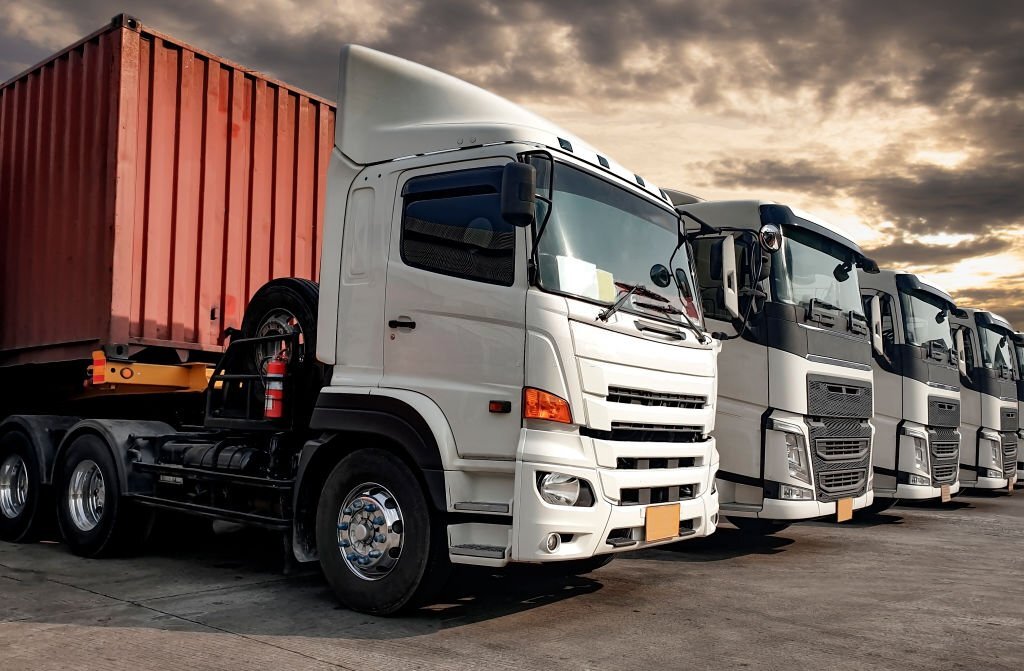
Inland transport serves as the vital link between ocean freight and inland destinations. This component is essential for efficient logistics, affecting the speed and reliability of deliveries. In many cases, the effectiveness of inland transport directly impacts how well a company can meet customer demands and maintain a competitive edge.
The integration of inland transport with ocean shipping plays a critical role in the supply chain, allowing goods to traverse land efficiently from ports where they arrive to consumers or businesses inland. A well-functioning inland transport system can increase overall supply chain effectiveness and reliability, ensuring timely deliveries and enhanced customer satisfaction.
Key Trends and Data Shaping Inland Transport
One of the most significant trends in inland transport is the increasing reliance on multimodal transport solutions. These solutions integrate various modes of transportation, including trucks, trains, and barges. The driving force behind this trend is the need for cost efficiency and speed as companies optimize their logistics operations.
- The global multimodal transport market is projected to reach USD 300 billion by 2026, displaying a compound annual growth rate (CAGR) of approximately 6%.
- E-commerce growth fuels demand for faster and more reliable inland transport services.
- Companies are investing in advanced technologies like real-time tracking systems to enhance visibility and operational efficiency.
Operational Impacts on Logistics and Supply Chains
The efficiency of inland transport directly affects various aspects of logistics operations, such as freight forwarding, warehousing, and inventory planning. Delays in inland transportation caused by infrastructure bottlenecks can lead to increased lead times, adversely impacting customer expectations and satisfaction.
Numerous factors currently challenge inland transport, including:
- Underdeveloped infrastructure causing congestion and delays, particularly in urban centers.
- Increasing environmental regulations that necessitate compliance and investment in cleaner technology.
- Rising fuel prices resulting in fluctuating transportation costs.
Practical Lessons for Logistics Professionals
Here are some recommendations and best practices for navigating the complexities of inland transport:
- Optimize transportation planning by leveraging multimodal solutions to increase cost efficiency and delivery speed.
- Invest in advanced technologies for tracking and monitoring shipments to foster real-time visibility across the supply chain.
- Explore digital solutions, such as blockchain technology, to enhance security, transparency, and operational efficiency.
- Develop collaborations with local governments and communities to improve transport infrastructure strategically.
How Scanwell Logistics Vietnam Can Help
As a leading player in the logistics field, Scanwell Logistics Vietnam offers comprehensive solutions that seamlessly integrate ocean freight with inland transport. Our expertise in multimodal solutions and advanced technology allows us to meet the unique needs of our clients, ensuring efficient movement from port to final destination.
- Ocean freight (FCL/LCL on key trade lanes).
- Air freight solutions for time-sensitive cargo.
- Warehousing, distribution and value-added services.
- Domestic and cross-border trucking.
- Customs brokerage and trade compliance support.
Conclusion
Inland transport is not just a component of the logistics chain; it is the essential bridge connecting ocean freight to inland destinations. With the continuous evolution driven by e-commerce and multimodal transport solutions, companies are presented with significant opportunities as well as challenges. Successful logistics leaders must navigate infrastructure limitations, manage rising costs, and comply with increasingly stringent regulations to thrive in this dynamic environment.
By leveraging technology and fostering strategic partnerships, logistics firms can gain a competitive edge and enhance their operational efficiency. The key lies in adapting to the ever-changing landscape of inland transport, where innovation and collaboration can lead to improved service delivery.
Call to Action
Ready to turn these logistics insights into real competitive advantages?
Explore Scanwell Logistics Vietnam
Contact our experts for tailored support
FAQ
What is the role of inland transport in logistics?
Inland transport acts as the bridge between ocean freight and final destinations, ensuring timely delivery and improved supply chain efficiency.
How can companies optimize their inland transport operations?
Companies can optimize operations by utilizing multimodal solutions, investing in technology for tracking and visibility, and collaborating with local governments for better infrastructure.
What challenges does the inland transport sector currently face?
Challenges include underdeveloped infrastructure leading to congestion, rising fuel prices affecting budgets, and stricter environmental regulations requiring compliance.