















Only an Integrated Solution Will Stop Cargo Fraud and Theft
Estimated reading time: 8 minutes
Cargo fraud and theft are no longer isolated transportation incidents. They are supply chain failures that exploit disconnected processes, weak handoffs, inaccurate documents, limited shipment visibility, and inconsistent security controls. That is why Only an Integrated Solution Will Stop Cargo Fraud and Theft: criminals look for gaps across the entire logistics journey, not merely weaknesses inside one warehouse, truck, or system.
A company may thoroughly vet a carrier yet still release cargo to an unauthorized driver. It may install cameras at a facility while leaving bills of lading exposed to manipulation. It may track a shipment in transit but lack reliable controls during load tendering or yard execution. Each measure has value, but isolated tools leave openings between systems, teams, and operational stages.
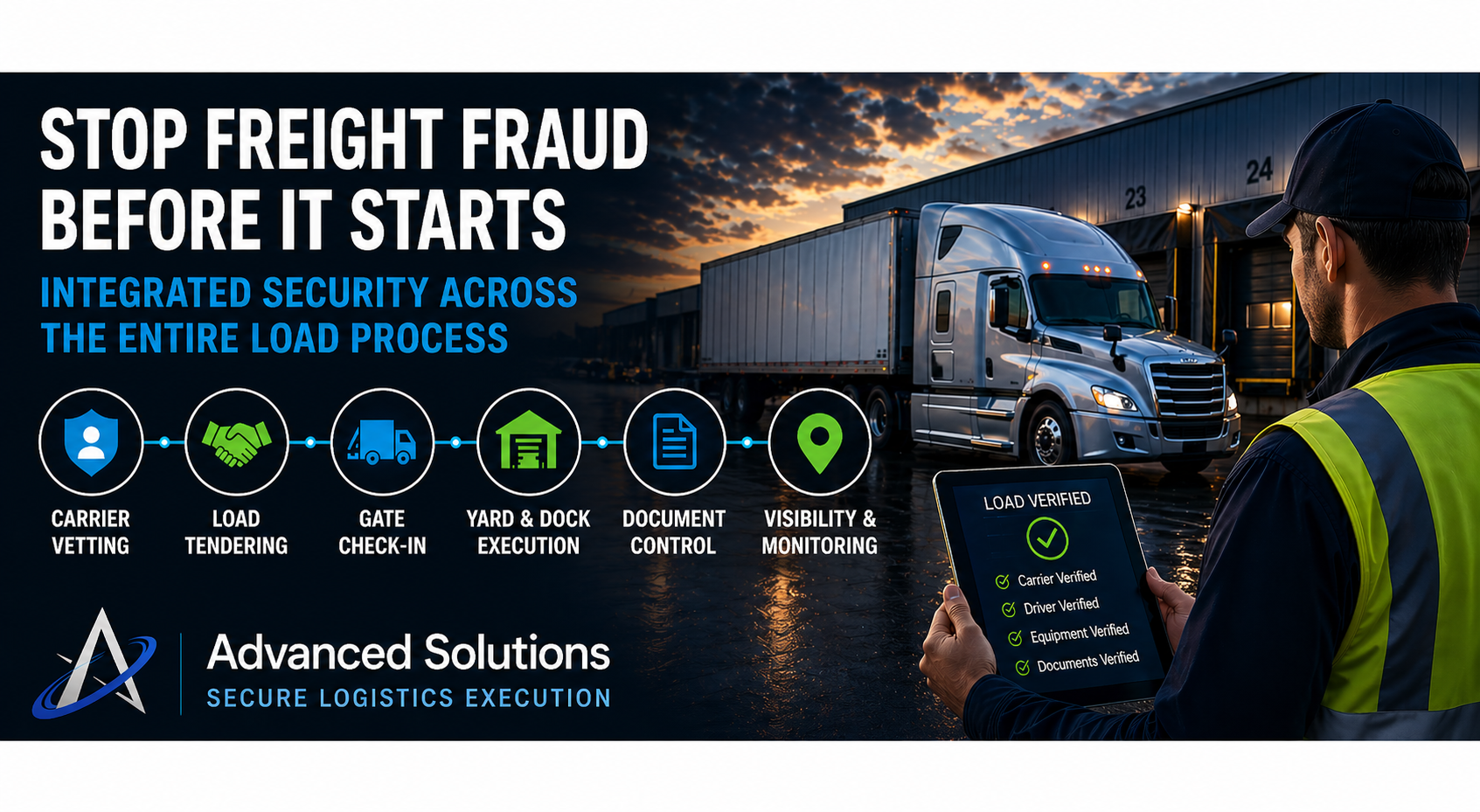
Business leaders and logistics managers therefore need a coordinated security model connecting carrier vetting, load tendering, gate security, yard execution, document control, and real-time shipment visibility. This article explains how those controls work together, where operational risks emerge, and what companies can do to build a more secure and resilient supply chain.
Table of Contents
- Understanding the integrated security challenge
- Key controls across the logistics process
- Impacts on logistics operations
- Building an integrated prevention model
- Practical lessons
- How Scanwell Logistics Vietnam can help
- Conclusion
- FAQ
Why Only an Integrated Solution Will Stop Cargo Fraud and Theft
Cargo security is often treated as a physical protection issue. Companies may focus on locks, guards, cameras, or vehicle tracking. These safeguards remain important, but they address only selected points in a much broader process. Fraud can begin before a vehicle arrives, while theft can occur during loading, in a yard, during transit, or through the misuse of shipping documents.
The underlying risk comes from fragmentation. Carrier onboarding may be managed by procurement, load allocation by transport operations, gate access by security personnel, loading by warehouse teams, and documentation by administrative or customs specialists. If these functions use different records or apply inconsistent verification standards, an apparently secure operation can still be compromised.
For example, a carrier may pass an initial assessment, but the identity of the driver collecting a particular load may not be matched against the approved tender. A gate team may verify a vehicle registration without confirming whether shipment instructions have changed. A tracking platform may show where a truck is located while providing no assurance that the cargo was released to the correct party.
An integrated solution closes these spaces between decisions. It connects the approved carrier, assigned vehicle, authorized driver, shipment documents, facility access record, loading event, route activity, and delivery confirmation. Each control strengthens the next one. More importantly, inconsistencies become visible before they turn into losses.
Security Depends on Connected Information
Effective prevention requires both physical controls and trustworthy information. Teams need to know who is handling a shipment, why that party is authorized, what cargo should be collected, which documents apply, where the shipment is located, and whether its movement matches the agreed plan. When this information is current and shared, suspicious activity can be identified quickly.
Integration also improves accountability. Every handoff can be supported by verified records rather than assumptions, informal messages, or isolated spreadsheets. This makes it harder for fraudulent instructions, altered documents, unauthorized substitutions, or unexplained route changes to pass unnoticed.
Key Controls Shaping Cargo Fraud and Theft Prevention
A comprehensive security program begins before cargo moves and continues until delivery is confirmed. The following controls address different stages of that journey. Their greatest value appears when they exchange information and operate as one risk-management framework.
Carrier Vetting and Load Tendering
Carrier vetting establishes whether a transportation provider has suitable credentials, capacity, reliability, and reputation. Screening should occur before a carrier is approved, but security cannot end with onboarding. Relevant details must remain accurate, and each shipment assignment should be checked against approved information.
Load tendering turns that general approval into a shipment-specific decision. The selected carrier must be appropriate for the cargo, route, timing, and operating requirements. Reliability, reputation, and available capacity should be considered together. Pressure to secure capacity quickly should not weaken verification or encourage unapproved substitutions.
- Verify carrier credentials before adding a provider to the approved network.
- Apply consistent selection criteria instead of relying on informal familiarity.
- Match the assigned carrier, vehicle, and driver to the specific load.
- Confirm unexpected changes through trusted communication channels.
Gate Security and Yard Execution
The gate is a critical point of control because it determines who enters the facility and who gains physical access to cargo. Effective gate security combines access control, surveillance, monitoring, and clear authorization procedures. Security personnel need accurate shipment information rather than a simple instruction that a truck is expected.
Inside the facility, yard execution must preserve that chain of control. Operators should know where vehicles, trailers, containers, and goods are located and whether their movements are authorized. RFID and GPS tracking can help monitor activity, but technology must support disciplined processes. An alert has little value if nobody owns the response.
- Check arriving vehicles and drivers against approved shipment records.
- Monitor cargo movement between staging, loading, parking, and exit points.
- Record loading and release events to create a traceable chain of custody.
- Define escalation procedures for mismatches, delays, or unauthorized activity.
Document Control and Shipment Visibility
Bills of lading, customs records, release instructions, and related documents establish what should move, who should handle it, and where it should go. Inaccurate, incomplete, duplicated, or insecurely stored documents create opportunities for misdirection and unauthorized release. Robust document management protects both cargo and compliance.
Shipment visibility extends control beyond the facility. Real-time tracking and monitoring provide information about shipment location and status, helping teams detect unusual stops, unexplained deviations, or delayed milestones. Visibility should trigger action, not merely display data. Alerts need clear thresholds, responsible owners, and documented response procedures.
Operational Impacts on Logistics and Supply Chains
Cargo fraud and theft can disrupt much more than a single delivery. Missing goods may delay production, interrupt customer orders, consume replacement inventory, and force teams to arrange urgent transportation. The operational burden often spreads across procurement, warehousing, finance, compliance, customer service, and senior management.
Freight forwarding becomes more difficult when carrier identities or shipment instructions cannot be trusted. Warehouses face congestion when vehicles arrive with incorrect references or when disputed cargo must be held for investigation. Customs processes may also be affected if commercial and transport documents do not match the physical shipment.
Limited visibility increases the damage. If a company cannot identify where control was lost, response teams spend valuable time reconstructing events from separate systems and communications. Customers may receive incomplete updates, while internal teams debate which record is authoritative. Integrated data supports faster decisions because the shipment history is easier to follow.
Security measures also influence service quality. Excessively manual checks can delay legitimate cargo, while weak checks expose the business to loss. The objective is not maximum friction. It is reliable verification at each high-risk handoff, supported by accurate data and clearly assigned responsibilities.
Building an Integrated Cargo Security Model
Integration begins with process design. Companies should map the shipment journey from carrier approval through final delivery and identify where identity, authority, cargo condition, location, or documentation must be verified. This exercise exposes handoffs where information is re-entered, communicated informally, or left unconfirmed.
The next requirement is a shared control framework. Procurement standards should align with transport operations. Tender information should be available to gate and warehouse teams. Yard events should update shipment status. Documents should be linked to the correct cargo movement. Tracking alerts should reach people authorized to intervene.
Technology can connect these activities through secure records, RFID, GPS tracking, monitoring tools, and real-time status updates. However, software alone does not create integration. Teams need agreed procedures, defined access rights, reliable master data, and consistent escalation rules.
Performance reviews should examine the whole process rather than isolated departments. Repeated mismatches at the gate may indicate a tendering problem. Missing location updates may reveal weak carrier compliance. Document corrections may expose poor data governance. Treating these events as connected signals helps leaders address root causes.
Practical Lessons for Logistics Professionals
Organizations do not need to transform every process simultaneously. They should prioritize high-risk cargo, routes, facilities, and handoffs, then build repeatable controls that can scale across the network.
- Standardize carrier screening, retain verified records, and recheck details when shipment assignments change.
- Evaluate reliability, reputation, capacity, route, and cargo requirements before tendering each load.
- Connect gate authorization with warehouse schedules, loading instructions, and approved driver information.
- Use RFID, GPS, and shipment tracking where appropriate, supported by actionable alerts.
- Secure bills of lading, customs documents, and release instructions with controlled access and clear version management.
- Create trusted communication channels for confirming urgent changes or suspicious requests.
- Assign ownership for every handoff and document who responds when an exception occurs.
- Review incidents and near misses across functions to identify recurring control gaps.
Training should reflect real operating conditions. Gate personnel, dispatchers, warehouse teams, document specialists, and customer service staff encounter different warning signs. Role-specific guidance helps each group recognize suspicious behavior and escalate it without delaying normal operations unnecessarily.
How Scanwell Logistics Vietnam Can Help
Managing cargo risk requires coordination across transportation, facilities, documents, and shipment information. Scanwell Logistics Vietnam can support businesses through connected logistics services designed to reduce fragmented handoffs and improve control throughout the cargo journey.
By coordinating freight movement, warehousing, distribution, trucking, customs support, and technology-enabled visibility, an experienced logistics partner can help create clearer accountability. Customers gain a more consistent operating process and a central point for communication when schedules, documents, or shipment conditions change.
- Ocean freight support for FCL and LCL cargo on key trade lanes.
- Air freight solutions for urgent and time-sensitive shipments.
- Warehousing, distribution, and value-added logistics services.
- Domestic and cross-border trucking coordination.
- Customs brokerage and trade compliance support.
- Technology-enabled shipment tracking and operational visibility.
Conclusion
Cargo fraud and theft exploit weak connections between legitimate logistics activities. Carrier vetting, load tendering, gate security, yard execution, document control, and shipment visibility each address an important risk. None provides complete protection alone.
The strongest opportunity lies in integration: verified information follows the shipment, every handoff is accountable, and exceptions generate a coordinated response. Logistics leaders should focus on closing process gaps while preserving operational speed and customer service. A connected security model protects goods, supports compliance, strengthens resilience, and helps preserve business reputation.
Call to Action
Ready to turn cargo security insights into stronger logistics operations?
Explore Scanwell Logistics Vietnam’s integrated freight, warehousing, trucking, customs, and visibility capabilities. Contact the Scanwell team for support tailored to your cargo, routes, and supply chain requirements.
FAQ
Why are standalone cargo security tools insufficient?
Standalone tools protect individual stages but may leave gaps between carrier selection, facility access, loading, documentation, tracking, and delivery. Integration connects these controls and makes inconsistencies easier to detect.
What should carrier vetting include?
Carrier vetting should verify credentials and assess reliability, reputation, and capacity. Approved information should then be matched with the carrier, driver, vehicle, and requirements assigned to each load.
How can warehouses reduce unauthorized cargo collection?
Warehouses can connect gate access controls with approved shipment records, verify drivers and vehicles, monitor yard movements, document loading events, and escalate mismatches before releasing cargo.
What role does real-time shipment visibility play?
Real-time visibility helps teams identify shipment location and status, detect unusual activity, and act quickly after a security alert. Its effectiveness depends on clear monitoring responsibilities and response procedures.
How should a company begin building an integrated solution?
Start by mapping the complete shipment process and identifying gaps at every handoff. Prioritize high-risk operations, connect carrier, gate, yard, document, and tracking information, then establish clear ownership for exceptions. An experienced logistics partner such as Scanwell Logistics Vietnam can help coordinate these activities across the supply chain.