Strategic Ascent: Kuehne+Nagel Invests in a New Commodity Center in Frankfurt and Its Global Implications
Estimated reading time: 9 minutes
In the dynamic world of global logistics, strategic investments often signal important shifts and future directions for the industry. A prime example of this foresight comes from Kuehne+Nagel, a prominent global logistics provider, which recently announced a significant investment in a new commodity center in Frankfurt, Germany. This move is not merely an expansion; it represents a calculated strengthening of their air cargo capabilities, particularly within the vital European market, and underscores the evolving demands placed upon modern supply chains.
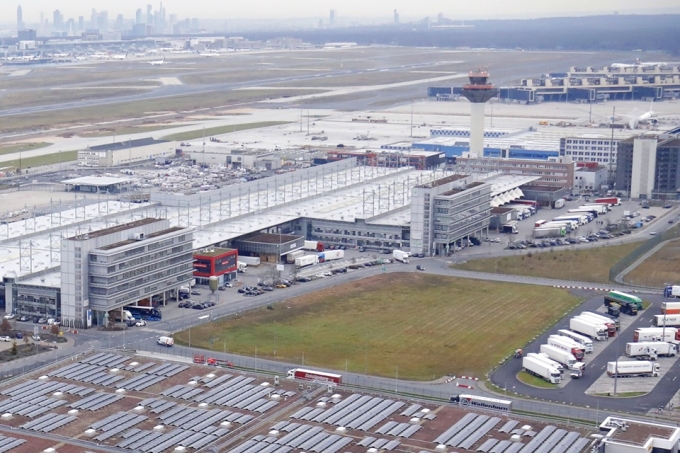
The decision by Kuehne+Nagel to establish a 7,600 sqm air cargo facility at CargoCity South in Frankfurt Airport is a testament to the continued importance of well-placed infrastructure in facilitating global trade. For business leaders, supply chain managers, and logistics professionals, understanding the rationale behind such an investment offers invaluable insights into the trends shaping air freight, warehousing, and comprehensive logistics solutions. It highlights the growing demand for efficient cargo handling, the criticality of strategic hubs, and the continuous drive towards more resilient and technologically advanced supply chain networks.
This article will delve into the specifics of Kuehne+Nagel’s investment, exploring the strategic advantages of its Frankfurt location, the key market trends driving such expansions, and the broader implications for logistics operations worldwide. We will also examine the challenges and opportunities that arise from such developments, offering practical lessons for companies navigating the complexities of international trade, and demonstrating how expert logistics partners like Scanwell Logistics Vietnam can help businesses leverage these insights for competitive advantage.
Table of Contents
- Understanding Kuehne+Nagel’s Strategic Investment in Frankfurt
- Key Trends and Data Shaping Air Cargo Logistics
- Operational Impacts on Logistics and Supply Chains
- Navigating Risks and Capitalizing on Opportunities
- Practical Lessons for Logistics Professionals
- How Scanwell Logistics Vietnam Can Help
- Conclusion
- Call to Action
- FAQ
Understanding Kuehne+Nagel’s Strategic Investment in Frankfurt
Kuehne+Nagel’s recent investment in a new commodity center in Frankfurt marks a significant step in the company’s strategic expansion. By signing a lease agreement with Fraport AG for a substantial 7,600 sqm air cargo facility at CargoCity South in Frankfurt Airport, Kuehne+Nagel is reinforcing its commitment to the German market and its broader European operations. This move is fundamentally about enhancing capacity and optimizing service delivery in a crucial logistical hub.
The choice of Frankfurt Airport is no accident. Frankfurt is not only one of Europe’s busiest airports but also a central gateway for air freight, offering unparalleled connectivity to a vast network of airlines and onward land transportation routes. CargoCity South, in particular, is a dedicated cargo area renowned for its infrastructure and efficiency, making it an ideal location for a facility designed to handle diverse commodities. This strategic positioning provides Kuehne+Nagel with direct access to extensive air routes, enabling faster transit times and greater flexibility for their customers.
The primary goal of this investment is to increase Kuehne+Nagel’s capacity for air cargo handling, allowing them to better serve the growing demand for air freight services across Europe. This new facility will support a comprehensive range of air cargo services, from meticulous customs clearance and secure warehousing to efficient distribution. Such an integrated approach is vital in today’s complex supply chains, where speed, reliability, and end-to-end visibility are paramount. Furthermore, this expansion is expected to generate new employment opportunities, contributing to local economic growth and strengthening Kuehne+Nagel’s operational footprint in Germany. It reaffirms the company’s commitment to investing in its infrastructure and maintaining its leadership position in the fiercely competitive global logistics industry.
Key Trends and Data Shaping Air Cargo Logistics
The decision by Kuehne+Nagel to invest in a new commodity center in Frankfurt is deeply rooted in several overarching trends transforming the global logistics landscape. These trends highlight why agile and robust air freight capabilities are more critical than ever, especially for businesses operating across continents, including those in Vietnam looking to connect with European markets.
- Growing Demand for Air Freight Services: The research explicitly points to a growing demand for air freight services in Europe. This surge is driven by several factors: the rise of e-commerce necessitating faster delivery of goods, the increasing complexity of global supply chains requiring just-in-time inventory management, and the movement of high-value or time-sensitive commodities such as pharmaceuticals, electronics, and automotive parts. Businesses are increasingly relying on air cargo for speed, security, and access to distant markets, pushing logistics providers to expand their capacities.
- Increased Investment in Infrastructure and Technology: As exemplified by Kuehne+Nagel’s move, there is a clear trend towards increased investment in logistics infrastructure and advanced technology. This includes not just physical facilities like the Frankfurt commodity center, but also innovations in warehouse automation, tracking systems, and data analytics. Such investments are crucial for improving operational efficiency, enhancing service quality, and building more resilient supply chains capable of weathering disruptions.
- Expansion of Trade Agreements and Global Commerce: The continuous evolution of global trade agreements facilitates greater cross-border movement of goods. This expansion creates more complex trade lanes and increased volumes, further fueling the need for sophisticated logistics solutions that can navigate varied customs regulations and diverse transportation networks. Strategic hubs like Frankfurt become even more vital as consolidation and distribution points in this intricate global web.
- Increasing Importance of Sustainability: Environmental responsibility is no longer a niche concern but a mainstream imperative in logistics. The trend towards sustainability and environmental responsibility in logistics operations is pushing companies to seek greener solutions across all modes of transport, including air cargo. While air freight has a larger carbon footprint than ocean freight, innovations in sustainable aviation fuels, optimized flight paths, and efficient ground handling operations are becoming increasingly important considerations.
- Growing Focus on Digitalization and Automation: Digitalization and automation are revolutionizing logistics and supply chain management. From automated warehousing systems and AI-driven route optimization to blockchain for enhanced visibility and secure data exchange, technology is enabling unprecedented levels of efficiency and transparency. Facilities like the new Frankfurt center are prime candidates for integrating such advanced solutions to streamline processes, reduce human error, and accelerate cargo throughput.
These trends collectively paint a picture of an industry in constant evolution, where strategic investments like the one in Frankfurt are essential to keep pace with global trade demands and maintain a competitive edge.
Operational Impacts on Logistics and Supply Chains
The establishment of a new commodity center in a strategic location like Frankfurt Airport has far-reaching operational impacts that resonate throughout the logistics industry and affect various stakeholders, from global manufacturers to local distributors. This investment by Kuehne+Nagel is designed to enhance several critical aspects of supply chain management.
- Enhanced Air Cargo Handling Efficiency: A dedicated 7,600 sqm facility specifically for air cargo means optimized space utilization, faster processing, and improved safety for goods. This leads to quicker turnaround times for aircraft and reduced dwell times for cargo, directly impacting the speed and reliability of air freight services. For businesses relying on expedited shipping, this efficiency translates into shorter lead times and improved customer satisfaction.
- Streamlined Warehousing and Distribution: Beyond air transport, the new center provides robust warehousing capabilities. This allows for efficient consolidation and deconsolidation of shipments, cross-docking operations, and value-added services such as kitting, labelling, and quality checks. Its location at CargoCity South facilitates seamless onward distribution via road and rail networks across Europe, optimizing the “first mile” and “last mile” delivery components of complex supply chains.
- Improved Customs Clearance and Compliance: Operating within a major international airport means proximity to customs authorities and expertise. The facility will be equipped to handle complex customs clearance procedures, ensuring compliance with diverse European regulations. This reduces potential delays, minimizes risks associated with non-compliance, and offers greater peace of mind for shippers, especially those dealing with international trade agreements.
- Strengthened Supply Chain Resilience: By increasing capacity at a critical hub, Kuehne+Nagel is enhancing supply chain resilience. In an era where disruptions (geopolitical, economic, or natural) are increasingly common, having diversified and robust logistical nodes helps mitigate risks. This facility can serve as a crucial point for rerouting or expediting cargo when other parts of the network face challenges.
- Better Customer Service and Market Access: Ultimately, the investment allows Kuehne+Nagel to offer a higher level of service to its European customers. Faster, more reliable, and more comprehensive logistics solutions translate into competitive advantages for businesses using these services. It expands market access for exporters and importers, enabling them to tap into new opportunities within the expansive European market.
- Job Creation and Economic Contribution: As noted in the research, the investment is expected to create new job opportunities. This contributes to local employment and strengthens the company’s overall operational capabilities with skilled personnel in areas such as cargo handling, customs brokerage, and logistics management.
These operational enhancements are not isolated; they form part of a broader strategy to build more integrated, efficient, and responsive logistics networks capable of supporting the fast-paced demands of modern commerce.
Navigating Risks and Capitalizing on Opportunities
While Kuehne+Nagel’s investment in Frankfurt signals confidence in the air cargo market, it also operates within an environment subject to various risks and brimming with significant opportunities. Understanding these dynamics is crucial for any business engaged in global trade and logistics.
Important Risks and Challenges:
- Increasing Competition in the Air Cargo Market: The air freight sector is highly competitive, with numerous global and regional players vying for market share. An investment like Kuehne+Nagel’s naturally intensifies this competition, demanding continuous innovation, operational excellence, and competitive pricing strategies to retain and attract clients. New entrants and expansions by existing players can put pressure on profit margins.
- Regulatory Changes: The logistics industry, especially air freight and customs, is heavily regulated. Changes in international trade policies, security protocols, environmental regulations, or labor laws can significantly impact operations and costs. Companies must remain agile and well-informed to adapt quickly to evolving regulatory landscapes, such as new EU import rules or customs declarations.
- Economic Downturns: Air freight volumes are highly sensitive to global economic health. Economic downturns or recessions can lead to reduced consumer spending, decreased manufacturing output, and a subsequent drop in demand for air cargo services. While the long-term outlook for air freight remains positive, businesses must be prepared for potential short-to-medium term fluctuations.
- Geopolitical Instability and Disruptions: Unforeseen geopolitical events, conflicts, natural disasters, or pandemics can severely disrupt air routes, airport operations, and overall supply chain stability. The ability to pivot, reroute, and leverage diversified networks becomes paramount in such scenarios, necessitating robust risk management strategies.
Opportunities for the Logistics Industry:
- Sustained Growth in Air Freight Demand: Despite potential fluctuations, the long-term trend of growing demand for air freight services in Europe and globally remains a significant opportunity. Factors like e-commerce proliferation, demand for high-value goods, and expedited shipping requirements continue to drive this growth.
- Leveraging Technology for Efficiency: Increased investment in infrastructure often goes hand-in-hand with technological advancements. The new commodity center presents an opportunity to implement cutting-edge automation, AI-driven analytics, IoT for real-time tracking, and advanced warehouse management systems, leading to unparalleled efficiency and visibility.
- Expansion of Global Trade Agreements and Commerce: The ongoing development of free trade agreements and regional economic blocs encourages more international trade. For instance, Vietnam’s trade relations with Europe continue to grow, making efficient gateways like Frankfurt crucial. This creates new trade lanes and increases cargo volumes, benefiting logistics providers with strong global networks.
- Partnerships and Collaborative Models: The complexity of modern logistics often necessitates strategic partnerships. Collaborations with airlines, customs brokers, and last-mile delivery providers can create integrated, end-to-end solutions that offer greater value to customers and optimize operational costs.
- Data-Driven Decision Making: The vast amount of data generated by modern logistics operations offers a golden opportunity for data analytics. By leveraging this data, companies can optimize routes, predict demand, identify bottlenecks, and make more informed strategic decisions, leading to better service and cost control.
By proactively addressing risks and strategically capitalizing on these opportunities, logistics companies can not only sustain their growth but also solidify their position as indispensable partners in global commerce.
Practical Lessons for Logistics Professionals
The strategic move by Kuehne+Nagel offers valuable insights for logistics professionals, supply chain managers, and business leaders seeking to optimize their operations and maintain a competitive edge. Here are some practical lessons to consider:
- Prioritize Strategic Hub Locations: The choice of Frankfurt Airport underscores the critical importance of selecting logistics hubs that offer excellent connectivity, robust infrastructure, and access to key markets. Companies should continuously evaluate their network of distribution centers and transit points to ensure they align with their strategic trade lanes, such as those connecting Asia to Europe.
- Invest in Capacity and Modern Facilities: As global trade volumes grow and demand for specialized services increases, sufficient and modern cargo handling and warehousing capacity is essential. Companies should assess their current and future capacity needs, considering investments in new facilities, equipment, or partnerships to avoid bottlenecks and ensure scalability.
- Embrace Digitalization and Automation: The future of logistics is digital. Implementing advanced technologies like warehouse management systems (WMS), real-time tracking, AI-driven analytics, and automation can significantly enhance efficiency, reduce costs, and improve visibility across the supply chain. Prioritize investments in these areas to future-proof operations.
- Develop Integrated Multimodal Solutions: While the focus here is air cargo, the new facility also enables seamless integration with road and possibly rail networks for onward distribution. Businesses should strive for multimodal strategies that combine the speed of air freight with the cost-effectiveness of ocean freight and the flexibility of trucking, creating optimized end-to-end solutions.
- Strengthen Customs and Compliance Expertise: Navigating international trade requires deep knowledge of customs regulations and compliance. Ensure your logistics partners or in-house teams possess the necessary expertise to handle diverse regulatory environments, preventing delays and ensuring smooth cross-border operations.
- Build Resilient and Flexible Supply Chains: The investment highlights the need for supply chain resilience. Diversify carriers, consider alternative routes, and build flexibility into your logistics network to mitigate the impact of unforeseen disruptions, whether they are economic downturns, geopolitical events, or natural disasters.
- Integrate Sustainability into Strategy: Environmental considerations are becoming increasingly important. Explore opportunities to partner with logistics providers who prioritize sustainable practices, from optimized routes to greener warehousing operations, aligning your supply chain with corporate responsibility goals.
By proactively addressing these areas, logistics professionals can transform challenges into opportunities and drive greater value for their organizations.
How Scanwell Logistics Vietnam Can Help
In an era defined by rapid change and strategic infrastructure investments like the Kuehne+Nagel commodity center in Frankfurt, having a reliable and forward-thinking logistics partner is paramount. Scanwell Logistics Vietnam stands ready to help businesses in Vietnam and beyond navigate these complexities, leveraging global insights to provide localized, efficient, and cost-effective supply chain solutions. Our expertise spans critical logistics functions, ensuring your cargo reaches its destination efficiently, whether it’s a bustling European hub like Frankfurt or anywhere else across the globe.
We understand that strategic investments by industry leaders impact global trade lanes and set new benchmarks for service. Scanwell Logistics Vietnam closely monitors these developments to ensure our services remain at the forefront of the industry. We offer robust solutions that integrate seamlessly with international networks, providing the reliability and visibility required in today’s demanding market.
Our comprehensive suite of services is designed to address the challenges and capitalize on the opportunities presented by a dynamic global logistics environment:
- Air Freight Solutions: For time-sensitive and high-value cargo, Scanwell provides expedited air freight services, ensuring quick transit times to major hubs like Frankfurt and beyond, connecting Vietnam’s exports to key European markets.
- Ocean Freight (FCL/LCL): We offer flexible and economical ocean freight options, including Full Container Load (FCL) and Less than Container Load (LCL) services on key trade lanes, perfectly complementing air freight for balanced supply chain strategies.
- Warehousing & Distribution: Our network includes strategic warehousing and distribution services, designed for efficient inventory management, consolidation, deconsolidation, and onward delivery, mirroring the capabilities seen in leading global facilities.
- Domestic and Cross-Border Trucking: Seamless ground transportation is vital. We provide reliable domestic and cross-border trucking services across Vietnam and Southeast Asia, ensuring smooth first-mile and last-mile connectivity for your international shipments.
- Customs Brokerage & Trade Compliance: Our experienced team navigates complex customs procedures and ensures full compliance with international trade regulations, minimizing delays and mitigating risks for your shipments into and out of Vietnam.
- Technology-Enabled Visibility: We leverage modern logistics technology to provide real-time tracking, transparent communication, and data-driven insights, giving you complete visibility and control over your supply chain.
- Personalized Customer Service: At Scanwell, we believe in building strong relationships. Our dedicated team provides personalized support, expert advice, and tailored solutions to meet your specific logistics needs.
Conclusion
The investment by Kuehne+Nagel in a new commodity center in Frankfurt is more than just a company expansion; it is a clear indicator of the enduring strategic importance of air freight and well-positioned logistics infrastructure in the global supply chain. This 7,600 sqm facility at Frankfurt Airport’s CargoCity South exemplifies the industry’s response to growing demand for faster, more reliable, and more integrated logistics solutions, particularly in the critical European market.
For logistics leaders and businesses worldwide, this development underscores several key imperatives: the need for resilient supply chains, the strategic advantage of prime logistical hubs, the unwavering demand for efficient air cargo services, and the critical role of technological adoption and sustainability. While challenges such as intense competition and regulatory changes persist, the opportunities presented by increasing global trade, digitalization, and infrastructure investment are substantial.
As the global logistics landscape continues to evolve, exemplified by strategic moves like Kuehne+Nagel invests in a new commodity center in Frankfurt, organizations must proactively adapt and innovate. Partnering with a logistics provider that offers both global reach and local expertise, combined with a commitment to efficiency and customer service, is crucial for navigating these complexities and achieving sustained growth. The ability to leverage strategic assets and integrate advanced logistics capabilities will define success in the years to come.
Call to Action
Ready to turn these logistics insights into real competitive advantages?
Explore Scanwell Logistics Vietnam
Contact our experts for tailored support
FAQ
What is the significance of Kuehne+Nagel’s investment in a new commodity center in Frankfurt?
This investment signifies Kuehne+Nagel’s strategic move to expand its air cargo handling capacity and presence in the German and broader European markets. Located at Frankfurt Airport, it enhances their ability to offer comprehensive air freight services, including customs clearance, warehousing, and distribution, to meet growing demand and strengthen supply chain resilience.
Why is Frankfurt Airport considered a strategic location for such a facility?
Frankfurt Airport is a major European air cargo hub with excellent connectivity to a vast network of airlines and ground transportation routes. Its dedicated CargoCity South area offers robust infrastructure, allowing for efficient processing, faster transit times, and seamless onward distribution across Europe, making it ideal for international logistics operations.
How does this investment address current trends in the logistics industry?
The investment aligns with key industry trends such as the growing demand for air freight driven by e-commerce, the need for increased infrastructure investment, a focus on sustainability, and the push towards digitalization and automation in supply chain management. It positions Kuehne+Nagel to capitalize on these trends and maintain its competitive edge.
What are the potential challenges associated with operating a large air cargo facility like this?
Key challenges include intense competition in the air cargo market, navigating complex and evolving regulatory changes, the impact of potential economic downturns on freight volumes, and managing geopolitical instability. Success requires continuous adaptation, innovation, and robust risk management strategies.
How can businesses benefit from developments like Kuehne+Nagel’s new center, and how can Scanwell Logistics Vietnam help?
Businesses benefit from enhanced speed, reliability, and expanded service offerings for their air cargo shipments to and from Europe. Scanwell Logistics Vietnam can help by providing integrated air freight solutions, leveraging global networks and local expertise to connect Vietnamese businesses to major hubs like Frankfurt, ensuring efficient customs clearance, and offering comprehensive warehousing and distribution services. We act as your strategic partner to navigate these complex global logistics developments.