Accelerating Fulfillment: How Jingdong Logistics Completes Orders Quickly Thanks to its Box Handling System and Broader Industry Innovations
Estimated reading time: 8 minutes
In today’s fast-paced global economy, the speed of order fulfillment is no longer just a competitive advantage; it’s a fundamental expectation. Customers, whether B2B or B2C, demand quicker deliveries and seamless experiences, pushing logistics providers and businesses to innovate constantly. At the heart of this drive for speed are sophisticated technological solutions that transform warehouse operations and supply chain management.
One prominent example of this innovation comes from Jingdong Logistics, a company that has garnered attention for its ability to complete orders quickly, largely attributed to its advanced box handling system. This system, while specific in its implementation, represents a broader trend of leveraging automation and intelligent technology to streamline every step of the fulfillment process. Understanding the mechanisms behind such systems, and the wider technological landscape, is crucial for any business leader aiming to enhance their logistics capabilities and meet evolving customer demands.
This article delves into the significance of rapid order fulfillment, explores the innovative technologies driving this speed, and provides insights into how businesses can adopt similar principles to optimize their own supply chains, drawing lessons from leaders like Jingdong Logistics.
Table of Contents
- Understanding Rapid Fulfillment in the Logistics Context
- Key Technologies and Data Driving Fulfillment Speed
- Operational Impacts on Logistics and Supply Chains
- Practical Lessons for Logistics Professionals
- How Scanwell Logistics Vietnam Can Help
- Conclusion
- Call to Action
- FAQ
Understanding Rapid Fulfillment in the Logistics Context
Order fulfillment speed is a critical determinant of success in the modern logistics and e-commerce landscape. It directly impacts customer satisfaction, influences brand loyalty, and ultimately drives business revenue. In an era where online shopping and just-in-time inventory management are prevalent, the ability to process, pick, pack, and ship orders efficiently and quickly has become a non-negotiable requirement.
The traditional approach to warehousing and order processing, relying heavily on manual labor and sequential workflows, often introduces bottlenecks and inefficiencies. As order volumes surge and customer expectations for same-day or next-day delivery become standard, these conventional methods prove inadequate. This pressure has led the logistics industry to aggressively explore and implement advanced technologies and innovative solutions designed to drastically improve order completion times.
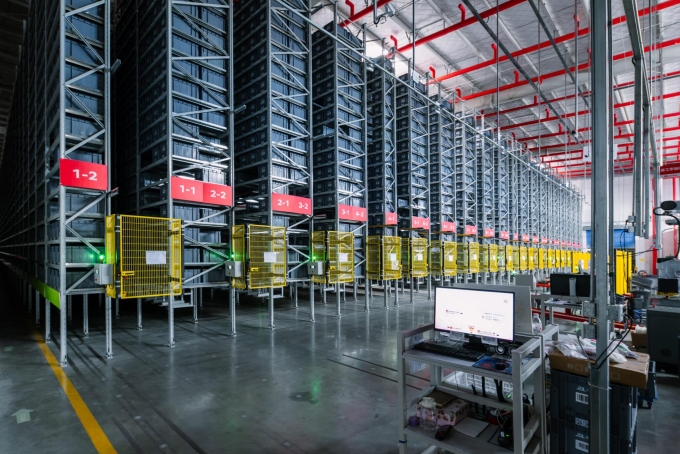
One such innovation making headlines is how Jingdong Logistics completes orders quickly thanks to its box handling system. While the specific details of Jingdong’s proprietary system are not fully disclosed, its core function is clear: to automate and accelerate the movement and processing of boxes within a fulfillment center. Such systems typically involve a sophisticated integration of conveyors, sorters, robotic arms, and intelligent software that can identify, route, and dispatch packages with minimal human intervention. This automation reduces the time spent on manual tasks, minimizes errors, and optimizes the flow of goods, directly contributing to faster order turnaround.
Beyond specific box handling systems, the industry is witnessing a broader technological transformation. Companies are increasingly investing in a range of automation and data-driven tools to achieve similar efficiencies. The objective is universal: to reduce the gap between order placement and delivery, making the supply chain more agile and responsive to market demands.
Key Technologies and Data Driving Fulfillment Speed
The pursuit of accelerated order fulfillment has spurred the development and adoption of several cutting-edge technologies. These innovations are reshaping the logistics industry, offering unprecedented levels of efficiency and precision.
Automated Handling Systems
- Jingdong Logistics’ Box Handling System: As highlighted, this system is instrumental in enabling Jingdong Logistics to complete orders quickly. While the specifics are proprietary, such systems are typically designed to automate the receiving, sorting, storing, picking, and packing of goods. They often utilize high-speed conveyors, automated storage and retrieval systems (AS/RS), and robotic sorters to move items rapidly and accurately, drastically reducing the time an order spends within the warehouse.
- LangzuTech’s Tote Handling System: This innovative system exemplifies how automation is extending into more complex picking operations. By combining an Automated Guided Vehicle (AGV) and a Lifting Robot, LangzuTech creates a 3D robotic system. AGVs transport goods to picking stations or directly to loading docks, while lifting robots can access items stored at various heights, optimizing vertical space and enabling flexible, efficient picking of individual items or totes. This integrated approach reduces travel time for human workers and allows for high-density storage, directly impacting order fulfillment speed.
Broader Technological Integrations
Beyond specialized handling systems, several other technologies are crucial for enhancing order fulfillment speed:
- Warehouse Management Systems (WMS): A robust WMS is the brain of any modern warehouse. It optimizes storage layouts, directs picking paths, manages inventory in real-time, and orchestrates the movement of goods and equipment. By providing real-time visibility and intelligent decision-making, a WMS ensures that every operation is executed with maximum efficiency.
- Robotic Process Automation (RPA): RPA automates repetitive, rule-based tasks traditionally performed by humans. In logistics, this includes tasks like data entry for order processing, generating shipping labels, and updating inventory records. By automating these administrative functions, RPA frees up human staff for more complex tasks and significantly accelerates the overall order-to-ship cycle.
- Artificial Intelligence-Powered Predictive Analytics: AI is transforming supply chain management by providing unparalleled insights. Predictive analytics leverage vast datasets to forecast demand more accurately, optimize inventory levels, identify potential bottlenecks before they occur, and even suggest optimal routing for inbound and outbound logistics. By anticipating future needs and challenges, AI helps logistics operations proactively streamline processes and avoid delays.
Key Data and Forecasts Underscoring the Trend
The investment in these technologies is driven by compelling industry data and forecasts:
- The e-commerce industry currently observes an average order fulfillment time of around 2-3 days. This benchmark puts immense pressure on businesses to perform at peak efficiency to meet or exceed customer expectations.
- Warehouse automation technologies are projected to increase warehouse productivity by up to 20% within the next five years. This significant gain in productivity underscores the tangible benefits of investing in automated systems.
- Artificial Intelligence-powered predictive analytics are set to become increasingly popular. Forecasts indicate that AI-powered solutions will account for over 50% of all supply chain management software by 2025, highlighting the rapid integration of AI into core logistics operations.
These statistics clearly demonstrate a strong industry-wide movement towards technology-driven solutions to achieve faster, more cost-effective, and more reliable order fulfillment.
Operational Impacts on Logistics and Supply Chains
The implementation of advanced technologies like Jingdong Logistics’ box handling system, LangzuTech’s tote handling solution, and other automation tools creates profound operational impacts across the entire logistics and supply chain ecosystem. These impacts extend far beyond mere speed improvements, influencing efficiency, cost structures, and overall business resilience.
Enhanced Efficiency and Throughput
Automated systems significantly boost operational efficiency. Robotic handling systems can operate 24/7, tirelessly processing orders with consistent speed and accuracy. This leads to a dramatic increase in throughput, allowing fulfillment centers to handle higher volumes of orders without proportional increases in labor costs. For freight forwarding, this means faster processing of goods in and out of warehouses, reducing dwell times and accelerating transit.
Reduced Errors and Improved Accuracy
Manual processes are inherently susceptible to human error. Automated box handling and picking systems, guided by WMS and AI, drastically reduce mispicks, misplacements, and damage to goods. This improvement in accuracy leads to fewer returns, lower customer service complaints, and a more streamlined inventory management process. Enhanced accuracy also supports better compliance with customs regulations and reduces the risk of costly delays due to incorrect documentation.
Cost Optimization
While the initial investment in automation can be substantial, the long-term cost benefits are significant. Reduced reliance on manual labor, optimized space utilization in warehouses, lower error rates, and increased energy efficiency from intelligent systems contribute to considerable operational cost savings. Predictive analytics further contribute by minimizing stockouts or overstocking, reducing carrying costs and preventing lost sales.
Elevated Customer Satisfaction
Ultimately, faster and more accurate order fulfillment translates directly into higher customer satisfaction. In today’s competitive market, consumers and businesses expect reliability and speed. The ability to complete orders quickly and deliver them on time, every time, builds trust and fosters loyalty. This is particularly vital in e-commerce, where delivery speed often dictates purchasing decisions.
Supply Chain Resilience and Agility
Automated and data-driven systems enhance the overall resilience and agility of the supply chain. AI-powered predictive analytics can identify potential disruptions, such as port congestions or weather delays, allowing logistics managers to reroute shipments or adjust inventory proactively. This proactive approach minimizes the impact of unforeseen events, making the supply chain more robust and responsive to change. For global logistics networks, including those managed by Scanwell Logistics Vietnam, this means a greater ability to navigate complex international shipping and dynamic market conditions.
Practical Lessons for Logistics Professionals
The success of companies like Jingdong Logistics in achieving rapid order fulfillment offers valuable lessons for all logistics professionals. Embracing these principles can lead to significant improvements in efficiency, customer satisfaction, and competitive positioning.
- Prioritize Automation in Key Areas: Identify bottlenecks in your current order fulfillment process. Could automated sorting, conveying, or picking systems reduce manual touchpoints and speed things up? Start with areas that offer the highest return on investment in terms of time savings and error reduction.
- Invest in Smart Warehouse Management: A modern WMS is foundational. It’s not just about tracking inventory, but optimizing space, guiding movements, and integrating with other systems. Ensure your WMS can support future automation initiatives and provide real-time insights.
- Leverage Data for Predictive Insights: Move beyond reactive logistics. Implement AI-powered analytics to forecast demand, predict potential disruptions, and optimize inventory levels. Data-driven decisions lead to more efficient operations and fewer surprises.
- Integrate Systems for Seamless Flow: The true power of automation comes from interconnected systems. Ensure your order entry, WMS, transportation management system (TMS), and other platforms communicate seamlessly. This eliminates manual data transfers and reduces processing time.
- Foster Strategic Partnerships: Not every company can build its own sophisticated box handling system. Partner with logistics providers who are already investing in advanced technologies and automation. An experienced 3PL can bring proven solutions and expertise to your supply chain.
- Focus on Continuous Improvement and Flexibility: The logistics landscape is constantly evolving. Adopt a mindset of continuous improvement, regularly evaluating new technologies and adapting your strategies. Ensure your systems are flexible enough to scale with demand and adjust to market changes.
How Scanwell Logistics Vietnam Can Help
At Scanwell Logistics Vietnam, we understand that achieving rapid and reliable order fulfillment is paramount for businesses operating in today’s demanding global market. While building highly specialized box handling systems might be out of reach for many, partnering with an expert 3PL can provide access to the infrastructure, technology, and expertise necessary to optimize your supply chain for speed and efficiency. We act as an extension of your business, ensuring your goods move swiftly and smoothly from origin to destination.
Our integrated logistics solutions are designed to address the complexities of modern supply chains, enabling businesses to reduce transit times, minimize errors, and enhance overall operational performance. We leverage our global network and local expertise to provide tailored services that align with your specific fulfillment goals, allowing you to benefit from improved efficiency without the need for massive internal investments in automation hardware.
Whether you are looking to streamline your international freight, optimize warehouse operations, or ensure seamless customs clearance, Scanwell Logistics Vietnam offers the comprehensive support you need to meet the demands of rapid order fulfillment.
- Ocean Freight: Efficient Full Container Load (FCL) and Less than Container Load (LCL) services on key trade lanes, ensuring timely and cost-effective sea transport.
- Air Freight: Fast and reliable air cargo solutions for time-sensitive shipments, minimizing transit times for urgent orders.
- Warehousing & Distribution: Strategically located warehouses equipped with modern management systems for optimal storage, inventory control, and efficient order picking and packing.
- Domestic and Cross-Border Trucking: Reliable land transportation services connecting points within Vietnam and across regional borders, providing vital last-mile and first-mile solutions.
- Customs Brokerage & Compliance: Expert guidance and efficient processing of customs documentation to prevent delays and ensure smooth cross-border movement of goods.
- Supply Chain Visibility & Technology: Providing tools and expertise to offer enhanced tracking and transparency throughout your supply chain, allowing for proactive management and informed decision-making.
Conclusion
The ability to complete orders quickly and efficiently is a hallmark of success in today’s logistics industry, profoundly influencing customer satisfaction and competitive standing. Companies like Jingdong Logistics, with their innovative box handling systems, demonstrate the power of automation and advanced technology in transforming order fulfillment speed. However, their success is part of a broader trend where warehouse automation, robotic solutions, WMS, RPA, and AI-powered predictive analytics are collectively reshaping global supply chains.
For business leaders and logistics professionals, the key takeaway is clear: embracing technological advancements is no longer optional but essential. While direct investment in proprietary systems might not be feasible for all, understanding the underlying principles of efficiency, accuracy, and data-driven decision-making is crucial. Partnering with experienced logistics providers, like Scanwell Logistics Vietnam, allows businesses to tap into optimized infrastructure and expertise, ensuring their supply chains are agile, resilient, and capable of meeting the escalating demands for rapid fulfillment.
As the industry continues its evolution, those who prioritize strategic investment in technology and foster smart partnerships will be best positioned to thrive, turning the challenge of speed into a significant market advantage.
Call to Action
Ready to turn these logistics insights into real competitive advantages?
Explore Scanwell Logistics Vietnam
Contact our experts for tailored support
FAQ
How do box handling systems like Jingdong Logistics’ improve order fulfillment speed?
Such systems leverage automation, robotics, and intelligent software to streamline the entire process from receiving to dispatch. They automate tasks like sorting, conveying, picking, and packing, drastically reducing manual labor, minimizing errors, and enabling 24/7 operation, all of which contribute to faster order completion times.
What are the main benefits of investing in warehouse automation technologies?
Investing in warehouse automation offers numerous benefits, including increased productivity (up to 20% within 5 years), reduced operational costs, enhanced accuracy and fewer errors, better space utilization, improved safety for workers, and ultimately, higher customer satisfaction due to faster and more reliable deliveries.
Can small and medium-sized businesses (SMBs) benefit from these advanced logistics technologies?
Absolutely. While proprietary systems might be costly, SMBs can benefit significantly by strategically adopting scalable automation (like collaborative robots), implementing robust Warehouse Management Systems (WMS), and especially by partnering with third-party logistics (3PL) providers. Experienced 3PLs like Scanwell Logistics Vietnam offer access to advanced facilities and technologies without the need for direct capital investment, allowing SMBs to leverage cutting-edge solutions for improved order fulfillment.
How does Artificial Intelligence (AI) contribute to faster order fulfillment?
AI-powered predictive analytics enhance order fulfillment by accurately forecasting demand, optimizing inventory levels to prevent stockouts or overstocking, and identifying potential supply chain disruptions proactively. This data-driven approach allows for more efficient planning, dynamic routing, and quicker problem resolution, leading to smoother and faster order processing.
What role do logistics partners play in helping businesses achieve rapid fulfillment?
Logistics partners like Scanwell Logistics Vietnam provide essential support by offering integrated services that include ocean and air freight, warehousing, distribution, and customs brokerage. They bring expertise, global networks, and often advanced technological capabilities (like WMS and visibility tools) that enable businesses to optimize their supply chains for speed and efficiency without the heavy investment in in-house automation, allowing them to focus on their core competencies while benefiting from rapid fulfillment.