
















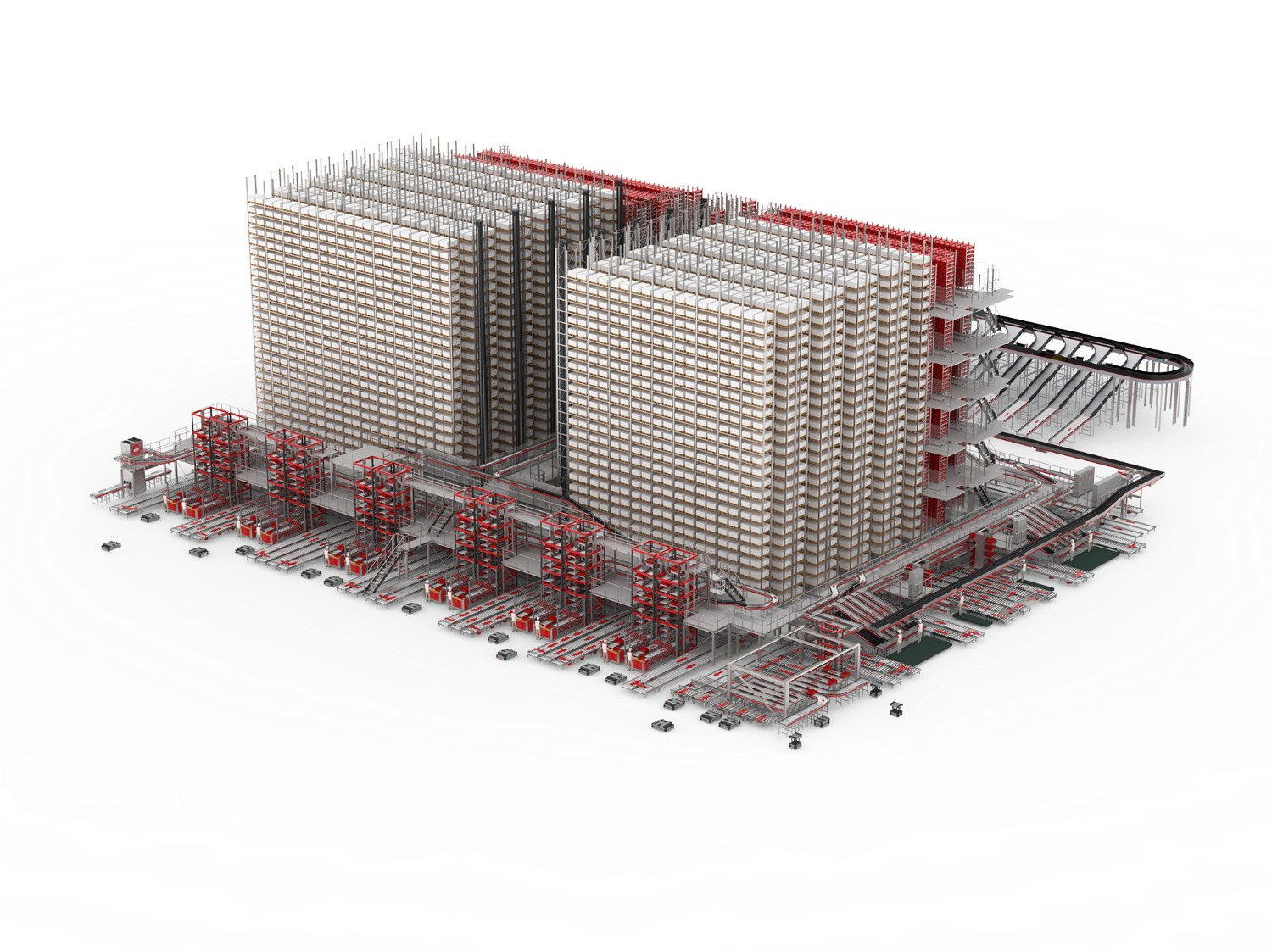
Why a Retrofit Project Modernises Pallet Conveyor System Performance for the Long Term
Estimated reading time: 9 minutes
In the rapidly evolving landscape of global logistics, the pressure to increase throughput while controlling capital expenditure has never been higher. For many established distribution centers and manufacturing hubs in Vietnam and beyond, the heart of the operation—the pallet conveyor system—is often the oldest component. While these systems are built for durability, they eventually become bottlenecks as technology advances and consumer demands for speed intensify. This is where a strategic Retrofit Project Modernises Pallet Conveyor System infrastructure, offering a cost-effective alternative to complete replacement.
Retrofitting is no longer just about repairing old parts; it is a comprehensive modernization strategy. By integrating modern controls, energy-efficient motors, and advanced sensing technology, companies can transform a legacy asset into a high-performance system. This article explores how a Retrofit Project Modernises Pallet Conveyor System reliability, the emerging trends in system upgrades, and why this approach is becoming the preferred choice for supply chain leaders looking to future-proof their operations without the disruption of a full-scale rebuild.
Table of Contents
- The Strategic Case for Retrofitting vs. Replacement
- Key Trends in Pallet Conveyor System Modernisation
- Operational Impacts: Efficiency, Safety, and ROI
- Practical Lessons for Logistics Managers
- How Scanwell Logistics Vietnam Can Help
- Conclusion
- FAQ
The Strategic Case for a Retrofit Project Modernises Pallet Conveyor System
Deciding whether to repair, retrofit, or replace a material handling system is a critical decision for any logistics manager. A “rip-and-replace” strategy often involves significant downtime, massive capital investment, and the logistical nightmare of rerouting cargo during the construction phase. In contrast, a Retrofit Project Modernises Pallet Conveyor System capabilities by building upon the existing mechanical foundation, which is often still robust and structurally sound.
Modernisation focuses on the “intelligence” of the system. While the steel rollers and frames may last for decades, the electrical components, programmable logic controllers (PLCs), and software systems typically have a much shorter lifecycle. By targeting these specific areas, companies can achieve modern performance metrics at a fraction of the cost of new equipment.
Preserving the Mechanical Foundation
Most pallet conveyors are built to handle heavy loads, often exceeding 1,000kg per pallet. If the physical frame is not warped and the tracks are intact, there is little reason to discard the steel. Modernisation allows businesses to retain this “heavy metal” while upgrading the “brain” of the operation. This approach significantly reduces environmental waste, aligning with global sustainability goals by extending the lifecycle of industrial equipment.
Key Trends in Pallet Conveyor System Modernisation
The logistics industry is currently witnessing a massive shift toward “smart” warehousing. When a Retrofit Project Modernises Pallet Conveyor System today, it usually incorporates several high-tech trends that were unavailable just a decade ago.
- Next-Generation PLCs and Controls: Upgrading to modern controllers allows for faster processing of data and better integration with Warehouse Management Systems (WMS).
- Variable Frequency Drives (VFDs): These devices allow motors to run at varying speeds rather than just “on” or “off.” This reduces wear and tear on mechanical parts and slashes energy consumption.
- IoT and Predictive Maintenance: Modern sensors can track heat, vibration, and noise levels. If a bearing is about to fail, the system alerts maintenance before a breakdown occurs.
- Energy Efficiency Modules: Modernized systems often include “run-on-demand” logic, ensuring the conveyor only moves when a pallet is present, significantly reducing utility costs.
These trends emphasize the shift from reactive maintenance to proactive optimization. By leveraging data, a modernized system provides managers with real-time visibility into throughput rates and potential bottlenecks, allowing for more agile decision-making in the supply chain.
Operational Impacts: Efficiency, Safety, and ROI
The primary goal of any logistics upgrade is to improve the bottom line. When a Retrofit Project Modernises Pallet Conveyor System, the operational impacts are felt across the entire facility.
Increased Throughput and Reliability
Older systems often suffer from “nuisance stops”—small glitches that halt production several times a day. Modernised controls eliminate these issues by providing smoother acceleration and deceleration of pallets. This not only speeds up the average cycle time but also prevents pallets from shifting or spilling, which is a major cause of downtime and product damage.
Enhanced Workplace Safety
Safety standards have evolved. A retrofit allows for the integration of modern light curtains, emergency stop circuits, and better guarding. Furthermore, by reducing the need for manual intervention to “fix” stuck pallets, the risk of workplace injuries is significantly lowered. In the context of Vietnam’s growing labor market, providing a safe, tech-forward environment is also key to staff retention.
Practical Lessons for Logistics Professionals
Executing a successful modernization project requires careful planning. Based on industry best practices, here are several lessons for managers considering a retrofit:
- Conduct a Comprehensive Audit: Before spending a dollar, assess the mechanical health of your system. If the steel is rusted or the rollers are beyond repair, a retrofit might not be viable.
- Plan for Phased Implementation: One of the biggest advantages of retrofitting is that it can often be done in phases (e.g., during weekends or off-peak shifts) to avoid total facility shutdown.
- Focus on Software Compatibility: Ensure that the new PLC and control software can “talk” to your existing Warehouse Control System (WCS) and WMS. Data silos are the enemy of efficiency.
- Calculate the Total Cost of Ownership (TCO): Look beyond the initial price tag. Factor in energy savings, reduced maintenance labor, and the value of increased throughput over the next 5-10 years.
How Scanwell Logistics Vietnam Can Help
At Scanwell Logistics Vietnam, we understand that efficient warehousing is a cornerstone of a successful supply chain. While we are experts in moving freight across oceans and borders, we also recognize that the “last mile” or the “first mile” within a warehouse can make or break a shipment’s timeline. Our team works closely with partners to ensure that the infrastructure supporting your inventory is as robust as the transport networks we manage.
Whether you are looking to optimize your distribution center or seeking a logistics partner who understands the technical nuances of modern supply chains, Scanwell provides the bridge between technology and physical movement.
- Warehousing & Distribution: Integrated solutions that leverage modern technology for maximum inventory accuracy.
- Ocean Freight: Reliable FCL and LCL services connecting Vietnam to global markets.
- Air Freight: Rapid solutions for high-value or time-critical cargo.
- Domestic Logistics: Seamless trucking and last-mile delivery across Vietnam.
- Customs Brokerage: Expert guidance through complex regulatory environments.
Conclusion
A Retrofit Project Modernises Pallet Conveyor System operations by blending the reliability of existing mechanical structures with the power of modern digital intelligence. For logistics leaders in Vietnam, this strategy offers a pathway to increased throughput, enhanced safety, and significant energy savings without the astronomical costs and risks of new construction.
As the global supply chain becomes increasingly digitized, the ability to upgrade legacy equipment will be a key differentiator for competitive businesses. By focusing on smart controls, predictive maintenance, and energy efficiency, companies can ensure their pallet conveyor systems remain an asset rather than a liability for years to come.
Call to Action
Ready to optimize your supply chain from the warehouse floor to the final destination?
Explore Scanwell Logistics Vietnam Services
Contact our experts for a consultation
FAQ
What is the typical ROI for a conveyor retrofit project?
Most companies see a return on investment within 18 to 36 months, driven primarily by reduced energy costs, lower maintenance expenses, and increased throughput capacity.
How long does a retrofit take compared to a new installation?
A retrofit can often be completed in 30-50% less time than a new installation. Since the heavy mechanical framework is already in place, the work focuses on electrical and software components, which can often be implemented during scheduled downtime.
Can old conveyors really support IoT and AI?
Absolutely. By adding modern sensors and upgrading the PLC, an old conveyor can generate all the data needed for AI-driven predictive maintenance and advanced performance analytics.
How does Scanwell Logistics Vietnam support companies with aging infrastructure?
While we specialize in freight and distribution, we consult with our clients on end-to-end efficiency. We help businesses integrate their modernized warehouse systems with our global tracking and transport networks for a truly seamless supply chain.