
















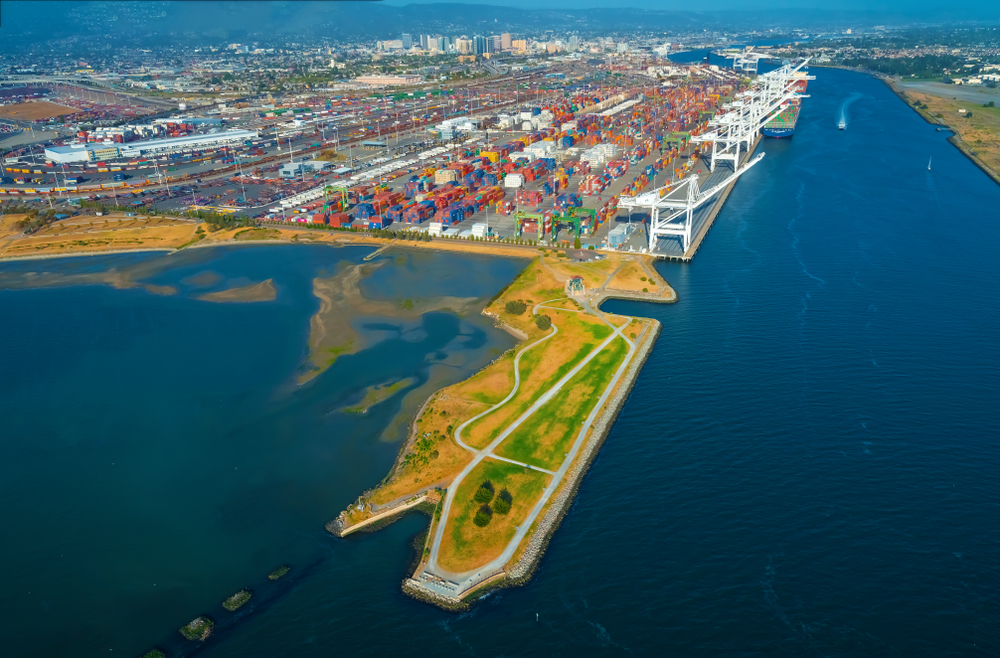
The Port of Oakland the Value of Integrated West Coast Logistics
Estimated reading time: 9 minutes
In the complex machinery of global trade, the choice of entry point into the North American market can make or break a supply chain’s efficiency. While the massive complexes of Los Angeles and Long Beach often dominate the headlines, savvy supply chain managers are increasingly looking north. The Port of Oakland the Value of Integrated West Coast Logistics represents a critical strategic pivot for businesses seeking to diversify their routes, reduce congestion-related delays, and leverage superior intermodal connectivity.
As a primary gateway for Northern California and a vital link in the trans-Pacific trade lane, the Port of Oakland offers more than just dock space; it provides a comprehensive ecosystem designed for the rapid movement of goods. For Vietnamese exporters and global logistics planners, understanding how Oakland integrates with rail, trucking, and warehousing networks is essential. This article explores the evolving landscape of West Coast shipping and why an integrated approach centered on Oakland is becoming a cornerstone of resilient supply chain strategies.
Table of Contents
- The Strategic Position of the Port of Oakland
- The Port of Oakland the Value of Integrated West Coast Logistics
- Operational Excellence: Terminals and Technology
- The Role of Multimodal Connectivity
- Practical Lessons for Logistics Professionals
- How Scanwell Logistics Vietnam Can Help
- Conclusion
- FAQ
The Strategic Position of the Port of Oakland
The Port of Oakland is uniquely positioned as the third-busiest gateway on the U.S. West Coast. Unlike its southern counterparts, Oakland serves as a major export hub, particularly for the high-value agricultural products of California’s Central Valley. This balance between imports and exports creates a unique dynamic in container availability and vessel rotation that logistics managers can use to their advantage.
Located on the eastern shore of the San Francisco Bay, the port provides immediate access to one of the most affluent and tech-heavy consumer markets in the world. For companies shipping electronics, retail goods, or industrial components from hubs like Ho Chi Minh City or Hai Phong, Oakland serves as a streamlined alternative to the often-congested Southern California ports. The geographic advantage extends inland, offering shorter transit times to the Pacific Northwest and the Mountain West regions via robust rail and highway links.
The Port of Oakland the Value of Integrated West Coast Logistics
When we discuss The Port of Oakland the Value of Integrated West Coast Logistics, we are looking at the synergy between maritime operations and inland distribution. Integration in this context means the seamless transition of cargo from a container ship to a line-haul truck or a Class I railroad without the friction of excessive dwell times or administrative bottlenecks.
Oakland’s “integrated” value proposition is built on several key pillars:
- Direct Intermodal Access: The port is served by two major railroads, Union Pacific (UP) and BNSF, which maintain near-dock or on-dock facilities. This allows cargo to move from the quay to the Midwest heartland with minimal handling.
- Proximity to Distribution Hubs: The surrounding East Bay region and the nearby Central Valley host millions of square feet of modern warehousing. This geographic proximity reduces “last-mile” costs and allows for rapid cross-docking operations.
- Export-Import Fluidity: Because Oakland is a significant export point for American produce, shipping lines are highly incentivized to maintain consistent weekly calls, ensuring a steady flow of empty containers for importers and reliable schedules for exporters.
For a supply chain manager, this integration means lower total landed costs. While ocean freight rates to Oakland are generally comparable to LA/Long Beach, the savings are often found in the “soft costs”—lower demurrage risks, faster gate turns for truckers, and more reliable rail departures.
Operational Excellence: Terminals and Technology
The efficiency of the Port of Oakland is driven by its specialized terminals, such as the Oakland International Container Terminal (OICT) and TraPac. These facilities have undergone significant modernization to handle the “mega-ships” that now dominate the trans-Pacific routes.
Investment in taller cranes, strengthened wharves, and expanded gate systems has significantly increased the port’s throughput capacity. Furthermore, the port has embraced digital transformation. Systems that provide real-time data on container status and vessel schedules allow freight forwarders and BCOs (Beneficial Cargo Owners) to plan their drayage and warehousing labor with high precision.
Sustainability as a Competitive Advantage
In today’s regulatory environment, sustainability is no longer optional. The Port of Oakland has been a leader in the “Green Port” movement, implementing aggressive shore-power programs (allowing ships to plug into the electrical grid rather than burning fuel at berth) and incentivizing the use of zero-emission drayage trucks. For logistics partners like Scanwell, these initiatives help our clients meet their corporate social responsibility (CSR) goals while ensuring long-term compliance with California’s stringent environmental standards.
The Role of Multimodal Connectivity
A port is only as good as the roads and rails that lead out of it. Oakland’s integration into the broader West Coast logistics network is facilitated by its position at the nexus of major interstate highways, including I-80, I-880, and I-5. This network provides a direct pipeline to the major consumption centers of the Western United States.
The “Value of Integrated West Coast Logistics” is perhaps most visible in the port’s relationship with the rail industry. By utilizing Oakland as a primary point of entry, shippers can often bypass the “railcar bottlenecks” that occasionally plague Southern California. The ability to switch between truck and rail modes based on current market conditions provides a level of agility that is vital in the volatile post-pandemic shipping environment.
Practical Lessons for Logistics Professionals
Navigating West Coast logistics requires a mix of strategic foresight and tactical flexibility. Based on our experience at Scanwell Logistics Vietnam, here are some actionable insights for optimizing your use of the Port of Oakland:
- Diversify Your Port Mix: Do not rely solely on one gateway. Allocating a portion of your volume to Oakland can serve as a “pressure relief valve” during peak seasons or labor negotiations elsewhere on the coast.
- Monitor Vessel Rotations: Some carriers call Oakland after Los Angeles, while others make it the first port of call. Depending on whether your priority is speed to the warehouse or lower ocean freight costs, choose the rotation that fits your inventory needs.
- Leverage “Cool Port” Facilities: If you are involved in the cold chain (seafood, produce, perishables), Oakland’s specialized “Cool Port” facilities offer world-class transloading and blast-freezing services that are unique on the West Coast.
- Prioritize Visibility: Use digital tracking tools to monitor dwell times. Knowing exactly when a container is “ready for pickup” at an Oakland terminal can save hundreds of dollars in storage fees.
How Scanwell Logistics Vietnam Can Help
As a leading freight forwarder with deep roots in both the Vietnamese manufacturing sector and the North American distribution market, Scanwell Logistics Vietnam is uniquely positioned to help you capitalize on the Port of Oakland’s advantages. We don’t just book freight; we design integrated supply chain solutions that encompass everything from the factory floor in Binh Duong to the final mile in California.
Our team understands the nuances of the trans-Pacific trade and maintains strong relationships with the ocean carriers and terminal operators in Oakland. This allows us to secure space during tight markets and provide our clients with the visibility they need to manage their inventory effectively.
- Ocean Freight: Reliable FCL and LCL services from all major Vietnamese ports to Oakland.
- Integrated Drayage: Seamless truck connections from the Port of Oakland to warehouses across the Western US.
- Warehousing & Distribution: Strategic partnerships near the port for transloading and cross-docking.
- Customs Brokerage: Expert handling of US Customs and Border Protection (CBP) requirements to ensure smooth entry.
- Supply Chain Analytics: Data-driven insights to help you choose the most cost-effective West Coast routes.
Conclusion
In the evolving world of international trade, The Port of Oakland the Value of Integrated West Coast Logistics stands as a testament to the importance of strategic diversification. By integrating maritime, rail, and road transport into a cohesive strategy, businesses can achieve a level of resilience that is impossible when relying on a single, congested gateway.
Oakland offers a unique combination of export-import balance, specialized infrastructure, and superior inland connectivity. For companies shipping from Vietnam to the United States, it represents not just a port of entry, but a competitive advantage. As we look toward the future of supply chains, the ability to move goods through gateways that prioritize fluidity and integration will be the hallmark of successful global brands.
Call to Action
Ready to optimize your West Coast supply chain strategy?
Explore Scanwell Logistics Vietnam Services
Contact our experts for a custom logistics consultation
FAQ
Why should I choose the Port of Oakland over Los Angeles?
While LA/Long Beach has more sailings, Oakland often experiences less terminal congestion and shorter truck turn times. It is particularly advantageous for cargo destined for Northern California, the Pacific Northwest, or the Mountain States.
What types of cargo are best suited for the Port of Oakland?
Oakland is excellent for a wide range of goods, including consumer electronics, apparel, and industrial machinery. It is also a world leader in the handling of temperature-controlled agricultural exports and seafood imports.
How does integrated logistics reduce my costs?
Integrated logistics reduces “hidden” costs like demurrage (storage fees), detention (container late fees), and multiple handling charges. By coordinating the ship, truck, and warehouse through a single partner like Scanwell, you minimize the gaps where delays and extra costs usually occur.
Is there rail service directly from the Port of Oakland?
Yes, Oakland features excellent intermodal facilities served by Union Pacific and BNSF. This allows for efficient “on-dock” or “near-dock” rail transfers to major Midwestern hubs like Chicago, Kansas City, and Memphis.