What is Road Haulage? Understanding its Critical Role in Global and Vietnamese Logistics
Estimated reading time: 8 minutes
In the vast and intricate world of global trade and supply chains, the efficient movement of goods is paramount. At the heart of this movement, connecting origins to destinations, factories to consumers, and ports to inland hubs, lies a fundamental mode of transport: road haulage. For businesses operating within Vietnam and those looking to leverage its strategic position in Southeast Asia, a deep understanding of what is road haulage is not merely academic; it’s a strategic imperative.
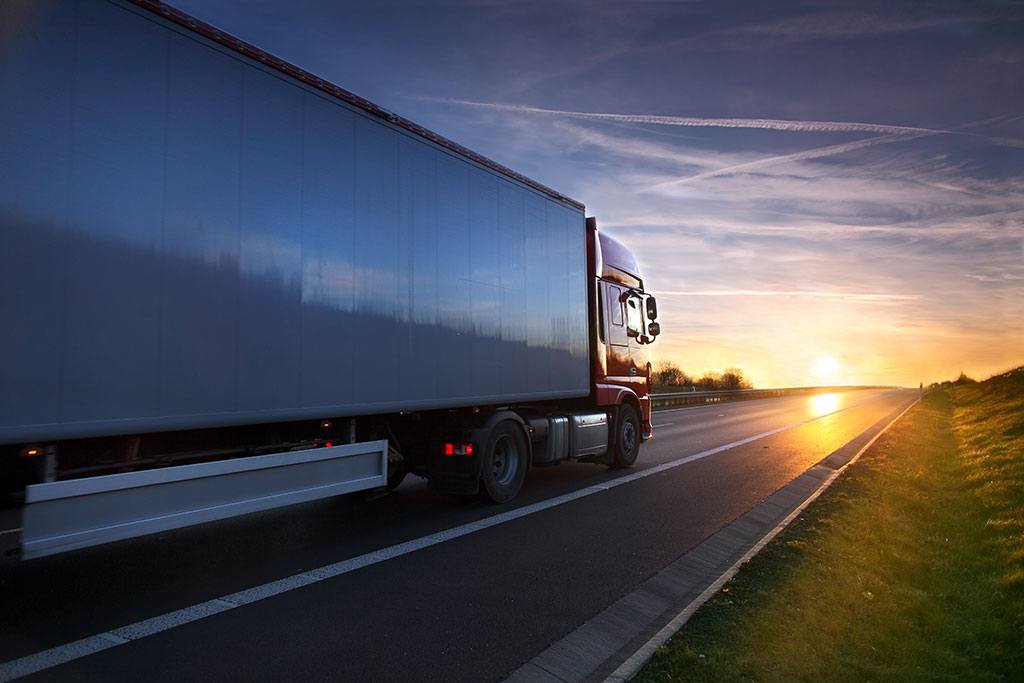
Road haulage refers to the transportation of goods by truck or other heavy vehicles over public roads. It serves as the backbone of countless supply chains, providing the necessary flexibility and reach to deliver products to virtually any accessible location. This article will delve into the essence of road haulage, exploring its definitions, diverse types, the key factors influencing its operations, and its indispensable role in modern logistics, offering practical insights for decision-makers navigating today’s dynamic market.
Table of Contents
- Understanding Road Haulage in the Logistics Context
- Key Types of Road Haulage Services
- Key Factors Influencing Road Haulage Operations
- The Indispensable Role of Road Haulage in the Modern Supply Chain
- Practical Lessons for Logistics Professionals
- How Scanwell Logistics Vietnam Can Help
- Conclusion
- Call to Action
- FAQ
Understanding Road Haulage in the Logistics Context
At its core, what is road haulage? It is simply the transportation of goods using trucks or other heavy vehicles across public road networks. This mode of transport forms the foundation of modern logistics, facilitating the movement of virtually every type of commodity, from raw materials to finished products. The term “haulage” itself is derived from the old English word “haugan,” meaning “to carry” or “to lift,” perfectly encapsulating the primary function of this service: lifting and carrying goods from one point to another.
Road haulage is a critical component of the overall logistics supply chain. It enables seamless connectivity between various nodes, such as factories, warehouses, distribution centers, ports, airports, and retail outlets. Unlike other modes of transport which may have fixed routes or limited accessibility, road haulage offers unparalleled flexibility. Trucks can travel directly to the precise pick-up and delivery points, making it an ideal choice for both short-distance deliveries and long-distance transportation. This directness significantly reduces delivery times and enhances overall supply chain efficiency, especially when utilizing highways and interstates.
Companies engaged in road haulage often operate their own dedicated fleets, managing drivers, maintenance, and routing internally. However, it is also common for businesses to contract third-party logistics (3PL) providers, like Scanwell Logistics Vietnam, to handle their road transport needs. These providers leverage their expertise, infrastructure, and networks to offer flexible and cost-effective solutions, allowing businesses to focus on their core competencies without the overhead of fleet management.
Key Types of Road Haulage Services
The diverse needs of businesses lead to various specialized forms of road haulage services, each designed to optimize the transportation of specific freight volumes or types. Understanding these distinctions is crucial for selecting the most appropriate and cost-effective solution for your logistics requirements.
Full Load Carriage (FCL Haulage)
-
Definition: Full Load Carriage, often referred to as Full Truckload (FTL) in many regions, involves the exclusive use of an entire truck or trailer for a single shipment. The goods, which can range from a few pallets to multiple containers, occupy the full capacity of the vehicle. -
Benefits: This option is highly efficient for large volumes, as it minimizes handling, reduces transit times, and typically offers a dedicated route from origin to destination. It is ideal for time-sensitive shipments or goods that require specific handling or security protocols.
Part Load Carriage (LCL/LTL Haulage)
-
Definition: Part Load Carriage, or Less-than-Truckload (LTL), is designed for smaller businesses or companies with limited freight volumes that do not require an entire truck. In this model, multiple smaller shipments from different customers are consolidated into one truck. -
Benefits: The primary advantage here is cost-effectiveness. Businesses only pay for the space their goods occupy within the truck, sharing the overall transportation cost with other shippers. While transit times might be slightly longer due to multiple stops for pick-ups and deliveries, it provides an economical solution for smaller consignments.
Intermodal Transportation
-
Definition: Intermodal transportation integrates road haulage with other modes of transport, such as rail, ocean freight, or air cargo, to move goods over long distances. Trucks are typically used for the “first mile” and “last mile” segments, connecting to or from major transport hubs like ports, railway terminals, or airports. -
Benefits: This approach combines the strengths of different modes. For example, rail transport offers cost efficiency for long hauls, while trucks provide flexibility for door-to-door delivery. It’s a strategy often employed for sustainable logistics, leveraging lower emissions from rail or sea for the majority of the journey.
Key Factors Influencing Road Haulage Operations
The road haulage industry, despite its essential nature, operates within a dynamic environment shaped by a multitude of external and internal factors. These factors can significantly impact operational efficiency, cost structures, and service delivery, making strategic planning and adaptability crucial for logistics managers.
Fuel Prices and Volatility
Fuel is one of the largest operating costs for any road haulage business. Fluctuations in global crude oil prices directly translate into volatile fuel prices at the pump, affecting profitability and pricing strategies. Economic and geopolitical events can cause rapid and unpredictable changes, requiring hauliers to implement robust fuel management strategies, including fuel hedging, route optimization, and investment in fuel-efficient vehicles.
Traffic Congestion
Traffic congestion, particularly in urban centers and on major trade arteries, poses a significant challenge. It leads to increased transit times, higher fuel consumption, greater vehicle wear and tear, and missed delivery windows. The economic cost of congestion is substantial, impacting productivity and customer satisfaction. Advanced route planning software, real-time traffic monitoring, and off-peak delivery strategies are vital tools to mitigate these effects.
Regulatory Changes
The road haulage industry is heavily regulated to ensure safety, fair competition, and environmental protection. Regulatory changes can originate from national, regional, or international bodies and impact various aspects:
- Hours-of-Service (HOS) Rules: These regulations limit the amount of time drivers can spend behind the wheel, primarily for safety reasons. While crucial for preventing driver fatigue, they can constrain scheduling and require careful planning of routes and breaks.
- Vehicle Weight and Dimension Limits: Restrictions on cargo weight and vehicle dimensions vary by region and directly influence loading capacity and the type of vehicles that can be used.
- Licensing and Permits: Compliance with various permits, licenses, and certifications for drivers and vehicles is mandatory, especially for cross-border operations.
Environmental Regulations
With increasing global awareness of climate change, environmental regulations are becoming stricter. The road haulage sector is under pressure to reduce its carbon footprint. Key areas include:
- Emission Standards: Regulations like Euro standards for vehicles dictate permissible levels of pollutants. This pushes operators to invest in newer, cleaner vehicles or retrofit existing fleets.
- Sustainable Practices: There’s a growing push for green logistics, including optimizing routes to reduce mileage, using alternative fuels, and exploring electric or hybrid heavy-duty vehicles, though widespread adoption faces infrastructure and cost hurdles.
The Indispensable Role of Road Haulage in the Modern Supply Chain
Understanding what is road haulage inevitably leads to appreciating its irreplaceable function within the modern global supply chain. Far from being a mere transport option, road haulage acts as the connective tissue that binds various logistics components together, ensuring fluidity and efficiency in the movement of goods. Its flexibility and accessibility make it a cornerstone for numerous logistical operations.
Connecting Warehousing and Distribution Networks
Road haulage is paramount in the realm of warehousing and distribution. It facilitates the movement of goods from manufacturing plants to distribution centers, and subsequently from these centers to retail stores or end-consumers. Without efficient road transport, the strategic location and functionality of warehouses would be severely hampered. It is the primary method for stock replenishment, inter-warehouse transfers, and direct-to-store deliveries, forming the circulatory system of a robust distribution network.
First-Mile and Last-Mile Delivery
One of the most critical roles of road haulage is in handling both the ‘first mile’ and ‘last mile’ segments of the supply chain.
- First Mile: This involves transporting goods from the manufacturer or supplier to the initial consolidation point, such as a port, airport, or major distribution hub. Road transport offers the flexibility to pick up goods directly from various production sites.
- Last Mile: Often the most complex and expensive part of the delivery process, the last mile involves moving goods from a transportation hub to the final delivery destination. Road haulage, particularly smaller trucks and vans, is the only practical solution for reaching residential areas, retail outlets, and diverse business locations. This is where the direct door-to-door capability of road transport truly shines.
Interfacing with Other Transport Modes
As highlighted in intermodal transportation, road haulage serves as a vital feeder and distributor for other modes. It provides the crucial link to and from seaports for ocean freight, airports for air cargo, and rail terminals for rail freight. This multimodal integration ensures that goods can transition smoothly between different transport methods, leveraging the cost-effectiveness of sea or rail for long distances and the speed and flexibility of road for localized delivery.
Flexibility, Speed, and Cost-Effectiveness
Compared to other modes, road haulage often offers superior flexibility in terms of routing, scheduling, and direct delivery. For many shorter to medium distances, it also provides an optimal balance between speed and cost. Its ability to handle diverse cargo types, from standard pallets to oversized loads and temperature-controlled goods, further solidifies its position as a versatile and indispensable component of modern logistics. In regions like Vietnam, with developing infrastructure and a sprawling manufacturing base, robust road networks are crucial for sustaining economic growth and facilitating domestic and international trade.
Practical Lessons for Logistics Professionals
Navigating the complexities of road haulage requires a proactive and strategic approach. For logistics and supply chain managers, implementing best practices can significantly enhance efficiency, reduce costs, and improve customer satisfaction.
- Optimize Routes with Technology: Leverage advanced route optimization software that considers real-time traffic, road conditions, HOS regulations, and delivery windows. This minimizes mileage, fuel consumption, and transit times, directly combating issues like traffic congestion and rising fuel costs.
- Forge Strong Carrier Partnerships: Work with reputable and reliable haulage partners. Building long-term relationships can lead to better service, more competitive rates, and increased flexibility during peak seasons or unforeseen disruptions. A trusted partner understands your needs and can adapt quickly.
- Prioritize Compliance and Safety: Stay updated on all relevant regulatory changes, including emission standards, HOS rules, and local permits. Non-compliance can lead to hefty fines, delays, and reputational damage. Implement rigorous safety protocols for drivers and vehicles to protect assets and lives.
- Embrace Data-Driven Decision Making: Utilize telematics and IoT devices to gather data on vehicle performance, driver behavior, and delivery metrics. Analyze this data to identify inefficiencies, optimize processes, and make informed decisions about fleet management, maintenance schedules, and overall operational improvements.
- Strategize for Load Optimization: Maximize vehicle capacity for both Full Load and Part Load shipments. For Part Load, efficient consolidation strategies can significantly reduce costs. For Full Load, ensuring every shipment truly utilizes the available space avoids wasted resources.
- Invest in Sustainable Practices: Explore fuel-efficient vehicle technologies, alternative fuels, and strategies to reduce empty backhauls. While often requiring initial investment, these practices can lead to long-term cost savings, improved brand image, and compliance with evolving environmental regulations.
- Enhance Communication and Visibility: Implement systems that provide real-time tracking and communication with drivers and customers. Proactive updates on shipment status, potential delays, and successful deliveries significantly improve customer satisfaction and allow for quicker problem resolution.
How Scanwell Logistics Vietnam Can Help
At Scanwell Logistics Vietnam, we understand that efficient road haulage is not just about moving goods; it’s about connecting businesses, ensuring timely deliveries, and building resilient supply chains. Leveraging our extensive experience and deep understanding of the Vietnamese and regional logistics landscape, we offer comprehensive road transport solutions designed to address the challenges and opportunities of modern freight forwarding.
Whether your needs involve intricate domestic distribution, seamless cross-border trucking, or critical first-and-last-mile connections for your international shipments, our team is equipped to provide tailored, cost-effective, and reliable services. We combine local expertise with global standards, ensuring your cargo moves efficiently and compliantly, every step of the way.
- Comprehensive domestic and cross-border trucking services across Vietnam and into neighboring countries.
- Flexible Full Load (FTL) and Part Load (LTL) solutions to match your cargo volume and budget.
- Integrated intermodal solutions, seamlessly connecting road transport with ocean freight and air cargo for optimized long-haul efficiency.
- Efficient first-mile and last-mile delivery services, ensuring smooth transitions from ports/airports to your final destination.
- Advanced planning and real-time tracking capabilities for enhanced visibility and control over your shipments.
- Expert customs brokerage and compliance support for hassle-free cross-border movements.
Conclusion
The question of what is road haulage reveals much more than just the simple act of transporting goods by truck. It highlights a complex, vital, and continuously evolving sector that underpins the entire global supply chain. From its origins as a fundamental act of carrying to its modern role as a sophisticated network component, road haulage remains indispensable for connecting industries, markets, and consumers worldwide.
While the industry faces ongoing challenges such as fluctuating fuel prices, increasing traffic congestion, and evolving regulatory landscapes, it also presents significant opportunities for innovation and efficiency gains. By embracing technological advancements, fostering strategic partnerships, and committing to sustainable practices, logistics leaders can navigate these complexities and leverage road haulage as a powerful competitive advantage.
For businesses in Vietnam and beyond, understanding and strategically managing road haulage is crucial for building resilient, cost-effective, and agile supply chains that can adapt to future demands. The future of logistics will undoubtedly continue to rely heavily on the robust and flexible capabilities of road transport.
Call to Action
Ready to turn these logistics insights into real competitive advantages?
Explore Scanwell Logistics Vietnam
Contact our experts for tailored support
FAQ
What is the primary difference between Full Load and Part Load carriage?
Full Load carriage (FTL) dedicates an entire truck to a single shipment, offering faster transit times and less handling. Part Load carriage (LTL) combines multiple smaller shipments from different customers into one truck, which is more cost-effective for smaller volumes but may involve more stops and slightly longer transit times.
How do fuel prices impact road haulage costs?
Fuel is a major operational expense for road haulage. Fluctuations in fuel prices directly affect the overall cost of transportation, often leading to adjustments in freight rates (e.g., through fuel surcharges). Haulage companies often employ strategies like route optimization and investing in fuel-efficient vehicles to mitigate these impacts.
What are the main challenges facing the road haulage industry today?
Key challenges include volatile fuel prices, increasing traffic congestion, strict and evolving regulatory changes (like hours-of-service and emission standards), driver shortages, and the need for continuous technological investment to remain competitive and efficient.
How does road haulage contribute to intermodal transportation?
Road haulage is critical for intermodal transportation by providing the “first mile” and “last mile” connectivity. Trucks transport goods to and from major hubs like seaports, airports, and rail terminals, allowing them to leverage the cost-effectiveness of ocean or rail for long distances while retaining the flexibility of road for door-to-door delivery.
How can businesses optimize their road haulage operations in Vietnam?
To optimize road haulage in Vietnam, businesses should focus on partnering with experienced local logistics providers like Scanwell Logistics Vietnam, who can offer route optimization, ensure compliance with local regulations, leverage intermodal options where beneficial, and provide real-time tracking for enhanced visibility. Utilizing a robust 3PL partner helps manage complexities and ensures efficient, reliable transport.