Transloading in Logistics: Is It Right for Your Supply Chain?
Estimated reading time: 8 minutes
In today’s fast-paced logistics environment, businesses are continually seeking strategies to enhance operational efficiency and adaptability. One such strategy that has gained traction is transloading in logistics. Transloading involves transferring cargo from one mode of transportation to another, offering potential advantages in terms of cost savings and streamlined processes. But is it the right choice for your supply chain? In this article, we will delve into the benefits, challenges, and considerations surrounding transloading, to help you determine its alignment with your supply chain goals.
This topic is particularly relevant in light of ongoing challenges within global supply chains, including congestion, fluctuating shipping routes, and the need for flexibility in logistics operations. By understanding the intricacies of transloading, logistics and supply chain managers can make informed decisions that pave the way for improved efficiency and customer satisfaction.
Table of Contents
- Background and Context
- Key Trends and Data Shaping Transloading
- Impacts on Logistics Operations
- Practical Lessons for Logistics Professionals
- How Scanwell Logistics Vietnam Can Help
- Conclusion
- FAQ
Understanding Transloading in the Logistics Context
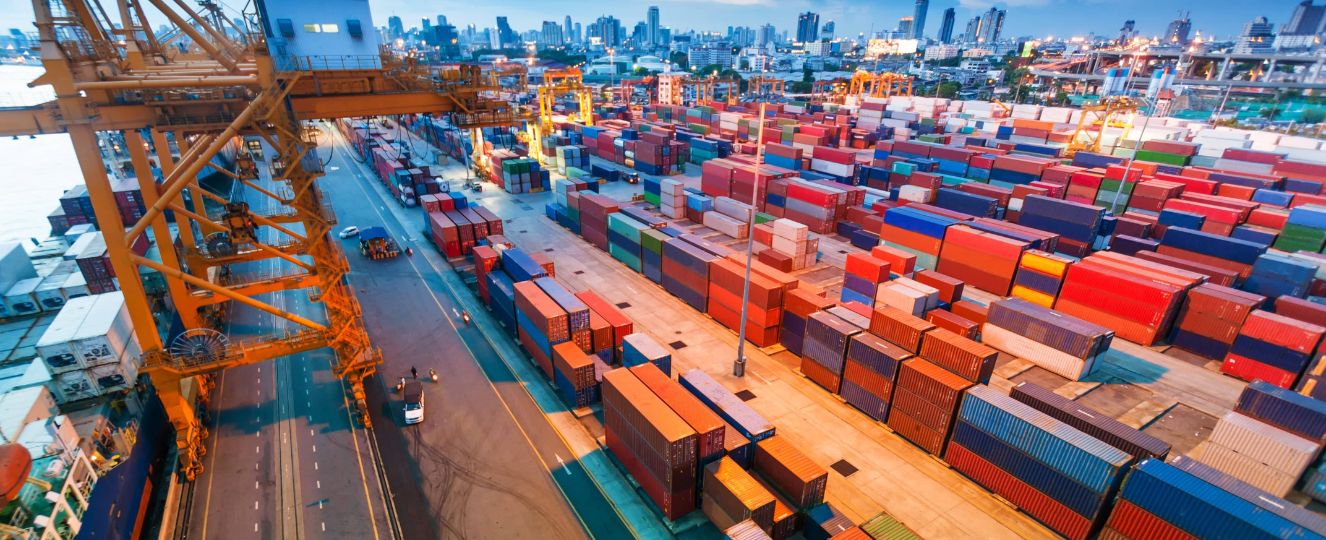
Transloading is a logistics strategy designed to improve supply chain efficiency by transferring cargo between different modes of transportation. This method is particularly beneficial for businesses managing complex supply chains that involve multiple transportation modalities, such as trucks, trains, and ships. By leveraging transloading, companies can navigate constraints like limited shipping routes, thereby expanding their distribution networks.
One notable advantage of transloading is the reduced dwell time at terminals. Efficient handovers between different transportation modes help maintain the flow of goods and decrease shipping times. Additionally, transloading allows for better utilization of transport vehicles by consolidating shipments, which enhances cost-effectiveness and reduces the environmental footprint of logistics operations.
Key Trends and Data Shaping Transloading
Several trends currently influence the efficiency and adoption of transloading in logistics:
- An increase in congestion at major shipping ports has prompted companies to explore alternative solutions, including transloading.
- The evolving demands of e-commerce have led to a need for more flexible and responsive supply chains, making transloading an attractive option.
- Advancements in logistics technology are facilitating better management of transloading processes by enabling real-time tracking and coordination.
Operational Impacts on Logistics and Supply Chains
While transloading presents numerous benefits, it also carries operational implications that must be carefully managed. Effective logistics coordination is critical; disruptions to schedules or equipment can lead to delays and increased costs. Companies must invest in strong communication practices and technology systems to ensure that each transfer is executed seamlessly.
Additionally, the risk of cargo damage increases with the handling required during transloading operations. Businesses must establish robust training and operational processes to minimize the potential for mishandling during transfers, thereby safeguarding both the cargo and the reputation of the company.
Practical Lessons for Logistics Professionals
To successfully implement transloading, logistics professionals should consider the following best practices:
- Evaluate your shipping routes and determine if direct connections are limited, indicating a potential need for transloading.
- Assess the frequency of your shipments and the types of goods moved—high-volume and specialized items often justify the flexibility that transloading offers.
- Conduct a thorough financial analysis to weigh the benefits of transloading against any potential additional costs associated with increased handling.
- Consider the locations of your suppliers and customers in relation to available transloading terminals to optimize efficiency.
How Scanwell Logistics Vietnam Can Help
At Scanwell Logistics Vietnam, we specialize in providing tailored logistics solutions that include efficient transloading services. Our ability to seamlessly integrate ocean freight, air cargo, and warehousing solutions allows your supply chain to maximize flexibility and responsiveness in a rapidly changing market.
With our extensive network of transloading terminals and state-of-the-art tracking systems, we ensure that your goods are managed efficiently throughout their journey. Our services include:
- Ocean freight (FCL/LCL on key trade lanes).
- Air freight solutions for time-sensitive cargo.
- Warehousing, distribution, and value-added services.
- Domestic and cross-border trucking.
- Customs brokerage and trade compliance support.
Conclusion
In summary, transloading offers a viable option for enhancing logistics efficiency in complex supply chains. By reducing dwell times, optimizing transport capacity, and providing flexibility in shipping routes, companies can better respond to changing market conditions. However, successful transloading implementation requires careful consideration of operational challenges and risks.
Logistics leaders should weigh the potential benefits of transloading against their operational dynamics to ensure alignment with their strategic supply chain goals, ultimately enabling improved efficiency and value delivery to customers.
Call to Action
Ready to turn these logistics insights into real competitive advantages?
Explore Scanwell Logistics Vietnam
Contact our experts for tailored support
FAQ
What constitutes a transloading operation?
A transloading operation is defined by the transfer of cargo between different modes of transportation, such as from a ship to a truck or rail system, facilitating a more efficient logistics process.
What are the risks associated with transloading?
Risks include potential cargo damage due to increased handling, and mismanagement during the transfer process, both of which can lead to delays and increased costs.
How can logistics teams evaluate the need for transloading?
Logistics teams should assess their shipping routes, frequency of shipments, volume and type of goods, cost implications, and proximity to transloading terminals to determine if transloading is appropriate for their operations.