Modes of Transportation in Logistics: Which is Right for Your Logistics Needs?
Estimated reading time: 8 minutes
Choosing the appropriate mode of transportation is fundamental in logistics, influencing efficiency, costs, and customer satisfaction. The logistics industry encompasses various transportation modes, including road, rail, air, and sea—each offering a set of advantages and challenges that businesses must navigate. By understanding these variations, organizations can make informed decisions tailored to their specific logistics needs.
This topic is especially relevant in today’s fast-paced market environment, where changing consumer demands and the rise of e-commerce require agile logistics solutions. In this article, we will explore the different transportation modes available in logistics, key trends, challenges faced, and opportunities that arise when selecting the most suitable mode for your business.
Table of Contents
- Understanding Transportation Modes in Logistics
- Key Trends Influencing Transportation Choices
- Impacts on Logistics Operations
- Practical Lessons for Logistics Professionals
- How Scanwell Logistics Vietnam Can Help
- Conclusion
- FAQ
Understanding Transportation Modes in Logistics
The logistics sector utilizes four primary modes of transportation: Road, Rail, Air, and Sea. Each mode plays a significant role in the overall logistics framework.
Road Transport is the most flexible and widely used approach for domestic deliveries. It allows for door-to-door service, making it particularly effective for short-distance deliveries. Road transport handles various cargo types, including perishables and oversized goods. However, its efficiency can be hampered by traffic, adverse weather conditions, and regulatory challenges. As the e-commerce industry burgeons, road transport increasingly supports last-mile delivery.
On the other hand, Rail Transport is a cost-effective solution for long-distance shipments, especially for heavy and bulk goods. It experiences fewer interruptions from traffic conditions and can accommodate significant volumes, thereby reducing overall transportation expenses. Yet, rail logistics may introduce complexities, such as needing transfers to road transport for final delivery and having limited routing options.
Air Transport stands out as the fastest option, making it suited for urgent deliveries and high-value goods. However, as a premium mode, it is considerably more expensive than the alternatives, making it less feasible for low-margin products. Moreover, air freight is affected by fluctuating fuel prices and stricter regulatory compliance.
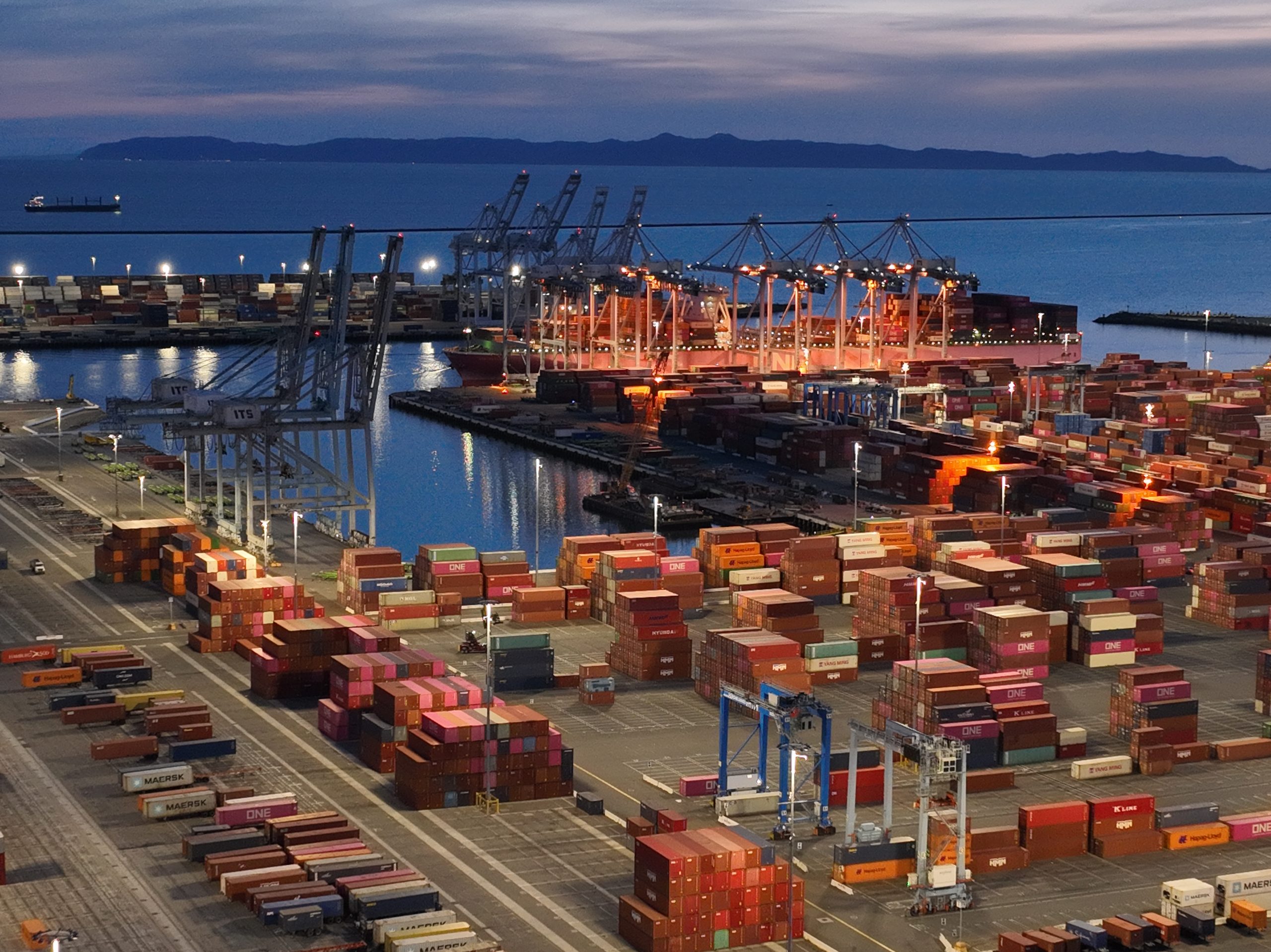
Finally, Sea Transport is crucial for international trade, offering cost-effective solutions for transporting high volumes of goods over long distances. It’s particularly advantageous for bulk shipments of raw materials and manufactured items. However, long transit times can be a drawback for businesses needing quick turnaround times, and factors such as port congestion and customs delays can complicate logistics.
Key Trends Influencing Transportation Choices
As the logistics landscape evolves, several prevailing trends influence the selection of transportation modes:
- **Cost**: Businesses must evaluate their budget and identify the most cost-effective options for their logistical needs. Although cheaper modes like rail or sea might be slower, they are usually preferred for bulk transport.
- **Speed**: Urgency plays a critical role; air transport is ideal for timely shipments but comes with a higher price tag. Efficient inventory management hinges on understanding delivery timelines.
- **Volume and Weight**: The characteristics of the cargo dictate the best transport mode. Heavy or bulky shipments are more suited for rail or sea, whereas lighter packages can be effectively transported by road or air.
- **Route Accessibility**: Route availability can significantly affect delivery times and costs. Companies must analyze their supply chain requirements relative to the route options for each mode.
- **Environmental Considerations**: As sustainability becomes paramount, companies are increasingly mindful of their transportation’s environmental impact, prioritizing greener options where possible.
- **Technology**: Innovations in logistics technology enhance transportation processes. Tools such as real-time tracking and shipment visibility provide valuable insights and improve efficiency.
- **Regulatory Compliance**: Each mode of transport is governed by different regulations. Companies must stay informed about requirements regarding safety, emissions, and customs to prevent fines and delays.
Impacts on Logistics Operations
The choice of transportation mode directly affects logistics operations in several ways:
– **Freight Forwarding**: The selection between air, rail, road, or sea dictates the forwarding pathways, which involves managing associated costs, timeframes, and infrastructure needs.
– **Warehousing and Inventory Planning**: Understanding transportation modalities informs inventory control strategies, optimizing warehouse space while meeting customer demands promptly.
– **Customer Expectations**: With the surge in e-commerce, customers now expect faster deliveries. The ability to navigate various transportation modes effectively is critical to satisfying these expectations.
– **Operational Efficiency**: The right mode reduces transit times, increases delivery reliability, and can mitigate costs. Well-planned logistics means improved overall efficiency within the supply chain.
Practical Lessons for Logistics Professionals
Here are some actionable recommendations for logistics practitioners when selecting transportation modes:
- Analyze your transport planning and carrier selection processes regularly to optimize routes and costs.
- Assess your warehousing needs based on expected volume, product types, and delivery timelines for better inventory management.
- Adopt relevant logistics technologies to enhance operational transparency and streamline shipping processes.
- Keep communication lines open with customers to manage expectations around delivery times and logistics intricacies.
How Scanwell Logistics Vietnam Can Help
At Scanwell Logistics Vietnam, we understand the complexities involved in choosing the right transportation mode for your logistics needs. Our extensive experience in ocean freight, air freight, and warehousing services allows us to provide tailored solutions that meet diverse logistical requirements. Our commitment to leveraging technology enables enhanced tracking and visibility, ensuring your shipments are handled with efficiency and precision.
- Ocean freight (FCL/LCL on key trade lanes).
- Air freight solutions for time-sensitive cargo.
- Warehousing, distribution, and value-added services.
- Domestic and cross-border trucking.
- Customs brokerage and trade compliance support.
Conclusion
In summary, selecting the appropriate mode of transportation for logistics presents several considerations including cost, speed, volume, route accessibility, technology integration, and environmental impact. Each mode—whether road, rail, air, or sea—offers unique advantages that must be aligned with business needs and objectives. As the logistics landscape continues to evolve, it’s essential for leaders in the industry to stay informed about these dynamics to ensure strategic alignment.
By making informed decisions regarding transportation modes, companies can achieve not only cost savings but also increased customer satisfaction and competitive advantages in the marketplace.
Call to Action
Ready to turn these logistics insights into real competitive advantages?
Explore Scanwell Logistics Vietnam
Contact our experts for tailored support
FAQ
What factors should I consider when choosing a transportation mode?
Consider cost, speed, volume, route accessibility, environmental impact, and regulatory compliance when selecting the best transportation mode for your logistics needs.
How do I decide between air and sea freight?
If your shipment is time-sensitive and high-value, air freight might be ideal despite its higher cost. Conversely, for bulk goods and cost sensitivity, sea freight is a better choice.
Can technology enhance my logistics operations?
Yes, implementing technology such as real-time tracking and inventory management systems can significantly streamline shipping processes and enhance operational efficiency.