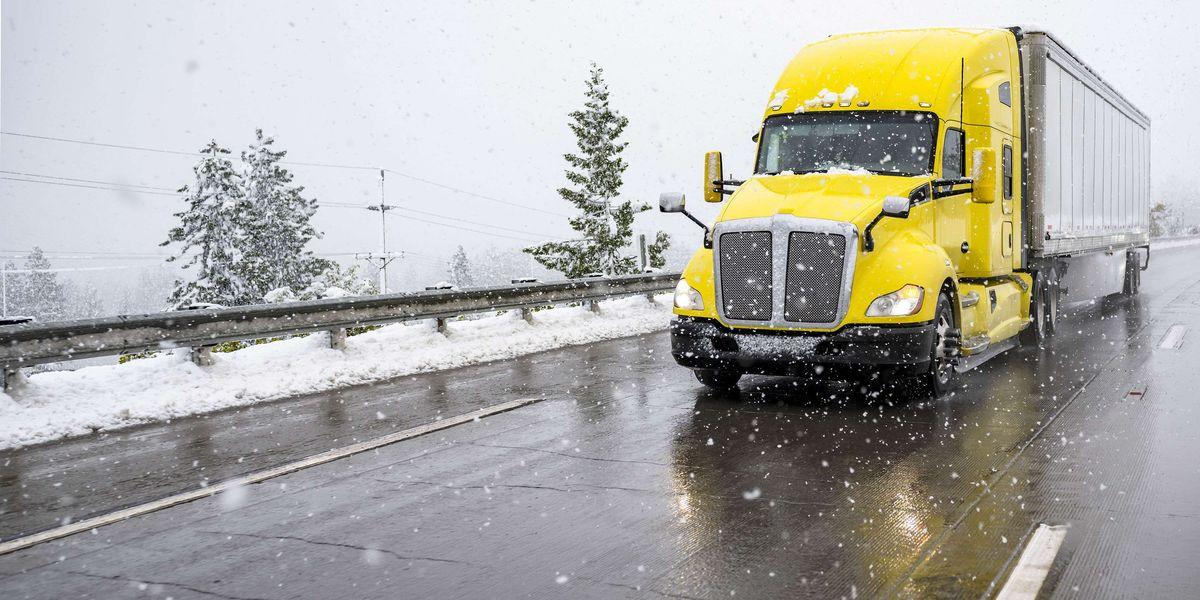
Stay Current on Snow and Ice Removal Laws: Critical Compliance for Supply Chain Resilience
Estimated reading time: 8 minutes
As the seasons shift and winter weather introduces its unique set of challenges, the logistics industry faces a constant imperative to adapt and ensure operational continuity. For businesses operating or shipping goods through colder climates, a seemingly straightforward aspect like snow and ice removal can become a complex regulatory and safety issue. Staying current on snow and ice removal laws is not merely a suggestion; it’s a critical compliance requirement that directly impacts fleet safety, operational efficiency, and overall supply chain resilience.
While the direct experience of heavy snowfall might be rare for logistics operations based in Vietnam, the global nature of modern supply chains means that Vietnamese businesses and their international partners must be acutely aware of regulations in regions where their cargo travels. These laws, predominantly enforced in countries experiencing harsh winters, are designed to protect drivers, prevent accidents, and maintain the flow of commerce. Failing to comply can lead to significant financial penalties, legal liabilities, and, most importantly, jeopardized safety for personnel and cargo. This article delves into the specifics of these laws, their far-reaching implications for logistics management, and strategic approaches to maintain compliance and robust operations.
Table of Contents
- Understanding the Imperative: Why Snow and Ice Removal Laws Matter for Logistics
- Key Regulations and Their Implications for Trucking Operations
- Operational Challenges and Best Practices in Winter Logistics
- Broader Supply Chain Impacts: Beyond the Roadway
- Leveraging Technology and Data for Winter Preparedness
- Practical Lessons for Logistics Professionals
- How Scanwell Logistics Vietnam Can Help
- Conclusion
- Call to Action
- FAQ
Understanding the Imperative: Why Snow and Ice Removal Laws Matter for Logistics
At its core, the requirement to remove snow and ice from commercial vehicles is about public safety and operational efficiency. Large trucks, especially tractor-trailers, can accumulate significant amounts of snow and ice on their roofs, trailers, and wheel wells. As a truck travels at highway speeds, this accumulated ice can become airborne, posing extreme hazards to other vehicles and pedestrians. A sheet of ice dislodged from a trailer roof can shatter windshields, cause loss of control, and lead to severe accidents, including injury or even death. This is precisely why many jurisdictions have enacted specific legislation.
For logistics companies and freight forwarders, the existence of these laws necessitates a proactive approach to fleet management and driver training. It’s not just about avoiding fines; it’s about upholding a commitment to safety, minimizing risks, and ensuring the integrity of the supply chain. Businesses that neglect these regulations face not only direct financial penalties but also potential civil lawsuits, increased insurance premiums, reputational damage, and operational disruptions stemming from accidents or vehicle impoundment. For supply chain managers, this translates into potential delays, increased costs, and a heightened need for robust risk management strategies, especially during peak winter seasons in regions prone to snow and ice.
Key Regulations and Their Implications for Trucking Operations: Staying Current on Snow and Ice Removal Laws
The regulatory landscape for snow and ice removal varies significantly by state and country. While a universal federal law might not cover all aspects across different nations, many individual states, particularly in North America, have explicit mandates. It is crucial for carriers, fleet managers, and individual truck drivers to meticulously stay current on snow and ice removal laws for every jurisdiction they operate within.
State-Specific Laws in the US
Several US states have robust regulations concerning snow and ice accumulation on vehicles, particularly commercial trucks. These laws often come with substantial penalties to deter non-compliance:
- New Jersey: This state mandates that drivers completely clear their vehicles of snow and ice before operating on public roadways. Non-compliance by commercial vehicles can result in fines reaching up to $1,500. This emphasizes the need for comprehensive pre-trip inspections and dedicated clearing procedures.
- Pennsylvania: Similar to New Jersey, Pennsylvania requires drivers to remove snow and ice from their vehicles before driving on highways. The penalties here are severe; if dislodged snow or ice causes injury or death to another person, drivers can face fines up to $1,500. This highlights the serious safety and liability risks involved.
- Connecticut: This state also has a law mirroring New Jersey and Pennsylvania, making it mandatory for drivers to clear snow and ice from their vehicles before hitting the road.
Beyond these states with explicit full-vehicle clearing requirements, others focus on maintaining clear visibility:
- New York & Alaska: Both states make it illegal to operate a vehicle with snow or ice obstructing the driver’s view, particularly on the windshield. This directly impacts driver safety and the ability to react to road conditions.
- Georgia, Iowa, Michigan, & Nebraska: In these states, law enforcement officers possess the discretion to issue citations if a vehicle is deemed a danger due to snow or ice accumulation. This broadens the scope of risk, as interpretation can vary, stressing the need for drivers to err on the side of caution.
Implications for Logistics and HR Management
For logistics companies, these regulations carry significant implications for driver management and operational planning:
- Financial Risks: Fines, as seen in New Jersey and Pennsylvania, can quickly add up, eroding profit margins for carriers. Repeated violations can lead to increased scrutiny, higher insurance costs, and even license suspension.
- Legal and Liability Concerns: Beyond fines, severe incidents involving dislodged ice can lead to civil lawsuits for damages, personal injury, or wrongful death. Companies can be held liable for negligence if they do not provide adequate procedures or equipment for snow removal.
- Worker Safety Provisions: A crucial consideration highlighted in the research is that drivers cannot be required to climb on top of their rigs to remove snow without violating worker-safety provisions. This means companies must provide safe alternatives, such as designated clearing stations, elevated platforms, or specialized equipment, to ensure drivers can perform this task without undue risk. This aspect is vital for HR departments in logistics, ensuring compliance with occupational safety standards.
- Driver Morale and Retention: Expecting drivers to perform dangerous snow removal tasks without proper support can negatively impact morale and contribute to driver turnover, a significant challenge in the trucking industry.
Operational Challenges and Best Practices in Winter Logistics
Winter weather presents a myriad of operational challenges beyond legal compliance, demanding sophisticated planning and adaptable strategies from logistics providers. Heavy snowfall, freezing rain, and ice accumulation can cause widespread delays, route disruptions, and increase the risk of accidents.
Addressing Snow and Ice Buildup
While snow on the roof of a trailer is a visible hazard, the research highlights other critical areas of accumulation. The buildup of ice and snow behind the tires on mud flaps and within wheel wells can be just as dangerous. This accumulation can freeze solid, restricting wheel movement, damaging tires, or breaking off in large chunks, again posing risks to other road users. Therefore, comprehensive clearing must extend to these often-overlooked areas.
Strategic Approaches for Removal
The research provides practical best practices that can be integrated into fleet operating procedures:
- Timing is Key: If possible, advise drivers to wait until later in the day to attempt clearing vehicles. The sun’s warmth can help loosen ice and snow, making it easier and safer to remove. This strategy can reduce physical effort and mitigate risks associated with stubborn ice.
- Utilizing Truck Washes: Drivers have reported success using truck washes to loosen and remove snow and ice. This method provides a safer alternative to manual climbing, leveraging heated water or specialized equipment to expedite the clearing process. Companies should identify and pre-approve truck wash locations along common routes in winter-affected areas.
- Investing in Safe Clearing Equipment: To address the worker-safety provisions, logistics companies should invest in infrastructure like elevated platforms, long-handled brushes, or specialized snow removal devices at their depots or frequently used terminals. This not only ensures compliance but also demonstrates a commitment to driver welfare.
Broader Supply Chain Impacts: Beyond the Roadway
The implications of snow and ice removal laws, and winter weather in general, extend far beyond individual truck operations. For business leaders and supply chain managers, these regulations are a tangible example of how environmental factors and localized laws can ripple through the entire logistics network, affecting everything from inventory management to customer satisfaction.
Disruptions and Delays
When truck operations are hampered by compliance requirements or adverse weather, delays become inevitable. This can impact critical aspects of the supply chain:
- Inventory Management: Delayed inbound shipments can lead to stockouts, disrupting manufacturing schedules or retail availability. Conversely, outbound delays can cause bottlenecks in distribution centers.
- Forecasting Accuracy: Unpredictable winter conditions make demand forecasting and lead time estimation more challenging, leading to either excess inventory (higher holding costs) or insufficient stock (lost sales).
- Cross-Modal Impact: While directly affecting road transport, severe weather and road closures can also impact first-mile/last-mile delivery for air cargo or ocean freight, effectively halting the movement of goods even if the primary mode of transport isn’t directly affected by snow.
Cost Implications
Compliance and weather-related disruptions introduce several cost factors:
- Operational Expenses: Investing in specialized clearing equipment, driver training for winter conditions, increased fuel consumption due to slower speeds or idling, and higher maintenance costs from harsh conditions.
- Expedited Shipping: When delays occur, businesses often resort to more expensive expedited shipping options (e.g., air freight instead of truck) to meet deadlines, significantly increasing overall freight costs.
- Demurrage and Detention: Delays at ports, warehouses, or customer sites due to weather or vehicle issues can incur costly demurrage and detention charges, especially for ocean freight containers.
Risk Management and Resilience
Proactive management of snow and ice removal compliance is a critical component of a broader supply chain risk management strategy. For businesses sourcing from or selling to regions affected by winter weather, understanding and mitigating these risks is paramount for business continuity. It underscores the need for:
- Geographic Diversification: Developing alternative routes or distribution points to bypass severely affected areas.
- Strong Carrier Relationships: Partnering with carriers who have robust winter preparedness plans and a strong safety record.
- Contingency Planning: Establishing clear protocols for weather-related disruptions, including communication plans for customers and alternative transportation modes.
Leveraging Technology and Data for Winter Preparedness
In an increasingly digital world, technology plays a pivotal role in helping logistics companies stay current and compliant with various regulations, including those concerning snow and ice removal. While the core task remains physical, digital tools can significantly enhance preparedness, visibility, and response capabilities.
Real-Time Weather Monitoring
Advanced weather forecasting and real-time alerts are invaluable. Logistics platforms can integrate with meteorological data services to provide:
- Route Optimization: Dynamically adjust routes to avoid severe weather fronts, heavy snowfall areas, or roads with active snow removal warnings, minimizing the chances of delays and compliance issues.
- Proactive Alerts: Notify drivers and dispatch teams of impending weather conditions, allowing time to implement snow removal procedures or seek shelter before conditions worsen.
Fleet Management Systems (FMS)
Modern FMS can be instrumental in managing winter operations:
- GPS Tracking and Geofencing: Monitor vehicle locations in real-time, especially in areas known for strict snow removal laws. Geofencing can trigger alerts when vehicles enter designated “winter warning zones.”
- Digital Checklists and Compliance Reporting: Implement digital pre-trip inspection checklists that include specific items for snow and ice removal. This ensures drivers systematically check for accumulation and provides an auditable record of compliance efforts.
Communication and Collaboration Tools
Effective communication is paramount during winter operations:
- Driver Communication Apps: Enable seamless communication between drivers, dispatch, and safety teams. Drivers can report issues, ask for guidance on snow removal, or locate approved truck washes.
- Stakeholder Portals: Provide real-time updates to clients and other supply chain partners regarding potential delays due to weather or compliance, managing expectations and fostering trust.
Practical Lessons for Logistics Professionals
Navigating the complexities of snow and ice removal laws, along with general winter weather challenges, requires a multifaceted approach for logistics professionals. Here are concrete recommendations for leaders in supply chain, fleet management, and HR:
- Develop a Comprehensive Winter Preparedness Policy: Formalize procedures for snow and ice removal, driver conduct in winter, and communication protocols during weather events. Ensure this policy addresses all relevant state-specific laws in operating territories.
- Invest in Driver Training and Education: Conduct regular training sessions on snow and ice removal techniques, safe driving practices in winter conditions, and the specific legal requirements of each state. Emphasize worker safety provisions regarding climbing on rigs.
- Provide Safe and Effective Clearing Tools/Facilities: Equip drivers with appropriate tools (e.g., long-handled brushes, non-slip gloves) and ensure access to safe clearing facilities like elevated platforms or dedicated truck washes. Integrate the cost of these facilities into operational budgets.
- Implement Robust Pre-Trip Inspection Protocols: Mandate thorough pre-trip inspections that specifically include checking for snow and ice accumulation on roofs, trailers, windshields, and wheel wells. Use digital checklists for accountability.
- Build Resilient Supply Chain Networks: Develop contingency plans for severe weather, including alternative routes, backup carriers, and buffer inventory. Diversify shipping lanes and modes where feasible to reduce reliance on single points of failure.
- Leverage Technology for Visibility and Forecasting: Utilize weather forecasting tools, GPS tracking, and telematics data to proactively identify risks, optimize routes, and provide real-time updates to all stakeholders.
- Foster Strong Partnerships: Collaborate closely with carriers, 3PLs, and other supply chain partners to ensure they share your commitment to safety and compliance, especially in challenging winter conditions.
How Scanwell Logistics Vietnam Can Help
While Vietnam may not experience snow, Scanwell Logistics Vietnam’s expertise lies in navigating the complexities of global logistics, which inherently includes understanding and mitigating risks associated with diverse regional regulations and environmental conditions. Our clients operate in a global marketplace, and their supply chains often traverse regions where snow and ice laws are a critical concern. Scanwell Logistics acts as a vital partner, providing the strategic foresight and operational support needed to ensure your cargo moves efficiently and compliantly, regardless of the challenges posed by weather or regulations in transit countries.
We empower businesses to maintain robust supply chain resilience through meticulous planning, advanced visibility, and a comprehensive suite of freight forwarding services. By partnering with Scanwell Logistics Vietnam, you gain access to a network that anticipates challenges, advises on compliance best practices for international lanes, and implements solutions to minimize disruptions, ensuring your goods arrive safely and on schedule, even when moving through territories with strict winter weather regulations.
Our commitment to excellence means we help you simplify complex international logistics, ensuring your focus remains on your core business while we manage the intricate details of global freight.
- Ocean Freight Solutions: Comprehensive FCL/LCL services connecting Vietnam to global markets, ensuring reliable transit even to destinations potentially impacted by weather-related inland transport challenges.
- Air Freight Expertise: Fast and reliable air cargo services for time-sensitive shipments, with routing strategies that consider potential ground delays in harsh weather regions.
- Warehousing & Distribution: Strategic warehousing and distribution services at key global hubs, offering inventory buffer solutions and efficient last-mile delivery coordination in diverse environments.
- Domestic & Cross-Border Trucking: Seamless overland transportation, integrating with partners who adhere to the highest safety and compliance standards in all operating regions.
- Customs Brokerage & Compliance: Expert guidance on international trade regulations, minimizing delays and ensuring smooth customs clearance even when complex compliance issues arise due to external factors like weather.
- Technology-Enabled Visibility: Advanced tracking and real-time updates provide clarity across your supply chain, allowing proactive responses to potential weather-related disruptions or compliance needs.
Conclusion
The imperative to stay current on snow and ice removal laws is a testament to the intricate and often unpredictable nature of global logistics. While these specific regulations primarily impact trucking operations in winter-prone regions, their underlying message of compliance, safety, and preparedness resonates throughout the entire supply chain. For business leaders and logistics managers, neglecting such laws can lead to severe penalties, operational bottlenecks, increased costs, and compromised safety, ultimately undermining supply chain resilience.
The key takeaway is to embrace a proactive, comprehensive approach to risk management. This includes rigorous adherence to regulations, investment in driver safety and training, leveraging technology for enhanced visibility and forecasting, and cultivating strong partnerships with experienced logistics providers. By doing so, businesses can transform potential winter hazards into manageable challenges, ensuring continuous, safe, and efficient movement of goods across diverse global landscapes.
In an era of increasing supply chain fragility, understanding and actively managing external factors like weather-related compliance is not just good practice—it’s essential for competitive advantage and sustained success.
Call to Action
Ready to turn these logistics insights into real competitive advantages?
Explore Scanwell Logistics Vietnam
Contact our experts for tailored support
FAQ
Why are snow and ice removal laws so strict for commercial vehicles?
Commercial vehicles, especially large trucks, can accumulate significant amounts of snow and ice on their roofs, which can dislodge at highway speeds and cause severe accidents, injuries, or even fatalities to other road users. The laws are designed to mitigate these extreme safety hazards and protect the public.
What are the main risks for logistics companies if they don’t comply with these laws?
Non-compliance carries several risks: substantial fines (up to $1,500 in some states), increased insurance premiums, potential legal liability in case of accidents, damage to company reputation, operational delays due to vehicle impoundment, and most importantly, compromised driver and public safety. There are also worker-safety provisions that prevent requiring drivers to climb on rigs without proper safety equipment.
How do these laws impact supply chain costs and efficiency?
Compliance costs include investments in clearing equipment and facilities, driver training, and potential use of specialized truck washes. Non-compliance or weather-related delays can lead to increased fuel consumption, expedited shipping costs to catch up, demurrage/detention fees, and disruptions to inventory management, all impacting overall supply chain efficiency and profitability.
How can logistics managers ensure their fleets comply with varied state laws?
Logistics managers should implement a comprehensive winter preparedness policy, including detailed driver training on specific state regulations and safe removal practices. They should provide access to safe clearing equipment and facilities (like truck washes or elevated platforms) and leverage technology for real-time weather monitoring, route optimization, and digital compliance checklists. Partnering with experienced 3PLs like Scanwell Logistics Vietnam can also provide expert guidance and support for navigating global regulatory landscapes.
Even if our region doesn’t have snow, why should businesses care about these laws?
Modern supply chains are global. Even if your operations are in a snow-free region like Vietnam, your cargo may travel through or to areas that experience harsh winters and enforce strict snow and ice removal laws. Understanding these regulations is crucial for international freight forwarding, ensuring your shipments aren’t delayed, incur unexpected costs, or face compliance issues in transit, thereby maintaining the resilience and predictability of your global supply chain.