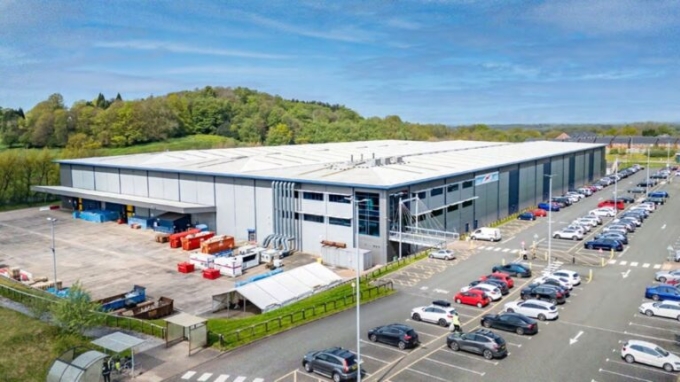
Strategic Investment: ESR and Carlyle Buy a Logistics Facility of More Than 20,500 m2 in the UK
Estimated reading time: 10 minutes
The global logistics landscape is in constant flux, driven by e-commerce acceleration, evolving consumer demands, and the imperative for supply chain resilience. Against this backdrop, strategic investments in prime logistics infrastructure have become a critical indicator of market direction and future operational capabilities. A recent notable development underscores this trend: ESR and Carlyle buy a logistics facility of more than 20,500 m2 in the UK, marking a significant move by two major players in the real estate and investment sectors.
This acquisition, while specific to the UK, reflects broader patterns of capital allocation towards modern, efficient warehousing and distribution hubs worldwide. For businesses operating in diverse markets, including Vietnam, understanding such transactions offers valuable insights into the escalating demand for high-quality industrial assets, the importance of strategic locations, and the ongoing push for optimized supply chain solutions. It highlights the continued confidence in the logistics sector as a cornerstone of global trade and economic growth.
Table of Contents
- Understanding the Strategic Acquisition: ESR and Carlyle in the UK
- Global Trends Driving Logistics Real Estate Investment
- Impact on Supply Chain Efficiency and Resilience
- The Strategic Importance of Modern Logistics Facilities
- Practical Lessons for Logistics Professionals
- How Scanwell Logistics Vietnam Can Help
- Conclusion
- Call to Action
- FAQ
Understanding the Strategic Acquisition: ESR and Carlyle in the UK
The recent announcement that ESR Europe and Carlyle Group have acquired a logistics facility in the UK measuring over 20,500 square meters (approximately 221,000 sq ft) at Enterprise House in Talke, underscores the ongoing appetite for high-quality industrial assets. This transaction, while its financial terms remain undisclosed, is more than just a real estate deal; it represents a calculated move by two prominent investment entities to solidify their foothold in the crucial UK logistics market.
ESR Europe, a leading developer and operator of logistics real estate, views this acquisition as the latest strategic investment in its UK portfolio. Their stated aim is to develop and operate industrial assets that are not only high-quality but also purpose-built to meet the evolving requirements of businesses across diverse sectors. This focus on modern, efficient supply chain solutions is central to their strategy.
Similarly, the Carlyle Group, a global investment firm, enhances its presence in the UK logistics market through this deal. Their investment philosophy targets strategic properties designed to boost supply chain efficiency and ultimately improve customer satisfaction. The collaboration between ESR Europe and Carlyle Group on this venture signals a robust confidence in the long-term growth trajectory of the logistics sector, driven by structural shifts in trade, manufacturing, and consumer behavior.
Global Trends Driving Logistics Real Estate Investment
The acquisition by ESR and Carlyle Group is a microcosm of larger, global trends impacting the logistics real estate sector. The demand for modern warehousing and distribution centers has surged in recent years, propelled by several key factors that resonate from the UK to Vietnam and beyond.
- E-commerce Boom: The exponential growth of online retail necessitates vast networks of efficient distribution centers. These facilities require advanced automation, greater clear heights, and strategic locations to facilitate rapid order fulfillment and last-mile delivery. The “purpose-built” nature of Enterprise House speaks directly to these enhanced requirements.
- Supply Chain Diversification and Resilience: Recent global disruptions have pushed businesses to rethink their “just-in-time” inventory strategies, moving towards “just-in-case” models. This often translates to holding more inventory closer to consumption points, increasing the need for storage capacity and robust warehousing solutions. Strategic investments in facilities like the one in Talke help build this necessary resilience.
- Urbanization and Shifting Demographics: As populations concentrate in urban areas, the need for efficient logistics hubs near major consumption centers becomes paramount. This drives up the value and demand for well-located logistics properties, enabling quicker deliveries and reduced transportation costs.
- Technological Advancements: Modern logistics facilities are increasingly incorporating automation, robotics, and advanced data analytics to optimize operations. Investors are keen on properties that can either accommodate these technologies or are designed with future upgrades in mind, offering long-term operational advantages. The focus on “modern and efficient supply chain solutions” by ESR Europe highlights this.
These trends collectively ensure that logistics real estate remains a highly attractive asset class for institutional investors. The willingness of firms like ESR and Carlyle to invest significantly in large-scale, purpose-built facilities reflects their confidence in the sustained growth of the logistics industry and its fundamental role in the global economy.
Operational Impacts on Logistics and Supply Chains
The acquisition of such a substantial logistics facility by prominent investors has direct and indirect implications for operational logistics and broader supply chain management, impacting businesses locally and offering lessons globally. The emphasis on “modern and efficient supply chain solutions” and enhancing “supply chain efficiency and customer satisfaction” is not merely rhetoric; it translates into tangible operational benefits.
- Enhanced Warehousing Capabilities: A facility of over 20,500 m2 provides significant warehousing capacity. Modern warehouses are designed for optimal storage density, faster throughput, and improved inventory accuracy. This means businesses utilizing such facilities can manage larger volumes of goods, reduce lead times, and enhance their order fulfillment processes.
- Optimized Distribution Networks: Strategic locations like Talke, often chosen for their connectivity to major transportation arteries, allow for more efficient distribution. This reduces transit times, lowers fuel costs, and expands the reach of distribution networks, which is crucial for both domestic and international logistics.
- Support for Automation and Technology Integration: Purpose-built warehouses are designed with the infrastructure to support advanced logistics technology, from automated sorting systems and robotic picking to sophisticated warehouse management systems (WMS). This technological readiness is vital for meeting the demands of modern commerce and driving operational excellence.
- Improved Customer Experience: Ultimately, more efficient logistics operations lead to better customer satisfaction. Faster, more reliable deliveries, improved inventory availability, and reduced errors directly contribute to a positive customer experience, which is a key competitive differentiator in today’s market.
For logistics managers and business leaders, these developments highlight the continuous need to assess their own logistics infrastructure and operational strategies. The move by ESR and Carlyle suggests that investing in or partnering with providers who have access to such modern, strategically located assets is becoming increasingly non-negotiable for maintaining competitive advantage and navigating complex global supply chains.
The Strategic Importance of Modern Logistics Facilities
The decision by ESR Europe and Carlyle Group to invest in a significant logistics facility in the UK is a clear testament to the strategic value of modern, purpose-built industrial assets. This strategic importance extends far beyond mere storage space, touching upon several critical aspects of contemporary supply chain management.
Firstly, Location, Location, Location remains paramount. While specific details about Talke’s strategic advantages aren’t provided in the research, general principles apply: facilities are chosen for their proximity to major consumer markets, key transportation hubs (ports, airports, rail links, highway networks), and labor pools. An optimally located facility can drastically reduce transportation costs and delivery times, directly impacting profitability and customer service.
Secondly, the term “purpose-built warehouse” is crucial. This implies a facility designed from the ground up to meet current and future logistics demands. This includes features like:
- High Clear Ceilings: Allowing for multi-level racking systems and automated storage and retrieval systems (AS/RS), maximizing vertical space utilization.
- Ample Loading Docks and Yard Space: Facilitating efficient movement of trucks and trailers, reducing turnaround times.
- Robust Power Infrastructure: Supporting automated equipment, climate control, and advanced IT systems.
- Enhanced Security Systems: Protecting valuable goods and ensuring operational integrity.
Finally, investments like this empower businesses to achieve greater agility and flexibility within their supply chains. In an unpredictable global environment, the ability to scale operations up or down, adapt to demand fluctuations, and respond quickly to disruptions is invaluable. Modern facilities, backed by experienced developers and investors, provide the physical infrastructure needed to implement these adaptive strategies. This also highlights the growing trend of logistics companies actively partnering with or acquiring real estate assets to have more control over their logistics infrastructure, ensuring they can offer optimal service levels to their clients.
Practical Lessons for Logistics Professionals
The acquisition by ESR and Carlyle Group, along with the underlying trends it represents, offers several crucial lessons for logistics professionals, supply chain managers, and business leaders worldwide, including those navigating the dynamic market of Vietnam.
- Prioritize Strategic Location and Infrastructure: Whether building, leasing, or partnering, ensure your logistics facilities are strategically located with excellent connectivity. Modern infrastructure isn’t just a luxury; it’s a necessity for competitive service levels and cost efficiency. Assess access to ports, airports, major highways, and urban centers.
- Invest in Modern Warehousing Technology: Recognize that warehousing is evolving beyond simple storage. Embrace or seek partners that utilize automation, advanced WMS, and data analytics to optimize inventory, improve order fulfillment accuracy, and enhance overall operational speed. This is central to achieving “modern and efficient supply chain solutions.”
- Build Resilient and Diversified Supply Chains: Don’t put all your eggs in one basket. The push for “just-in-case” strategies necessitates a more robust network of distribution points. Consider diversifying your sourcing, manufacturing, and distribution hubs to mitigate risks from disruptions.
- Leverage Expert Logistics Partners: For many businesses, directly owning or managing vast logistics real estate portfolios isn’t feasible. Partnering with experienced third-party logistics (3PL) providers can offer access to cutting-edge facilities, technology, and expertise without the significant capital expenditure. Look for partners committed to “enhancing supply chain efficiency and customer satisfaction.”
- Embrace Data-Driven Decision Making: The complexity of modern supply chains demands sophisticated analysis. Use data to inform decisions on inventory levels, facility locations, transportation routes, and operational improvements. This proactive approach allows businesses to adapt quickly to market changes and optimize resource allocation.
How Scanwell Logistics Vietnam Can Help
In an environment characterized by dynamic market shifts and the continuous pursuit of supply chain excellence, having a reliable and forward-thinking logistics partner is indispensable. The trends highlighted by investments such as ESR and Carlyle’s acquisition in the UK underscore the premium placed on modern infrastructure, efficiency, and resilience—qualities that Scanwell Logistics Vietnam is committed to delivering.
Scanwell Logistics Vietnam understands the unique challenges and opportunities businesses face in navigating global and regional supply chains. By leveraging our extensive network, advanced operational capabilities, and deep industry expertise, we empower our clients to optimize their logistics, reduce costs, and enhance customer satisfaction. We provide access to high-quality warehousing solutions and integrate them with comprehensive freight forwarding services to create seamless, end-to-end supply chain solutions.
Whether you are looking to expand your distribution capabilities, improve transit times, or navigate complex customs regulations, Scanwell Logistics Vietnam offers tailored support designed to meet your specific needs. Our commitment to utilizing best practices and staying abreast of global logistics innovations ensures that your supply chain remains agile, efficient, and resilient in the face of evolving market demands.
- Ocean freight: Comprehensive FCL/LCL services connecting Vietnam to global markets, ensuring reliable and cost-effective sea transportation.
- Air freight: Fast and efficient air cargo solutions for time-sensitive shipments, leveraging our global network to ensure prompt delivery.
- Warehousing & Distribution: Strategic warehousing, inventory management, and distribution services, including cross-docking and value-added services, optimizing your storage and delivery processes.
- Domestic and Cross-border Trucking: Reliable land transportation services across Vietnam and to neighboring countries, ensuring seamless last-mile delivery and regional connectivity.
- Customs Brokerage and Compliance: Expert guidance and support through complex customs procedures, ensuring compliance and expediting your cargo clearance.
- Supply Chain Solutions: Integrated and customized solutions designed to optimize your entire supply chain, from sourcing to final delivery, enhancing efficiency and visibility.
Conclusion
The acquisition by ESR Europe and Carlyle Group of a more than 20,500 m2 logistics facility in the UK serves as a compelling illustration of the critical role that modern logistics infrastructure plays in today’s global economy. This strategic investment is not an isolated event but rather a reflection of pervasive trends: the relentless growth of e-commerce, the imperative for robust supply chain resilience, and the increasing demand for advanced, efficient warehousing solutions. It underscores the confidence that major investment firms place in the long-term value of logistics real estate as an essential backbone for global trade.
For businesses and logistics professionals, the key takeaway is clear: the future of supply chain success hinges on access to and utilization of high-quality, strategically located facilities that can support technological integration and agile operations. This commitment to modern infrastructure is fundamental to achieving operational excellence, optimizing costs, and ultimately enhancing customer satisfaction.
As supply chains become more complex and interconnected, the ability to adapt, innovate, and partner with experienced logistics providers who understand these dynamics will be paramount. By staying informed of these global investment trends and aligning with partners like Scanwell Logistics Vietnam, businesses can ensure their logistics strategies are robust, future-proof, and capable of driving sustained competitive advantage.
Call to Action
Ready to turn these logistics insights into real competitive advantages?
Explore Scanwell Logistics Vietnam
Contact our experts for tailored support
FAQ
Why is an acquisition like ESR and Carlyle buying a logistics facility in the UK relevant to businesses in Vietnam?
While the transaction occurred in the UK, it reflects global trends in logistics real estate investment, particularly the high demand for modern, efficient warehousing. These trends impact global supply chain dynamics, freight rates, and the availability of high-quality infrastructure worldwide. Understanding such investments helps Vietnamese businesses gauge market direction, assess their own infrastructure needs, and anticipate shifts in global logistics standards.
What defines a “modern and efficient” logistics facility as emphasized by ESR Europe and Carlyle Group?
A modern and efficient logistics facility is typically purpose-built with features like high clear ceilings for vertical storage, ample loading docks, advanced automation readiness (for robotics and sorting systems), robust power and IT infrastructure, and strategic connectivity to major transportation networks. Its design focuses on maximizing throughput, reducing operational costs, and supporting swift and accurate order fulfillment to meet evolving customer expectations.
How do institutional investors like ESR and Carlyle Group impact the broader logistics market?
Institutional investors inject significant capital into the logistics real estate sector, driving the development and modernization of industrial assets. Their investments raise the bar for facility quality and efficiency, encourage technological adoption, and often target strategic locations that become key nodes in global supply chains. This ultimately benefits businesses by providing access to state-of-the-art infrastructure that enhances their supply chain capabilities and resilience.
What should businesses look for in a logistics partner given these current investment trends?
Businesses should seek a logistics partner that demonstrates a commitment to modern infrastructure, embraces technology for efficiency and visibility, possesses expertise in strategic network optimization, and offers flexible, scalable solutions. A partner like Scanwell Logistics Vietnam, with its comprehensive services across ocean, air, road freight, and warehousing, can provide access to high-quality facilities and integrate diverse logistics functions to create resilient and cost-effective supply chains.