


















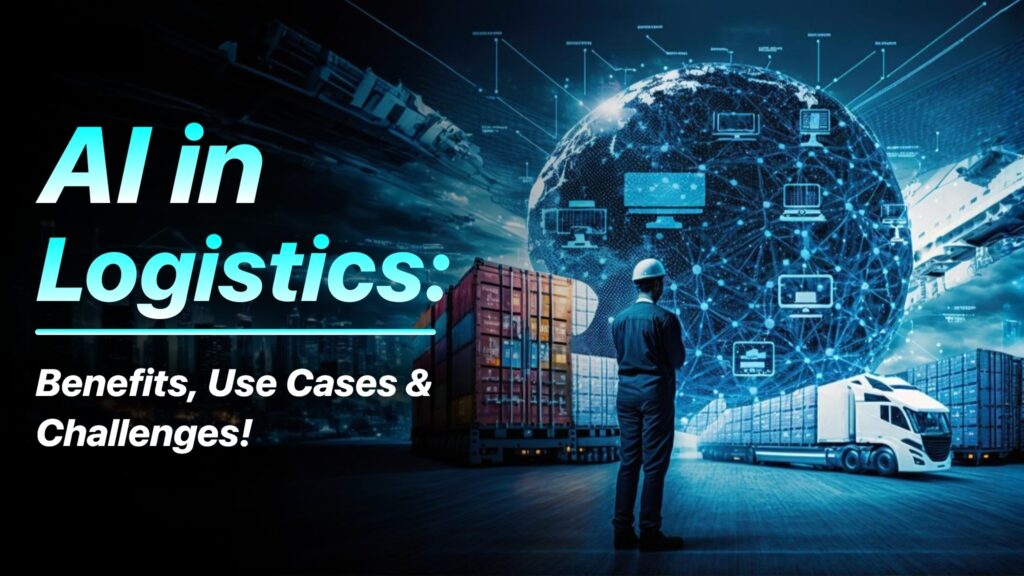
AI in Logistics: Breakthroughs and Challenges
Estimated reading time: 5 minutes
- AI can reduce logistics costs by 10% to 30%
- Rapid growth in AI adoption for automation and customer experience
- Key challenges include skill shortages and high investment costs
- Collaboration and training are vital to overcoming implementation barriers
Table of Contents
- Introduction
- AI and Technology in Logistics
- Challenges in AI Adoption
- Practical Insights and Recommendations
- Conclusion
- FAQ
Introduction
In recent years, the logistics industry has witnessed a remarkable transformation fueled by advancements in Artificial Intelligence (AI). AI doesn’t just optimize operations — it empowers businesses to enhance decision-making, boost efficiency, and deliver exceptional customer experiences. By integrating AI into logistics operations, companies can unlock immense value across their supply chain and achieve a powerful competitive advantage. This article explores how AI is reshaping logistics, along with the challenges and opportunities it brings.
AI and Technology in Logistics
According to McKinsey, AI can help reduce logistics costs by 10% to 30% through end-to-end supply chain optimization and intelligent transportation management.
Data Analytics
Data is the backbone of AI-driven logistics. AI leverages real-time and historical data to deliver actionable insights, including:
- Demand Forecasting: AI analyzes historical patterns to forecast customer demand, enabling accurate inventory planning and reducing stockouts.
- Route Optimization: AI-based algorithms evaluate traffic, weather, fuel costs, and delivery constraints to determine the most efficient delivery routes.
Automating Transportation Processes
One of the most transformative applications of AI in logistics is automation. From autonomous trucks to drone deliveries and automated warehouses, AI improves speed, accuracy, and operational efficiency. Research from Deloitte shows that 42% of leading logistics providers have already implemented automation in transportation management.
Enhancing Customer Experience
AI-powered chatbots and virtual assistants are revolutionizing customer support by offering real-time updates, instant responses, and 24/7 service availability — contributing to better customer satisfaction and loyalty.
Challenges in AI Adoption
While AI presents tremendous potential, logistics companies still face several implementation challenges:
Skill Shortages
The lack of AI-related expertise poses a significant barrier. To fully harness the power of AI, logistics companies must develop or acquire talent in data science, automation, and AI system management.
High Initial Investment
Adopting AI requires substantial investments in digital infrastructure, software solutions, and employee training. This can be particularly challenging for small and medium-sized enterprises.
Practical Insights and Recommendations
Collaboration with Technology Partners
Partnering with AI solution providers allows logistics companies to access the right tools, expertise, and infrastructure needed for successful implementation — without bearing full in-house development costs.
Investment in Training
Upskilling employees is essential to overcome capability gaps. Training programs help staff understand AI technologies and integrate them into their daily operations effectively.
Conclusion
AI is fundamentally reshaping the logistics industry. From cost reduction and route optimization to enhanced customer experience, AI brings limitless value to forward-thinking logistics companies. However, to unlock its full potential, businesses must overcome skill, cost, and implementation challenges through strategic planning, cooperation, and continuous learning.
At Scanwell Logistics Vietnam, we continuously adopt cutting-edge technologies to enhance our operational excellence. If you’re exploring how AI can transform your logistics operations, contact us today to discover our innovative solutions and tailored services.
FAQ
1. How does AI support the logistics industry?
AI helps optimize supply chains, reduce costs, automate transportation processes, and improve customer engagement.
2. What are the main challenges of AI implementation in logistics?
The biggest challenges include a shortage of AI expertise and significant upfront financial investment.
3. How can businesses overcome these challenges?
Businesses can collaborate with technology providers and invest in professional training to maximize AI adoption and performance.