















Automation Moving On Up: Redefining the Future of Global and Vietnamese Logistics
Estimated reading time: 9 minutes
The logistics landscape is currently undergoing a seismic shift, characterized by the rapid integration of intelligent technologies. The phrase Automation Moving On Up is no longer just a futuristic prediction; it is a current reality across warehouses, shipping docks, and corporate offices. As global supply chains face increasing complexity, the transition from manual processes to automated systems has become a strategic imperative for businesses aiming to maintain a competitive edge.
In Vietnam, a country rapidly cementing its status as a global manufacturing hub, the drive toward automation is particularly pronounced. Logistics managers and business leaders are moving beyond basic mechanization to embrace sophisticated robotics, Artificial Intelligence (AI), and automated data processing. This article explores how Automation Moving On Up is transforming the industry, the data-driven trends fueling this growth, and the practical steps organizations can take to navigate this technological evolution effectively.
Table of Contents
- The Evolution: Automation Moving On Up the Value Chain
- Key Trends and Technologies Shaping the Industry
- Operational Impacts on Supply Chain Management
- The Human Element: Automation and HR in Logistics
- Practical Lessons for Logistics Professionals
- How Scanwell Logistics Vietnam Can Help
- Conclusion
- FAQ
The Evolution: Automation Moving On Up the Value Chain
The journey of automation in the logistics sector has been one of gradual progression. Initially, automation was confined to simple, repetitive tasks—conveyor belts moving boxes or basic spreadsheets tracking inventory. However, we are now witnessing a “moving up” phase where technology is tackling higher-order cognitive and physical functions.
This evolution is driven by the convergence of several factors: the falling cost of hardware, the explosion of “Big Data,” and the critical need for speed in the e-commerce era. For logistics providers in Vietnam, this means transitioning from traditional labor-intensive models to “smart” operations. The goal is no longer just to replace human effort but to augment it, allowing for 24/7 operations and near-zero error rates in complex environments.
When we speak of Automation Moving On Up, we refer to the vertical integration of technology across three distinct layers:
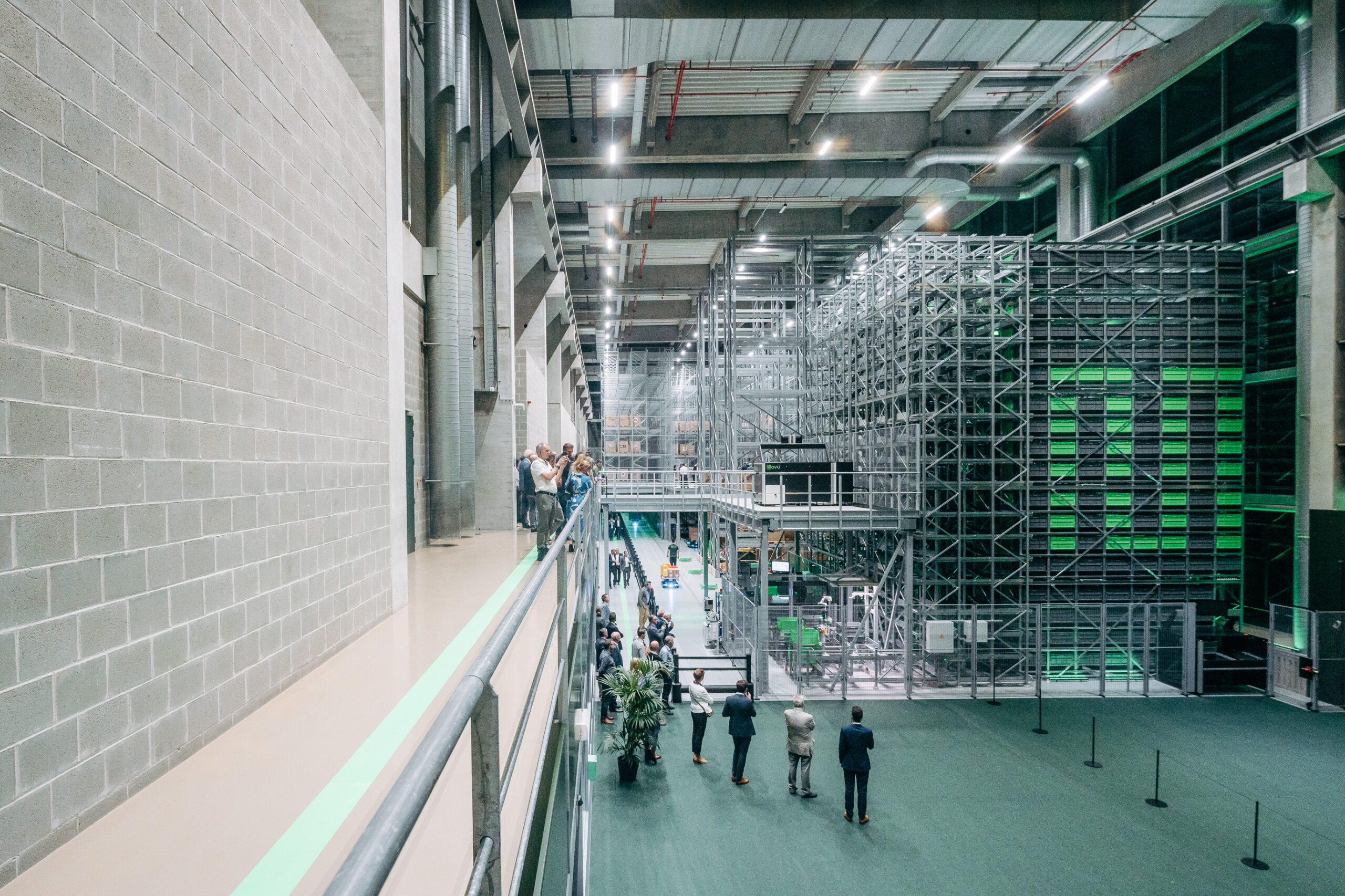
- The Physical Layer: Autonomous Mobile Robots (AMRs) and Automated Storage and Retrieval Systems (AS/RS).
- The Cognitive Layer: AI-driven demand forecasting and route optimization.
- The Connectivity Layer: Internet of Things (IoT) sensors and blockchain-enabled visibility.
Key Trends and Data Shaping Automation
Recent industry analyses indicate that the global warehouse automation market is expected to grow at a double-digit compound annual growth rate (CAGR) over the next decade. This growth is not uniform; it is concentrated in specific high-impact technologies that provide immediate ROI.
In the context of Automation Moving On Up, the following trends are currently dominating the landscape:
The Proliferation of AMRs and Cobots
Unlike traditional AGVs (Automated Guided Vehicles) that require fixed paths, Autonomous Mobile Robots (AMRs) use advanced sensors and mapping software to navigate dynamic environments. This flexibility is vital for third-party logistics (3PL) providers who must adapt to changing client needs. “Cobots” or collaborative robots are also seeing increased adoption, working alongside human staff to handle heavy lifting or precision sorting, thereby reducing workplace injuries and fatigue.
Hyper-automation in Documentation
Logistics is notoriously document-heavy. Automation is “moving up” to the back office through Robotic Process Automation (RPA). By automating the ingestion of Bill of Ladings, invoices, and customs declarations, companies can reduce processing times from hours to seconds. In Vietnam, where customs compliance is a critical success factor, automated documentation ensures higher accuracy and fewer delays at ports.
Cloud-Based WMS and TMS Integration
Legacy software is being replaced by cloud-native Warehouse Management Systems (WMS) and Transportation Management Systems (TMS). These platforms act as the “brain” of the automated supply chain, orchestrating movements across various modes of transport. The real-time data flow allows managers to identify bottlenecks before they impact the final mile of delivery.
Operational Impacts on Supply Chain Management
The move toward higher automation levels fundamentally changes how supply chains are managed. The primary impact is the shift from reactive to predictive operations. When automation moves up to the decision-making level, logistics leaders can anticipate disruptions rather than simply responding to them.
Key operational benefits include:
- Inventory Precision: Automated systems provide real-time visibility into stock levels, reducing the “bullwhip effect” and minimizing carrying costs.
- Enhanced Throughput: Automation allows warehouses to process a significantly higher volume of orders per square meter, a critical factor as urban warehouse space becomes more expensive.
- Compliance and Audit Trails: Every automated action creates a digital footprint, making it easier to comply with international trade regulations and environmental standards.
For businesses operating in Vietnam’s export-driven economy, these efficiencies translate directly into lower landed costs and faster time-to-market, which are essential for staying competitive in the global market.
The Human Element: Automation and HR in Logistics
One of the most misunderstood aspects of Automation Moving On Up is its impact on the workforce. While there is a common fear that robots will replace humans, the reality is more nuanced: automation is changing the nature of logistics jobs.
HR managers in the logistics sector are now focusing on “upskilling.” Instead of manual pickers, the industry needs robot technicians, data analysts, and supply chain orchestrators. The transition requires a strategic approach to change management, ensuring that employees see automation as a tool that enhances their productivity and safety rather than a threat to their livelihood.
A successful automation strategy balances technological investment with human capital development. This includes training programs, clear communication about technological roadmaps, and creating a culture of continuous improvement.
Practical Lessons for Logistics Professionals
Implementing automation is a journey, not a destination. For decision-makers looking to capitalize on the “moving up” trend, here are several best practices:
- Audit Before You Automate: Do not automate a broken process. Use data to identify bottlenecks and streamline manual workflows before introducing technology.
- Focus on Scalability: Choose modular automation solutions that can grow with your business. Start with a pilot project in one area (e.g., automated sorting) before a full-scale rollout.
- Prioritize Data Integrity: Automation is only as good as the data that feeds it. Ensure your IT infrastructure can handle high-velocity data and maintain “one version of the truth.”
- Communicate with Partners: Ensure your freight forwarders and 3PL partners are also investing in automation. A gap in technological capability between partners can create friction in the supply chain.
How Scanwell Logistics Vietnam Can Help
At Scanwell Logistics Vietnam, we understand that Automation Moving On Up is a catalyst for regional growth. We bridge the gap between traditional logistics excellence and modern technological innovation. By leveraging advanced tracking systems and automated documentation processes, we ensure that our clients’ cargo moves through the global supply chain with maximum efficiency and transparency.
Our team works closely with businesses to integrate their supply chains with our tech-enabled logistics network, providing the visibility and reliability required in today’s fast-paced environment.
- Ocean Freight: High-visibility FCL/LCL services with automated status updates.
- Air Freight: Rapid solutions for high-value, time-sensitive cargo.
- Warehousing & Distribution: Modern facilities equipped to handle complex inventory requirements.
- Customs Brokerage: Expert compliance support powered by digitized documentation.
- End-to-End Tracking: Real-time visibility across the entire shipping journey.
Conclusion
The trend of Automation Moving On Up represents the next frontier in logistics. From the physical agility of AMRs to the cognitive power of AI-driven analytics, these technologies are transforming supply chains into resilient, high-performance networks. While the transition requires significant investment and cultural shifts, the risks of inaction are far greater.
For logistics leaders in Vietnam and beyond, the path forward involves a blend of strategic technology adoption and a commitment to human excellence. By staying informed of these trends and partnering with forward-thinking logistics providers, businesses can turn the challenges of modern trade into sustainable competitive advantages.
Call to Action
Ready to turn these logistics insights into real competitive advantages?
Explore Scanwell Logistics Vietnam
Contact our experts for tailored support
FAQ
What is the first step in moving toward automation?
The first step is a thorough process audit. Identify the repetitive, high-volume tasks that consume the most time or have the highest error rates. This “low-hanging fruit” often provides the fastest return on investment.
Is automation only for large corporations?
No. While large-scale robotics requires significant capital, many software-based automation tools (like RPA or cloud-based WMS) are scalable and accessible to small and medium-sized enterprises (SMEs).
How does automation impact shipping costs?
Initially, there is a capital expenditure (CAPEX) increase. However, in the long run, automation reduces operational costs (OPEX) by minimizing labor hours, reducing errors, and optimizing resource utilization, leading to a lower cost-per-unit shipped.
How does Scanwell support clients with automated logistics?
Scanwell Logistics Vietnam provides the digital infrastructure and expert guidance needed to integrate your supply chain into an automated global network. We offer real-time tracking, digital documentation, and strategic consulting to ensure your logistics operations are as efficient as possible.