Electric Focus, Diesel Strength: Navigating the Hybrid Future of Material Handling
Estimated reading time: 9 minutes
The global logistics landscape is currently navigating a pivotal transition. As sustainability moves from a corporate social responsibility (CSR) buzzword to a core operational requirement, equipment manufacturers and supply chain managers are re-evaluating their fleet compositions. A recent and significant development in this space is the strategic pivot by industry leaders like Bobcat, who are championing a dual approach summarized as Electric Focus, Diesel Strength. This strategy recognizes that while the future is undoubtedly green, the present still demands the raw, uncompromising power of traditional combustion engines for specific high-capacity applications.
For logistics professionals in Vietnam and across the ASEAN region, understanding this balance is crucial. As we face increasing pressure to decarbonize supply chains, the “all-or-nothing” approach to electrification often hits the reality of infrastructure limitations and heavy-duty operational demands. The Electric Focus, Diesel Strength philosophy provides a realistic roadmap for businesses that need to reduce their carbon footprint without sacrificing the throughput and reliability that drive global trade. In this article, we will explore why this hybrid approach is becoming the gold standard for material handling and how it impacts the broader logistics ecosystem.
Table of Contents
- Understanding Electric Focus, Diesel Strength in Logistics
- Key Trends: The Shift Towards Sustainability
- The Staying Power of Diesel for High-Capacity Needs
- Impacts on Logistics Operations and Fleet Management
- Practical Lessons for Logistics Professionals
- How Scanwell Logistics Vietnam Can Help
- Conclusion
- FAQ
Understanding Electric Focus, Diesel Strength in the Logistics Context
At its core, the concept of Electric Focus, Diesel Strength is about fitness for purpose. For decades, diesel forklifts and material handling equipment were the undisputed kings of the warehouse and the shipyard. They offered long runtimes, quick refueling, and the torque necessary to move heavy containers and machinery. However, the environmental cost and the rising price of fossil fuels have led to a significant market shift.
Bobcat, a major player in the materials handling market, has recently exemplified this shift by expanding its electric forklift range while simultaneously “doubling down” on high-capacity diesel options. This isn’t a contradiction; it is a sophisticated response to a fragmented market. In indoor environments, such as FMCG (Fast-Moving Consumer Goods) warehouses or pharmaceutical distribution centers, the “Electric Focus” is paramount. These environments require zero-emission operations to maintain air quality and comply with safety standards.
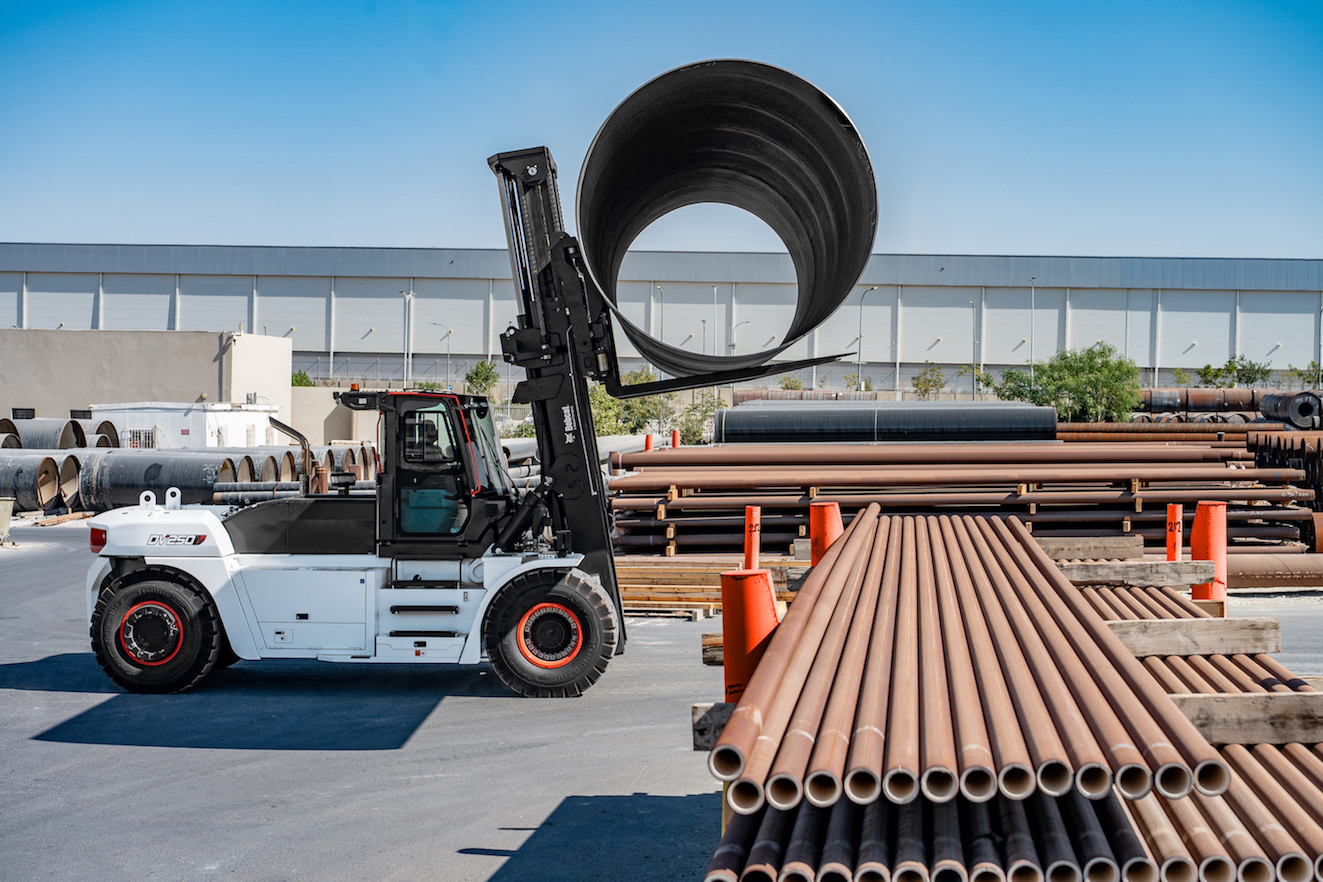
Conversely, the “Diesel Strength” aspect remains indispensable in outdoor yards, construction logistics, and heavy industrial ports where charging infrastructure may be sparse or where the duty cycle is so intense that battery swaps would cause unacceptable downtime. By maintaining both lines of equipment, manufacturers allow logistics providers to tailor their fleets to the specific energy and power profiles of their diverse operations.
Key Trends and Data Shaping the Industry
The transition toward more eco-friendly and efficient solutions is not just a preference; it is being driven by measurable market data and regulatory shifts. Research indicates that the demand for electric solutions is growing at an unprecedented rate, but the transition is nuanced.
- Rising Popularity of Electric Forklifts: Electric models are increasingly favored due to their significantly lower operating costs over the equipment’s lifecycle. With fewer moving parts than internal combustion engines, maintenance expenses are reduced, and the volatility of diesel prices is removed from the equation.
- The Need for High-Capacity Solutions: Despite the green push, there is a persistent demand for high-capacity diesel forklifts. In sectors like timber, steel, and heavy manufacturing, the energy density of diesel still outperforms current battery technology for 10-to-25-ton lifting capacities.
- Innovation in Battery Technology: The “Electric Focus” is being bolstered by the shift from traditional lead-acid batteries to Lithium-ion technology, which allows for “opportunity charging” during operator breaks, further closing the gap between electric and diesel availability.
This data suggests that the logistics industry is moving toward a multi-fuel future. Decision-makers are no longer asking *if* they should go electric, but rather *which parts* of their operation are ready for the switch. The “Diesel Strength” remains the safety net for the most grueling tasks in the supply chain.
Operational Impacts on Logistics and Supply Chains
The Electric Focus, Diesel Strength strategy has profound implications for how logistics facilities are designed and managed. It forces a move away from “one-size-fits-all” procurement toward a more analytical, data-driven approach to fleet management.
Warehousing and Indoor Safety
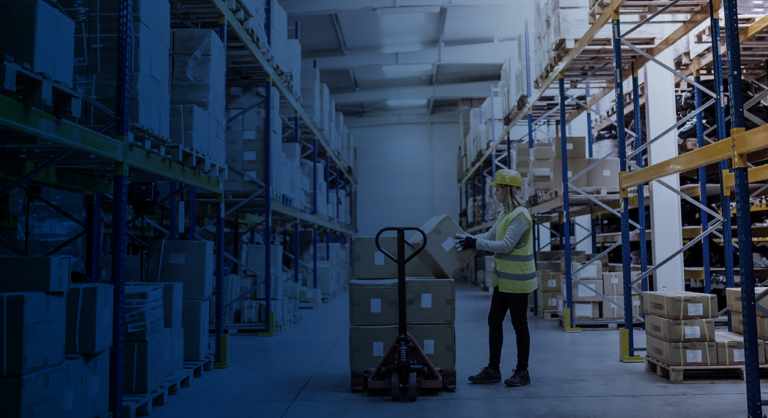
In modern warehousing, particularly in Vietnam’s growing e-commerce hubs, electric forklifts are becoming the standard. The lack of exhaust fumes makes them ideal for enclosed spaces, improving the health and productivity of the workforce. Furthermore, the quieter operation of electric machinery allows for extended operating hours in urban areas where noise pollution regulations might otherwise restrict night-time logistics activity.
Heavy-Duty Resilience
In contrast, the “Diesel Strength” remains critical for the resilience of the global supply chain. In the event of power grid instability—a challenge in many developing industrial zones—diesel-powered equipment continues to operate. For logistics managers, this means maintaining a percentage of diesel assets as a hedge against energy infrastructure failures. This ensures that even during a power outage, critical shipments can still be loaded and unloaded.
Practical Lessons for Logistics Professionals
Adopting the Electric Focus, Diesel Strength mindset requires a strategic shift in how we view material handling equipment. Here are several best practices for logistics and supply chain managers:
- Analyze Total Cost of Ownership (TCO): Do not look only at the sticker price. While electric forklifts often have a higher upfront cost, the savings in fuel and maintenance usually result in a lower TCO over 5 years compared to diesel.
- Audit Your Infrastructure: Before committing to an “Electric Focus,” ensure your facility’s electrical grid can handle the load of multiple fast-chargers. If the infrastructure isn’t there yet, “Diesel Strength” will be your bridge.
- Operator Training: Electric forklifts handle differently than diesel ones—they often have more immediate torque and different braking systems (regenerative braking). Investing in operator training is essential for both safety and battery longevity.
- Data-Driven Deployment: Use telematics to track which machines are doing the “heavy lifting.” If a diesel machine is only being used for light pallet movement, it’s a prime candidate for electrification. Reserve your diesel assets for the tasks that truly require their unique power profile.
How Scanwell Logistics Vietnam Can Help
At Scanwell Logistics Vietnam, we understand that the machinery moving your goods is just as important as the ships and planes carrying them. The transition to an Electric Focus, Diesel Strength model mirrors our own commitment to providing versatile, future-proof logistics solutions. Whether you are transporting high-tech components that require clean-room warehousing or heavy industrial machinery that demands rugged port handling, our network is designed to support the hybrid needs of modern business.
We help our clients navigate these complexities by offering integrated supply chain services that prioritize both efficiency and sustainability. Our expertise in the Vietnamese market allows us to advise on the best logistics routes and warehousing options that align with your ESG (Environmental, Social, and Governance) goals while ensuring operational continuity.
- Ocean Freight: Reliable FCL and LCL services for all equipment types, including heavy-capacity diesel machinery.
- Air Freight: Rapid solutions for time-sensitive electric components and battery systems.
- Warehousing & Distribution: Modern facilities equipped to handle the latest material handling trends.
- Customs Brokerage: Expert navigation of trade compliance for new energy vehicles and traditional industrial equipment.
- Visibility: End-to-end tracking to ensure your fleet upgrades and inventory move seamlessly.
Conclusion
The strategy of Electric Focus, Diesel Strength represents the pragmatic reality of the 21st-century supply chain. We are in an era of transition where the idealism of a fully electric world must be tempered with the practical needs of heavy industry and diverse global infrastructures. Manufacturers like Bobcat are leading the way by providing tools for every scenario, ensuring that “going green” does not mean “going slow.”
For business leaders and logistics managers, the takeaway is clear: diversification is the key to resilience. By embracing electric technology where it is most efficient and retaining diesel power where it is most effective, companies can create a balanced, high-performing logistics operation that is ready for the challenges of tomorrow. As the industry evolves, staying informed and partnering with experienced logistics providers like Scanwell Logistics Vietnam will be the deciding factor in maintaining a competitive edge.
Call to Action
Ready to optimize your supply chain with a partner who understands the future of logistics?
Explore Scanwell Logistics Vietnam
Contact our experts for tailored support
FAQ
Why is the “Diesel Strength” still necessary if electric forklifts are improving?
While battery technology is advancing, diesel remains superior for extremely high-capacity loads (often over 10 tons) and continuous 24/7 operations in remote areas where charging infrastructure is non-existent. Diesel provides instant refueling and unmatched torque for the most demanding industrial tasks.
Are electric forklifts really cheaper in the long run?
Yes, in most cases. Although the initial purchase price is higher, the “Electric Focus” pays off through lower energy costs (electricity vs. diesel) and significantly reduced maintenance requirements, as electric motors have fewer moving parts than internal combustion engines.
How does a hybrid fleet (Electric and Diesel) affect maintenance?
A hybrid fleet requires a dual-skilled maintenance team. Electric units need technicians familiar with high-voltage systems and software diagnostics, while diesel units require traditional mechanical expertise. Partnering with a comprehensive equipment provider or a logistics partner like Scanwell can help streamline these operational complexities.
How can Scanwell Logistics help me transition to a greener supply chain?
Scanwell can audit your current transport and warehousing flows to identify where electric material handling can be integrated most effectively. We provide the logistics backbone—from customs for new equipment to optimized warehousing—to make your transition to “Electric Focus” smooth and cost-effective.