

















Sleeve Packs Launched to Replace Metal Stillages: A New Era of Logistics Efficiency
Estimated reading time: 10 minutes
The global supply chain is currently undergoing a silent revolution, shifting away from heavy, rigid, and often cumbersome equipment toward smarter, modular solutions. A primary example of this shift is the news that Sleeve Packs Launched to Replace Metal Stillages across various industrial sectors. For years, metal stillages—heavy-duty steel cages or frames—were the undisputed kings of industrial transport, particularly in the automotive and heavy machinery sectors. However, as companies face mounting pressure to reduce carbon footprints and slash operational costs, the limitations of traditional metal equipment have become increasingly apparent.
In the context of Vietnam’s rapidly expanding manufacturing landscape, this transition is particularly relevant. As a hub for electronics, automotive components, and high-tech manufacturing, the need for agile packaging that can navigate complex international routes is higher than ever. Sleeve packs offer a compelling alternative that promises to streamline logistics workflows from the factory floor to the final distribution point. By replacing the “old guard” of metal stillages, these innovative packaging systems are helping logistics managers rethink how they utilize space and manage return logistics.
This article explores the fundamental reasons why sleeve packs are gaining traction, the tangible benefits they offer over metal alternatives, and how businesses in Vietnam and beyond can leverage this trend to gain a competitive edge. From environmental sustainability to the granular details of freight cost reduction, we analyze the impact of this transition on modern supply chain management.
Table of Contents
- The Shift: Sleeve Packs Launched to Replace Metal Stillages
- Key Benefits: Why The Industry is Moving Away from Metal
- Impact on Logistics and Supply Chain Operations
- Challenges and Strategic Opportunities for Adoption
- Practical Lessons for Logistics Professionals
- How Scanwell Logistics Vietnam Can Help
- Conclusion
- FAQ
The Shift: Sleeve Packs Launched to Replace Metal Stillages
To understand why Sleeve Packs Launched to Replace Metal Stillages is such a significant headline, one must first understand the traditional role of the metal stillage. Metal stillages are essentially steel containers or platforms used to move and store goods. They are incredibly durable and can carry immense weight, but they come with significant drawbacks: they are heavy, they rust, they are difficult to repair, and—most importantly—they do not fold. When a metal stillage is empty, it takes up just as much space in a truck or warehouse as when it is full.
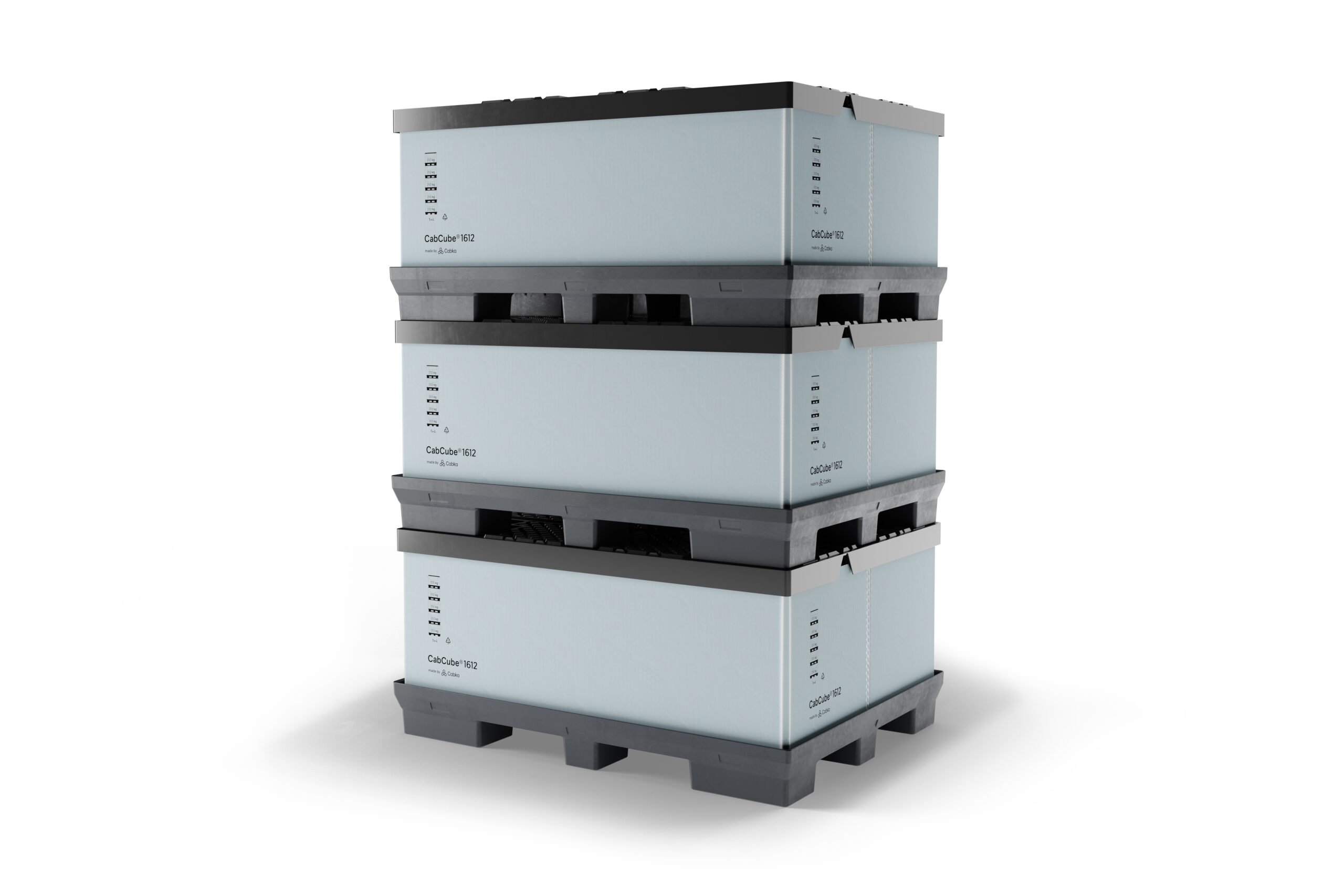
Enter the sleeve pack. A sleeve pack typically consists of three components: a plastic pallet base, a foldable sleeve (made of plastic or heavy-duty corrugated material), and a top lid. Unlike the rigid steel frame of a stillage, the sleeve pack is designed for “collapsibility.” When empty, the sleeve folds down and is sandwiched between the base and the lid, drastically reducing its volume.
Evolution of Industrial Packaging
The logistics industry has always sought ways to balance durability with weight. For decades, the durability of steel was non-negotiable. However, advancements in material science have allowed manufacturers to create sleeve packs that can withstand significant vertical loads while remaining lightweight. This evolution is a direct response to the global demand for leaner supply chains. As businesses move toward “Just-in-Time” (JIT) manufacturing, the ability to quickly deploy and return packaging becomes a critical factor in maintaining operational flow.
Key Benefits: Why The Industry is Moving Away from Metal
The decision to transition from metal stillages to sleeve packs is driven by three core pillars: flexibility, cost-efficiency, and environmental responsibility. Research indicates that these factors are no longer just “nice-to-haves” but are essential for survival in a volatile market.
- Unmatched Flexibility: Sleeve packs are highly adaptable in terms of size, shape, and material. Unlike metal stillages, which are often custom-welded for specific parts, sleeve packs can be adjusted or fitted with internal dunnage to accommodate a wide range of products. This makes them a “future-proof” investment for companies whose product lines may change frequently.
- Superior Cost-Effectiveness: While the initial purchase price of high-quality sleeve packs is an investment, they are generally more affordable than manufacturing and maintaining heavy metal stillages. Furthermore, the reduction in weight translates directly into fuel savings and lower freight rates, particularly for air and road transport.
- Eco-Friendly Credentials: In an era of strict ESG (Environmental, Social, and Governance) targets, sleeve packs offer a significant advantage. Most are made from recyclable materials, presenting a sustainable alternative to expendable packaging (like single-use wood or cardboard) and a lower-carbon alternative to the energy-intensive production and recycling of steel.
The Weight Advantage
A standard metal stillage can weigh anywhere from 50kg to over 100kg depending on its size and density. In contrast, a comparable sleeve pack may weigh 70% less. When multiplying this weight saving across a full truckload or a shipping container, the impact on “dead weight” is profound. This allows logistics managers to pack more actual product into a shipment without exceeding weight limits, effectively increasing the payload efficiency of every trip.
Impact on Logistics and Supply Chain Operations
The announcement that Sleeve Packs Launched to Replace Metal Stillages has sent ripples through the operations departments of major manufacturers. The ripple effect touches every aspect of the supply chain, from the warehouse floor to international freight routes.
Optimizing Storage and Warehouse Space
One of the most immediate benefits of sleeve packs is the optimization of storage space. In a busy warehouse, floor space is premium real estate. Because sleeve packs are designed with a compact, stackable design, they can be stored more efficiently when full. However, the real “magic” happens when they are empty. Because they are collapsible, you can often stack five or more folded sleeve packs in the same vertical space occupied by a single metal stillage. This drastically reduces the footprint of empty packaging waiting for reuse.
Reducing Transportation and Return Logistics Costs
In logistics, “moving air” is the ultimate enemy of profitability. When returning empty metal stillages, companies are essentially paying to transport air, as the stillages occupy a full truck’s volume but carry no goods. Sleeve packs solve this problem by allowing for a much higher “return ratio.” A truck that delivered 20 full sleeve packs can return with 60 or 80 collapsed ones, significantly cutting the cost of return logistics and reducing the number of trucks on the road.
Enhanced Product Protection
Beyond space and cost, sleeve packs provide excellent cushioning and support. The materials used in modern sleeves are designed to absorb shocks during transit better than rigid steel. For sensitive components—such as electronics or painted automotive parts—this cushioning ensures that products arrive safely at their destination, reducing the high costs associated with damage claims and replacements.
Challenges and Strategic Opportunities for Adoption
Despite the clear advantages, the transition is not without its hurdles. Moving away from established hardware like metal stillages requires a strategic approach.
- Initial Investment: Switching a fleet of packaging requires capital. Companies may need to invest in new handling equipment or provide training for staff to ensure they know how to properly collapse and assemble the packs to prevent damage.
- Scalability: As a company grows, its packaging needs grow. Maintaining a consistent supply of high-quality sleeve packs requires a reliable supply chain partner who can scale up production and delivery to meet fluctuating demand.
However, these challenges are outweighed by the opportunities for growth. Early adopters of sleeve packs often find they gain a significant competitive advantage. By offering eco-friendly and cost-effective packaging, they can appeal to global clients who are increasingly vetting their suppliers based on sustainability and operational efficiency. Furthermore, the streamlining of operations leads to increased customer satisfaction through faster delivery cycles and fewer damaged goods.
Practical Lessons for Logistics Professionals
If you are considering making the switch because Sleeve Packs Launched to Replace Metal Stillages in your industry, here are some actionable steps:
- Audit Your Current Return Logistics: Calculate the exact cost of returning empty metal stillages. If your return ratio is 1:1, a collapsible sleeve pack system could save you up to 75% on return freight costs.
- Test for Durability: Not all sleeve packs are created equal. Ensure you choose materials that match your product weight. Conduct pilot tests on your most frequent routes to evaluate performance under real-world conditions.
- Standardize Sizes: To maximize warehouse and truck space, standardize the footprint of your sleeve packs (e.g., matching standard pallet sizes like 1200x1000mm) to ensure they integrate seamlessly into your existing racking and transport systems.
- Consult Your Logistics Partner: Before making a massive purchase, speak with your freight forwarder or 3PL. They can provide insights into how different packaging types affect shipping rates and container loading plans.
How Scanwell Logistics Vietnam Can Help
At Scanwell Logistics Vietnam, we understand that packaging is more than just a box; it is a critical component of your supply chain’s DNA. As the industry evolves and solutions like Sleeve Packs Launched to Replace Metal Stillages become the standard, our team is here to help you navigate the logistics complexities of this transition.
Whether you are moving automotive parts from Hai Phong or electronics from Ho Chi Minh City, we provide the data-driven insights needed to optimize your cargo’s journey. We specialize in helping businesses reduce their “total landed cost” by advising on packaging efficiency, container utilization, and multimodal transport strategies.
- Ocean Freight: Optimizing FCL and LCL shipments by maximizing the use of space made available by collapsible packaging.
- Air Freight: Drastically reducing costs for time-sensitive cargo by leveraging the lightweight nature of sleeve packs.
- Warehousing & Distribution: Utilizing our modern facilities to manage your returnable packaging loops efficiently.
- Domestic Trucking: Improving the efficiency of “last-mile” and factory-to-port transport through smarter load planning.
- Customs Brokerage: Ensuring that your returnable packaging assets are correctly documented for duty-free re-import/export where applicable.
Conclusion
The news that Sleeve Packs Launched to Replace Metal Stillages marks a pivotal moment for industrial logistics. It represents a broader trend toward sustainability, weight reduction, and extreme space optimization. While metal stillages served the industry well during an era of cheap fuel and less environmental scrutiny, the modern world demands something more agile.
By adopting sleeve packs, businesses can not only reduce their immediate transportation and storage costs but also contribute to a greener planet through recyclable materials and reduced carbon emissions. The challenges of initial investment and training are minor compared to the long-term gains in efficiency and market competitiveness. As the logistics landscape in Vietnam continues to mature, those who embrace these packaging innovations will be best positioned to lead the market into the future.
Call to Action
Ready to turn these logistics insights into real competitive advantages?
Explore Scanwell Logistics Vietnam
Contact our experts for tailored support
FAQ
Are sleeve packs as durable as metal stillages?
While metal is naturally tougher against extreme impacts, modern sleeve packs are engineered with high-strength polymers and reinforced designs that can support thousands of kilograms in static stacks. For most industrial applications, they provide sufficient durability with the added benefit of better impact absorption.
How much space can I actually save with sleeve packs?
In most cases, you can save up to 75-80% of storage and transport space when the packs are empty and collapsed. For example, where you might only fit 20 empty metal stillages in a truck, you could potentially fit 80 to 100 collapsed sleeve packs.
Is it difficult to transition my existing supply chain to sleeve packs?
The transition requires an audit of your current processes, but it is manageable. Working with a logistics partner like Scanwell Logistics Vietnam allows you to analyze your shipping lanes and determine where the cost-savings will be most immediate, helping to justify the initial investment in new packaging.